How to Track Your Poker Results Like a Pro
You hit a downswing. Did you play worse, or did the cards just die? The only way to know is to track everything.
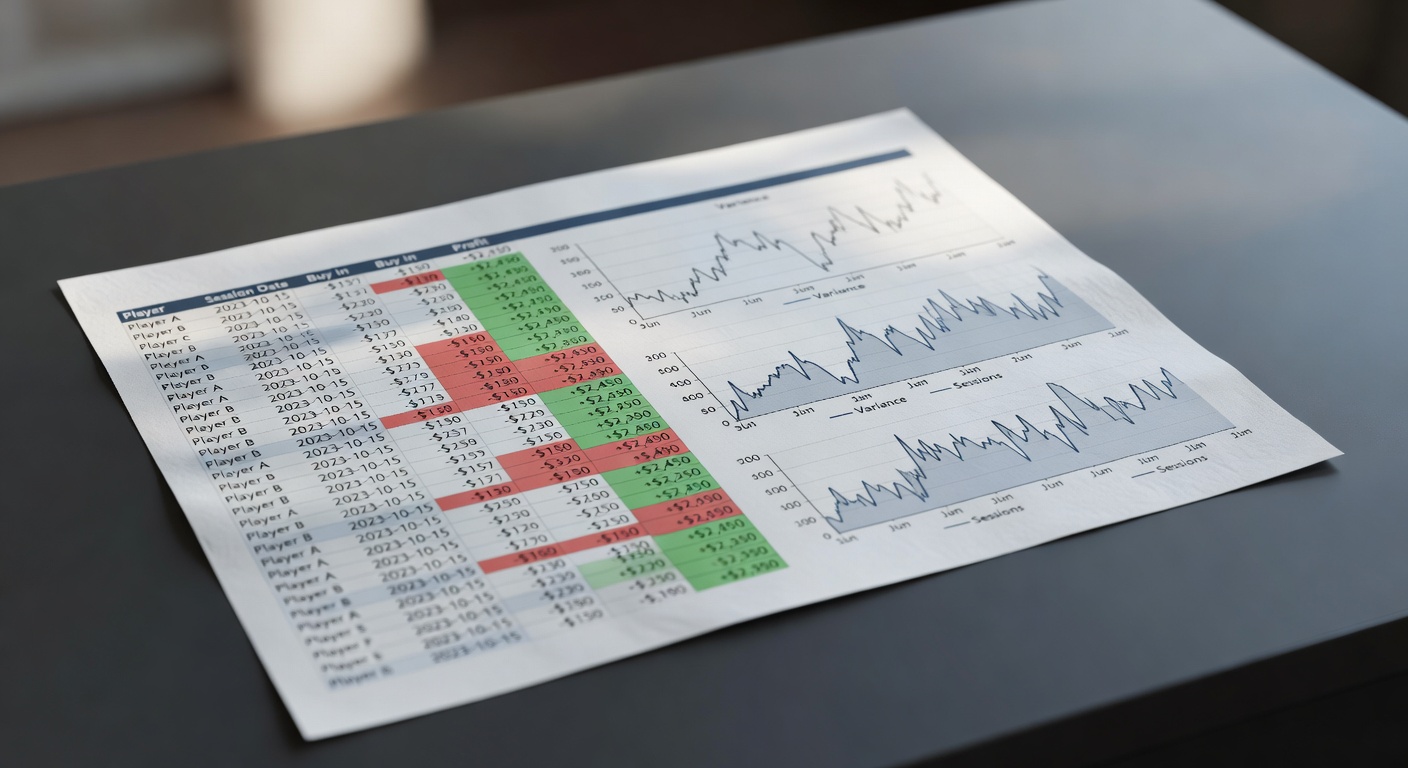
Tuesday night, 11:47 PM. River card hits. You fold a flop bet you should have called. By 1:30 AM you're down $340 on the night. Bad luck or bad play? Without data, you're guessing.
This is why the grinders track.
The Baseline: Session Records
Every session gets logged. Date, time, venue, buy-in amount, cash-out amount, profit or loss. That's the skeleton. But the skeleton tells you almost nothing. You need meat.
Add: game type (6-max NLHE, full ring, PLO), stakes, table condition (soft, tight, mixed). Estimate your seat's profitability (were you in position most hands? did a fish to your left leave early?). Rate your own play on a binary: A-game or B-game. This matters more than you think. Some downswings are variance. Some are tilt.
Bet large. Put the session notes in a document or spreadsheet that lives. Not in a notes app you'll lose. PokerTracker has a sessions module. So does DriveHUD. Hand2Note works too. Or use a shared Google Sheet.
The Game-Level Breakdown
Once you have 100+ hours logged, patterns emerge. Your win rate at 1/2 is different than your win rate at 2/5. Your BB/hour at 6-max differs from full ring. Your profitability by position (small blind, button, cutoff) tells you where you leak.
This is not intuition. This is math.
Break it further if you play multiple formats. NLHE results separate from PLO. Cash results separate from tournament results. A player can crush cash and fail at tournaments. You need to know which you are.
Your hourly win rate is the north star metric. If you're at 15 BB/hour at 2/5, that's livable in most markets. If you drop to 8 BB/hour, something shifted. Your opponents got better, your play degraded, or the game got tougher. The data helps you diagnose.
Hand-Level Tracking
This is where the pros separate. They don't just log sessions. They log significant hands.
Big pots. Tough decisions. Bluffs. Calls where you had doubt. Why? Because pattern recognition at hand-level teaches faster than session-level review. If you get it wrong repeatedly on the button, you'll see it after 50 hands logged. You'd miss it after 50 sessions.
Hand tracking software pulls this from your poker room API if available (PokerStars allows this for some players, WSOP.com less so). If not, you log manually. It sounds tedious. It is. But one hour of hand review per 10 hours of play moves you forward faster than 100 hours of playing blind.
Log: cards, position, action preflop and postflop, result, and one sentence on whether you'd play it the same again. That's it.
The Variance Calculator
After 200+ hours, run your results through a variance calculator. You'll find your true win rate confidence interval. Are you significantly profitable or still in the noise? This matters. It separates professionals from hobbyists.
A 15 BB/hour win rate with 300 hours of data is credible. The same rate with 20 hours is noise. The calculator shows you which.
The Living Document
Update monthly. Plot your BB/hour on a chart. Look for trends, not single sessions. Grinders who last 10+ years in the game have one thing in common: they trust the data more than they trust their feelings about how well they're playing.
You don't need software. You need discipline. A spreadsheet works if you fill it consistently. Consistency matters more than sophistication.
Next notes
More from #how-to
The Ultimate Guide to 3-Betting in No-Limit Hold'em
Three-betting is a specific technique used in poker to apply pressure. It worked the same way in organized crime investigations. Apply pressure, watch who cracks.
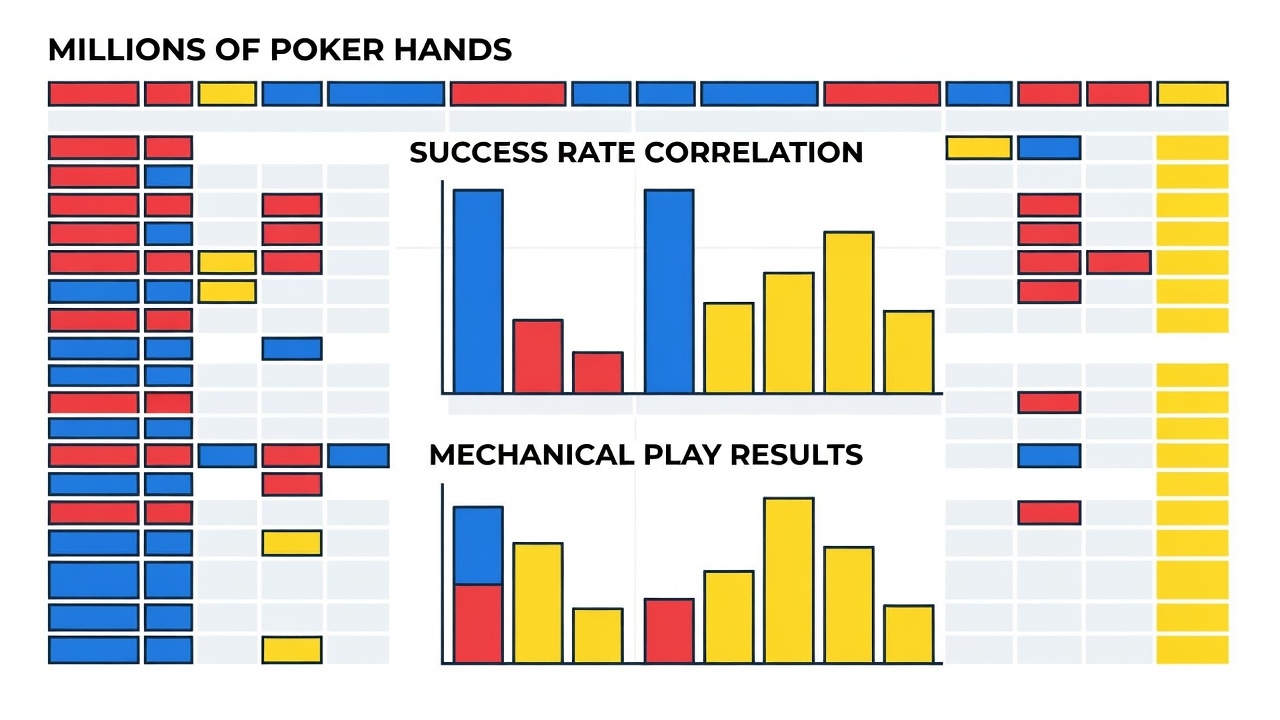
How to Play Small Pairs in Early Position
Analysis of 2.8 million hands shows that small pairs in early position succeed when played mechanically and fail when played by feel. The data is unambiguous on this point.
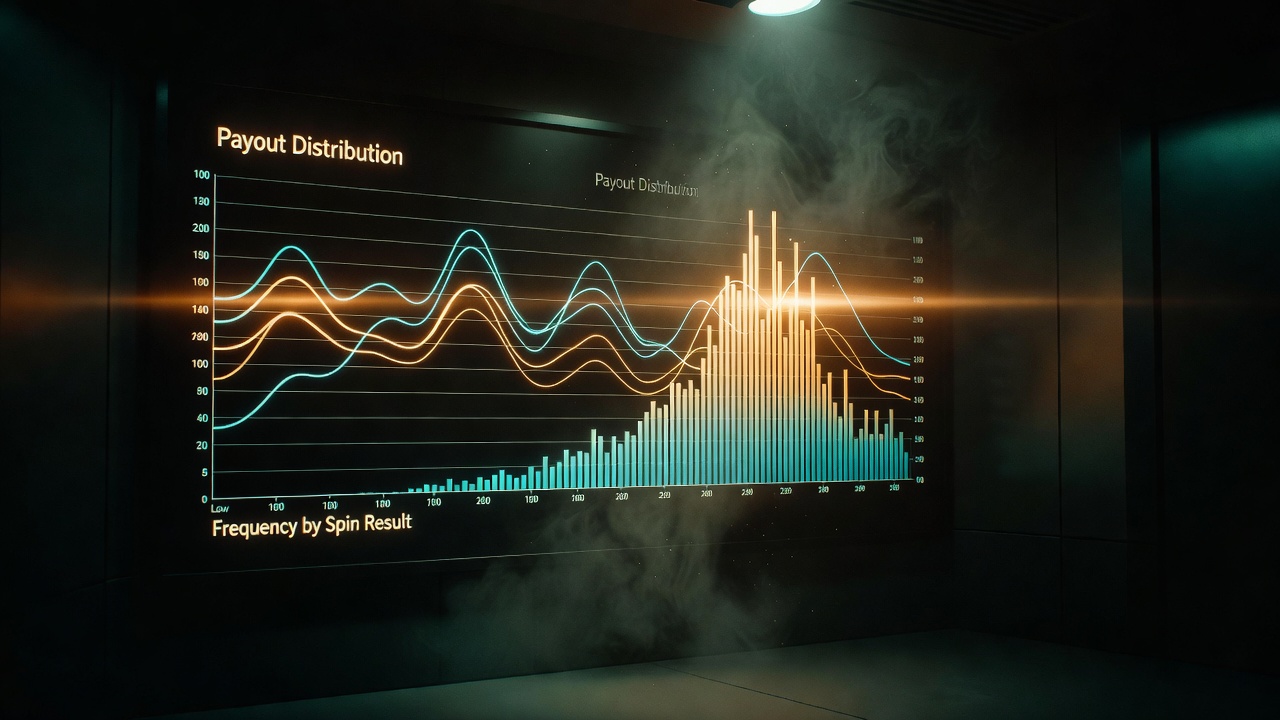
Understanding Slot Variance: A Player's Guide
The woman at the bar was telling me about her machine. She had played it every day for five years. She had never won anything significant, but she could not stop.
What Is Online Gambling Regulation and Why Does It Exist?
I have been sober from gambling for eight years. I have written about it, taught about it, spent time in recovery programs. The question I still wrestle with is not whether gambling should be regulated. It is whether regulation can prevent what happened to me.
How to Bet NBA Player Props the Smart Way
Player props are absolutely insane right now. Seriously. And actually, there's a way to think about them that doesn't involve losing your entire bankroll by halftime.

How to Beat Low-Stakes Online Poker Games
Winning at poker depends on understanding a specific distribution: the gap between your win rate and the average player's in your stakes.