Howard Hughes' Bizarre Takeover of the Desert Inn and Vegas
In 1966, Howard Hughes bought the Desert Inn casino for 13.2 million dollars while lying in bed in a bungalow next door. He never checked in as a guest.

Howard Hughes had not set foot in Nevada since 1956. He had a pathological fear of germs. He was medically addicted to codeine. When he decided to acquire a casino, he did it from a hotel bungalow three hundred feet away.
The Desert Inn was profitable. It was full. It was, by all accounts, running smoothly. Hughes bought it anyway, probably because the manager had asked him to vacate his bungalow.
The Acquisition
It was April 1966. Hughes was living in a bungalow at the Beverly Hills Hotel in Los Angeles. He decided he wanted to stay in a different bungalow. The Desert Inn had one. The manager, tired of a wealthy recluse monopolizing a suite, informed Hughes the bungalow was being repurposed.
Hughes' solution was to buy the casino for 13.2 million dollars. Not to stay there (he continued living in a bungalow). Not to run it (he hired an existing management team). He bought it to ensure no one could ask him to leave.
This is the decision-making of someone whose wealth has eliminated all natural consequences.
What Happened Next
Hughes moved to Las Vegas, still not leaving bungalows. He stayed at various casinos, occupying suites that became permanent. He acquired the Beverly Hills Hotel property. He acquired additional casinos: the Sands, the Frontier, the Landmark.
By 1967, Hughes owned roughly 10 percent of Las Vegas. He had never checked into most of his properties as a guest. He ran them from hotel rooms through intermediaries.
The businesses operated on existing momentum. Hughes did not interfere with daily operations. He simply owned them. The cash flow funded his isolation.
The Regulatory Consequence
The Nevada Gaming Commission raised concerns. A single owner controlling 10 percent of Las Vegas gaming created concentration risk. If Hughes had a medical crisis or decided to liquidate, the market would destabilize.
But Hughes had acquired licenses through a holding company. He appeared as an investor, not an operator. Regulatory oversight had no mechanism to remove him.
The Genuine Oddness
The oddness was not that Hughes bought casinos. Wealthy people buy things. The oddness was that he acquired them for negative reasons: not to operate, not to profit, not to expand a business empire. He bought them to eliminate inconvenience.
He bought the Sands because he was staying there. He bought the Frontier because he was staying there. Each acquisition was a solution to the temporary social friction of being asked to leave.
This is what total wealth looks like in practice: the complete insulation from consequences. A normal person gets asked to check out. They check out. Hughes bought the building instead.
What It Meant for Las Vegas
Hughes' ownership was largely passive. He made no public appearances. He participated in no management decisions. His wealth simply sat on top of existing operations like a lid.
Las Vegas in the 1960s was consolidated by a handful of mob-linked owners. Hughes' entry brought a new class of owner: the corporation. He legitimized institutional gambling in a way that individual operators never could.
Within a decade, casino corporations dominated. The mob owners eventually divested. Hughes didn't push this shift intentionally. He simply had the capital to sit on assets while professional management ran them.
The Retreat
By 1968, Hughes' health was catastrophic. He had become completely dependent on medication. He hired Jean Peters, a former actress, to manage his affairs. He rented the top two floors of the Beverly Hills Hotel.
He never again entered a casino he owned.
The Desert Inn he bought for 13.2 million to ensure he could stay in a bungalow became a liability. Maintaining it required attention. Attention was intolerable to him. He gradually withdrew from the casinos, though he never formally divested.
By the 1970s, his empire was already being managed by corporate boards he did not attend meetings for. His wealth generated more wealth. He had achieved complete freedom from consequence and complete isolation. He had won the game and lost the ability to play anything else.
Next notes
More from #famous-players
Richard Marcus: The Infamous Past-Poster and Casino Cheat
Richard Marcus spent his life buying possibilities, not just in the lottery, but in the spaces between rules where people aren't looking.

Allen Iverson's Casino Bans: What the Reports Actually Say
Public records from Nevada gaming authorities show Iverson was excluded from casinos in 2012. The reasons were never fully disclosed, but the timeline reveals something about how exclusion actually works.

Kirk Kerkorian: The Quiet Billionaire Who Built Vegas Three Times
Kirk Kerkorian understood a fundamental truth about Las Vegas: the game is real estate, not gaming. Gaming is the excuse that gets people into the buildings.
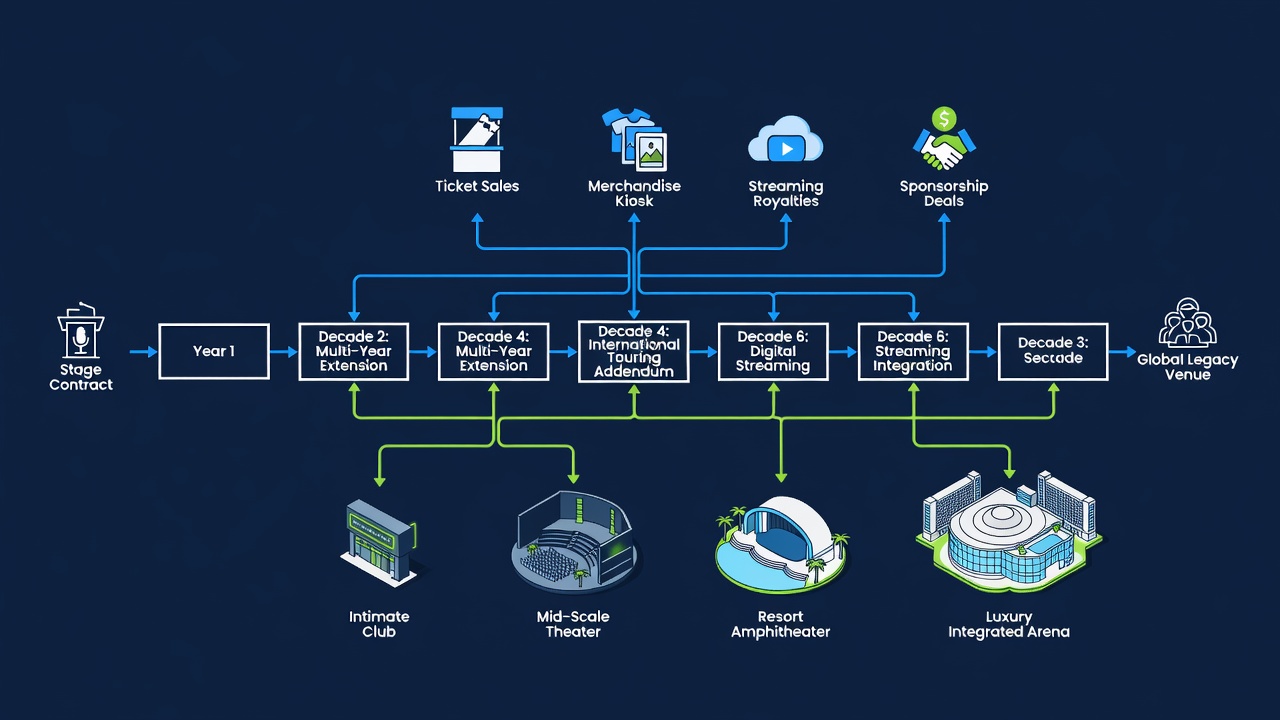
Wayne Newton's Vegas Legacy and Casino Residencies
The entertainer spent more time in Las Vegas than most residents. Here's what his residency model tells us about casino hospitality architecture.
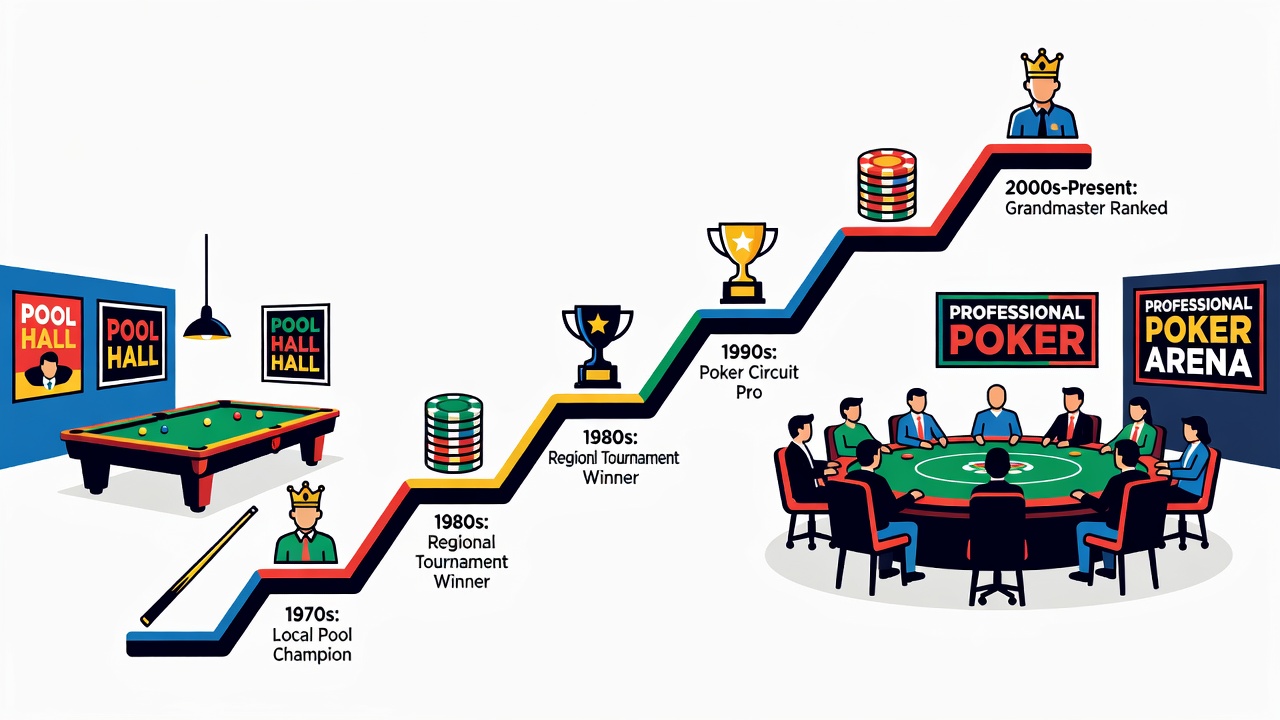
Daniel Negreanu: From Toronto Pool Halls to Poker Royalty
Daniel was shooting pool in Toronto in the early 1990s. Made maybe forty grand a year. By 1997, he'd figured out poker. By 2000, he was beating the best players in the world. That's a ten-year arc from regional operator to world-class grinder.

Tiger Woods and the High-Stakes Blackjack Tables of Vegas
Between 2000 and 2009, Tiger Woods was frequently photographed entering the casinos of Las Vegas. Public records show he gambled in private high-limit rooms. The amounts are documented. The outcomes are not.