Beat the Dealer: Edward Thorp's Book That Changed Gambling
Edward Thorp proved that a game with rules could be beaten. Not through luck, through mathematics. What does this tell us about games in general.
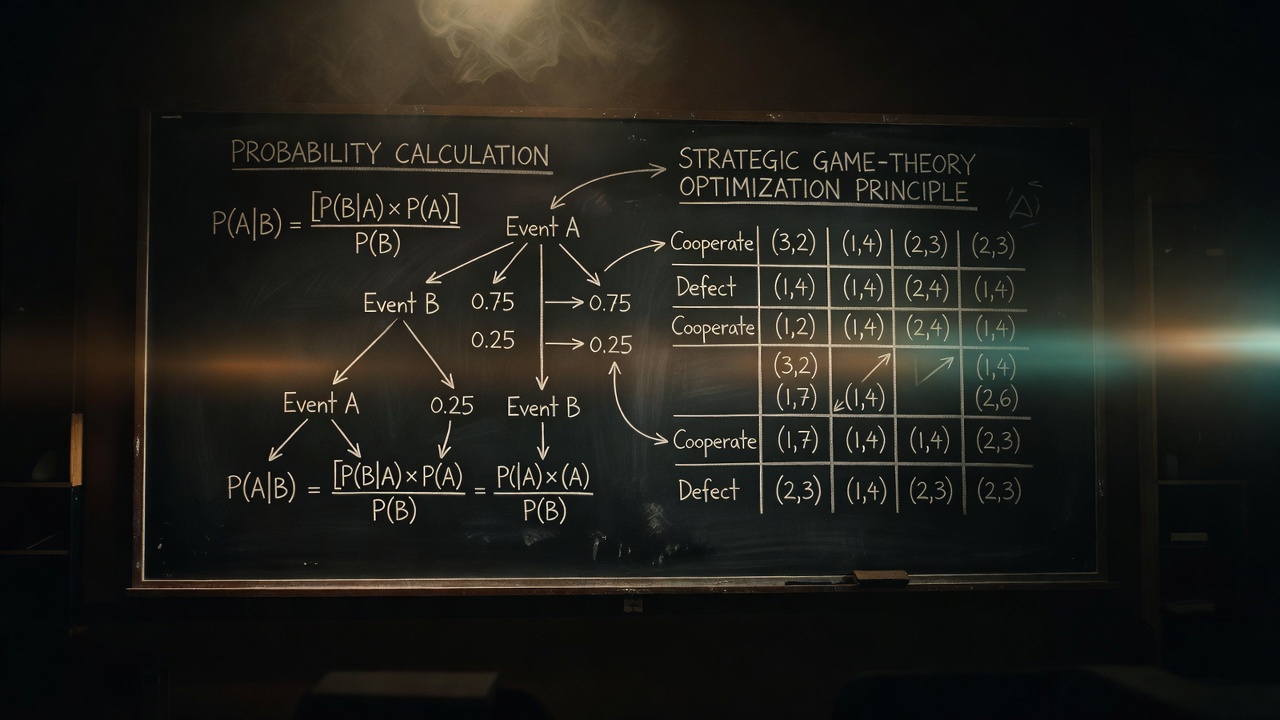
One might ask: is a game designed by humans truly random, or is it merely complex. Edward Thorp asked this in 1959 and proved that a game was exploitable.
Blackjack appears to be a pure chance game. The dealer shuffles. Cards come out. Outcomes seem predetermined by fate. But Thorp was a mathematician. He saw something others missed: the cards that remain in the deck change the odds.
This is foundational. The question before Thorp was: can a human beat a game of chance through skill and mathematics. The answer was no. Casinos had insurance. The house edge protected them. Random is random.
Thorp proved this wrong.
The Discovery
Thorp built a computer in 1961 to simulate blackjack hands. His IBM 704 ran millions of hands. He tested different strategies. He discovered that knowing the composition of the remaining deck changed optimal strategy.
When the deck is rich in aces and tens, the player has an edge. When the deck is rich in low cards, the dealer has an edge. A player who tracks the deck composition can adjust their bets accordingly.
This was not cheating. Thorp was not marking cards or collaborating with dealers. He was playing by the rules and using information available to anyone: which cards had been dealt.
The Book
Thorp published "Beat the Dealer" in 1962. The book explained card counting. It explained the mathematical principles behind exploiting a deck composition.
The casino world was shocked. The book sold tens of thousands of copies. Suddenly, every sharp player in America understood they could beat blackjack.
The Response
Casinos responded by implementing countermeasures. They added more decks to the shoe. They changed the cut card placement. They hired surveillance to watch for card counters.
But the fundamental insight remained: a game with knowable conditions can be exploited if you have the discipline and mathematical rigor to exploit it.
What This Means Philosophically
A game is a system with rules. The rules constrain what is possible. Within those constraints, outcomes follow from actions.
Thorp proved that knowing the state of the system (which cards remain) and understanding the mathematics of probability (expected value of different actions given that state) creates an exploitable advantage.
The question becomes: how many games fit this description. Roulette does not, because the wheel's outcome does not depend on previous spins. But blackjack does, because the deck's composition matters.
Poker fits this description entirely. Your edge in poker comes from understanding the state of the game (what hands are likely, what positions matter, what opponents do) and calculating expected value.
The Deeper Insight
Thorp's real contribution was not card counting. It was proving that chance games are not actually games of pure chance. They are games of imperfect information.
In a game of perfect information (chess, go), the outcome is determined by skill entirely. In a game of pure chance (a coin flip), the outcome is determined by luck entirely.
Most real games sit between these extremes. Blackjack seemed to be pure chance. Thorp proved it was imperfect information. Your information about remaining cards gave you an edge.
Application to Modern Gambling
Modern casinos have eliminated Thorp's edge. They use continuous shuffling machines. They implement RNG algorithms that are mathematically proven to be unpredictable.
But the principle remains. In any game where the state of the system is knowable and you can calculate expected value, an edge exists.
Poker is the modern blackjack. You cannot count cards because there is no shoe. But you can track ranges. You can understand opponent tendencies. You can calculate expected value of different actions given what you know.
This is skill.
The Final Question
What distinguishes luck from skill in a game of chance. Thorp's answer was: information and calculation. If you have access to information others do not, and if you can use that information to make better decisions than random, you have skill.
Thorp took a game everyone believed was pure luck and proved it involved skill. This changed how we think about games forever.
One might ask in closing: if Thorp was right about blackjack, what other games contain hidden skill that we mistake for pure chance. The answer is probably most of them.
Next notes
More from #blackjack
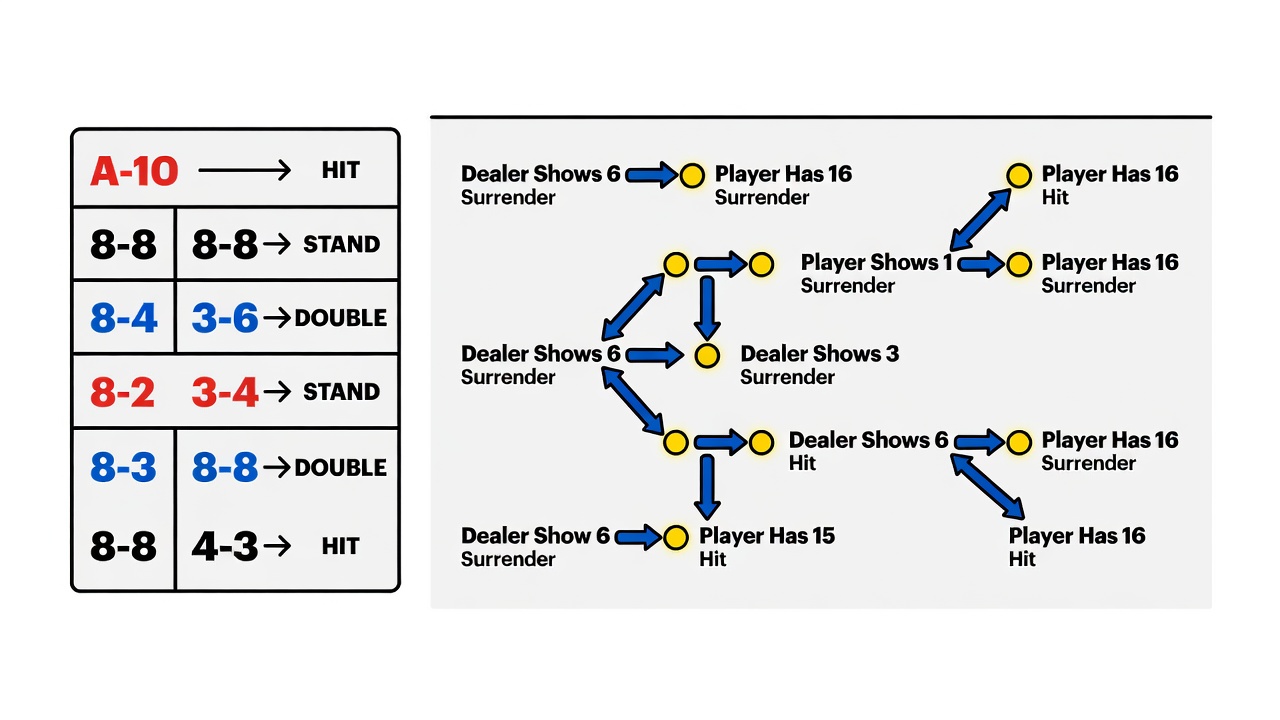
Best Ways to Practice Blackjack Strategy Before Playing for Real
Demonstrates why most people fail at this activity. best ways to practice blackjack strategy before playing for real requires both knowledge and discipline.
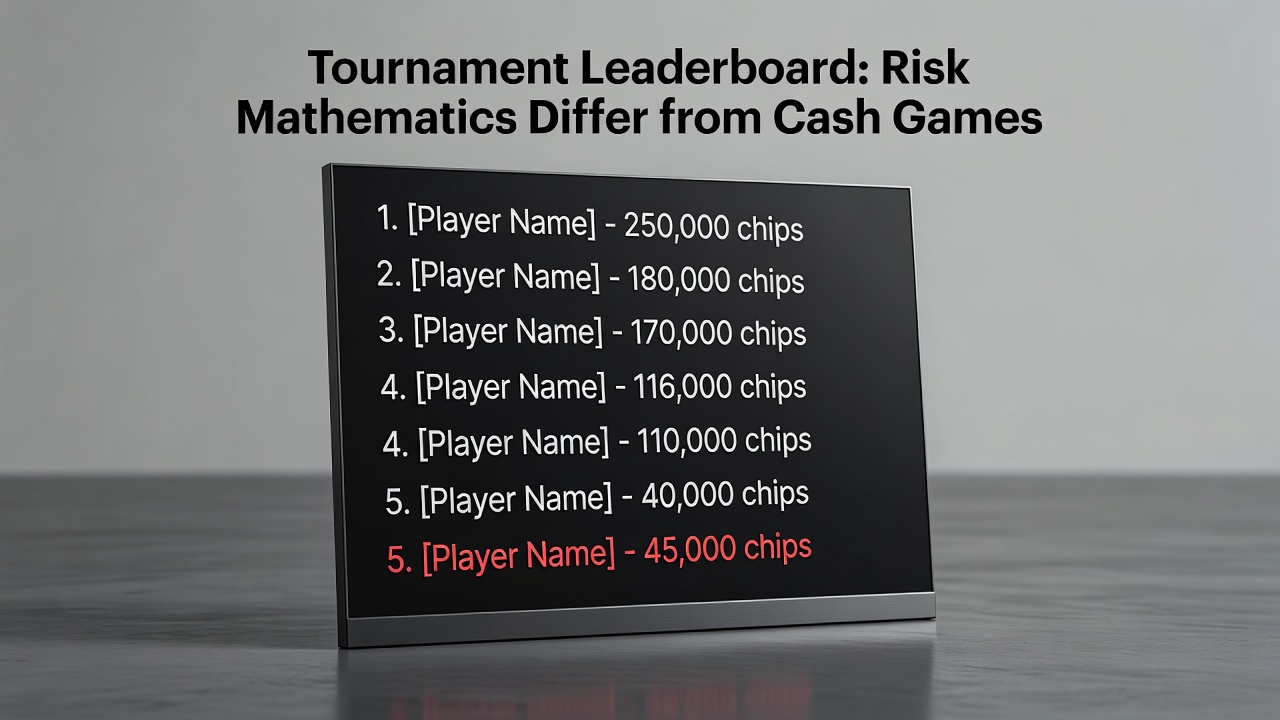
Tournament Blackjack: How Elimination Rounds Differ From Cash Play
In cash blackjack, you're optimizing for long-term wealth accumulation. In tournament blackjack, you're optimizing for position relative to competitors. The math is different. The strategy is different. Many players don't adjust.
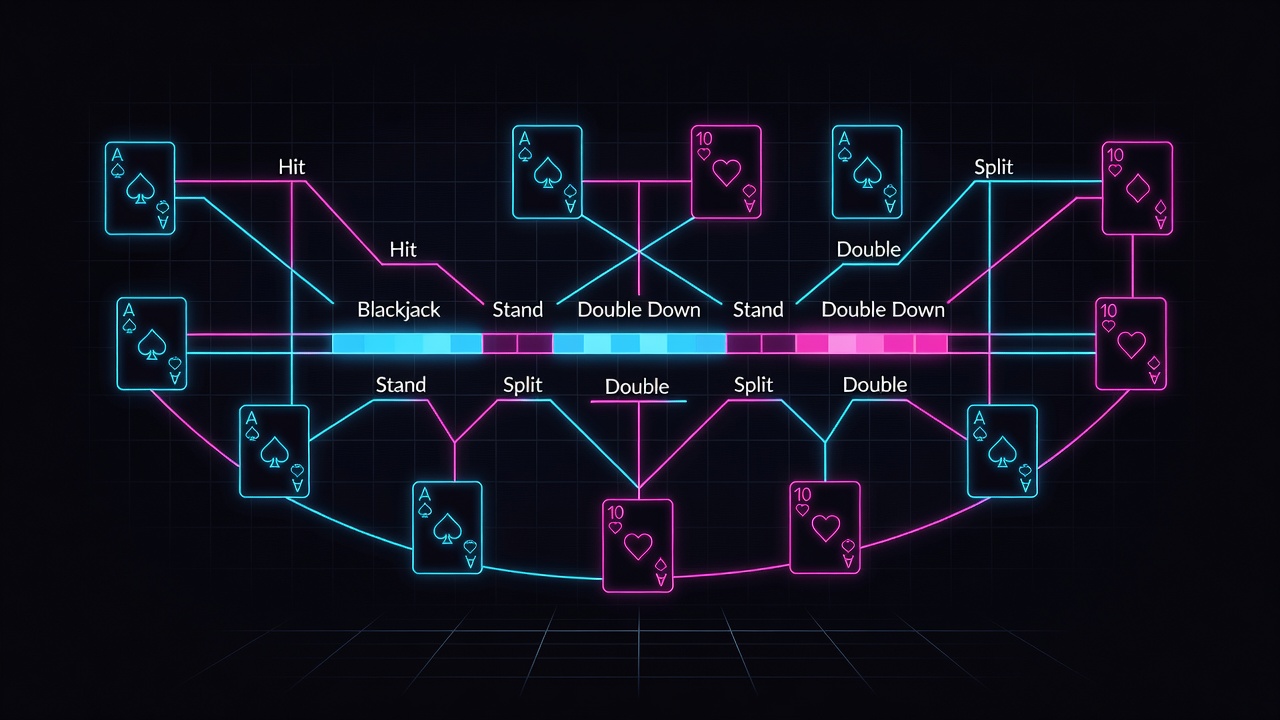
The Kelly Criterion Applied to Blackjack Bet Sizing
The Kelly Criterion is a formula for optimal bet sizing. Blackjack has an edge. Apply Kelly and you get bet sizes that change dynamically.

The MIT Blackjack Team: How Card Counters Beat the House
The MIT Blackjack Team made millions counting cards. They were not geniuses. They just understood the math better than the casinos did.

The Birth of Nevada Gambling: The 1931 Legalization Explained
On March 19, 1931, Nevada legalized gambling to raise tax revenue during the Great Depression. The move created an industry that has not stopped growing. No state has ever successfully banned gambling after legalizing it.

Johnny Chan: The Orient Express and His Back-to-Back WSOP Wins
Johnny Chan won the WSOP Main Event in 1987 and 1988. Back-to-back. No one had done it before. No one has done it since. He earned the nickname The Orient Express for playing fast and never showing weakness.