The MIT Blackjack Team: How Card Counters Beat the House
The MIT Blackjack Team made millions counting cards. They were not geniuses. They just understood the math better than the casinos did.

Card counting is not complicated. It is simple arithmetic applied consistently over thousands of hands. The difficulty is doing the math under pressure while appearing to play normally.
The basic counting system assigns values to cards. Low cards: +1. High cards: -1. Neutral cards: 0. As cards are dealt, you maintain a running count. A high count means the remaining deck is rich in tens and aces. A low count means the opposite. The team would scale bets based on the count.
The MIT team operated in the 1990s and early 2000s. They were students and recent graduates who understood probability and had capital to risk. They did not invent card counting. The technique had been known since at least 1962. What they did was systematize it and scale it.
How the Team Operated
The MIT team did not rely on a single brilliant counter. They used a group structure. A spotter sat at a table and counted, but did not bet big. When the count was high, they signaled a big player who came to the table and bet large on the favorable shoes.
This structure solved two problems. First, it reduced variance. A single player betting when the count was high might get unlucky and lose. A team could spread this risk across multiple players and casinos. Second, it disguised the counting. A counter who suddenly appears at a table and bets ten thousand on a good shoe looks suspicious. A counter who appears because a friend waved them over looks normal.
The team tracked their play meticulously. They knew their hourly rate. They knew the standard deviation. They knew the capital required to weather a losing streak. This was the difference between advantage players and gamblers: the team understood what they were doing well enough to predict their earnings.
Why Casinos Could Not Stop Them
Casinos cannot legally ban card counters. Card counting is not cheating. It is remembering information. The player is using their mind better than the casino can prevent.
What casinos can do is shuffle more frequently, use multiple decks, and bar suspicious players. The MIT team played in the late nineties when shoes were deeper and shuffles were less frequent. They also trained their counters to act like normal players. They did not keep an obvious count. They did not move their lips. They ordered drinks and chatted with dealers.
The cover play was the key. A counter who plays their true advantage strategy looks like a machine. Bet when the count is high, bet minimum when it is low. Shuffle every shoe and the pattern is obvious.
The MIT team sometimes made suboptimal plays to look human. They would occasionally bet big on a neutral shoe. They would sometimes leave a profitable table to avoid attention. The lost EV from cover play was smaller than the value of continued access.
The End of the Team
Casino surveillance improved. Facial recognition software made it harder to hide. Card counting had become common knowledge. By the early 2000s, casinos were using continuous shufflers and six-deck shoes with early penetration. The advantage collapsed.
Lone card counters still exist, but the window closed for teams. A professional counter needs to play enough hands to realize their edge. The casinos make this impossible by shuffling more and banning known counters.
The MIT team's true legacy is not the millions they made. It is proof that ordinary people who understand probability can beat games designed to favor the house. They did not need secret knowledge. They did not need the casinos to make mistakes. They just needed a temporary window where the mathematics favored them and the casinos had not yet adapted.
Next notes
More from #blackjack
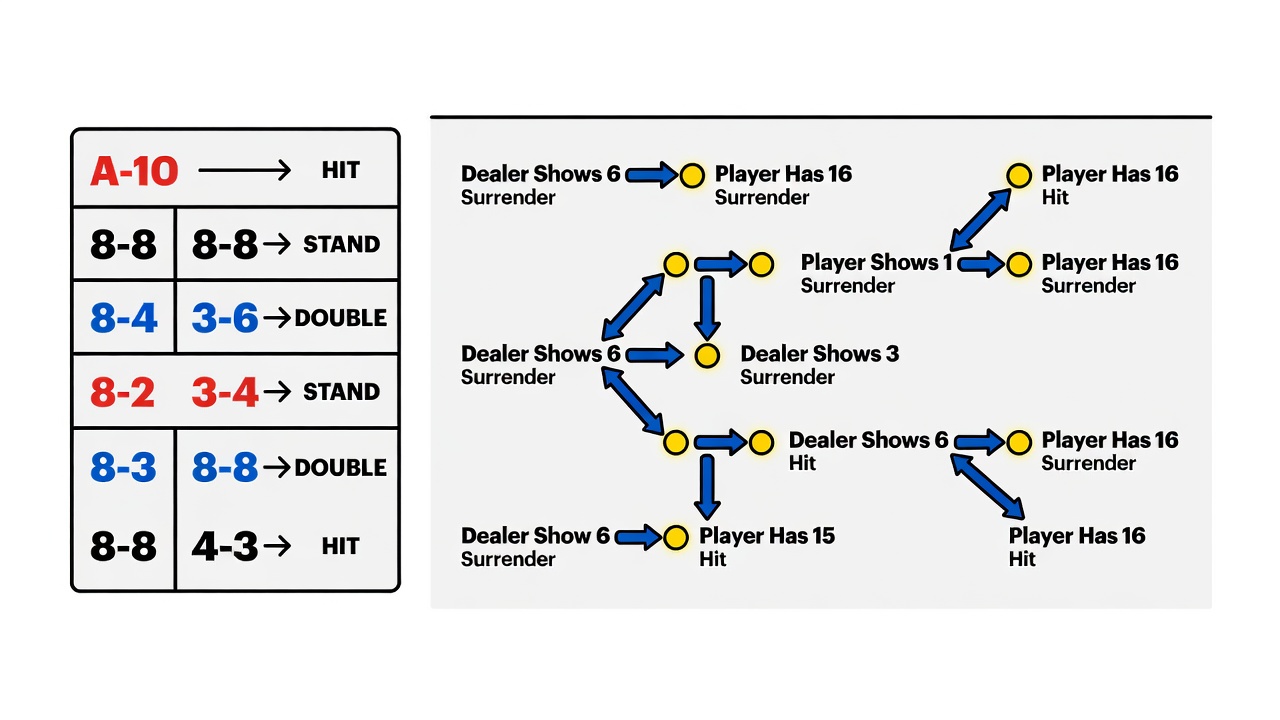
Best Ways to Practice Blackjack Strategy Before Playing for Real
Demonstrates why most people fail at this activity. best ways to practice blackjack strategy before playing for real requires both knowledge and discipline.
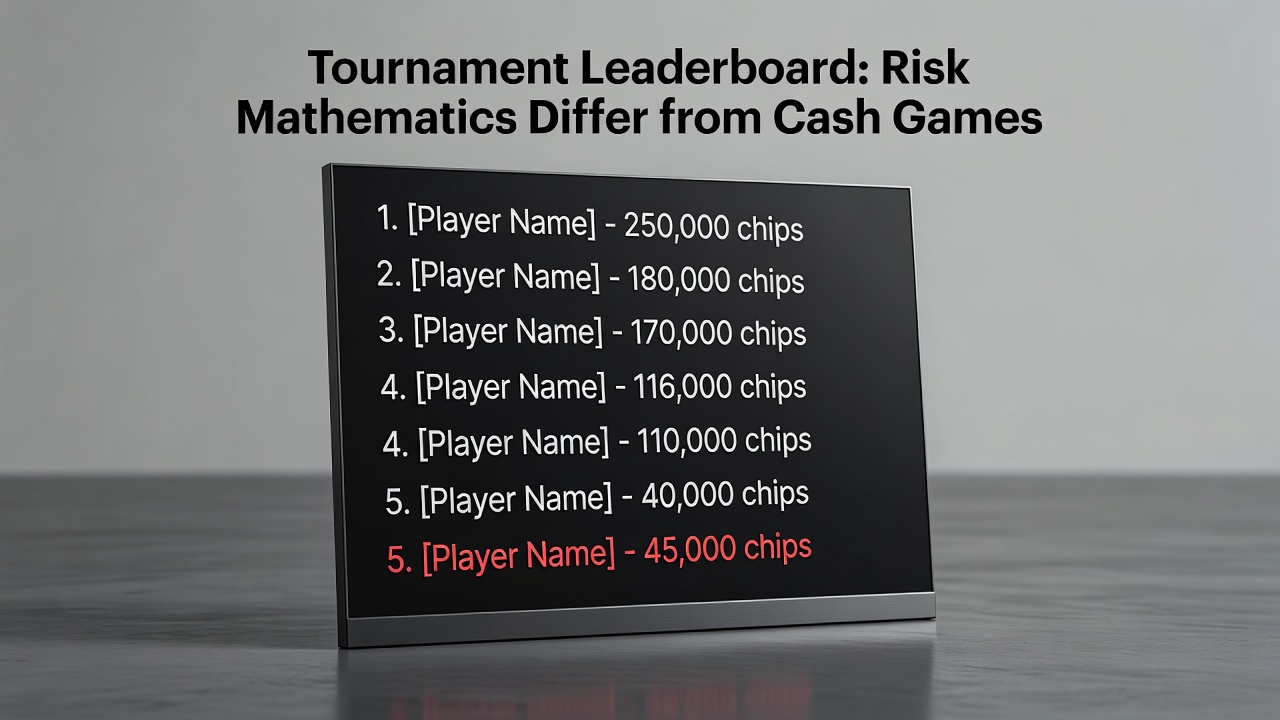
Tournament Blackjack: How Elimination Rounds Differ From Cash Play
In cash blackjack, you're optimizing for long-term wealth accumulation. In tournament blackjack, you're optimizing for position relative to competitors. The math is different. The strategy is different. Many players don't adjust.

The Kelly Criterion Applied to Blackjack Bet Sizing
The Kelly Criterion is a formula for optimal bet sizing. Blackjack has an edge. Apply Kelly and you get bet sizes that change dynamically.
Beat the Dealer: Edward Thorp's Book That Changed Gambling
Edward Thorp proved that a game with rules could be beaten. Not through luck, through mathematics. What does this tell us about games in general.

The Birth of Nevada Gambling: The 1931 Legalization Explained
On March 19, 1931, Nevada legalized gambling to raise tax revenue during the Great Depression. The move created an industry that has not stopped growing. No state has ever successfully banned gambling after legalizing it.

Johnny Chan: The Orient Express and His Back-to-Back WSOP Wins
Johnny Chan won the WSOP Main Event in 1987 and 1988. Back-to-back. No one had done it before. No one has done it since. He earned the nickname The Orient Express for playing fast and never showing weakness.