Common Biases That Hurt Sports Bettors
Been taking bets for forty years. The mug punters, they lose for the same reasons every time. Bias, mostly. They think they know better than the numbers.
Recency Bias
A team just won three in a row. The bettor thinks they're hot and bets on them. But the market's already priced in the wins. The team's true quality hasn't changed.
Recency bias makes you overweight recent performance. A bad team that wins one game isn't suddenly good. A good team that loses one game isn't suddenly bad.
Home Bias
Bettors overvalue home teams. They think home field advantage is bigger than it is. NFL home field advantage is about 2.5 points. Bettors price it at 4 points.
This creates a systematic overvaluation of home teams, especially when the home team is favored.
Narrative Bias
A team has a good story (underdog, revenge game, comeback), so you bet on them. The story feels true. But the outcome is determined by X's and O's, not narrative.
A team that "wants it more" doesn't usually win more. The team that executes better wins.
Overconfidence
You've won three in a row, so you bet bigger. You've found a "system," so you go all-in. The system is probably just luck.
Overconfidence causes you to bet more than your bankroll can support. One bad week destroys your edge from four good weeks.
Availability Heuristic
You remember big upsets. They were memorable. So you think upsets happen more often than they do.
Underdogs win about 40% of games against the spread. But you remember the 5 huge upsets and forget the 50 times the favorite won comfortably.
Confirmation Bias
You have a theory about a team. You look for evidence supporting it. Evidence contradicting it, you ignore.
A team's defensive statistics are down, but you think they're still good. You focus on the one good defensive game they had.
Bet Sizing Bias
When you're confident, you bet big. When you're unsure, you bet small. But confidence is not predictive. You're more confident about things that feel true, not things that are true.
Sunk Cost Fallacy
You've lost $500 this week. You have one last bet to get even. You make a terrible bet because you need to win. The money's already lost. Making a bad bet to recover it is worse.
Tying Success to Factors You Control
You lose a bet and blame the referee. You win a bet and credit your analysis. Both frames are self-serving.
Losses are luck, wins are skill. This backwards thinking prevents you from learning.
The Halo Effect
A star quarterback is good, so his team is good. A great player doesn't make a great team. Context matters.
A great QB on a terrible defense still loses games.
The Defense
-
Track your predictions beforehand. Write them down. Review them after.
-
Use spreadsheets. Quantitative analysis resists bias better than intuition.
-
Bet the same size every time. No variance based on confidence.
-
If you've had three winning weeks, bet smaller, not bigger.
-
Review losses honestly. You made a bad bet, not the universe conspired.
-
Track your win rate. If it's 50%, you're not making money. The 50% mark is where bias often lives.
-
Follow the numbers, not the narrative.
Next notes
More from #sportsbook
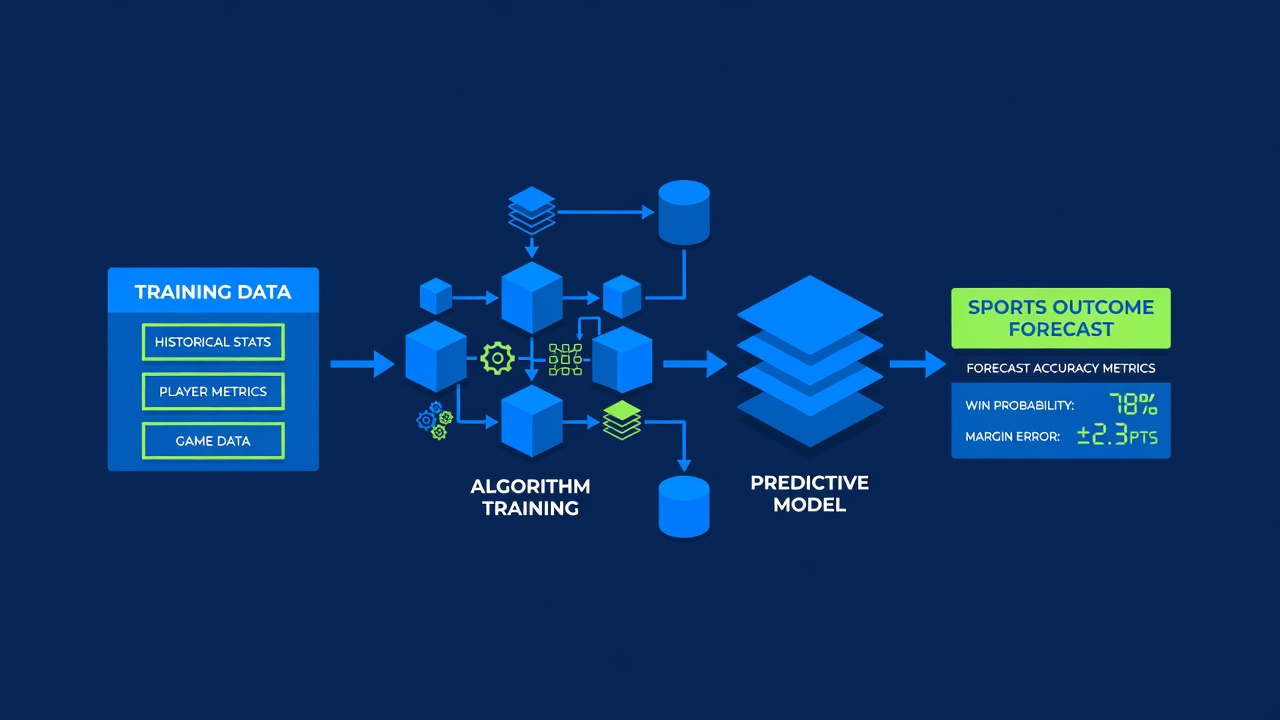
AI and Machine Learning in Sports Betting Models
One might ask: what is the bettor trying to do? Is he trying to predict outcomes, or is he trying to find where the market is wrong? These are different questions requiring different approaches.

Push, Void, and No Action: Sports Betting Terms You Must Know
I did not understand what a push was for my first three years of sports betting. I just kept money in my account and assumed I was stupid. I was not stupid. The sportsbooks just do not explain it well.

How Geolocation Works on Regulated Sports Betting Apps
Geolocation technology is the difference between a legal sportsbook and an illegal one. The tech is not sophisticated, but the stakes are absolute.

How the Gambler's Fallacy Affects Roulette Players
Roulette teaches the human brain how to recognize patterns that don't exist. Understanding the design loop reveals why the game is so effective at it.

Mattress Mack's 75 Million Dollar Astros World Series Win
Jim McIngvale's 75 million dollar World Series bet in 2022 represents a rare intersection of narrative and reinforcement learning. What it reveals about gambling behavior.

The Ultimate Guide to 3-Betting in No-Limit Hold'em
Three-betting is a specific technique used in poker to apply pressure. It worked the same way in organized crime investigations. Apply pressure, watch who cracks.