Bitcoin Sportsbooks vs Fiat Sportsbooks: Pros and Cons
A Bitcoin sportsbook and a traditional sportsbook sell the same thing: access to betting. But they're different animals because of how money moves through them.
The Fundamental Difference
A Bitcoin sportsbook accepts cryptocurrency. A fiat sportsbook accepts traditional currency (dollars, euros, pounds).
This seems simple until you realize it changes everything about the user experience, regulation, and trust models.
Bitcoin Sportsbooks: Advantages
Privacy
Bitcoin transactions don't reveal your identity (unless you connect the address to yourself through other means). A traditional sportsbook knows your bank account, your identity, your address.
Bitcoin provides pseudonymity. Your betting activity isn't linked to your name unless you choose to link it.
Speed
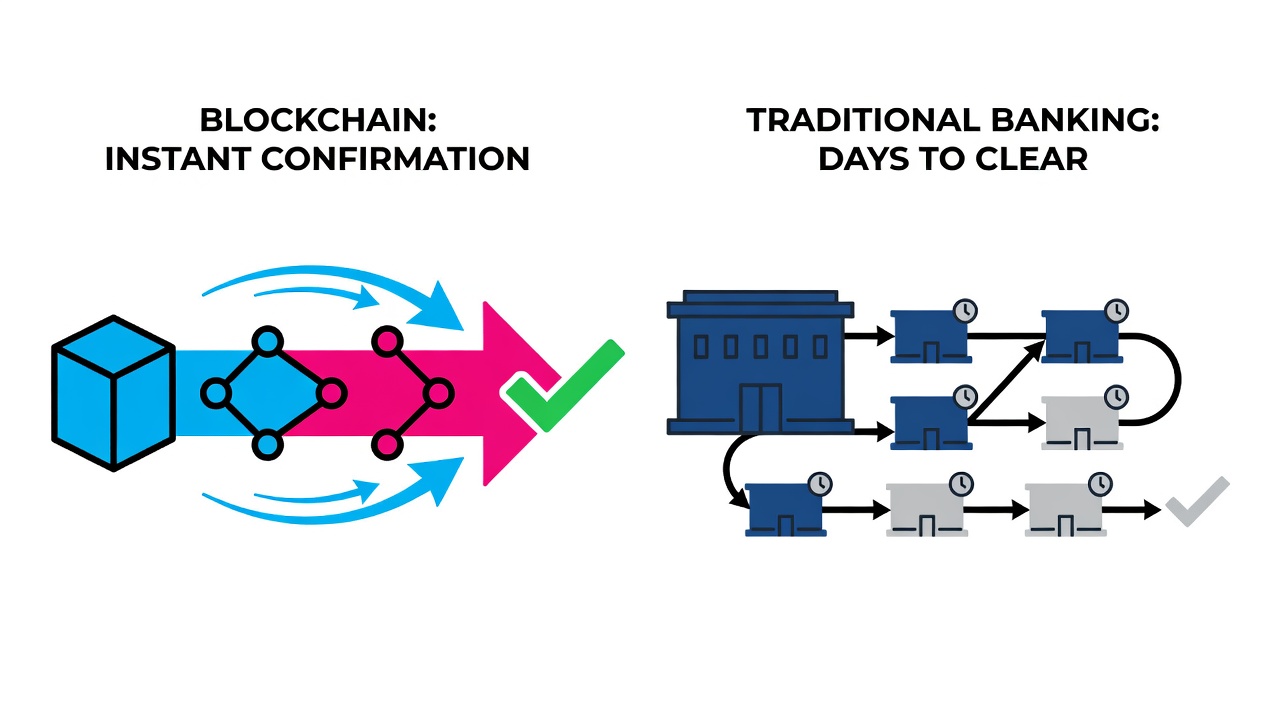
Bitcoin deposits and withdrawals are fast. No bank delays. No wire fees. Funds move in minutes.
Traditional sportsbooks require bank transfers, which take 1-3 business days and charge fees.
Accessibility
A Bitcoin sportsbook is accessible to anyone with an internet connection and a Bitcoin wallet. No bank account required.
Traditional sportsbooks require a valid payment method linked to traditional banking.
No Chargebacks
Bitcoin transactions are irreversible. Once sent, they're final. This means the sportsbook doesn't face chargeback risk.
Traditional sportsbooks face regular chargebacks from customers claiming unauthorized access. They build chargeback reserves into their business model.
Bitcoin Sportsbooks: Disadvantages
Volatility
Bitcoin's price fluctuates daily. A $100 deposit might be worth $95 two hours later. The betting math becomes complicated.
Traditional sportsbooks quote prices in stable fiat currency.
Regulation
Bitcoin sportsbooks often operate in regulatory gray zones. They're not licensed in traditional jurisdictions, which means they're not subject to the same consumer protections.
Traditional sportsbooks in regulated jurisdictions (Nevada, UK, Malta) have strict compliance requirements and consumer protection mechanisms.
Technical Skill Required
Using Bitcoin requires understanding wallets, addresses, and transaction confirmation. Casual bettors find this friction.
Traditional sportsbooks accept credit cards and bank transfers that everyone understands.
Fiat Sportsbooks: Advantages
Regulation and Safety
Licensed sportsbooks in regulated jurisdictions are required to segregate player funds, maintain insurance, and comply with AML/KYC regulations.
Your money is protected. If the sportsbook fails, regulatory authorities step in.
Simplicity
Everyone understands how to deposit and withdraw fiat. No technical knowledge required.
Tax Clarity
Traditional sportsbooks report winnings to tax authorities. If you win big, you get a 1099 form. This might seem bad, but it's actually good for your legal standing.
Bitcoin winnings are also taxable, but they're harder to track. The IRS doesn't know about them unless you report them.
Fiat Sportsbooks: Disadvantages
Fees
Deposits, withdrawals, and conversions all have fees. A withdrawal to your bank account might cost 2-3% of the amount.
Bitcoin withdrawals are typically free (except for network fees, which are small).
Time
Wire transfers take 3-5 business days. ACH transfers take 1-3 business days. Same-day access is rare.
Bitcoin settles in minutes.
Restrictions
Many regulated sportsbooks restrict customers from certain countries. Payment processors in some regions don't work with gambling companies.
Bitcoin sportsbooks often have fewer geographic restrictions (though some countries ban them outright).
The Choice
Choose Bitcoin sportsbooks if: you value privacy, you want instant deposits and withdrawals, you're comfortable with crypto, and you're in a jurisdiction where Bitcoin betting is permitted.
Choose fiat sportsbooks if: you want regulatory protection, you want simplicity, you don't trust new technology, and you're in a jurisdiction with licensed operators.
Next notes
More from #crypto-casinos

Penny Slots Online Casino Math: Why 1 Cent Games Hold More
Nevada's revenue report shows 1 cent slots holding 9.06% of every dollar played, more than $1 machines. Here is what a penny spin really costs.

Stablecoin Payment Gateway: From Wallet to Settled Dollars
How a stablecoin payment actually settles: Stripe's 10,000 USD cap, final once the chain records it, no chargebacks, refunds back to your wallet as tokens.

Tron in Crypto Gambling: Why It's Popular for USDT Deposits
Tron carries something in its design that speaks to a particular kind of want. The want for speed. The want for certainty. The want for transactions that happen now.
The Difference Between Crypto Casinos and Traditional Online Casinos
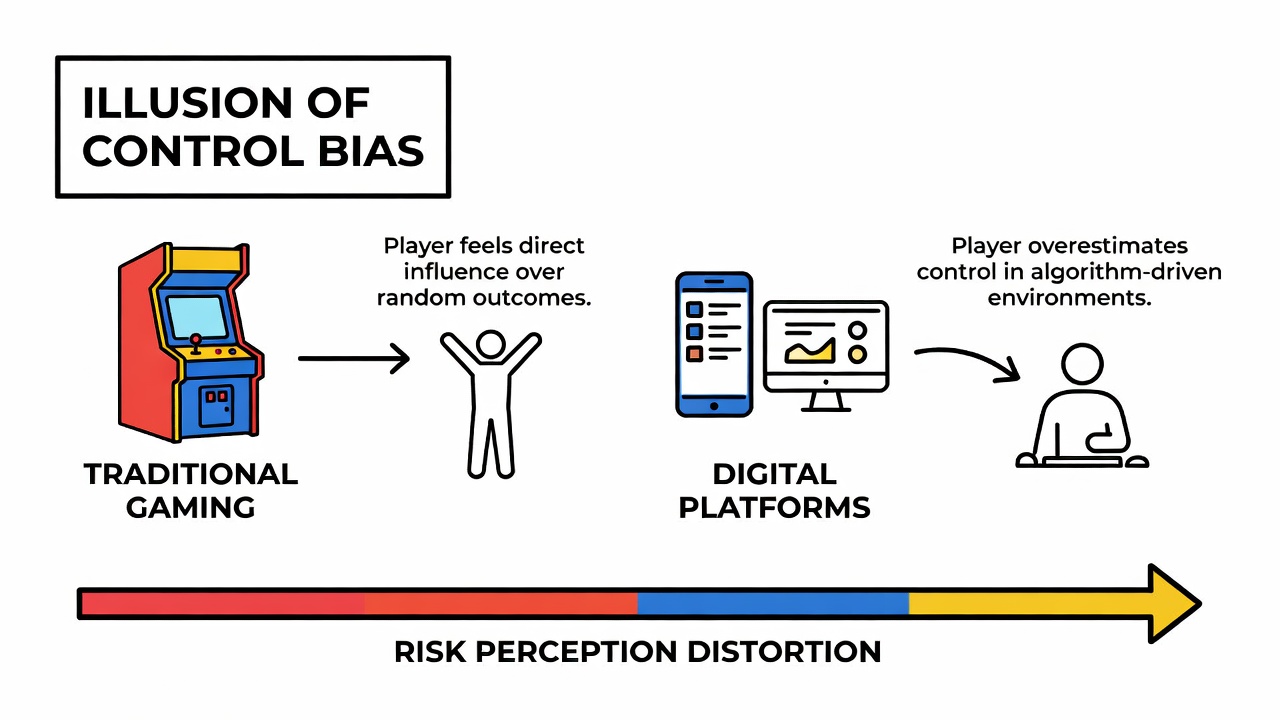
Kahneman and Tversky studied how people evaluate risk. Crypto casinos exploit one specific bias more effectively than traditional operators: the illusion of control.

Crypto Sportsbooks vs Crypto Casinos: Key Differences
The technical architecture between crypto sportsbooks and crypto casinos looks similar to the outsider. But the underlying systems are fundamentally different.

Crypto Deposits at Live Dealer Casinos: A Step-by-Step Walkthrough
The casino is a designed space, and every transaction flows through that design. Crypto deposits have altered the sightlines, but the principles remain unchanged.