How the Gambler's Fallacy Affects Roulette Players
Roulette teaches the human brain how to recognize patterns that don't exist. Understanding the design loop reveals why the game is so effective at it.

The best game designers understand feedback loops. A player performs an action. The game responds. The player feels like their action caused the response. Even when it didn't. Roulette is a masterclass in false feedback design.
A roulette wheel has 37 or 38 pockets depending on whether you're playing European or American roulette. Each pocket is equally likely. The wheel has no memory. The previous spin has no influence on the next spin. Yet the human pattern-recognition system insists on finding patterns anyway. If red has hit five times in a row, players become convinced that black is "due." This is the gambler's fallacy. The belief that past independent events influence future ones.
From a game design perspective, roulette operates with two feedback mechanisms. First, the physical spinning wheel creates a sense of agency. You can watch the spin. You can almost imagine influencing it. You can see the ball slow down. There's a moment of narrative tension where the outcome feels uncertain even though it's already determined. Second, the pattern-matching itself becomes a reward loop. If you've been tracking the wheel, maintaining a mental ledger of hits and misses, and you're right about what comes next, your brain releases dopamine. You feel smart. You feel like you've cracked the code.
The Design of the Illusion
Roulette boards in casinos are specifically designed to highlight streaks. The board displays the last 25 or 50 spins in a visual format. Red and black alternate in columns. If there's a streak of reds, the visual representation makes it impossible to ignore. Players can point at the board and say "black is due." The board creates a shared narrative. "Everyone can see red has hit five times." The casino knows exactly what they're doing by displaying this information.
Here's how the feedback loop reinforces itself:
You place money on black because it's "due." Red hits again. You feel like you were close. You place more money. Black finally hits. You remember the win and associate it with your predictive skill. Your brain releases a dopamine spike. The next time you see a streak, you remember that positive outcome and chase it again.
- The casino never hides that red hit five times in a row. They display it prominently because they know what comes next.
- Players who track the wheel believe they're using information. They're using the same information the casino wants them to use.
- If a player places money on black ten times and red hits nine of those times, they remember the one win and forget the nine losses.
- The near-miss effect (almost guessing right) is more motivating than actually winning. Close is addictive.
Breakout is a similar game. Players choose a number. If their number hits, they win. The odds never improve. But the board shows all previous hits. Players can point at a number and say "that one hasn't hit in 47 spins, so it's hot." Actually, it's cold. It's even more likely to hit next (regression to the mean) if you believe it should. The design uses the player's intuition against them.
Why is this design so effective? Because it respects the player's intelligence while exploiting their pattern-recognition system. The game doesn't force you to play. It shows you the data. It lets you make predictions. It rewards you when you're right (and you will be right sometimes, because probability means streaks happen). Then it lets you attribute your win to skill rather than luck. The human brain is a pattern-finding machine built to see agency where there is only randomness. Roulette just gives that machine exactly what it wants to process.
Next notes
More from #roulette
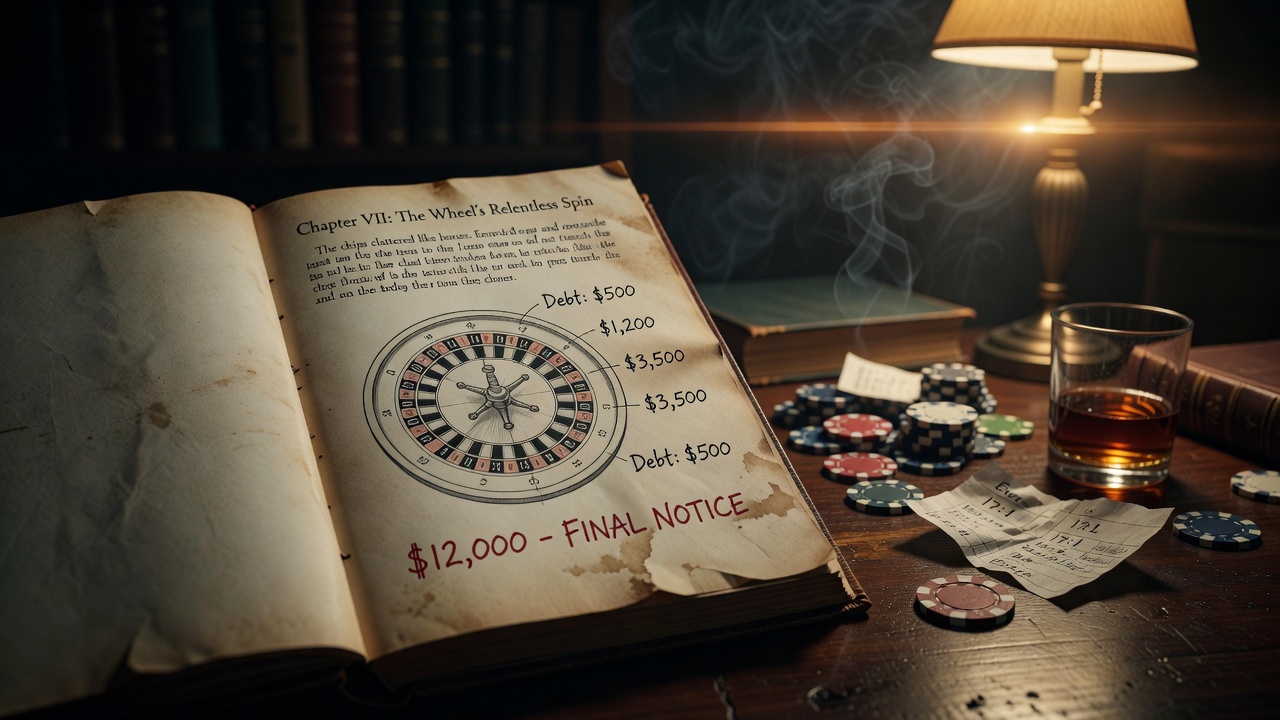
Dostoevsky's The Gambler: Roulette, Debt, and Literature
Dostoevsky spent years in debt and years at roulette tables. He wrote a novel about both. It is the greatest gambling book ever written.
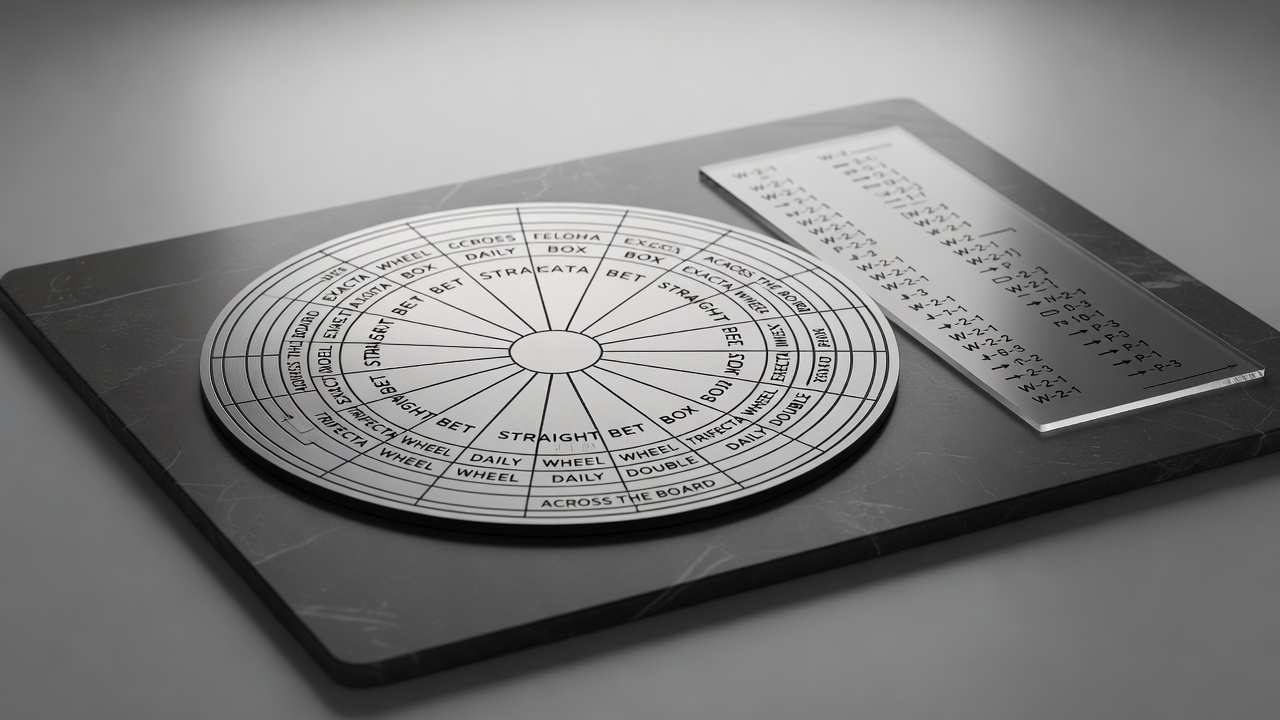
How Racetrack Roulette Layouts Work
High-limit baccarat dealers see things the regular pit does not. A racetrack layout is a language for placing bets without speaking.
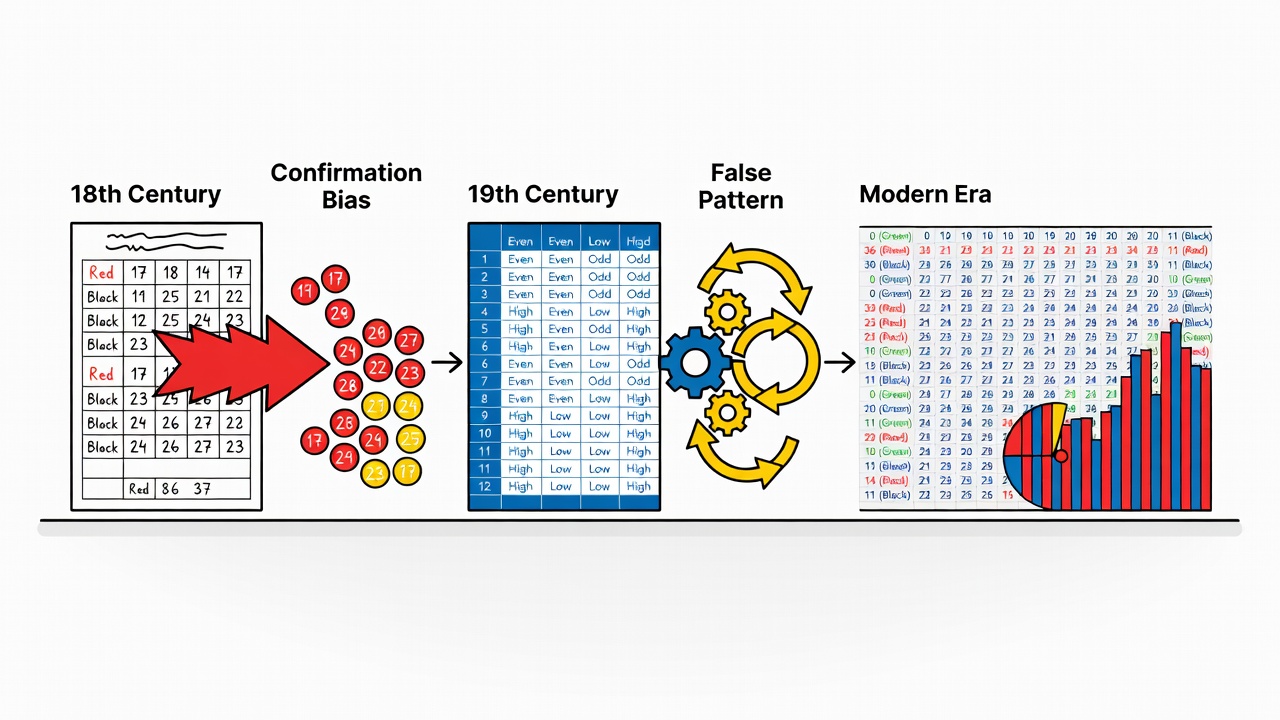
Why Hot and Cold Numbers in Roulette Are a Myth
Bettors have tracked roulette results for centuries looking for patterns in hot and cold numbers. The pattern they find is the pattern they brought to the table.
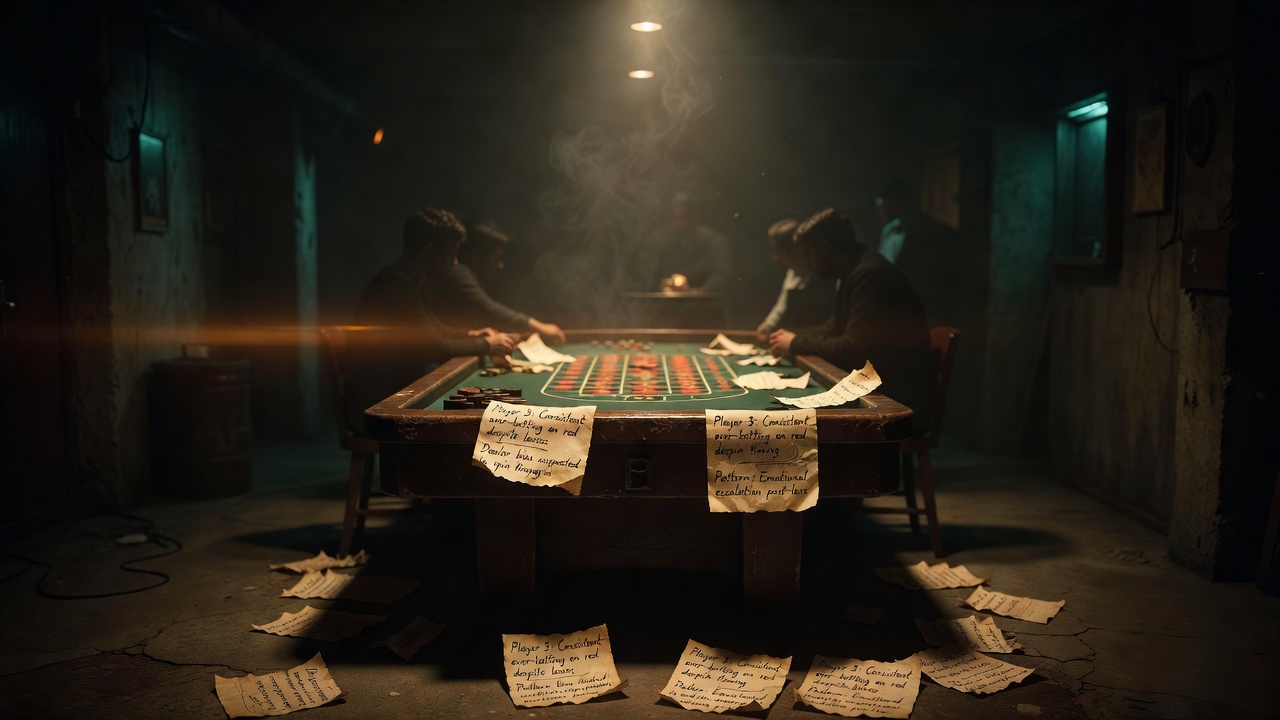
Common Mistakes New Roulette Players Make
I spent months in underground roulette rooms watching fresh players arrive with confidence and leave with lessons. The same errors repeat across every table.
Why the Labouchere System Fails at Low-Stakes Roulette
The Labouchere system works until the wheel finds its teeth, which is inside thirty spins at low stakes. Here is the cold math on why it eats beginners alive, and why table limits and bankroll size make it a trap, not a strategy.

The Ultimate Guide to 3-Betting in No-Limit Hold'em
Three-betting is a specific technique used in poker to apply pressure. It worked the same way in organized crime investigations. Apply pressure, watch who cracks.