The History of Bookmaking: From Ancient Rome to Modern Sportsbooks
People have been taking the other side of bets since money existed. The bookmaker is older than banks.
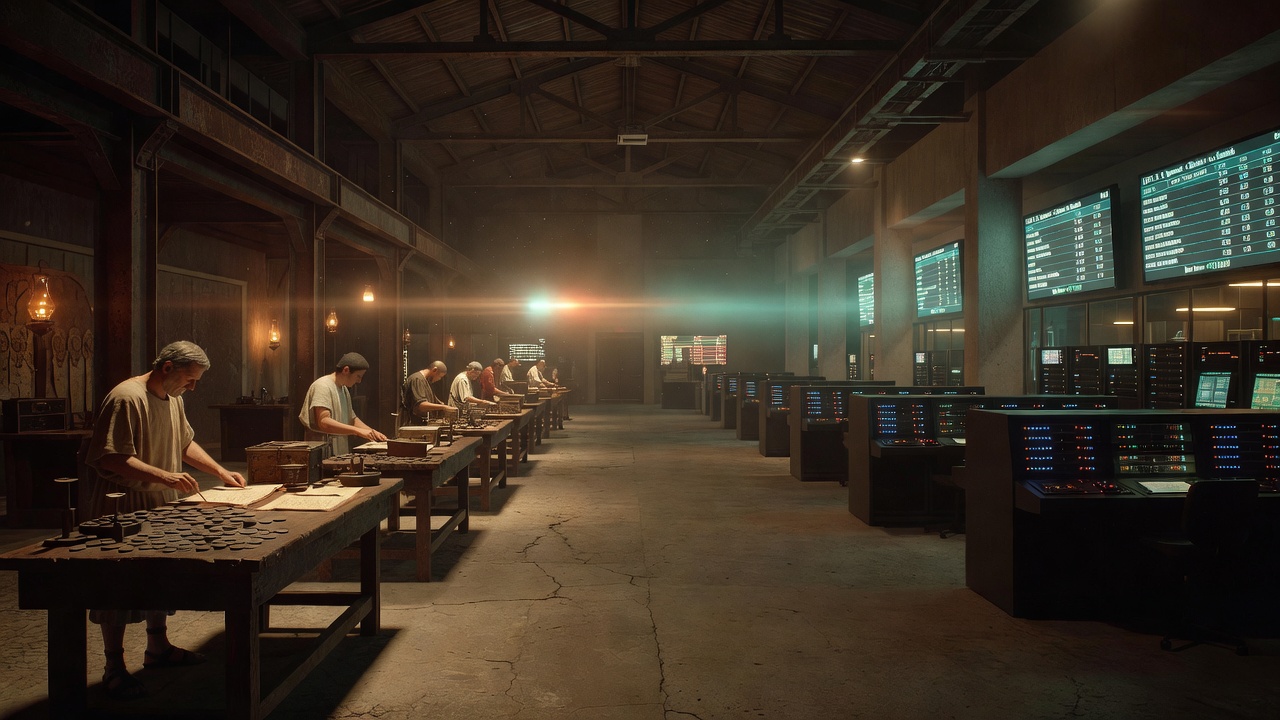
In ancient Rome, bookmakers sat in the Forum and took bets on chariot races. They had a rule. The bets had to balance. If everyone was betting on the blue team, the bookmaker adjusted the odds so that people would bet on the red team instead.
This is the central truth of bookmaking. The bookmaker does not care who wins. They care about balance.
The Ancient System
A Roman bookmaker would announce odds. Blue team at even money. Red team at two to one. If the money flows all toward blue, the bookmaker moves the odds. Blue becomes two to one. Red becomes even. Now people want to bet red.
This is not magic. This is basic mathematics applied to human psychology. People will bet more at better odds. The bookmaker uses odds as a lever to balance the book.
Some bookmakers got rich. Some got killed by people who lost more than they could bear. The job has always been precarious.
Medieval to Colonial Period
Bookmaking migrated from the Forum to the betting houses of London. The mechanics did not change. Balance the book. Set odds based on the flow of money, not based on your actual belief about the outcome.
A bookmaker's belief about who would win was irrelevant. If everyone thought the favorite would win, the bookmaker set odds that made it profitable to bet on the underdog. The bookmaker took the other side of the crowd.
This is counterintuitive to people who just started betting. They think a bookmaker predicts outcomes. Wrong. A bookmaker exploits human prediction errors by taking the opposite side.
The Modern Era
In the 1960s, bookmakers started using computers. Instead of sitting in a booth taking bets by hand, they had teams of employees who input bets and calculated exposure in real time.
A modern sportsbook has a computer system that tracks every bet ever placed. The system calculates what happens if team A wins versus team B wins. The odds are set to maximize profit across all scenarios.
If the sportsbook has taken five hundred thousand dollars on team A and two hundred thousand on team B, and team A wins, the sportsbook loses three hundred thousand. The computer tries to adjust odds before the game to balance the exposure.
But sometimes the math does not work. Sometimes a famous team is a heavy favorite and everyone bets it. The sportsbook cannot create enough action on the underdog. They hold massive exposure. If the favorite loses, they profit massively. If the favorite wins, they get destroyed.
Why Sharp Bettors Matter
Modern sportsbooks employ sharp bettors. These are professional gamblers with models that predict outcomes better than the market. The sportsbook pays them to bet against the crowd.
If everyone is betting team A, the sharp bettor bets team B. This brings balance. This is how a sportsbook protects itself. They hire people smarter than the crowd and pay them to do the crowd's opposite.
When a sharp bettor places a large bet, the odds move immediately. The sportsbook resets their entire book based on where the smart money went. This is a tell. If you see the line move a quarter point in the opposite direction of the public action, a sharp just bet.
The Casino Sportsbook
Casino sportsbooks are different from independent bookmakers. A casino owns the sportsbook but also owns the slots, tables, and restaurants. They do not need the sportsbook to be profitable. They need it to bring people into the building.
The casino will take losses on the sportsbook to break even because the gambler who came to bet football might spend the evening at the blackjack table and drop three thousand dollars.
This changes the math. A casino bookmaker can afford to be less sharp because they make money on other products.
The Truth
Bookmaking works because people are predictable. The crowd overvalues the favorite. The crowd chases recent winners. The crowd makes emotional bets.
The bookmaker takes the opposite side. Over thousands of bets, the bookmaker profits not because they predict better, but because they exploit crowd error.
Same strategy since the Romans.
Next notes
More from #history

The History of Gambling in Ancient China and the First Lotteries
The earliest lottery system emerged not in Italy or France, but in ancient China, where gambling was embedded in ritual, governance, and military strategy simultaneously.
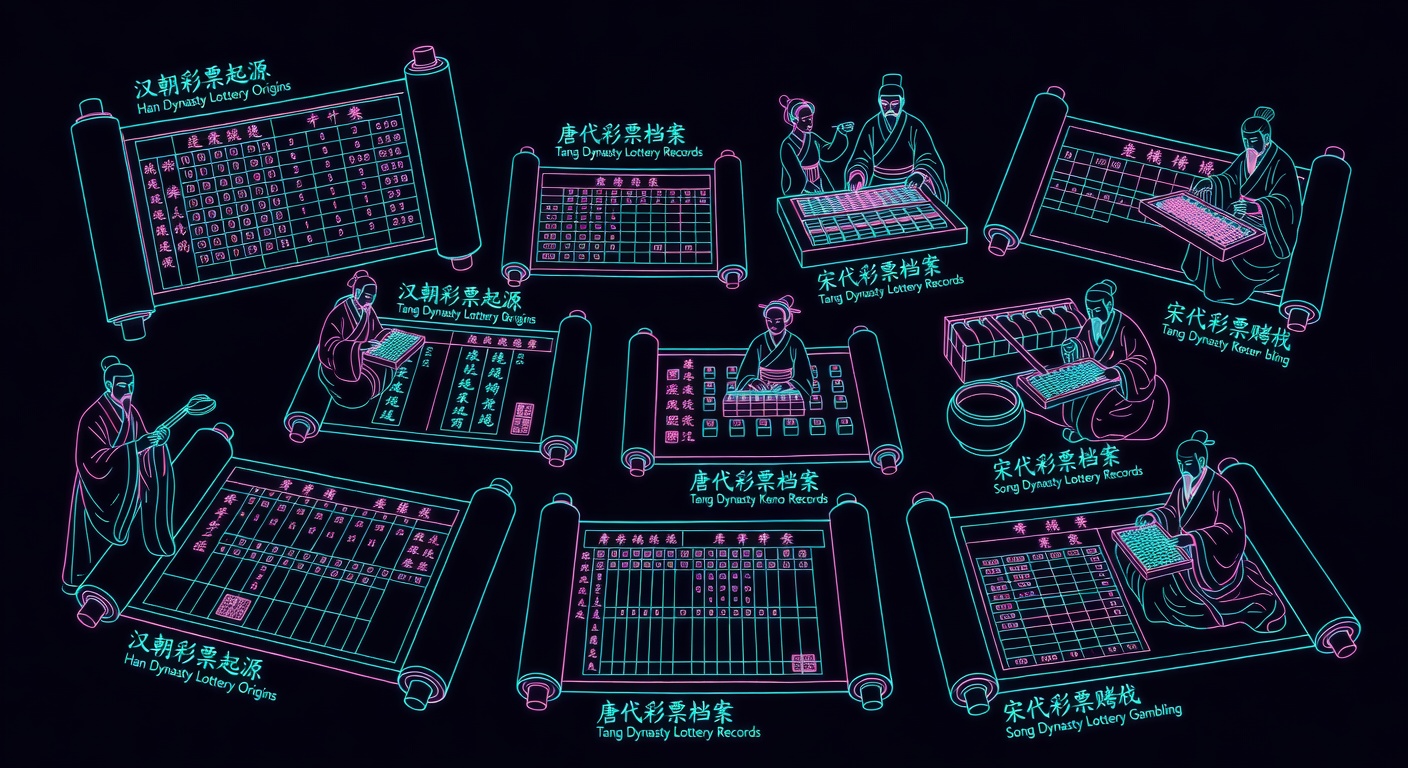
The History of Gambling in Ancient China and the First Lotteries
In a courtyard in Chang'an, nineteen centuries ago, a merchant drew a wooden slip from a jar and read a number. The slip meant nothing unless a second slip, held by a minister at the imperial palace, read the same number. This is how we remember, or half-remember, the first lottery.
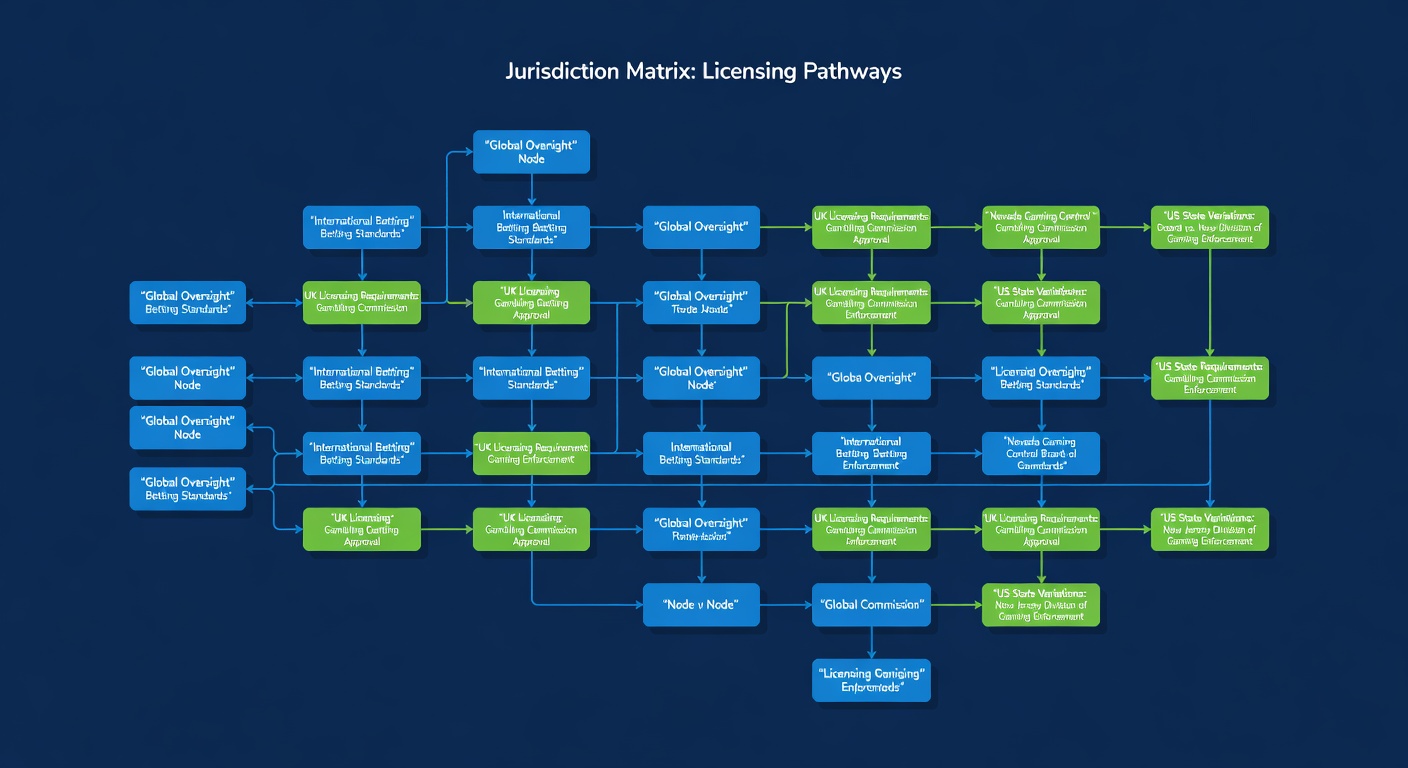
Sportsbook Licensing and Regulation: What Bettors Should Know
A licensed sportsbook is an audited, bonded, surveilled operation. An unlicensed one is an app that might vanish next week with your balance. The difference is not abstract. Here is what licensing actually means and why it matters.

Mattress Mack's 75 Million Dollar Astros World Series Win
Jim McIngvale's 75 million dollar World Series bet in 2022 represents a rare intersection of narrative and reinforcement learning. What it reveals about gambling behavior.
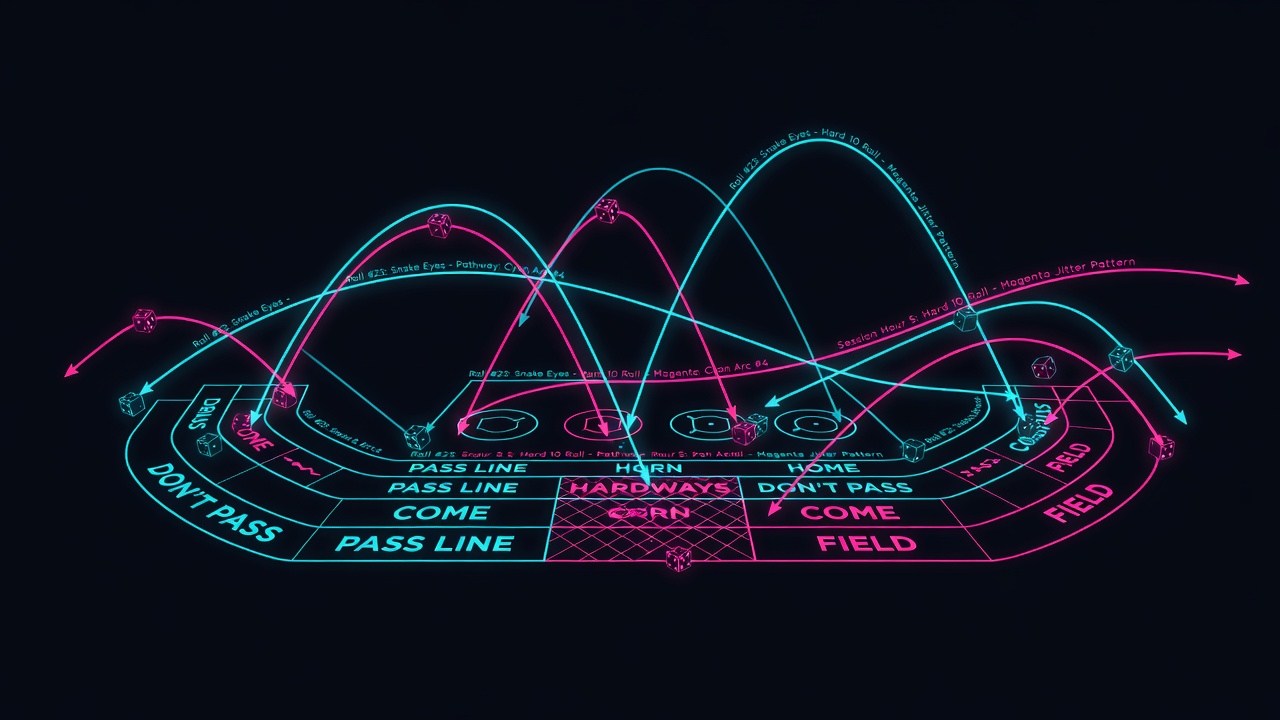
Craps Records: The Longest Rolls Ever Documented
On May 23, 1989, a woman named Patricia Demauro walked to a craps table. She rolled the dice for four hours. What happened in those four hours changed craps forever.

How to Bet NBA Player Props the Smart Way
Player props are absolutely insane right now. Seriously. And actually, there's a way to think about them that doesn't involve losing your entire bankroll by halftime.