Loyalty Points vs Comp Points: What's the Difference?
Two systems that sound identical work very differently. One favors the player. One favors the house. Understanding the difference matters.
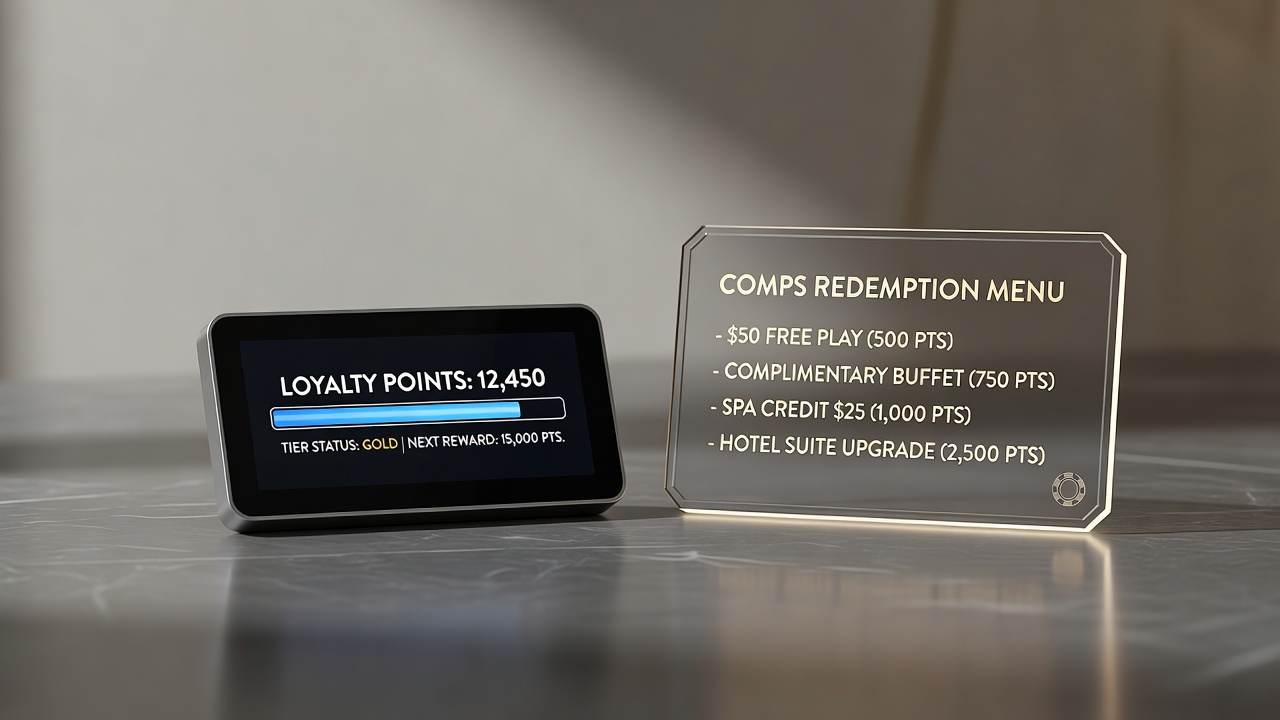
Loyalty points and comp points are not the same thing, even though casinos often use the terms interchangeably. The distinction is worth understanding because one system is transparent and the other is designed to encourage continued play.
Loyalty points are straightforward. You play five hundred dollars in table games and earn fifty loyalty points. You redeem these for cash, merchandise, or future play. The point value is fixed. The system is deterministic. You know the ratio: five hundred in play equals fifty points equals five dollars in value. You can stop playing, redeem your points whenever you choose, and walk away.
Comp points work differently. A casino watches your play, notes your average bet size and session length, and decides what value you deserve. The decision is opaque. Two players with identical spend might receive different comps because the casino evaluates risk differently. You play five hundred dollars and the casino might comp you five dollars or fifty depending on factors you cannot see.
The Behavioral Difference
Loyalty points reward you for spending. Comp points reward you for continuing to spend. The distinction sounds subtle but it changes how you feel about the casino's generosity.
With loyalty points, earning is predictable. You accrue value at a known rate. If a casino announces "earn one point per dollar," you understand the contract. You can calculate whether the promotion is worth joining. The system respects your autonomy; it gives you the information you need to make a choice.
Comp points feel personal. When a host comps you a dinner, you feel seen. The casino noticed you. The comp is a gift, not a transaction. This is by design. The psychological effect of receiving a comp differs from the feeling of earning points through a mathematical formula. Comps are relational; loyalty programs are transactional.
From a behavioral standpoint, the relational feeling of a comp creates obligation. You received something generous. You feel like a valued guest. The inclination to return and play again increases because the casino treated you well. Loyalty points create no such sentiment; they are simply payment for work.
The Financial Reality
Loyalty points are cheaper for casinos because the payout is capped. If you earn one point per dollar and each point is worth one cent, the casino costs are exactly 1 percent of handle. They can budget this. They can control the value proposition.
Comp points are unpredictable. A whale who gambles one hundred thousand dollars one weekend might receive thirty thousand in comps. Or they might receive none if the casino wants to reserve comps for retention of mid-tier players. Whale-level comps vary wildly based on negotiation and the casino's perception of need.
Mid-tier players in comp systems rarely know their real comp potential. A casino might budget one dollar in comps for every two hundred dollars wagered, but individual comps distribute unevenly. This uncertainty creates friction. Some players feel undervalued. Others feel ignored after a bad stretch. The lack of transparency breeds resentment.
Which System Is Better?
If you want clarity and predictability, loyalty points are superior. You know exactly what you get. There is no negotiation, no relationship management, no feeling of being judged. You earn your value through play.
If you are a high-value player comfortable with negotiation, comp systems offer more potential upside. A casino that wants to keep a whale will comp almost anything. Private jet flights, suites, high-end meals, show tickets. Loyalty programs cap at a percentage of handle. Comp negotiations have no cap.
For casual players, comp systems are often worse. You are low-value to the casino, so comps are minimal. You might play for months and receive nothing. Loyalty programs guarantee value at the stated rate.
The Behavioral Trap
Casinos often blend the two systems, which creates confusion. They advertise loyalty points but supplement with comps for preferred players. The message is: earn points like everyone else, but if you are valuable enough, the casino might give you extra. This creates a tier system where some players feel like first-class citizens and others feel like ordinary customers. The psychological effect is powerful and intended.
If you prefer autonomy and transparency, push for loyalty programs. If you enjoy the feeling of being valued and do not mind uncertainty, embrace comp cultures. Both work; they just work differently on your brain.
Next notes
More from #bonuses

Free Spins on Registration: How They Typically Work
A casino hands you free spins when you join. A young man from Nevada sat down and played them. By the time they were done, he understood something about generosity.
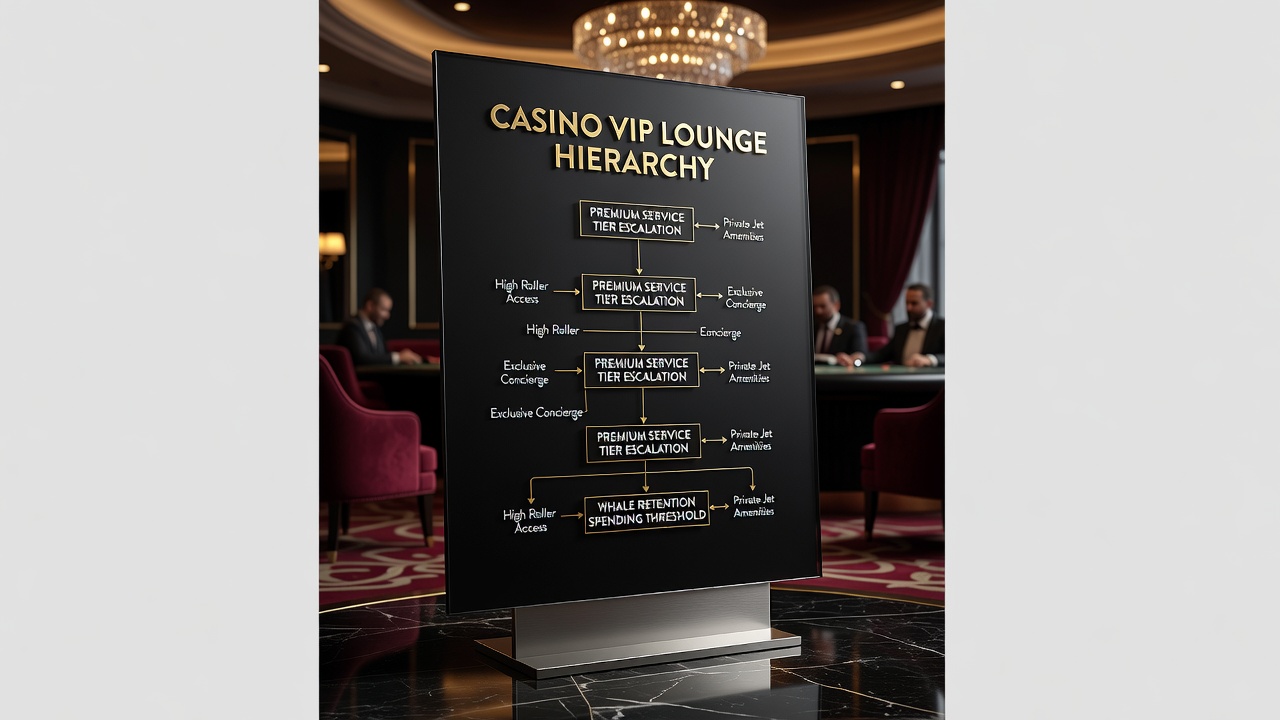
Understanding VIP Programs at Online Casinos
VIP programs are a full-court press on whale retention. The math is simple: one whale is worth a thousand casual players. The casino structures everything around not losing that whale.
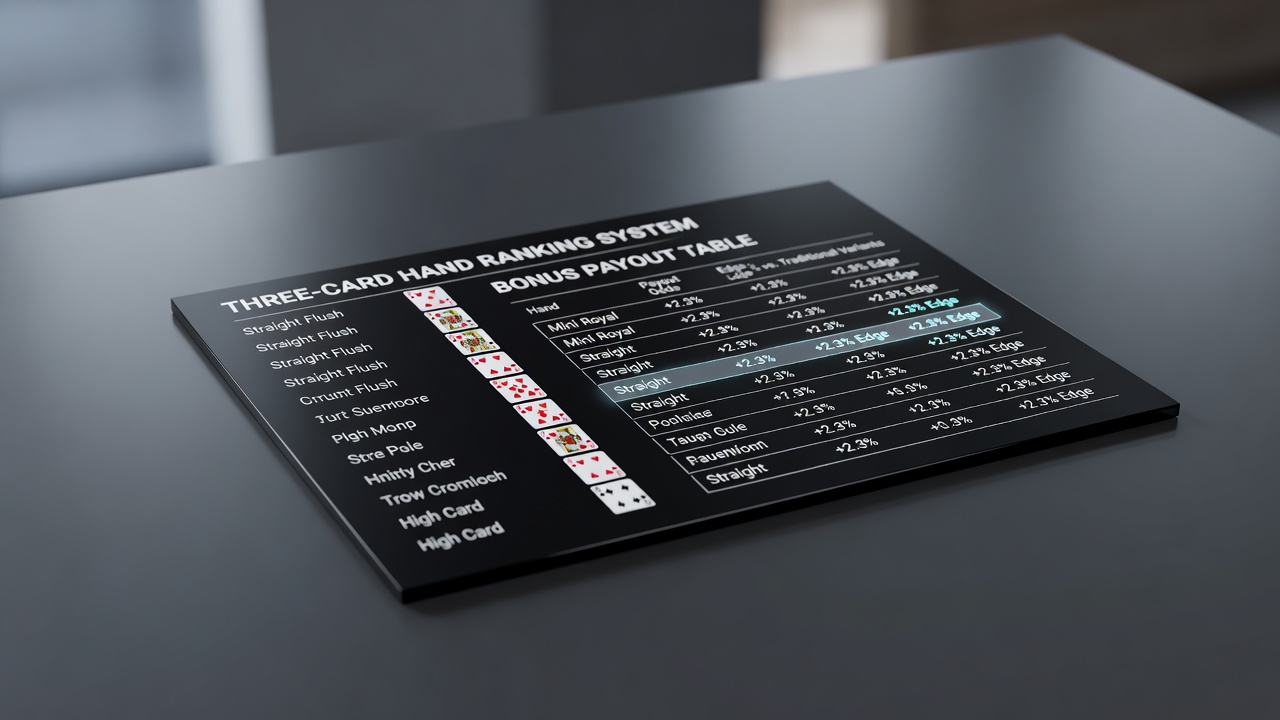
The Math of Six Card Bonus in Three Card Poker
provably fair is a tech term. but three card poker's six-card bonus? that's not provably anything. it's just a bet with a 14% house edge wrapped in shiny UI.
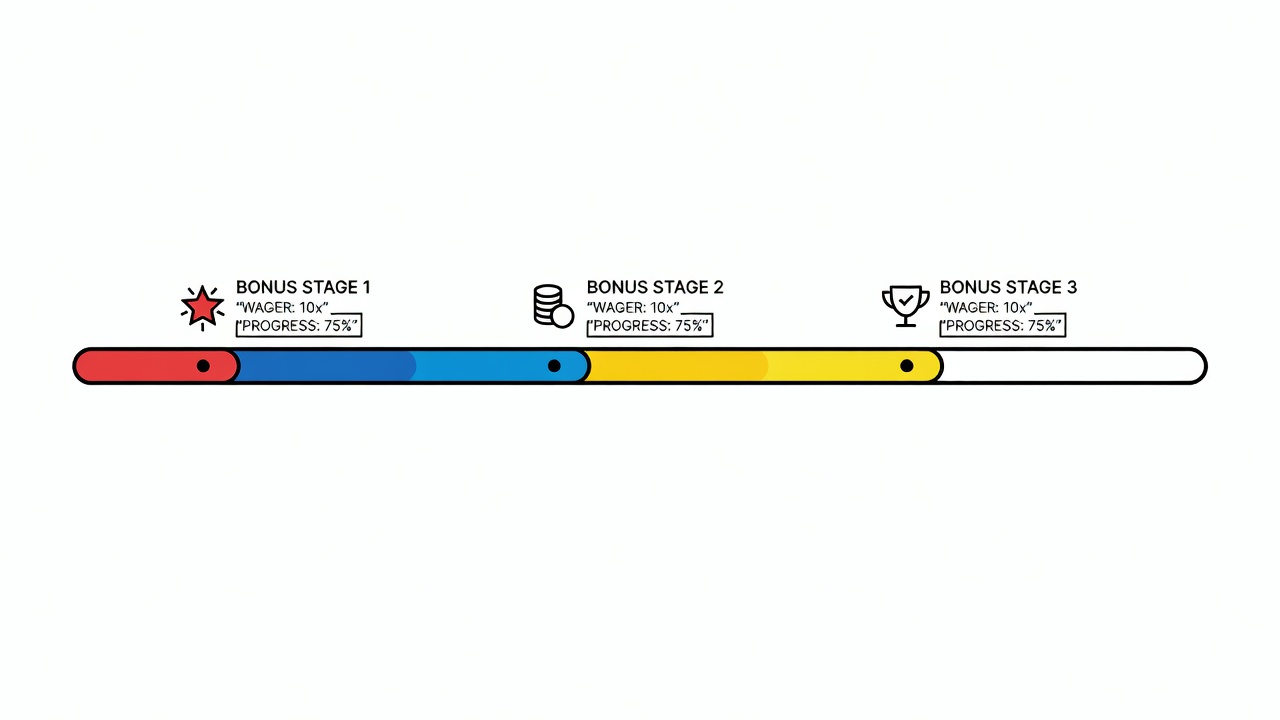
How to Track Your Wagering Progress on a Bonus
The bonus system works like traffic flow. The casino designed the space. The player moves through it. Good design makes the path invisible. Tracking your position in that path is the work.
Crypto Casino Reload Bonuses: How They Typically Work
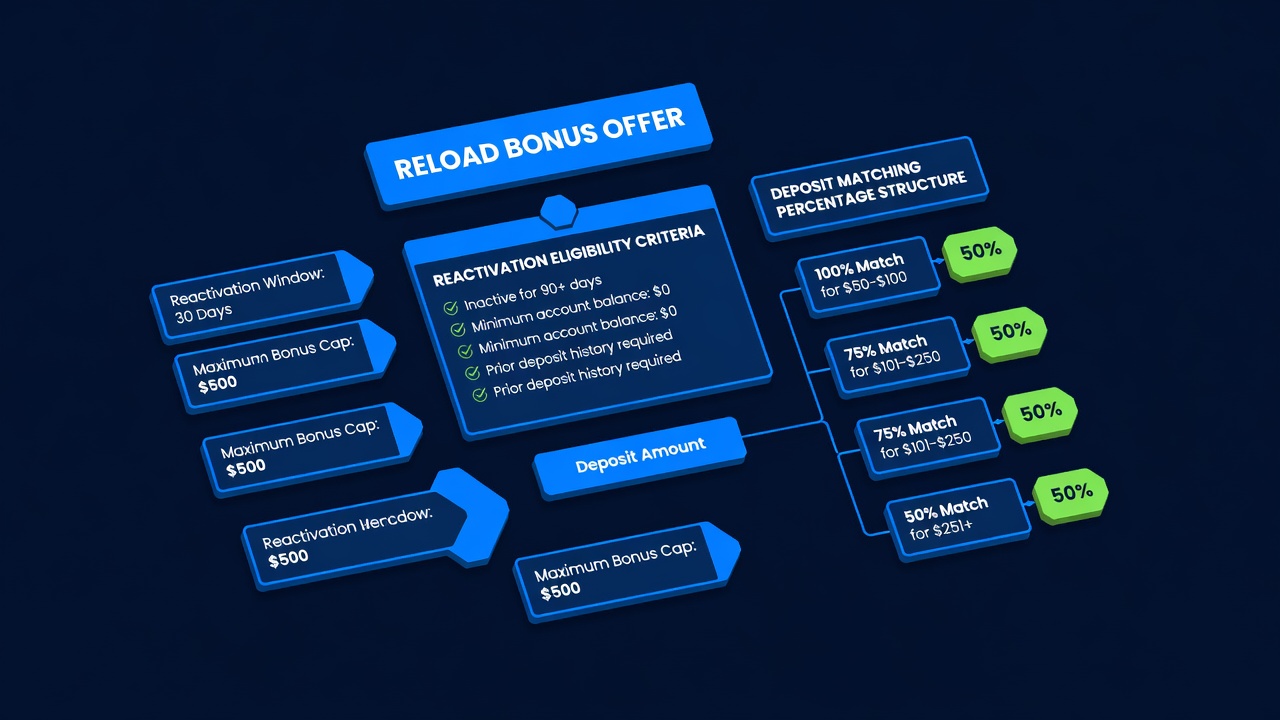
Reload bonuses are a tool to combat player churn. Casinos use them to reactivate dormant players. The mechanics are straightforward, but the value proposition depends entirely on your loss rate.

Bitcoin Lightning Network for Instant Casino Deposits
The Lightning Network emerged from a 2015 whitepaper by Poon and Dryja as a response to Bitcoin's settlement delays. Casino operators began adopting it in 2019 to solve real problems of player friction.