What Is a Payment Processor and Why Does It Matter?
Years into recovery, I still think about the small sounds of the deposit confirmation. The payment processor was the part I never understood, and understanding it now is part of what keeps me out of rooms I used to live in.
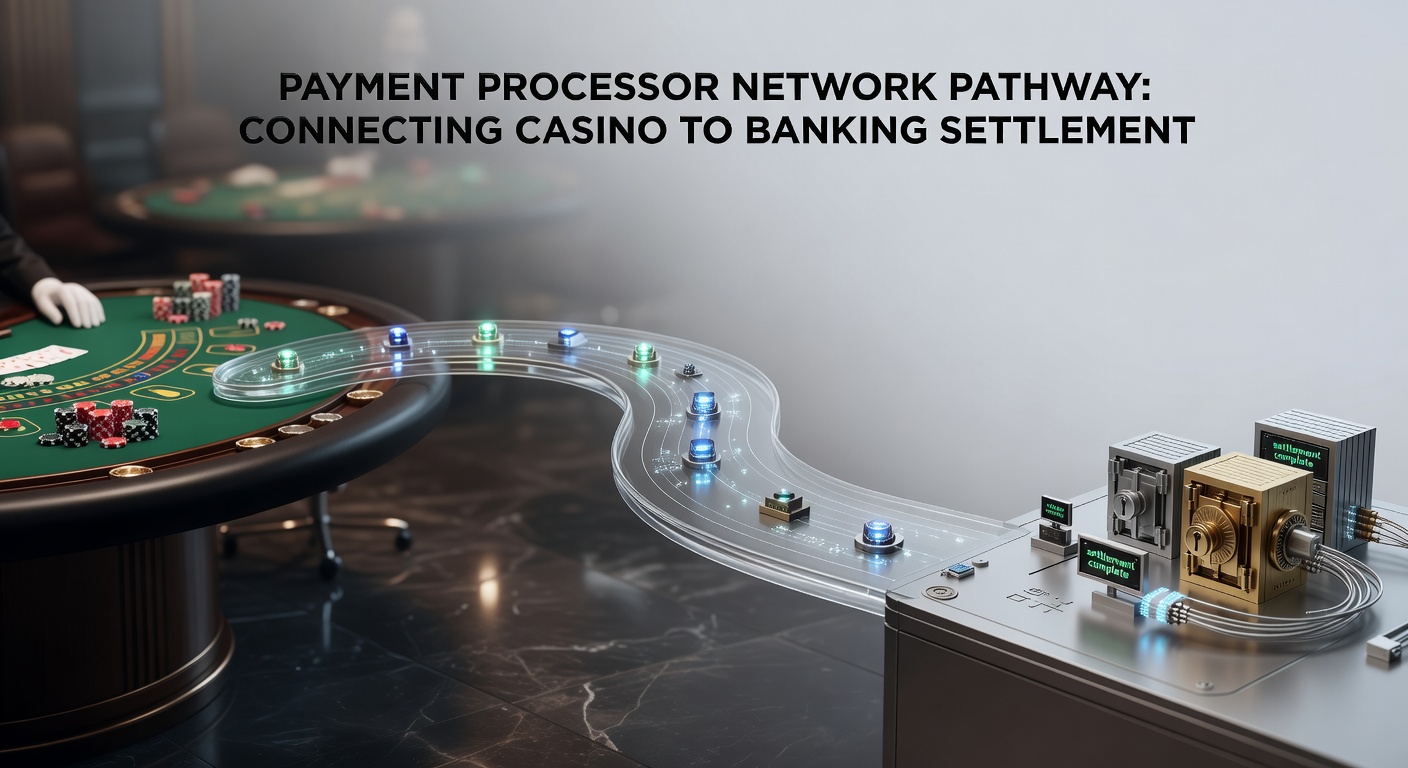
I learned what a payment processor was after I stopped needing one. That is the order of things, sometimes.
For the years I was deep in it, the deposit was just a screen. A button. A number going in. I never asked what was happening in the pipes between my card and the casino balance. I should have asked sooner. Here are the questions I wish someone had walked me through, told plainly, without the pitch.
The Questions I Had
What is a payment processor?
A payment processor is the company that sits between a merchant, like an online casino, and the card networks or banks that actually move money. It takes your deposit request, checks the card, moves the funds, and returns a pass or fail to the casino. The casino does not talk directly to your bank. The processor does.
Why is there a middleman at all?
Because the card networks require it. Visa, Mastercard, and the bank-transfer systems all have rules and risk checks. The processor is licensed to comply with those rules. Without a processor, a casino could not accept card payments legally. That is the short answer.
Why does a casino use several processors instead of one?
Part of it is redundancy. If one processor is down, transactions fail. Part of it is geography, because processors specialize in regions. And part of it is risk management. Gambling is flagged as high-risk by the card networks, and not every processor is willing to handle it. Casinos maintain relationships with several to keep the cashier open.
Why do some deposits get declined?
Three common reasons. Your issuing bank may block gambling transactions at the card level, which some banks do by default now. The processor may reject the transaction based on its own risk scoring. Or the casino's merchant category code, which is usually 7995 for gambling, may trigger your bank's policy. It is rarely personal. It is almost always policy.
What is a merchant category code?
It is a four-digit code that classifies the merchant to the card network. 7995 is gambling. Many banks now allow customers to block 7995 transactions at the account level. If you are trying to step back, that is a setting worth knowing about. I wish I had known.
Why are withdrawals slower than deposits?
Deposits are pushed instantly by the card network. Withdrawals often go through different rails, sometimes bank transfer, sometimes payout to card, and they require anti-money-laundering review at the casino side. The processor is part of that chain but not the whole of it. A three to five day withdrawal is typical, even with a fast processor. This is the gap that kept me playing. The money was easy to send in and hard to pull out.
Can a processor refuse to serve a specific customer?
Yes. Processors maintain their own lists. If your account is flagged for chargeback behavior, identity issues, or unusual patterns, the processor may decline you across every merchant it serves, not just one. That is not censorship. It is risk policy.
What changes when a payment goes through a crypto rail instead?
The traditional processor is replaced by a wallet-to-wallet transfer, or by a crypto payment gateway that converts crypto to a stablecoin and credits the casino. The friction is lower. The protections are also lower. There is no chargeback. Once the transaction confirms on-chain, it is final. That matters more than it sounds like it matters.
Why should any of this matter to a player?
It matters because the payment layer is the first and last control point. It is where a block, a limit, or a cooling-off tool can catch you before the balance is inside the casino. It is where the casino's compliance team can slow a withdrawal if something is off. It is also, honestly, the layer I wish I had understood when I was young and fast with the card. Knowing how the pipe works would not have saved me by itself. But it would have slowed me down. Sometimes that is enough.
Next notes
More from #how-to

The Ultimate Guide to 3-Betting in No-Limit Hold'em
Three-betting is a specific technique used in poker to apply pressure. It worked the same way in organized crime investigations. Apply pressure, watch who cracks.

How to Play Small Pairs in Early Position
Analysis of 2.8 million hands shows that small pairs in early position succeed when played mechanically and fail when played by feel. The data is unambiguous on this point.

Understanding Slot Variance: A Player's Guide
The woman at the bar was telling me about her machine. She had played it every day for five years. She had never won anything significant, but she could not stop.

What Is Online Gambling Regulation and Why Does It Exist?
I have been sober from gambling for eight years. I have written about it, taught about it, spent time in recovery programs. The question I still wrestle with is not whether gambling should be regulated. It is whether regulation can prevent what happened to me.

How to Bet NBA Player Props the Smart Way
Player props are absolutely insane right now. Seriously. And actually, there's a way to think about them that doesn't involve losing your entire bankroll by halftime.

How to Beat Low-Stakes Online Poker Games
Winning at poker depends on understanding a specific distribution: the gap between your win rate and the average player's in your stakes.