Why the Labouchere System Fails at Low-Stakes Roulette
The Labouchere system works until the wheel finds its teeth, which is inside thirty spins at low stakes. Here is the cold math on why it eats beginners alive, and why table limits and bankroll size make it a trap, not a strategy.
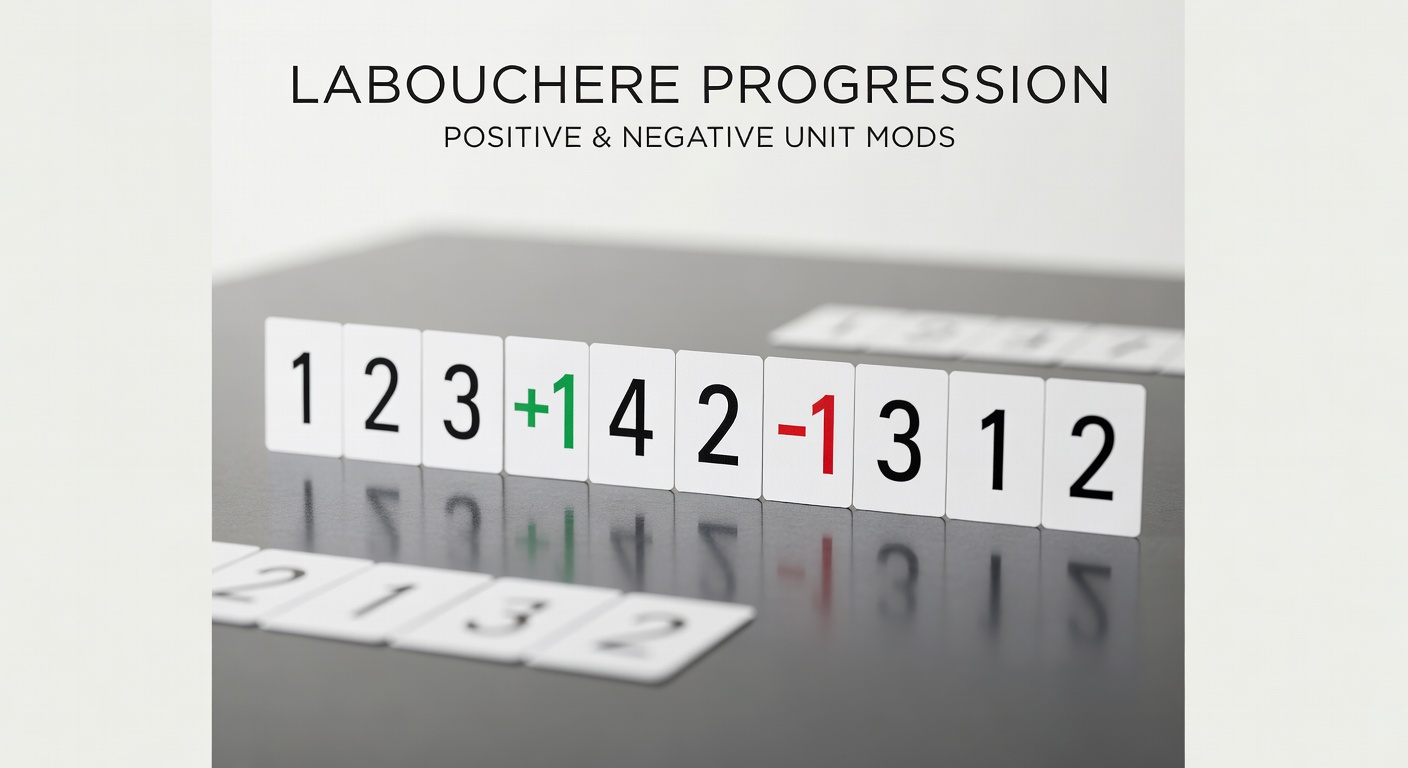
The Labouchere is a cancellation system. You pick a sequence, you add the first and last numbers, you bet that, you cross them off on a win, you append the loss to the end of the sequence on a loss. It sounds clever. It loses at low stakes faster than any other pattern play I have seen.
My thesis is simple. On a double-zero wheel, Labouchere converts small grinding wins into single catastrophic losses at a rate that makes it mathematically indistinguishable from flat betting across infinity, while making you feel like you are in control until the moment you are not. Worse than a martingale because you run out of bankroll slower, which means you run for longer before the bust.
The Mechanic and the Trap
Start sequence: 1, 2, 3, 4. Goal: win ten units. First bet, 1 plus 4, equals 5. Win, cross off. Sequence now 2, 3. Bet 5 again. Lose. Sequence becomes 2, 3, 5. Bet 7. Lose. Sequence 2, 3, 5, 7. Bet 9. Lose. Sequence 2, 3, 5, 7, 9. Bet 11.
See the problem. You started at 5 a spin, planning a ten-unit score. Four spins in, you are betting 11 to recover. You were down 23. The session has already burned through more of your stack than you projected for the whole evening. And the wheel has no memory of the previous spins.
Why Low Stakes Makes It Worse
High rollers have two defenses. They have table limits that can absorb a longer sequence, and they have bankrolls that can tolerate several full losses without a session-ending hit. Low-stakes players have neither.
A 1 to 100 table with a 50 bankroll can absorb maybe six consecutive losses on red before the sequence blows through the stack. Six consecutive losses on red happen once in about 150 spins on a single-zero wheel. If you run Labouchere for a full evening session of 300 spins, you will almost certainly hit that run. Your win rate per completed cycle is fine. Your ruin rate across the evening is close to certain.
The House Edge Is Indifferent
This is the part most system sellers skip. The house edge on even-money European roulette is 2.7 percent. On American double-zero wheels it is 5.26. That number applies to every single spin, regardless of bet size. Labouchere changes the distribution of your wins and losses. It does not change the sum. Over ten thousand spins your expectation is exactly the same as flat betting: negative, by the house edge, times total action.
What Labouchere does do is concentrate risk. It trades many small wins for one large loss. The large loss is guaranteed to come. The question is only the order in which wins and losses arrive. Variance loves this.
The Steel-Man Version
There is a reasonable reading of pattern systems. If you enjoy the discipline of a sequence and you bet small enough that a full sequence loss equals your planned entertainment budget, the Labouchere is not worse than any other play at the table. It is a structured way to burn a bankroll with the house edge applied. As a system for actually winning money at roulette, though, it is a losing proposition dressed up as cleverness.
The Dark Humor Close
Variance does not care about your notebook. The dealer does not care about your sequence. The wheel has a memory of exactly zero spins. Every Labouchere grinder I have ever watched had the same story. A good week. A good two weeks. Then one bad hour, one escalated bet, one big red number on a black spin, and the edge finally collected on everything they thought they had built up.
If you want to play roulette, flat bet and enjoy yourself. If you want to work a system at a casino, learn to count cards at blackjack and accept the backoffs. Labouchere at low stakes is neither.
Next notes
More from #roulette

How the Gambler's Fallacy Affects Roulette Players
Roulette teaches the human brain how to recognize patterns that don't exist. Understanding the design loop reveals why the game is so effective at it.
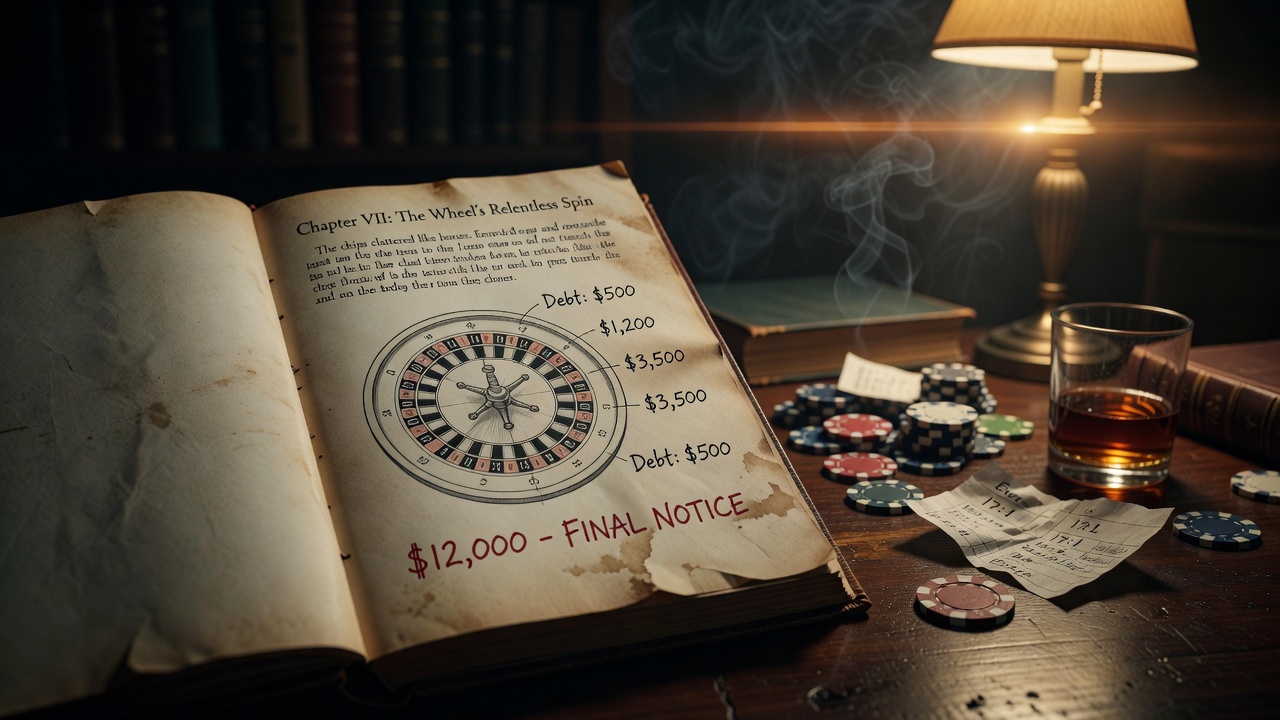
Dostoevsky's The Gambler: Roulette, Debt, and Literature
Dostoevsky spent years in debt and years at roulette tables. He wrote a novel about both. It is the greatest gambling book ever written.
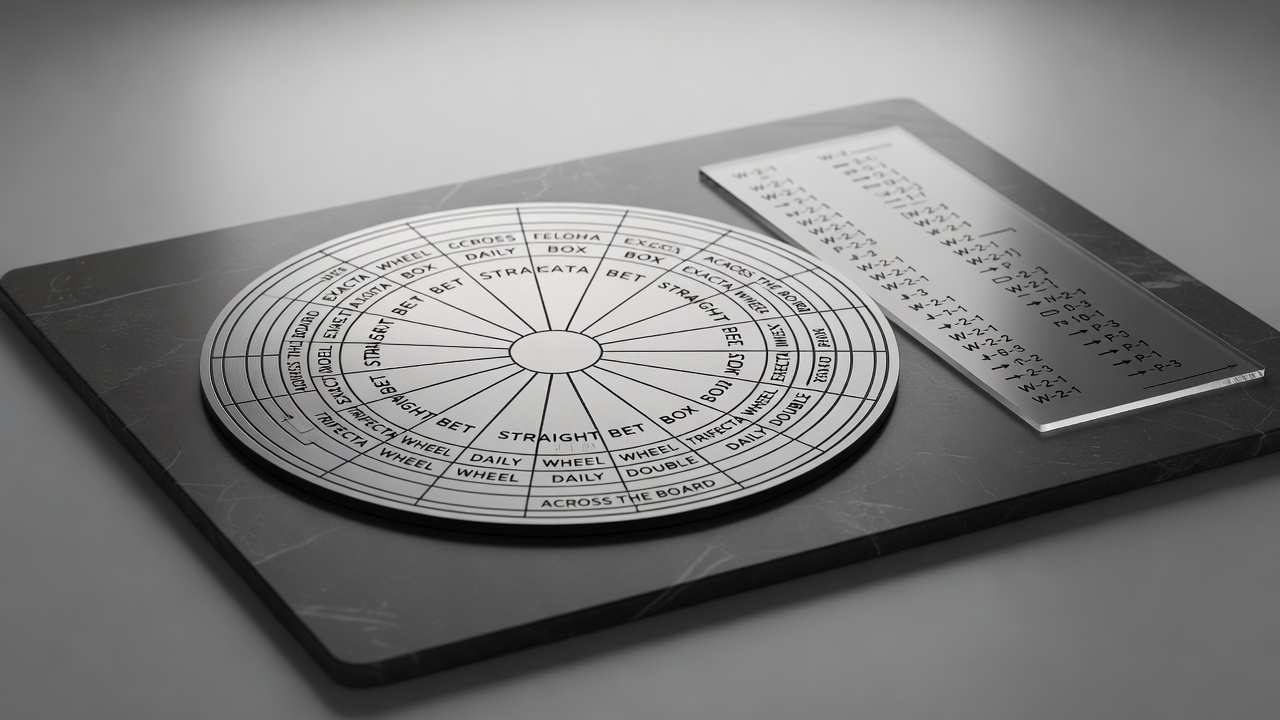
How Racetrack Roulette Layouts Work
High-limit baccarat dealers see things the regular pit does not. A racetrack layout is a language for placing bets without speaking.
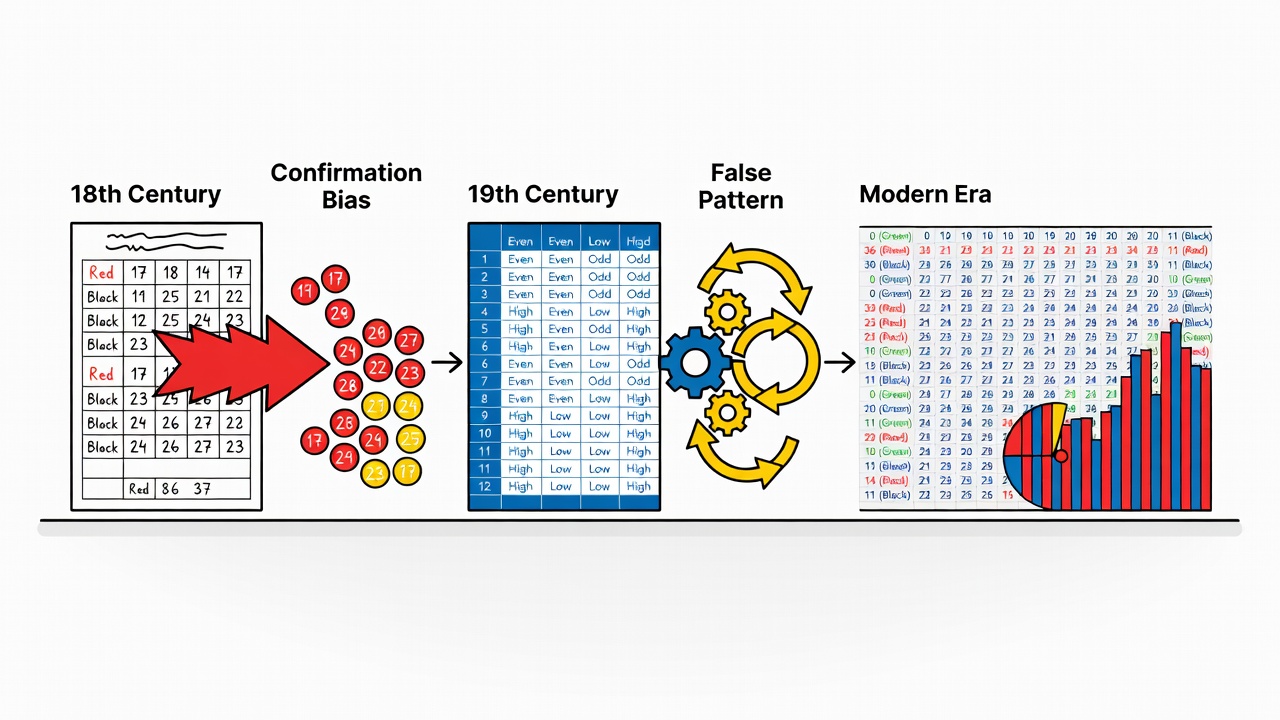
Why Hot and Cold Numbers in Roulette Are a Myth
Bettors have tracked roulette results for centuries looking for patterns in hot and cold numbers. The pattern they find is the pattern they brought to the table.

Common Mistakes New Roulette Players Make
I spent months in underground roulette rooms watching fresh players arrive with confidence and leave with lessons. The same errors repeat across every table.

The Ultimate Guide to 3-Betting in No-Limit Hold'em
Three-betting is a specific technique used in poker to apply pressure. It worked the same way in organized crime investigations. Apply pressure, watch who cracks.