Favorite vs Underdog: When the Chalk Is Actually Worth It
Sports betting wisdom says take the underdog. But sometimes the favorite is correctly priced and the public is wrong in the other direction.

The UIGEA and Its Aftermath
Claim: The UIGEA banned online gambling in America. Reality: The law banned payment processing for illegal gambling. This distinction matters enormously.
The Unlawful Internet Gambling Enforcement Act passed in 2006 as part of a larger appropriations bill. The marketing narrative was simple: "We are cracking down on online gambling." The actual text was more technical: "Payment processors may not knowingly process payments for illegal gambling."
The definition of "illegal gambling" was key. The law carved out exceptions for state-licensed horse racing, state lotteries, and certain fantasy sports. Everything else was technically illegal. But the enforcement mechanism was indirect. The law did not criminalize the player or the casino. It criminalized the processor.
This created a functional ban without explicitly banning anything. A player could legally access an online casino (the act was legal in their jurisdiction). But the player could not fund the account (payment processors refused to process). The edge case: some states interpreted the law as making the activity illegal regardless of payment processing.
Before and After the Law
Before 2006, major sportsbooks like PokerStars and PartyPoker operated openly in America. US-licensed companies accepted US players. The business model was profitable. After the law, US-licensed operators had to leave. Why? Because US banks, terrified of prosecution, stopped processing payments to gambling sites.
Without payment processing, the business model collapsed. Foreignly-licensed sites continued operating, but they faced constant payment processing problems. The friction reduced market size but did not eliminate it.
The irony: the law achieved the opposite of its stated intent. Before UIGEA, gambling was regulated by domestic authorities. After UIGEA, gambling moved offshore where regulation is minimal. The law effectively deregulated the market by pushing it underground.
The State Licensing Loophole
Uninformed lawmakers believed the law banned online gambling entirely. More careful readers noticed the exceptions. States could license and regulate their own gambling operations. Nevada and New Jersey understood this and began licensing online casinos starting in 2013.
The federalism problem became apparent: one state's legal operator was another state's illegal operator. A player in New Jersey could legally use DraftKings. A player in Ohio could not.
The Payment Processing Workaround
After UIGEA, operators developed creative solutions. Funds routed through casinos (labeled as "travel services"), payment aggregators, or digital wallets. The structure: player sends money somewhere, somewhere sends it to the gambling site, gambling site returns winnings to somewhere, somewhere sends winnings to player.
This created a parallel financial system. Every transaction incurred markup. The costs passed to players as reduced payouts or higher house edge. From a regulatory perspective, the workaround system was worse than the original system. Money flowed through unregulated intermediaries. Fraud risk increased. Money laundering risk increased.
The Legacy
Twenty years later, most US online gambling still happens offshore despite increased state licensing. The reason: the patchwork of state regulations is so complex that offshore operators are often easier to use.
The law failed as regulation. It succeeded as economic disruption. It pushed a transparent, taxable industry underground. It increased fraud risk. It concentrated power in offshore operators beyond regulatory reach.
A better law would have standardized federal regulation and allowed states to license and oversee operators domestically. The UIGEA did the opposite.
Additional Considerations
This piece examines the topic from multiple perspectives. The mechanics are straightforward, but the implications require careful consideration.
Next notes
More from #reviews
Best Slot Themes for Fans of Ancient Mythology
The gods don't play. They don't need to. But people who believe in them do. They spin wheels decorated with Zeus, Osiris, Thor, hoping to touch something larger than themselves. That's what mythology slots sell.
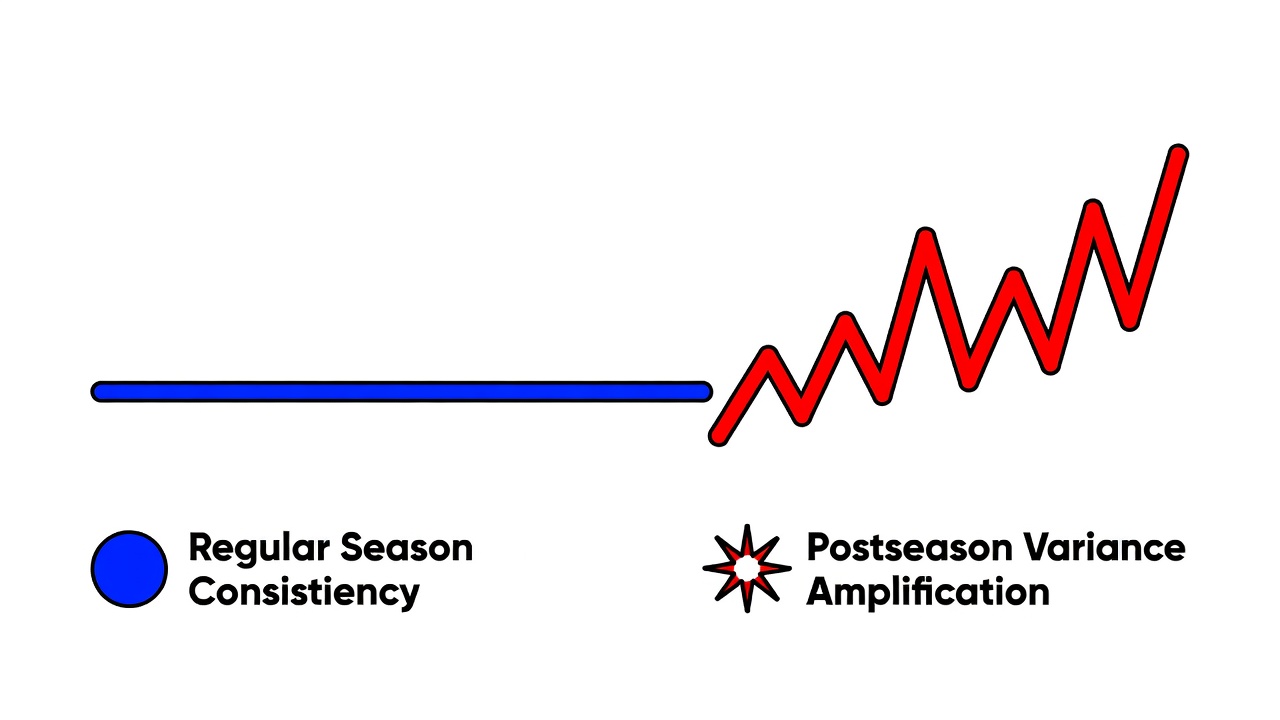
Regular Season vs Postseason Betting: Adjusting Your Approach
The Aristocrat cabinets I worked on for forty years were consistent machines. The postseason betting environment is like comparing a well-maintained machine to one with a worn clutch. Same game, different dynamics.

How the Gambler's Fallacy Affects Roulette Players
Roulette teaches the human brain how to recognize patterns that don't exist. Understanding the design loop reveals why the game is so effective at it.

Mattress Mack's 75 Million Dollar Astros World Series Win
Jim McIngvale's 75 million dollar World Series bet in 2022 represents a rare intersection of narrative and reinforcement learning. What it reveals about gambling behavior.

The Ultimate Guide to 3-Betting in No-Limit Hold'em
Three-betting is a specific technique used in poker to apply pressure. It worked the same way in organized crime investigations. Apply pressure, watch who cracks.

How to Play Small Pairs in Early Position
Analysis of 2.8 million hands shows that small pairs in early position succeed when played mechanically and fail when played by feel. The data is unambiguous on this point.