Understanding VIP Programs at Online Casinos
VIP programs are a full-court press on whale retention. The math is simple: one whale is worth a thousand casual players. The casino structures everything around not losing that whale.

Online casinos have discovered something traditional casinos knew decades ago: the high roller carries the entire profit structure. A thousand casual players betting fifty dollars monthly generate fifty thousand dollars. One whale betting fifty thousand monthly generates fifty thousand dollars from a single person. The casino's strategic choice is obvious. Protect the whale.
VIP programs are the mechanism. A player begins at Level 1. They receive basic bonuses. As they deposit and play more, they advance. Level 2, Level 3, Level 4. Each level comes with increasingly generous perks. Faster withdrawals. Higher deposit limits. Better odds on certain games. Dedicated customer service. Eventually, the whale gets a personal account manager.
The mathematics of the VIP program are inverted from what casual players think. A casual player believes the higher your level, the better your odds. Actually, it is the opposite. The higher your level, the more access you have to games that are even more profitable for the casino. The VIP is not being rewarded for loyalty. The VIP is being given more attractive ways to lose money.
How the Tiers Actually Function
VIP programs use behavioral reinforcement. Reaching the next tier requires a specific amount of wagered funds. A player tries to reach the next tier. They must gamble more to get there. The reward for reaching it is access to better promotional offers, which incentivizes more gambling. The cycle continues.
Here's the structure:
A Level 1 player has a 50 dollar monthly bonus and a ten-thousand-dollar deposit limit. A Level 4 player has a five-thousand-dollar monthly bonus and a one-million-dollar deposit limit. The bonus is higher because the player is expected to be wagering vastly more money. The casino's risk on the player is proportional to the player's stake.
- VIP programs use exclusive games and earlier access to new slots as retention mechanisms.
- A VIP player often gets slightly better odds on specific games as a percentage point or two, but still loses more in total because they play much larger volumes.
- The personal account manager is not there to help the player. The account manager is there to keep the player engaged.
- VIP programs track play patterns. If a player goes quiet, the account manager reaches out with personalized offers.
The best VIP program I've seen offered live streaming of private games for top players. Essentially, a custom poker or baccarat game being dealt just for the VIP. This creates a psychological investment. The player feels special. The player feels like the casino is bending over backwards for them. Actually, the casino is just running a more efficient revenue stream.
For the casual player, VIP programs are a trap disguised as a reward. You chase the next level. The next level requires more spending. The cycle repeats until you realize you have spent a hundred thousand dollars to reach a status that promises you better losses.
For the actual whale, the VIP program is a deal. They are going to gamble anyway. At least in a VIP program, they get comp access, better customer service, and sometimes slightly better odds. The program extracts maximum revenue from inevitable play.
Next notes
More from #bonuses

Free Spins on Registration: How They Typically Work
A casino hands you free spins when you join. A young man from Nevada sat down and played them. By the time they were done, he understood something about generosity.
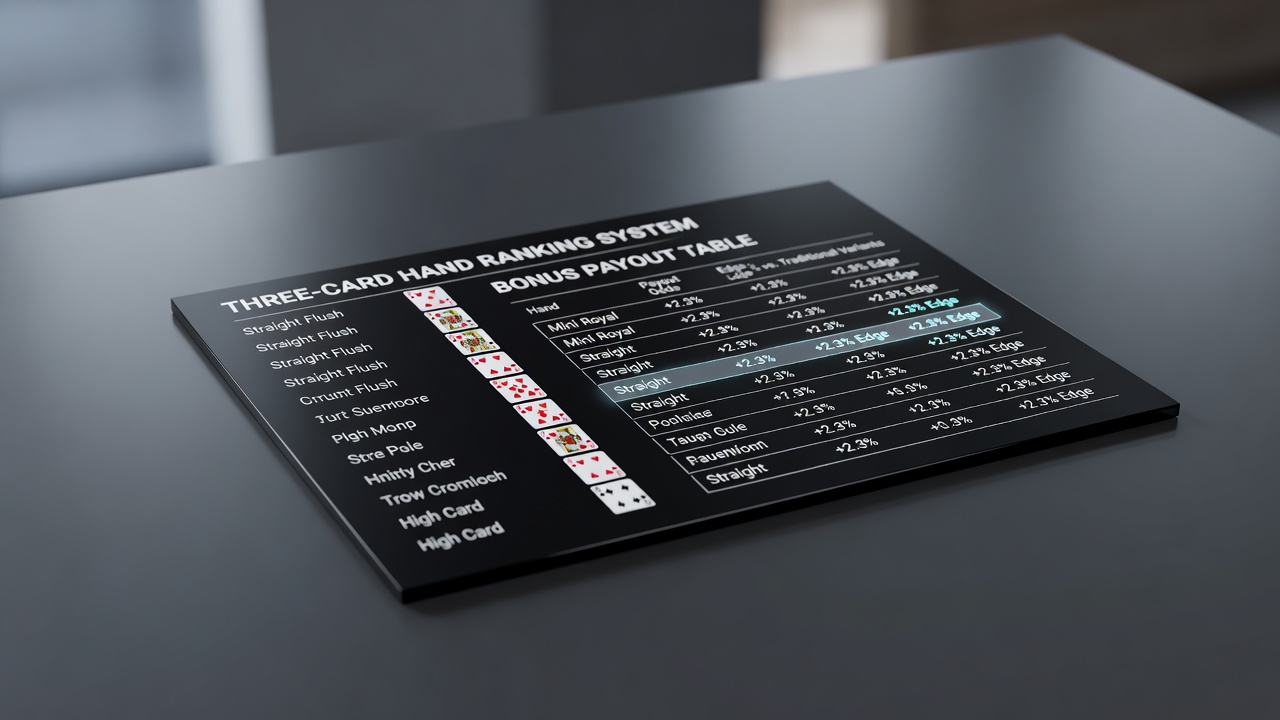
The Math of Six Card Bonus in Three Card Poker
provably fair is a tech term. but three card poker's six-card bonus? that's not provably anything. it's just a bet with a 14% house edge wrapped in shiny UI.
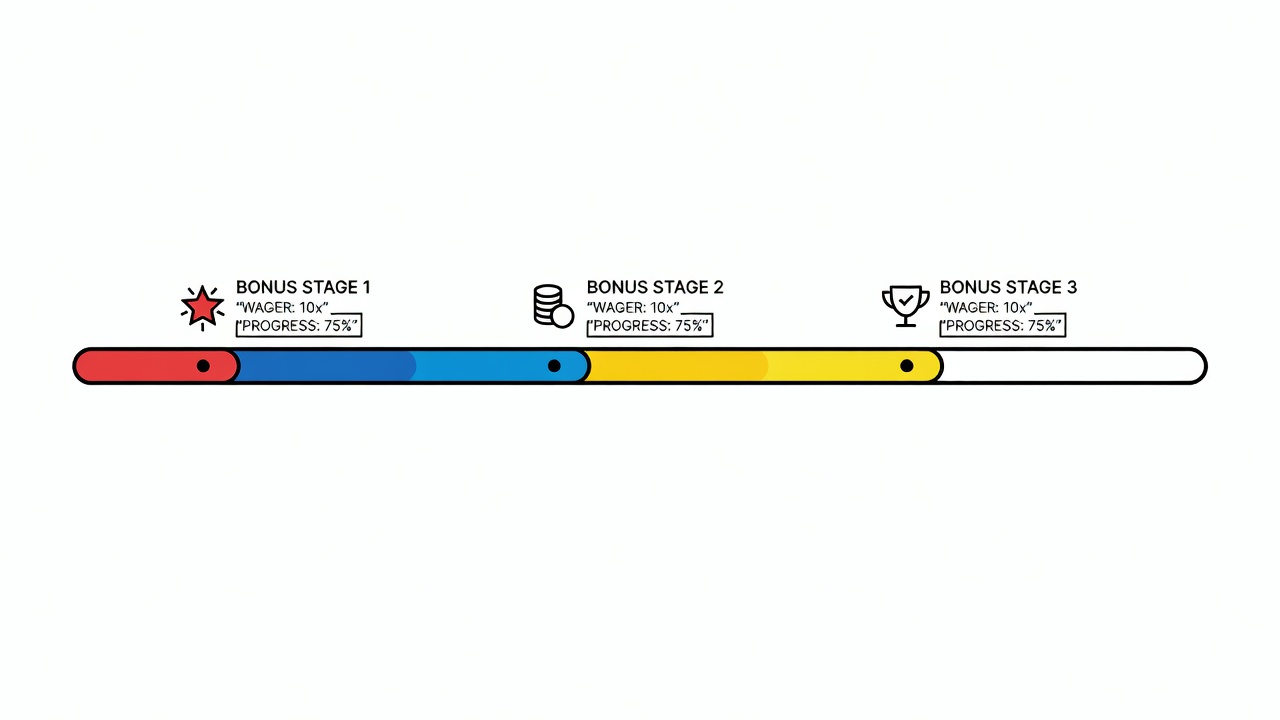
How to Track Your Wagering Progress on a Bonus
The bonus system works like traffic flow. The casino designed the space. The player moves through it. Good design makes the path invisible. Tracking your position in that path is the work.
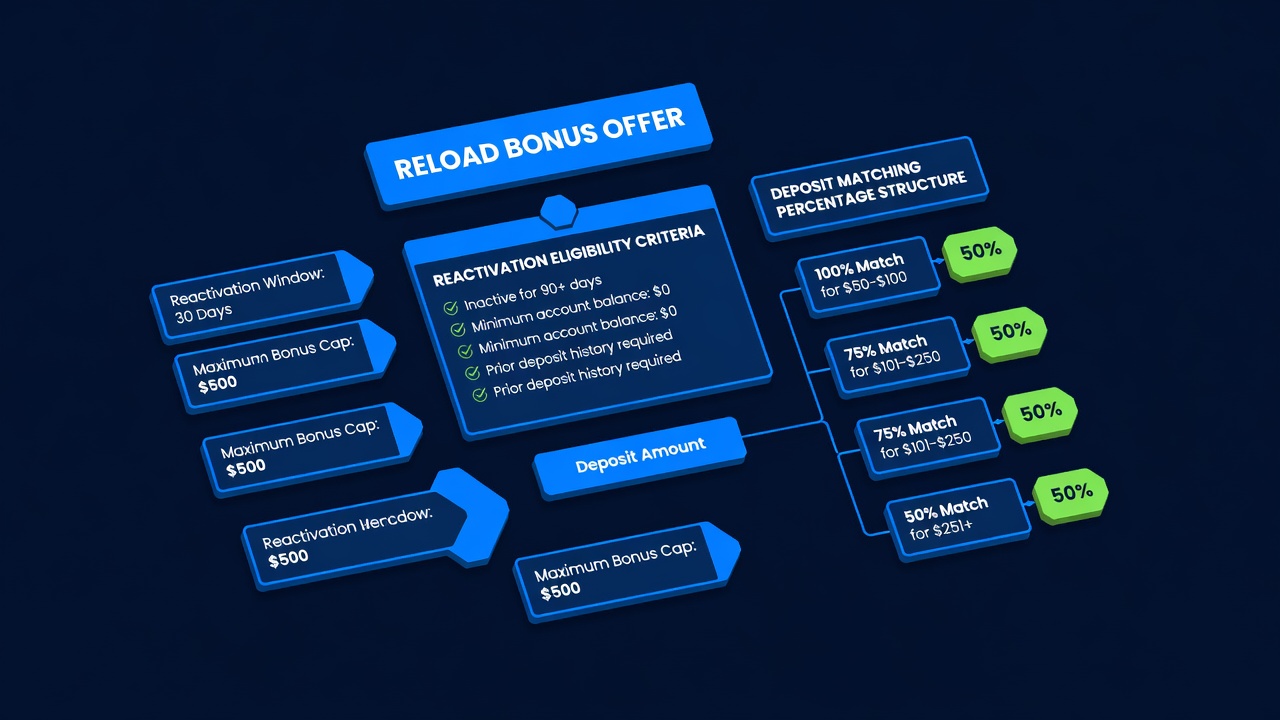
Crypto Casino Reload Bonuses: How They Typically Work
Reload bonuses are a tool to combat player churn. Casinos use them to reactivate dormant players. The mechanics are straightforward, but the value proposition depends entirely on your loss rate.

Bitcoin Lightning Network for Instant Casino Deposits
The Lightning Network emerged from a 2015 whitepaper by Poon and Dryja as a response to Bitcoin's settlement delays. Casino operators began adopting it in 2019 to solve real problems of player friction.

Prepaid Cards for Casino Deposits: How They Work
A prepaid card is a financial instrument regulated under specific jurisdictional frameworks. The operator loads funds, the player spends them. The regulatory structure determines permissibility.