Kirk Kerkorian: The Quiet Billionaire Who Built Vegas Three Times
Kirk Kerkorian understood a fundamental truth about Las Vegas: the game is real estate, not gaming. Gaming is the excuse that gets people into the buildings.
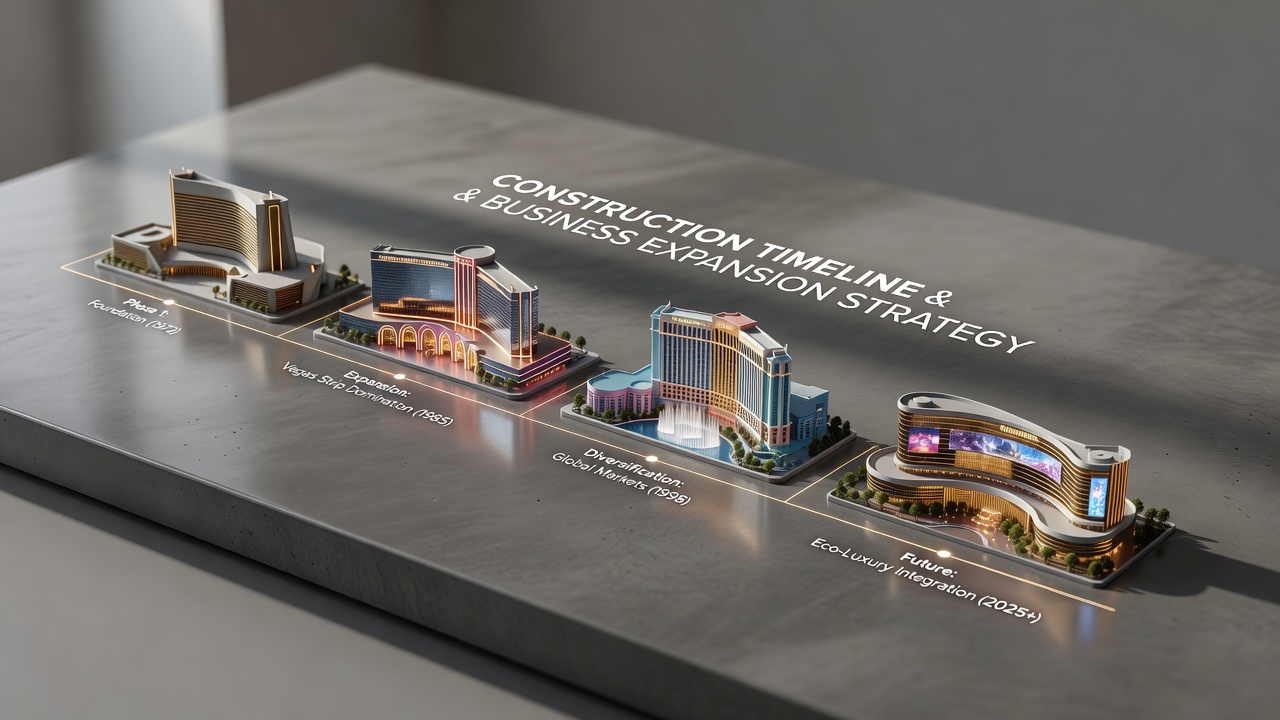
Kirk Kerkorian's Impact on Vegas Real Estate
Kirk Kerkorian understood a fundamental truth about Las Vegas: the game is real estate, not gaming. Gaming is the excuse that gets people into the buildings. Real estate is the actual business.
Kerkorian arrived in Las Vegas with helicopter money and movie studio ambitions. He bought controlling interest in MGM, the movie studio. The studio was dying. Los Angeles entertainment was fragmenting. Kerkorian saw the property value and the opportunity to transform movie assets into casino assets.
MGM Grand opened in 1973 as the largest hotel casino in the world. The scale was intentional. The formula was capacity over luxury. The building contained 2,100 rooms, 120,000 square feet of casino floor. Every structural choice maximized occupancy and turnover.
Kerkorian believed in scale economics. Build big, fill the rooms, extract margin through volume, not spectacle. The Grand was functional. It was not beautiful. The carpets were chosen for durability, not aesthetics. The slot machines were packed tightly. The buffet was efficient, not gourmet.
The market validated this approach. Tourists came to Las Vegas seeking volume, seeking access to gaming, seeking room affordability. The Grand provided all three. Kerkorian captured margin through sheer scale.
The International and Strategic Buying
Kerkorian also owned the International (later the Las Vegas Hilton). He bought it, sold it, then bought it back. The pattern was pattern: identify opportunity, acquire the asset, improve operations, hold or sell at premium.
The International was different than the Grand. It was positioned as a luxury property. Elvis Presley performed residencies there. The positioning attracted higher-margin customers.
Kerkorian understood portfolio construction. Run the Grand for volume. Run the International for margin. Different properties, different strategies, different customer bases, aggregated profit.
Bellagio and the Luxury Pivot
Kerkorian's third major build was Bellagio, which opened in 1998. He hired Steve Wynn as designer. Wynn's vision was luxury. The fountains were architectural statement. The fine dining was five-star. The art collection was museum-quality.
Bellagio was expensive to build and expensive to operate. But the customer paid premium prices. A room at Bellagio commanded 40-60% premium over the Grand. A meal at Bellagio commanded similar premium. The margin per customer was higher even if absolute customer count was lower.
Kerkorian funded the vision. Wynn executed it. The partnership worked. Bellagio became the most profitable casino in Las Vegas for roughly a decade.
The Larger Pattern
The three builds show pattern evolution. The Grand built in an era of mass tourism seeking volume. The International served a customer base increasingly wealthy. Bellagio emerged when Las Vegas repositioned from budget destination to luxury destination.
Kerkorian followed the market. He did not create it. But he understood what each era wanted and he built to satisfy that want.
He made billions through discipline, patience, and attention to real estate fundamentals. The gaming license was necessary but not special. The real asset was the land and the buildings on the land.
The Outcome
Kerkorian died in 2015. His company MGM Resorts survives and still operates the properties he built. The formula persists. The company is profitable. The formula works because the formula is based on real estate mathematics, not gambling innovation.
The lesson: focus on what actually generates profit. In Las Vegas, that is real estate. The gaming is incidental.
Next notes
More from #famous-players

Richard Marcus: The Infamous Past-Poster and Casino Cheat
Richard Marcus spent his life buying possibilities, not just in the lottery, but in the spaces between rules where people aren't looking.

Allen Iverson's Casino Bans: What the Reports Actually Say
Public records from Nevada gaming authorities show Iverson was excluded from casinos in 2012. The reasons were never fully disclosed, but the timeline reveals something about how exclusion actually works.

Wayne Newton's Vegas Legacy and Casino Residencies
The entertainer spent more time in Las Vegas than most residents. Here's what his residency model tells us about casino hospitality architecture.
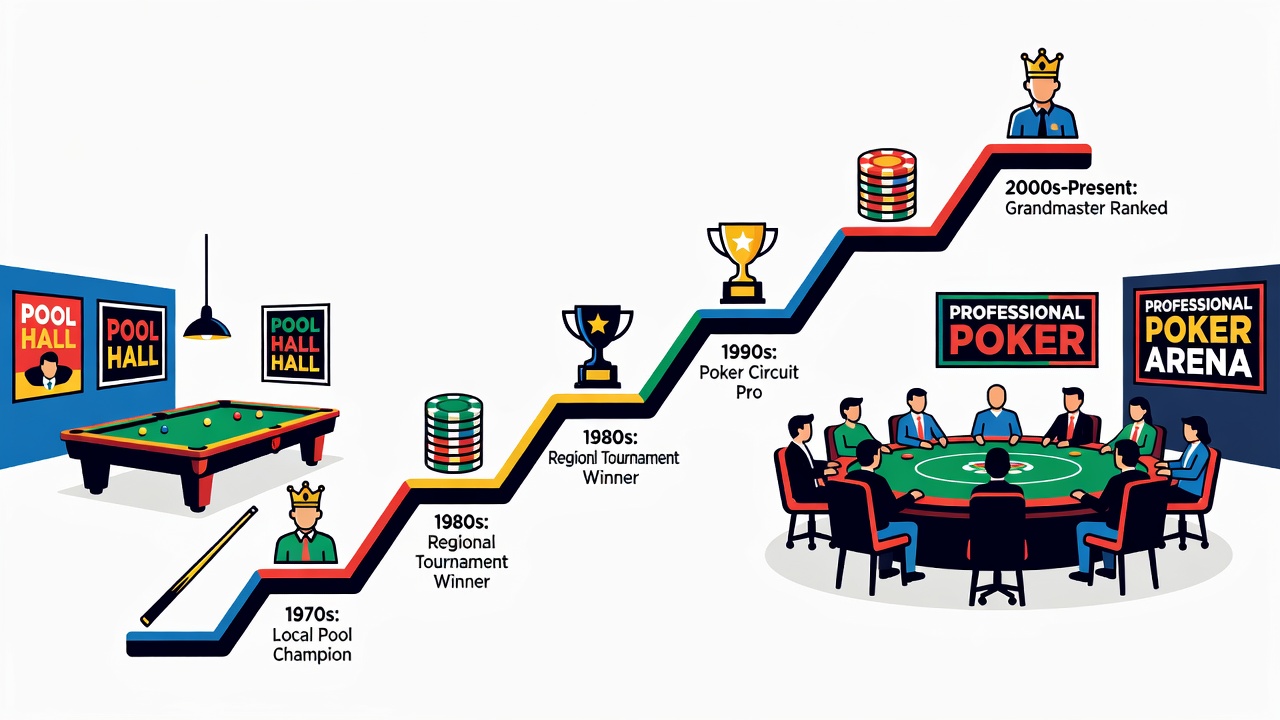
Daniel Negreanu: From Toronto Pool Halls to Poker Royalty
Daniel was shooting pool in Toronto in the early 1990s. Made maybe forty grand a year. By 1997, he'd figured out poker. By 2000, he was beating the best players in the world. That's a ten-year arc from regional operator to world-class grinder.
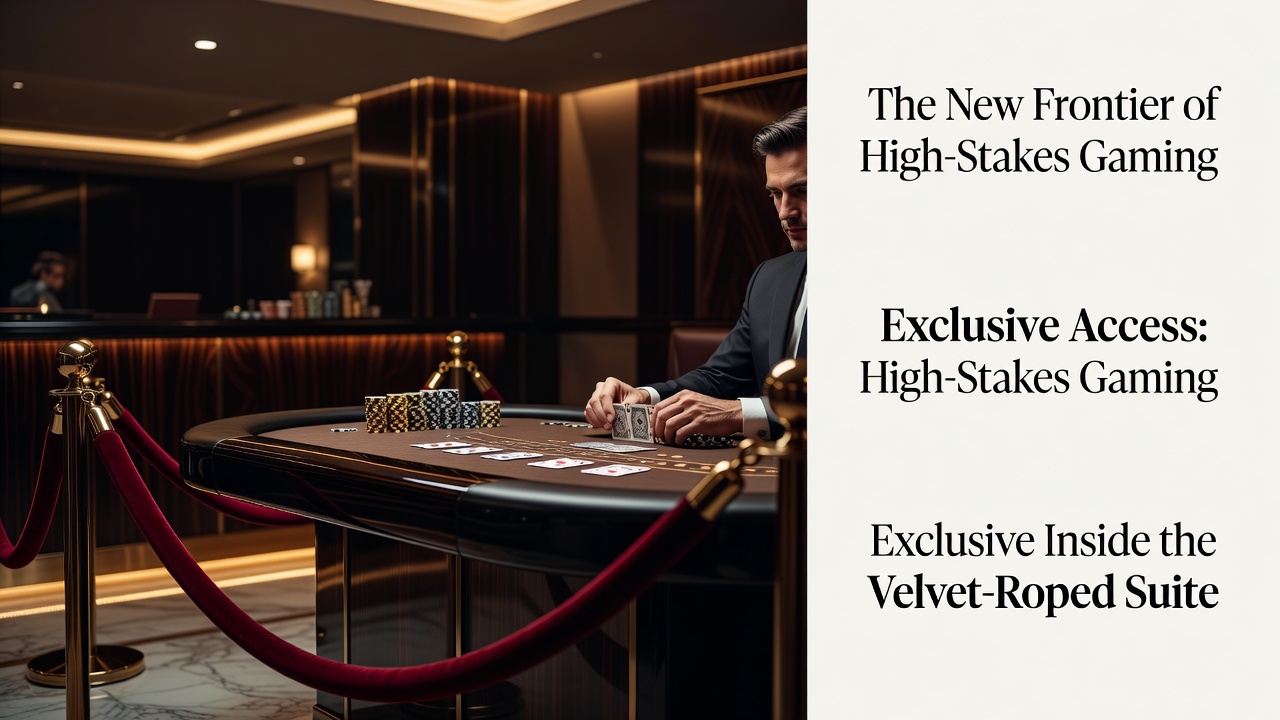
Tiger Woods and the High-Stakes Blackjack Tables of Vegas
Between 2000 and 2009, Tiger Woods was frequently photographed entering the casinos of Las Vegas. Public records show he gambled in private high-limit rooms. The amounts are documented. The outcomes are not.

Omar Sharif: Bridge Champion and Hollywood's Greatest Card Player
Omar Sharif was a world-class bridge player and a serious gambler. His career in gambling reveals something about the gap between Hollywood and the card room floor.