How to Buy Stablecoin: Issuer Minting vs Exchange Routes
Tether's direct route starts at 100,000 USD and Circle Mint shuts out individuals. What buying USDT or USDC on an exchange means for players.
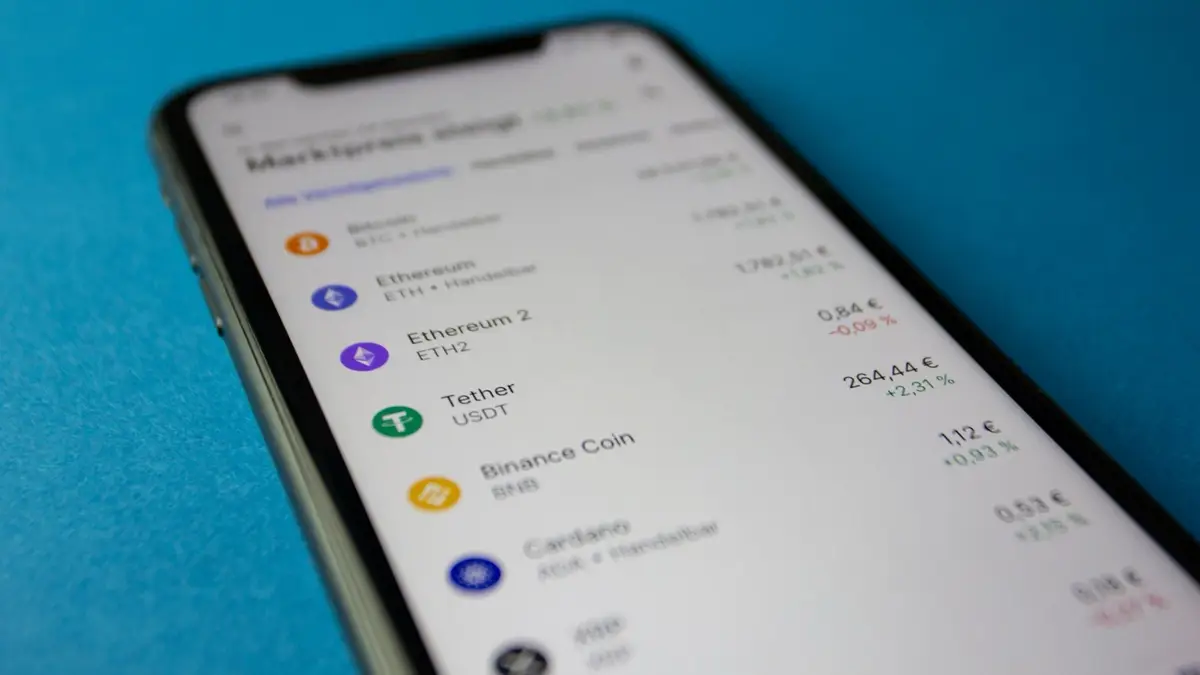
Photo: Shutter Speed on Pexels
If you want to know how to buy stablecoin as a regular player in the U.S., the short answer is: through an exchange or an app, not from the issuer. Tether and Circle both run a direct route where new tokens are minted against dollars, but it is built for institutions. Everyone else buys USDT or USDC that already exists, from a platform that sets its own price and fees.
That split matters more than which app you pick. It decides who you can sell back to, what a round trip costs, and whose promise actually stands behind the dollar in your casino wallet.
Minting from the issuer or buying on a secondary market?
A stablecoin reaches a buyer in one of two ways. Either the issuer creates new tokens in exchange for dollars (minting), or you buy tokens that already exist from an exchange, broker or another holder (the secondary market).
The issuer route is where the peg is anchored: the accounts that can send dollars in and redeem tokens back out at face value are what keep the market price close to one dollar. Our note on depeg meaning and why coins slip covers what happens when that link weakens. For buying, the point is simpler. The issuer route exists, but most of us can't use it.
| Issuer route (mint and redeem) | Secondary market (exchange or app) | |
|---|---|---|
| Who can use it | Accounts the issuer verifies | Anyone the platform onboards |
| Tether (USDT) | 100,000 USD minimum, 0.1% to acquire | The platform's own fee schedule |
| Circle (USDC) | Circle Mint only, not individuals | Exchanges and Alliance onramp providers |
| Redeem with the issuer | Yes, with fees | No, you sell to the platform or a buyer |
What does buying stablecoin directly from Tether cost?
As of October 2026, Tether's direct route has a minimum of 100,000 USD per acquisition or redemption, according to Tether's published fee schedule. Acquiring tokens costs 0.1%, and redeeming them costs the greater of $1,000 or 0.1%.
Before any of that, there is an entry ticket. Tether lists an account verification fee of 150 USD, paid in Tether tokens and non-refundable, though it can count toward a later redemption. Approval is at Tether's discretion, so paying it does not guarantee an account.
The redemption fee is the number players rarely see. At the minimum size, the flat $1,000 floor is what applies, not the percentage, which only takes over on very large redemptions. None of this reaches a player buying a few hundred dollars of USDT, and that is the point: retail USDT always comes through someone who holds a Tether account.
Can I buy USDC directly from Circle?
No. Circle states that its Mint route excludes individuals and small businesses. Startups and small businesses are pointed to on and offramp providers in Circle's Alliance Program instead.
Redemption follows the same line. Under the USDC terms, redeeming needs a Mint account, and a holder who is not eligible to open one is not entitled to redeem with Circle. When you sell USDC, you are selling it to an exchange or another user, not handing it back to the issuer for a dollar.
Where to buy stablecoin as a regular player
For anyone without an institutional account, where to buy stablecoin comes down to an exchange, a broker app or a wallet with a built-in onramp. You pay dollars, the platform hands over USDT or USDC from its own inventory, and its fee schedule decides what the trade cost you. We can't give one universal figure, because each platform sets its own price rather than the issuer. Read the quote screen for the fee and for the rate you are getting against one dollar.
Converting back can carry a fee too. Coinbase said it would charge a fee on large USDC to dollar conversions: 0.1% on net conversions above $5 million. That threshold sits far above a typical player's balance, but it shows the trip back to dollars is priced by the platform, not promised free by the issuer.
How do stablecoins work once they reach your wallet?
USDT and USDC are tokens that live on blockchains such as Ethereum, each backed by an issuer's promise to redeem for a US dollar. That promise runs directly only to account holders who can redeem; everyone else relies on those holders keeping the market price near a dollar.
For a casino balance, that means two practical checks. Send on the network the cashier lists for the coin, and know which coin a game actually settles in. If you play crypto jackpot slots funded in stablecoins, the prize is only as steady as the coin it is paid in. On the operator side, our hub on the stablecoin payment gateway from wallet to dollars follows what happens to a deposit after it leaves you, and the wider Stablecoins channel collects the rest of our notes.
Questions players ask
How can I buy stablecoins?
Through an exchange, broker app or wallet onramp that sells USDT or USDC it already holds. The issuers' own mint routes are built for institutions, so a regular player buys on the secondary market and pays that platform's fees.
Can I buy USDC straight from Circle?
Not as an individual. Circle Mint, the direct route, excludes individuals and small businesses, and only Mint account holders can redeem USDC with Circle.
Can I redeem USDT with Tether myself?
Only with a verified Tether account, which Tether approves at its own discretion, and the direct route has a six-figure minimum. Most holders sell USDT on an exchange instead.
What is a stablecoin and how does it work?
It is a token, usually on a network such as Ethereum, that its issuer promises to redeem for one US dollar. The market price stays near a dollar as long as the direct mint and redeem channel keeps working for the holders allowed to use it.
Where this comes from
- Tether Operations, Tether fees, accessed 2026-10-30
- Circle, USDC: the leading digital dollar, accessed 2026-10-30
- Circle, USDC Terms, accessed 2026-10-30
- Cointelegraph, Coinbase to levy 0.1% fee for USDC to US dollar swaps over $5M, 2025-08-07
Related notes
More from #stablecoins, then the newest

GTA Shark Card Value: A Currency With a One-Way Door
Dollars go into GTA$ and never come back out. Rockstar can change the rate and refunds nothing. How that differs from a stablecoin's redeemable peg.
Stablecoin Cross Border Payments: Each Leg Priced vs a Wire
Stablecoin transfers are cheap on chain and costly at the fiat edges. We price on-ramp, chain hop and off-ramp against a wire and the 6.36% remittance average.
Stablecoin Payment Gateway: From Wallet to Settled Dollars
How a stablecoin payment actually settles: Stripe's 10,000 USD cap, final once the chain records it, no chargebacks, refunds back to your wallet as tokens.
Do Penny Slots Still Exist? Yes, but Not at 1 Cent a Spin
Nevada still reports 1 Cent slots as their own category. The one-cent spin is another story: forced lines push the cheapest bet to 40 cents or more.