
GTA Shark Card Value: A Currency With a One-Way Door
Dollars go into GTA$ and never come back out. Rockstar can change the rate and refunds nothing. How that differs from a stablecoin's redeemable peg.
A stablecoin is a crypto token built to hold a steady value, almost always one US dollar. The big ones, such as USDT and USDC, are issued by companies that say they hold reserves (cash, Treasury bills and similar assets) to back every token in circulation. For players, stablecoins are the way to fund play from a wallet without the balance swinging with the crypto market.

Dollars go into GTA$ and never come back out. Rockstar can change the rate and refunds nothing. How that differs from a stablecoin's redeemable peg.

Stablecoin transfers are cheap on chain and costly at the fiat edges. We price on-ramp, chain hop and off-ramp against a wire and the 6.36% remittance average.
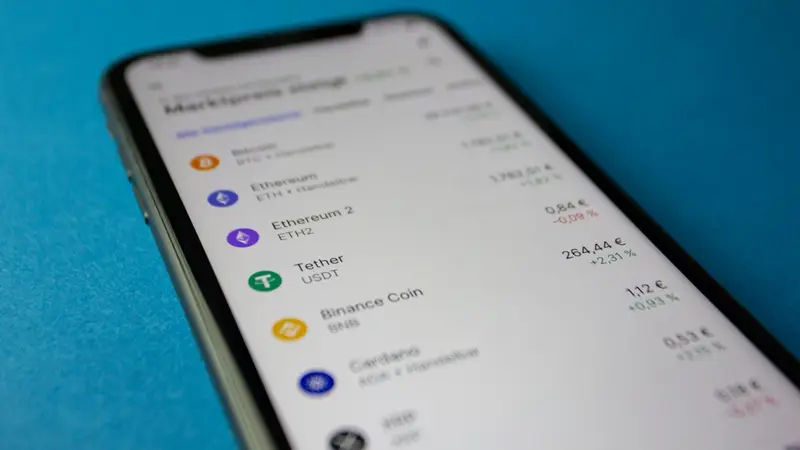
Tether's direct route starts at 100,000 USD and Circle Mint shuts out individuals. What buying USDT or USDC on an exchange means for players.
How a stablecoin payment actually settles: Stripe's 10,000 USD cap, final once the chain records it, no chargebacks, refunds back to your wallet as tokens.
Through redemption. The issuer promises to swap tokens for dollars, and dollars for tokens, at one to one. If the market price drops below a dollar, large holders can buy cheap tokens and redeem them for a full dollar, which pushes the price back up. That only works if the reserves are really there and redemption keeps working. Most ordinary wallet holders cannot redeem with the issuer directly: they rely on exchanges and traders who can.
No. Fiat-backed coins hold cash and short-term government debt. Crypto-backed coins hold more crypto than they issue, locked in smart contracts. Algorithmic designs tried to hold the peg with code and incentives alone, and some failed badly. The backing decides what can break, so it is the first thing we look at.
From your wallet, on a specific chain, to an address the casino or payment processor controls. Once the chain records it, the transfer is final: there are no chargebacks. The receiving side may keep the tokens or convert them to dollars through a processor. Refunds, where they happen, come back as tokens to a wallet. The same token can live on several chains, so the network you send on must match the one the address expects.
We read issuer reserve reports and terms, processor documentation and regulator notices, and we put dates on every number. We try to explain the mechanics without a jargon wall. Nothing here is investment advice.
Read stablecoin payment gateway: from wallet to settled dollars, which walks a payment end to end. For what happens when the peg slips, see our depeg hub.