Birthday Bonuses at Casinos: A Common Loyalty Perk Explained
A casino sends you an email: 'Happy Birthday! Enjoy a free $50 credit.' It feels personal. It is not. It is perfectly calculated.
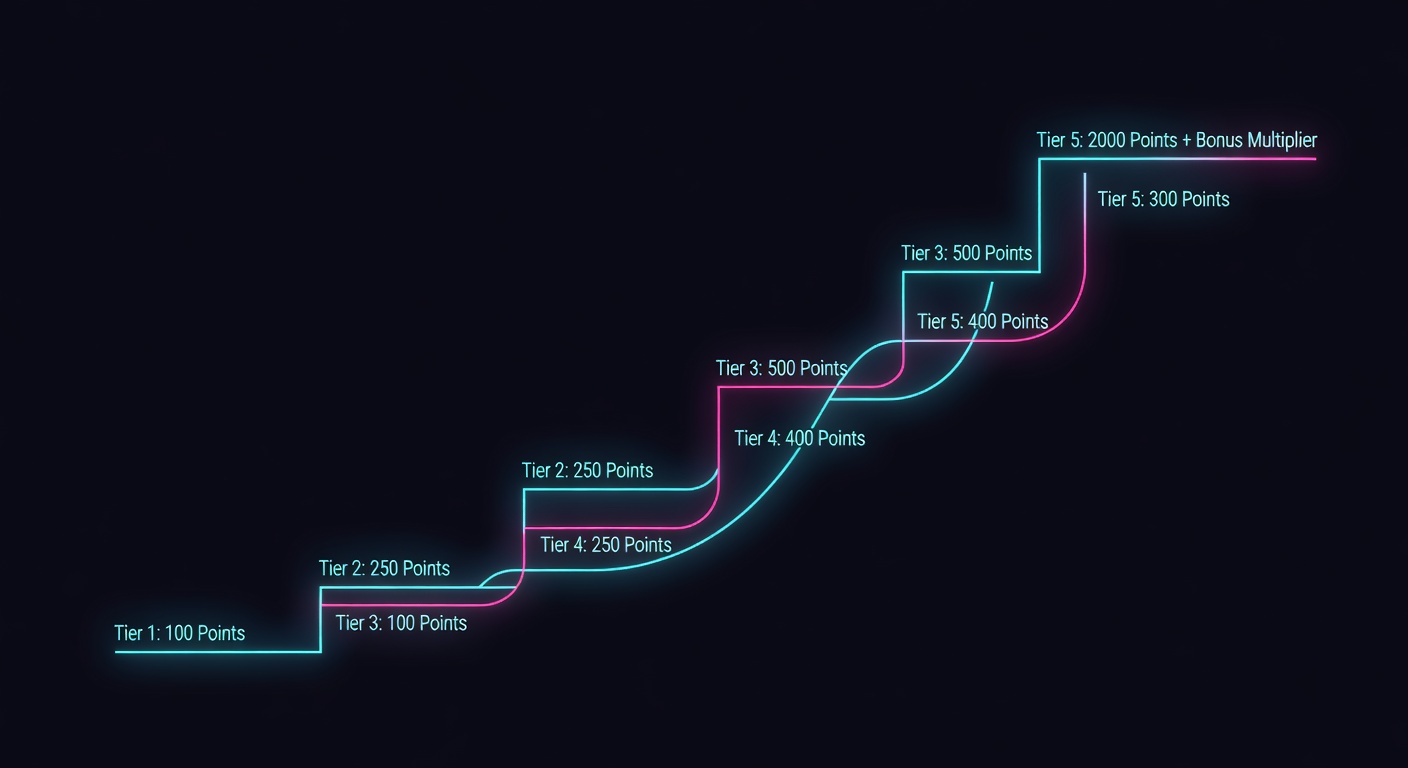
The casino knows when you were born. They know your first deposit date, your last withdrawal, your preferred game. They know your account is dormant except for your recurring Thursday visits.
On your birthday, they email you $50.
Why? Because they calculated that $50 is the minimum required to bring you back that month. Less than $50, and you're not worth the effort. More than $50, and the math doesn't work. It's exactly $50.
The Mechanism
Birthday bonuses are loyalty mechanics, not gifts. Loyalty mechanics are designed to activate dormant players and prevent defection during off-peak periods.
You've been less active. Your engagement has declined. But your account is still active, which means you're vulnerable to recruitment by competitors. A competitor sends you a welcome-back offer. You consider switching.
The casino intercepts this by offering a birthday bonus. The timing (your birthday) and the personalization (your name, your face, the congratulation) make it feel special.
The math behind it: you're worth $150 in lifetime value. A $50 bonus that brings you back for one session generates $50 in expected play action. If you lose 2% to the house (typical), that's $1 to the house. The casino invests $50 to protect a $150 customer. The math is sound if retention is successful.
The Playthrough Requirement
Most birthday bonuses come with a playthrough. Play the $50 bonus amount 15x. That's $750 in total action.
You probably lose roughly $15 to the house (2% of $750). You think the casino lost $35 on the bonus. They didn't. They generated $15 in revenue plus you play more games after the bonus is exhausted.
The true math: $50 cost to acquire one month of activity on a customer generating $150 lifetime. Over the year, the ROI is positive if the birthday bonus brings you back once.
Tiered Birthday Programs
Higher-value customers get better birthday bonuses. A whale (someone who deposits $100,000+) might get a $1,000 birthday bonus. A casual player gets $20.
This is not generosity. It's accurate risk assessment. A whale generates $15,000+ in expected losses over a lifetime. Protecting them from defection is worth $1,000. A casual player generates $300. Protecting them is worth $20.
The Psychology
Birthday recognition activates something primal. You feel seen. You feel valued. The casino sends you a message that your patronage matters.
This is manipulation, but subtle. The message is true (your patronage does matter, specifically because you generate revenue). It's just not generous. It's efficient.
The best loyalty programs feel generous because they've calculated exactly the minimum to feel generous. A $50 bonus feels like a gift. Spending $15 to generate it feels like the casino's loss.
The Opt-Out Paradox
You can opt out of birthday bonuses. But few players do, because the framing is celebratory. Opting out feels like rejecting the casino's congratulations.
The casino counts on this psychological resistance. They could send the bonus as 'free play' (which many players ignore). Instead, they frame it as a birthday gift, which almost nobody refuses.
What the Player Gets
On the surface: $50 free to play. In reality: an activation mechanism for a dormant account, with implicit terms that bind you to more play if you want to retain the bonus as cash.
The birthday bonus is not bad for the player. It's neutral. You play $50 of casino money. You lose a few dollars. You either continue playing or you don't.
What's worth understanding: the bonus is not a gift. It's an investment in customer retention. The casino knows the exact dollar value of retaining you versus losing you to a competitor. The birthday bonus is calibrated to that value, no more, no less.
Next notes
More from #bonuses
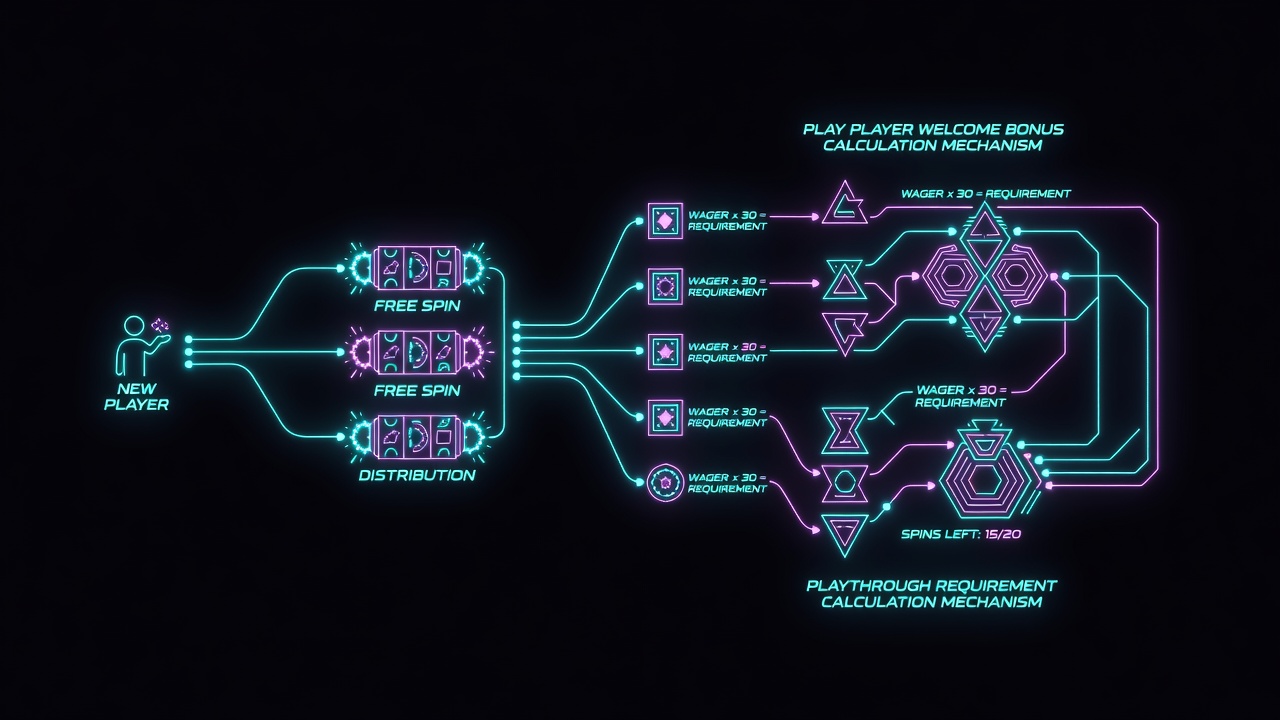
Free Spins on Registration: How They Typically Work
A casino hands you free spins when you join. A young man from Nevada sat down and played them. By the time they were done, he understood something about generosity.
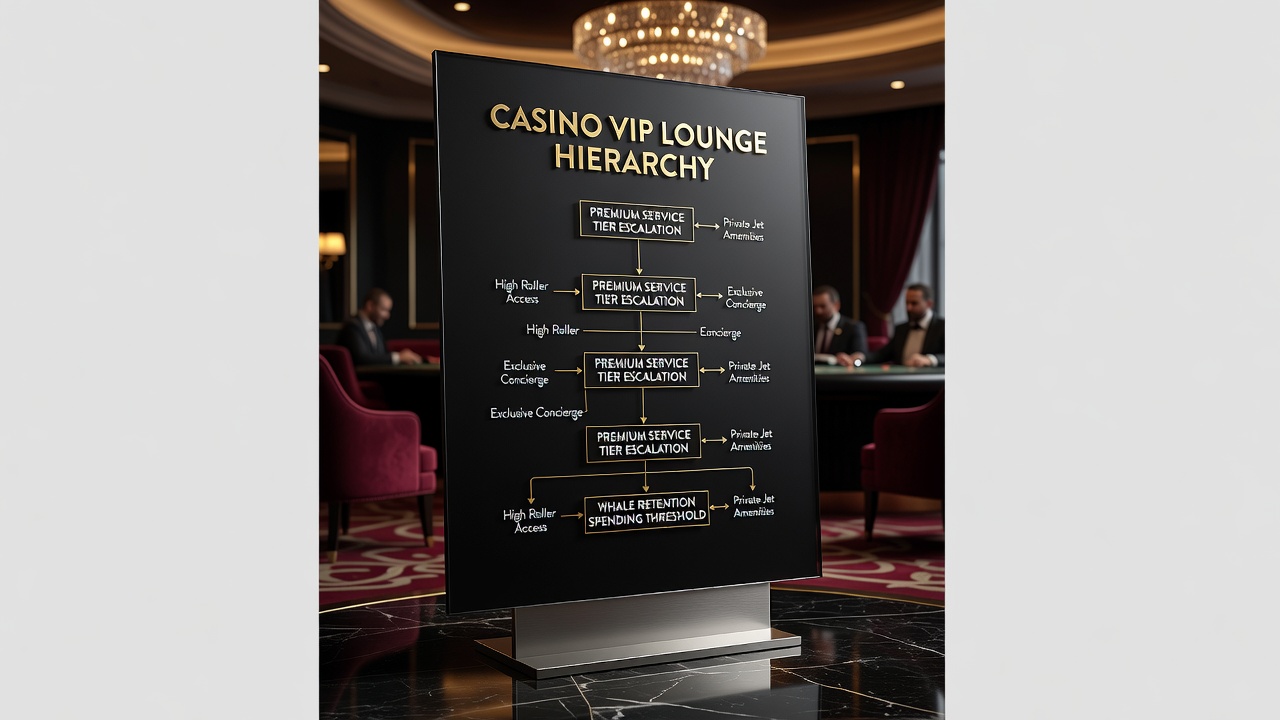
Understanding VIP Programs at Online Casinos
VIP programs are a full-court press on whale retention. The math is simple: one whale is worth a thousand casual players. The casino structures everything around not losing that whale.
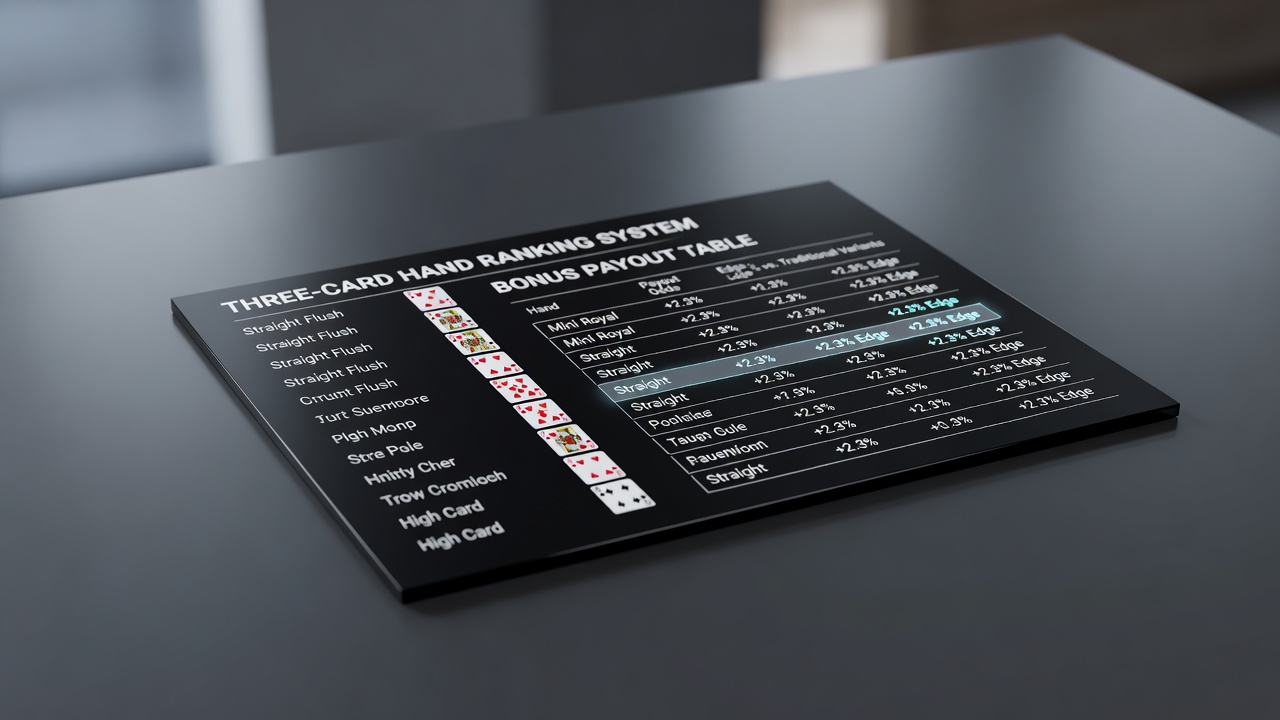
The Math of Six Card Bonus in Three Card Poker
provably fair is a tech term. but three card poker's six-card bonus? that's not provably anything. it's just a bet with a 14% house edge wrapped in shiny UI.
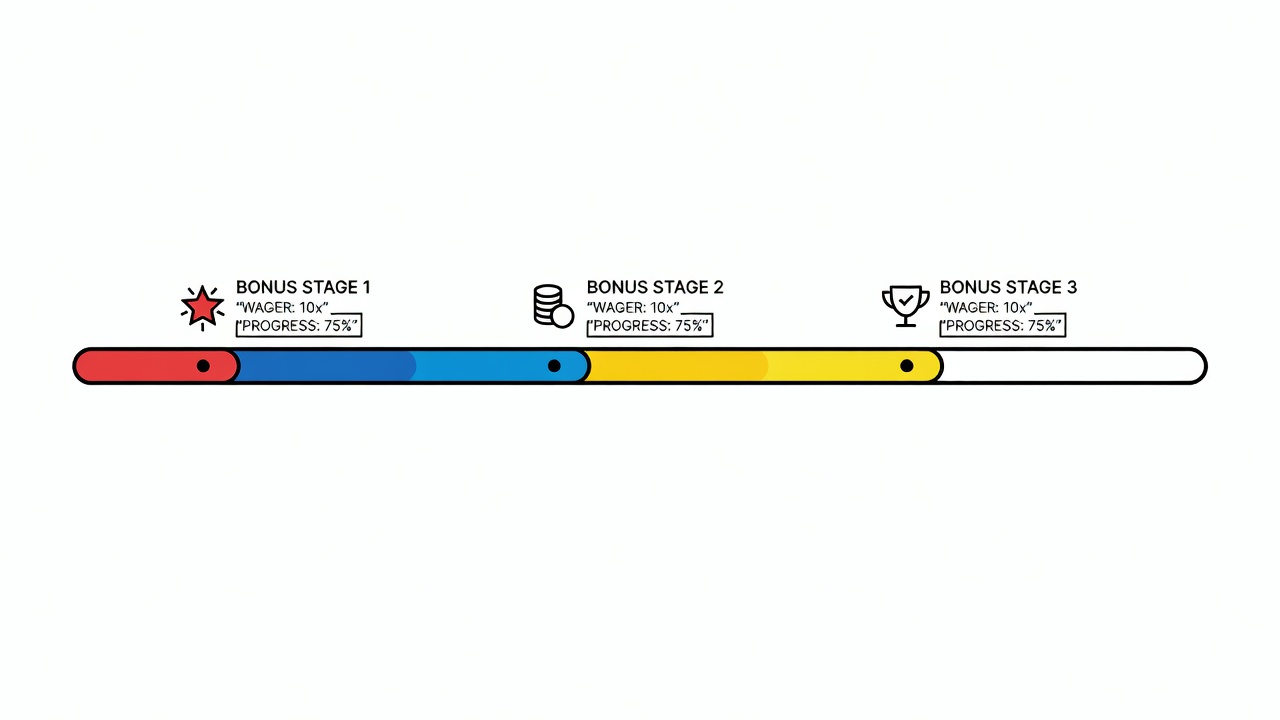
How to Track Your Wagering Progress on a Bonus
The bonus system works like traffic flow. The casino designed the space. The player moves through it. Good design makes the path invisible. Tracking your position in that path is the work.
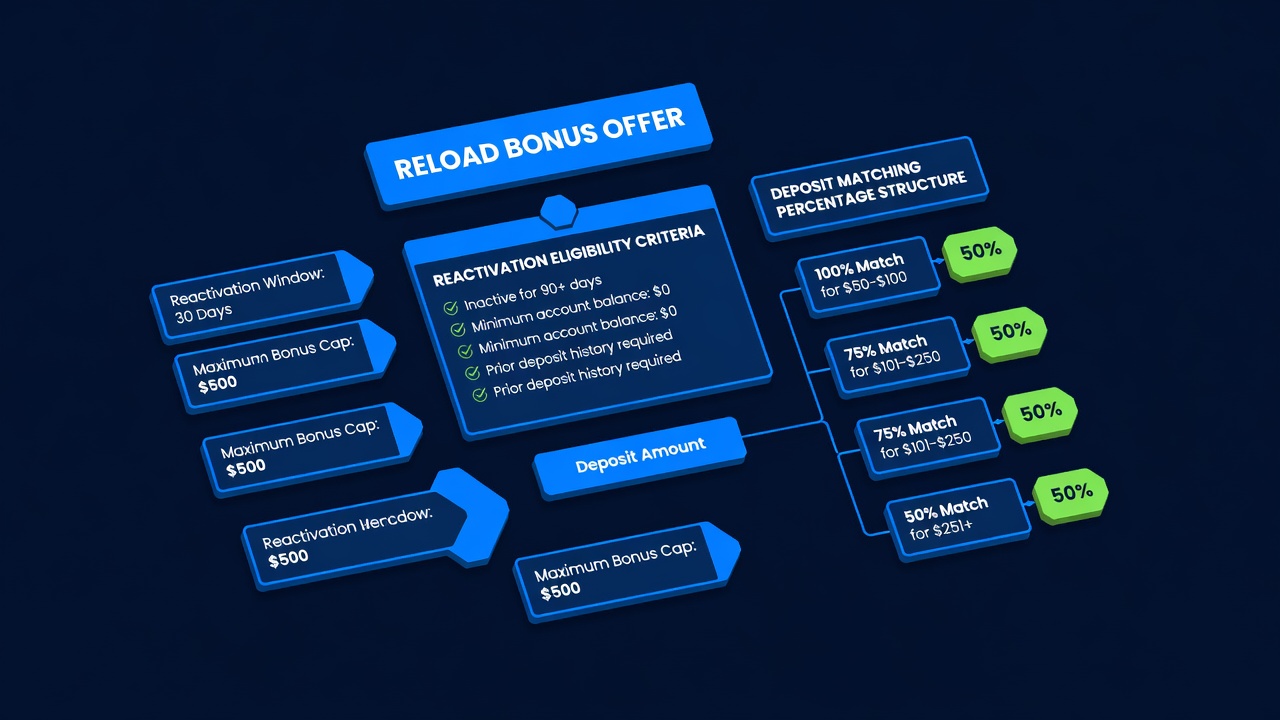
Crypto Casino Reload Bonuses: How They Typically Work
Reload bonuses are a tool to combat player churn. Casinos use them to reactivate dormant players. The mechanics are straightforward, but the value proposition depends entirely on your loss rate.

Bitcoin Lightning Network for Instant Casino Deposits
The Lightning Network emerged from a 2015 whitepaper by Poon and Dryja as a response to Bitcoin's settlement delays. Casino operators began adopting it in 2019 to solve real problems of player friction.