Free Spins on Registration: How They Typically Work
A casino hands you free spins when you join. A young man from Nevada sat down and played them. By the time they were done, he understood something about generosity.
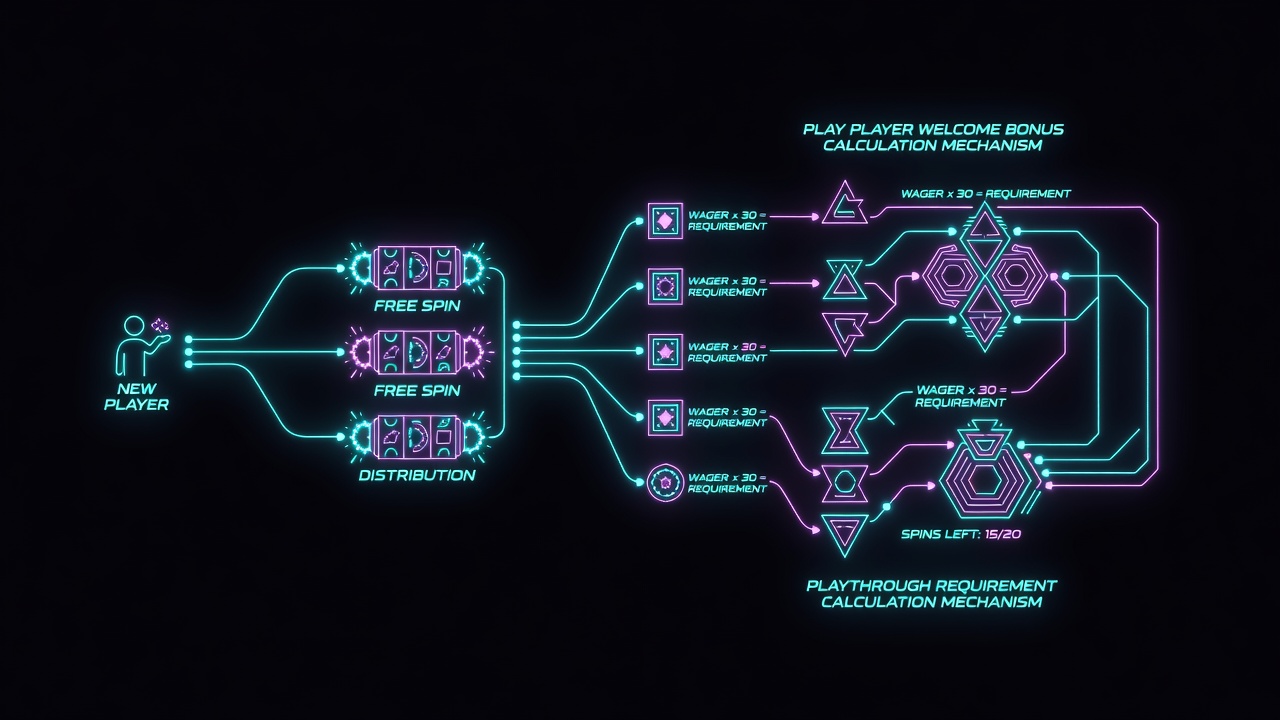
Tommy walked into the casino website, signed up, and they handed him twenty free spins on a slot called Starburst. No deposit required. Just spins, free to play, results that mattered.
He hit the spin button. The reels moved. He won three pounds. Thirty spins remaining. He spun again. Lost. Twenty-nine spins remaining. The free spins were designed to feel like money. They looked like money in his account. They acted like money in the game. But they were conditional money. They came with strings.
The conditions were these: he could play the free spins. Any money he won from the free spins would sit in his account, but he couldn't withdraw it. Not yet. He had to play through it first. Play through meant wagering it in the casino. If he won from the free spins, he'd have to take that money and bet it back into the games at least three times before it became withdrawable.
Tommy's free spins turned into ninety pounds of winnings. Ninety pounds sounded like a gift. The casino was giving him ninety pounds. Except it wasn't. The ninety pounds were conditional on him using it to gamble further. The conditions were the entire product.
The Psychology Built Into the Offer
Free spins accomplish several things simultaneously. They acquire new players. They make the casino seem generous. They prime the new player to fund their first deposit (since the free spins rarely convert to real withdrawable money). They establish a relationship between the player and the casino before the player has spent anything of their own.
Tommy's journey:
He received twenty spins. He felt generous gratitude. He decided he liked the casino. He made a first deposit of fifty pounds to chase the winnings from his free spins. He played for two hours. He lost most of both his deposit and his free spin winnings. He then made a second deposit to recoup. The casino's acquisition cost for Tommy was zero (free spins cost them nothing on an RTP basis; the math is already built into the casino's expected profit). The lifetime value of Tommy to the casino would probably be five hundred pounds or more.
- Free spins are not free. They cost the player in the form of higher playthrough requirements and more total wagering.
- A player who has free spins plays longer than a player without, even if the spins result in losses.
- Free spins create a psychological anchor. The casino gave you something. You owe them engagement in return.
- Playthrough requirements are usually three times the winnings amount. To withdraw ninety pounds in winnings, Tommy must wager two hundred seventy pounds.
Tommy converted his free spins into a real casino customer. That was the entire purpose of the free spins. Not generosity. Acquisition. The spins were a cheap way to get a player's attention and their first deposit.
He ended up spending more money than the free spins were worth, which is the entire design of the offer. The casino made their acquisition cost back and more. Tommy felt like he'd been treated generously when in fact he'd been manipulated into a machine. But this is how casinos work. The generosity is the manipulation.
Next notes
More from #bonuses
Understanding VIP Programs at Online Casinos
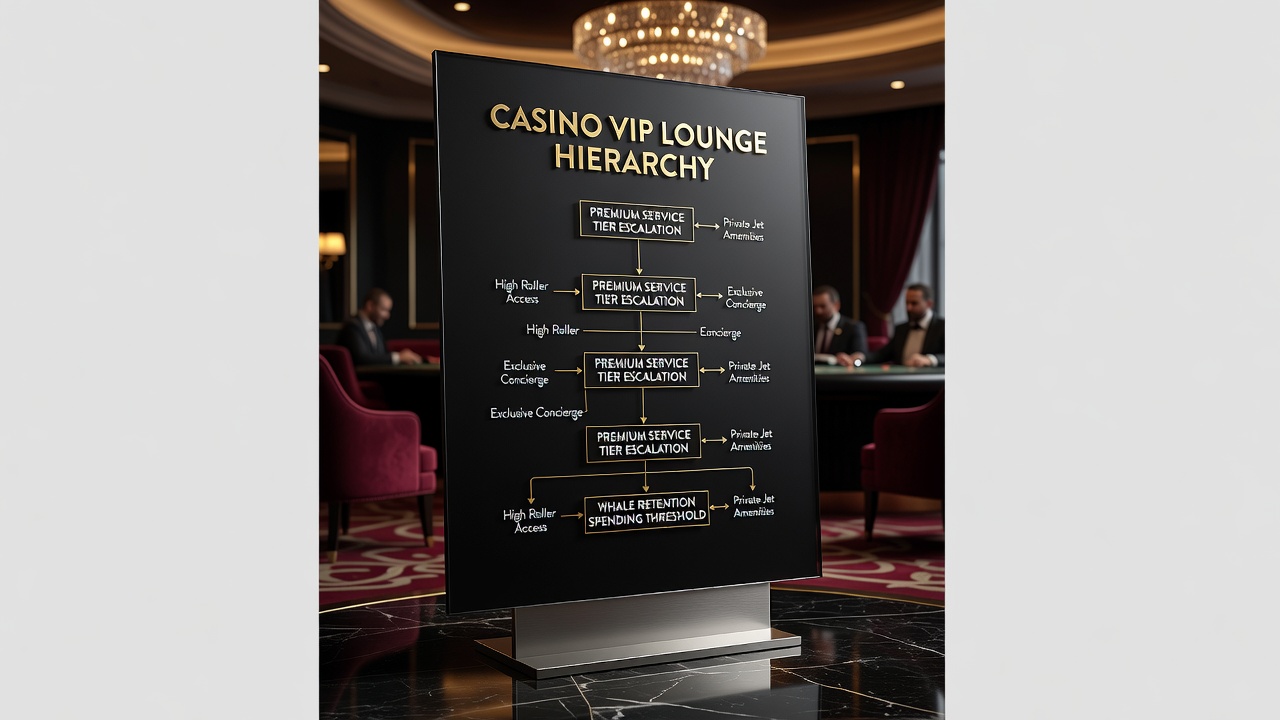
VIP programs are a full-court press on whale retention. The math is simple: one whale is worth a thousand casual players. The casino structures everything around not losing that whale.
The Math of Six Card Bonus in Three Card Poker
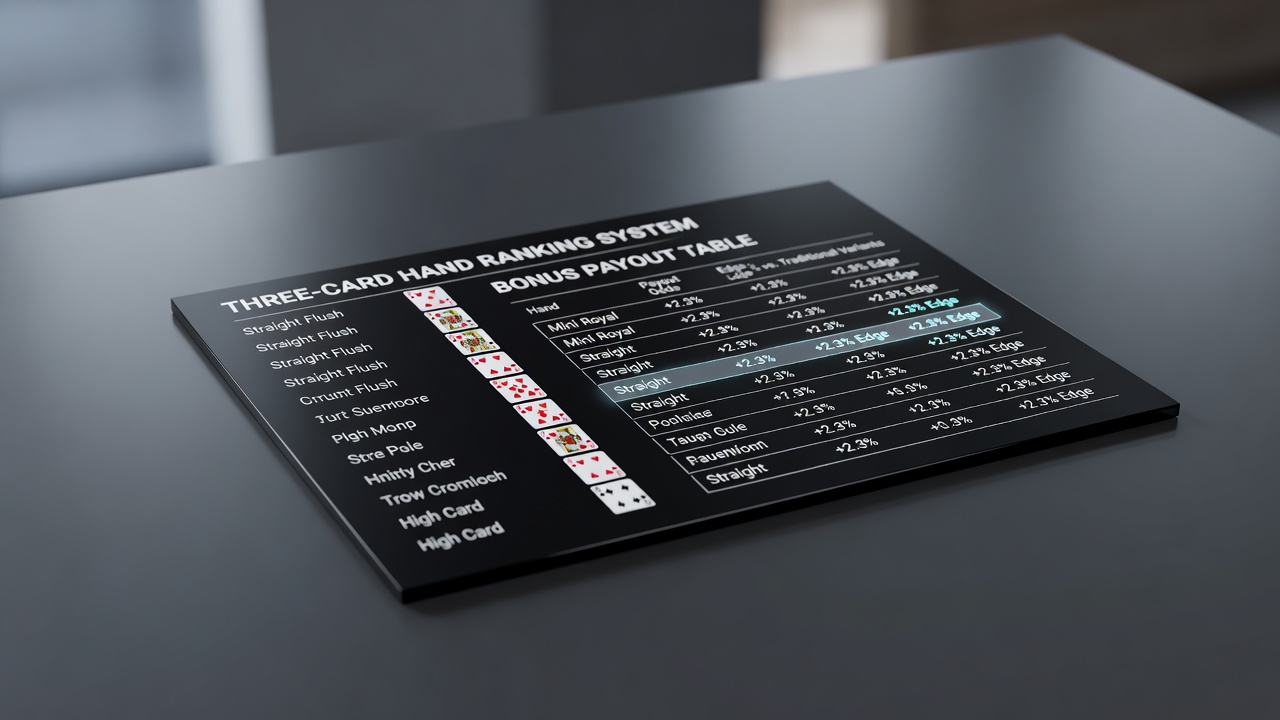
provably fair is a tech term. but three card poker's six-card bonus? that's not provably anything. it's just a bet with a 14% house edge wrapped in shiny UI.
How to Track Your Wagering Progress on a Bonus
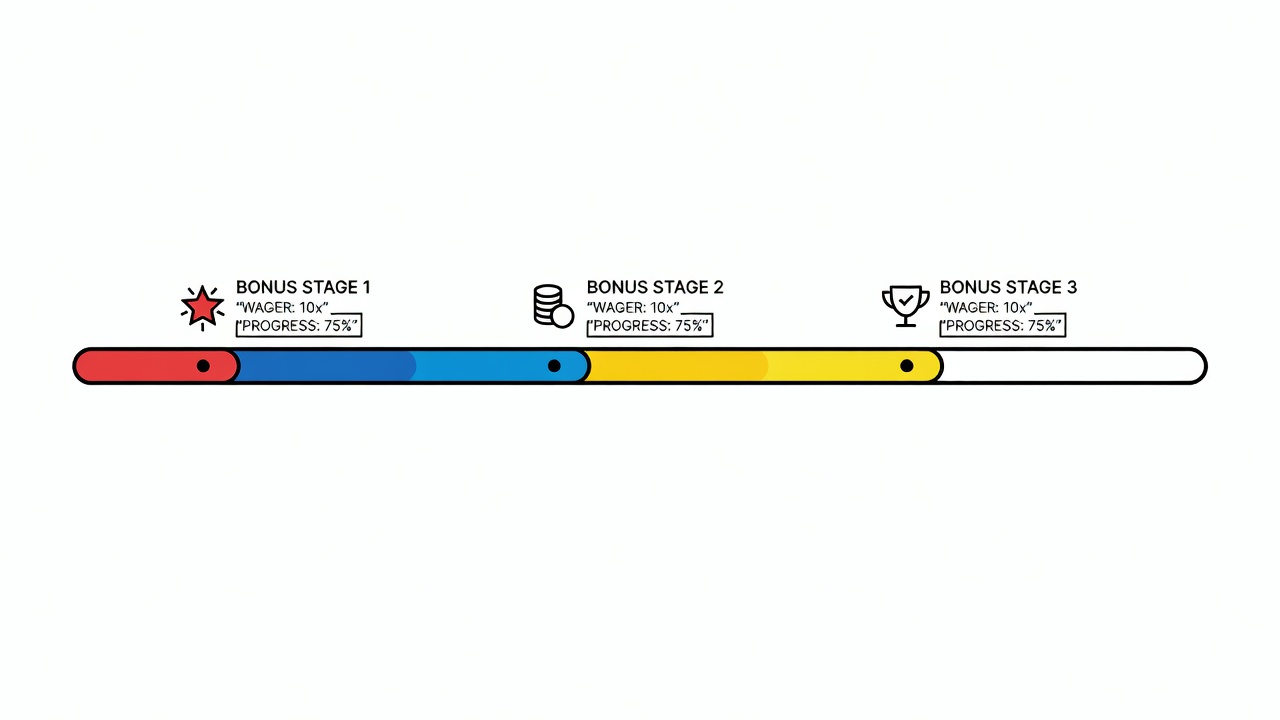
The bonus system works like traffic flow. The casino designed the space. The player moves through it. Good design makes the path invisible. Tracking your position in that path is the work.
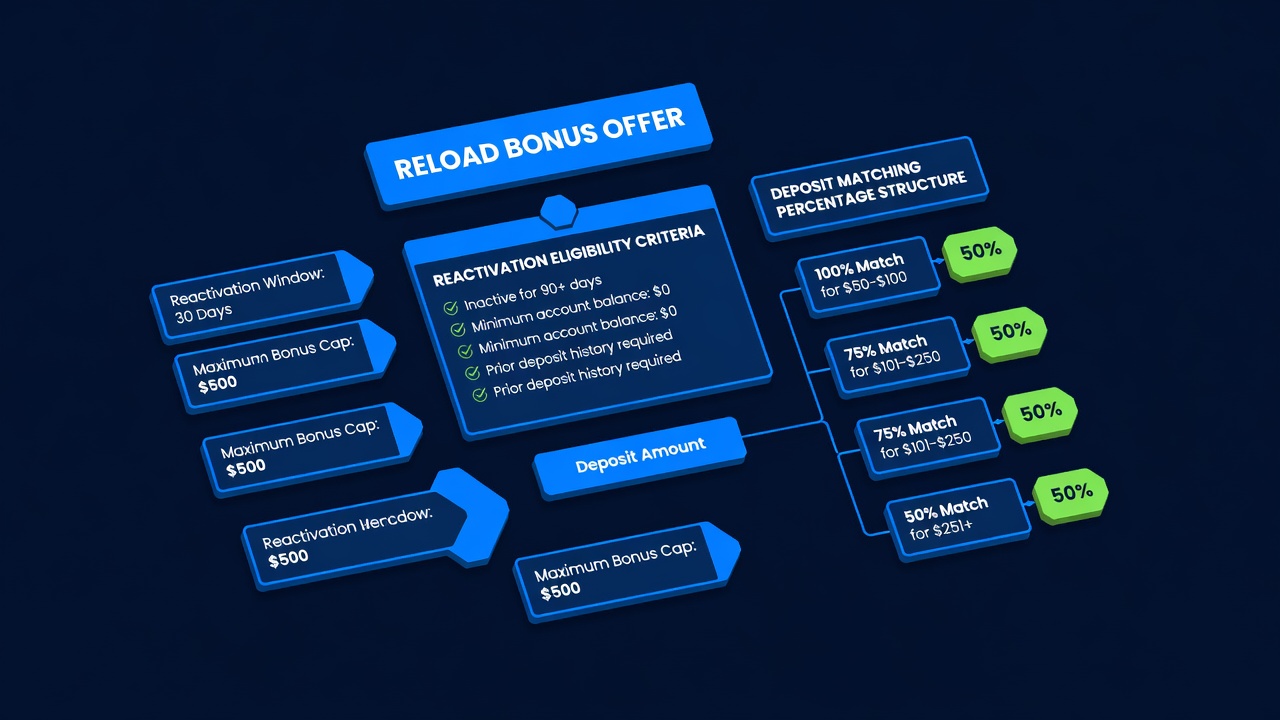
Crypto Casino Reload Bonuses: How They Typically Work
Reload bonuses are a tool to combat player churn. Casinos use them to reactivate dormant players. The mechanics are straightforward, but the value proposition depends entirely on your loss rate.
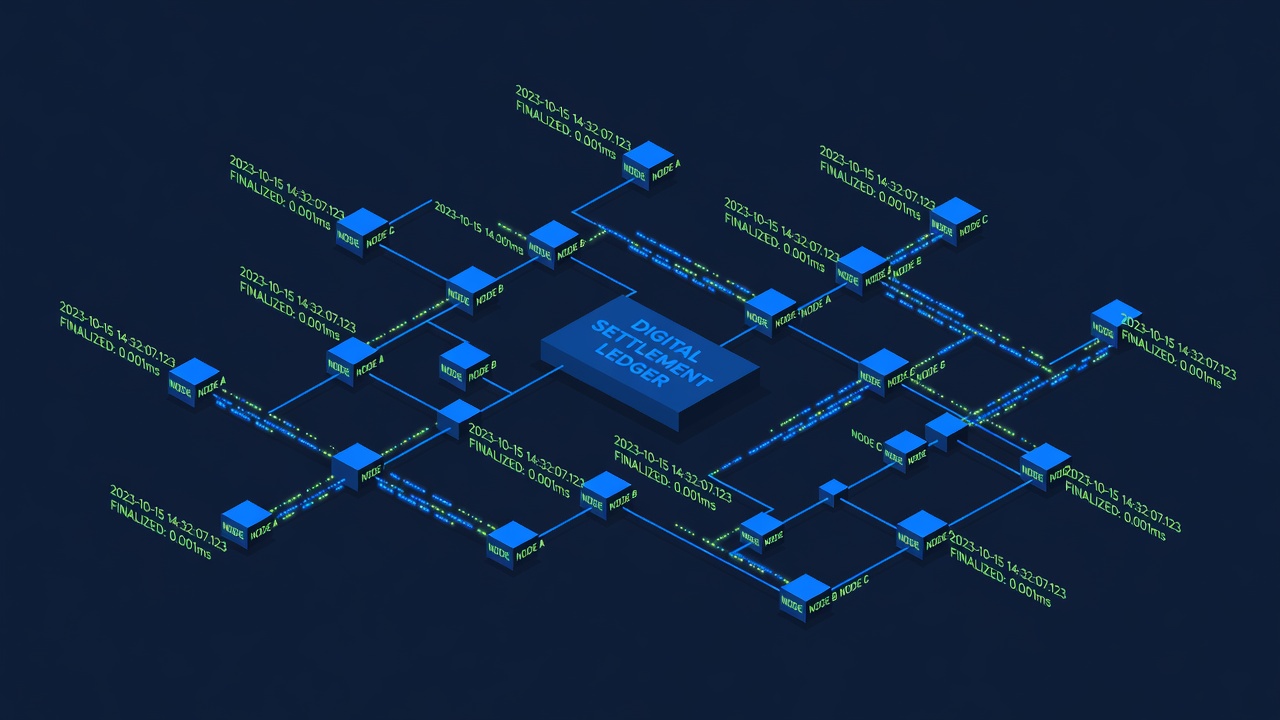
Bitcoin Lightning Network for Instant Casino Deposits
The Lightning Network emerged from a 2015 whitepaper by Poon and Dryja as a response to Bitcoin's settlement delays. Casino operators began adopting it in 2019 to solve real problems of player friction.
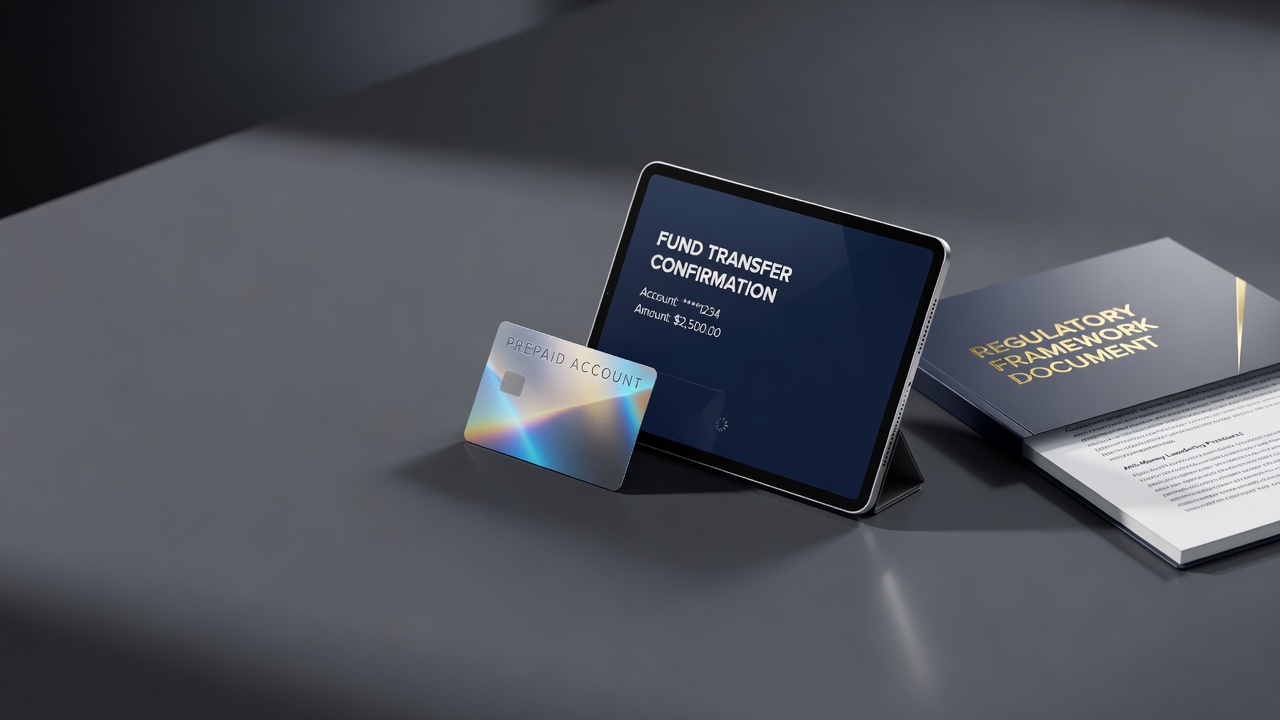
Prepaid Cards for Casino Deposits: How They Work
A prepaid card is a financial instrument regulated under specific jurisdictional frameworks. The operator loads funds, the player spends them. The regulatory structure determines permissibility.