Crypto Casino Reload Bonuses: How They Typically Work
Reload bonuses are a tool to combat player churn. Casinos use them to reactivate dormant players. The mechanics are straightforward, but the value proposition depends entirely on your loss rate.
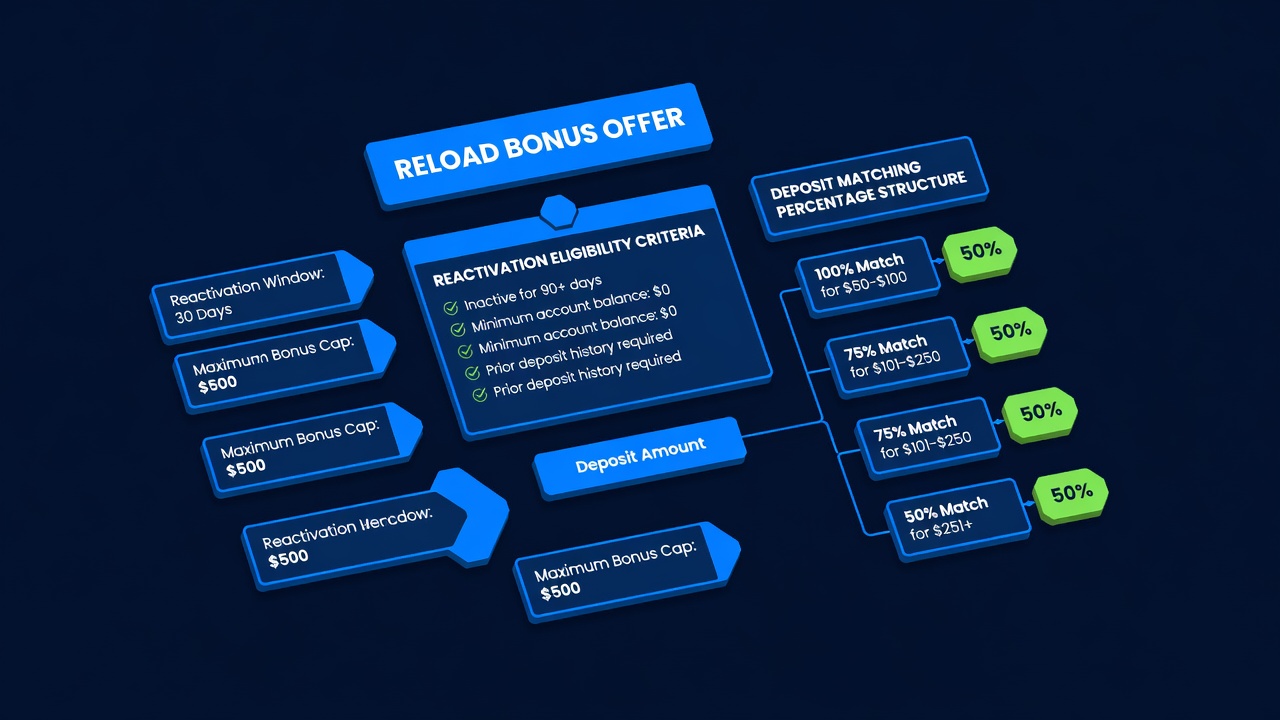
The Offer
You deposit $100 in Bitcoin. The casino gives you $50 free. You now have $150 to play with.
Sounds simple. The structure, in practice, is what matters.
The Mechanics
First, not all reload bonuses are identical. Some casinos offer them automatically. Others require opt-in. Some are triggered on your first deposit after a qualifying period (say, you haven't played in 30 days, you deposit again, boom, reload bonus applied). Others are ongoing, every deposit.1
The bonus is almost always subject to a playthrough requirement, also called wagering requirement. This is the teeth of the offer.
Example: You get a $50 reload bonus with a 25x playthrough requirement. You must wager $1,250 ($50 times 25) before you can withdraw any of the bonus funds.
Playthrough requirements exist because otherwise the bonus is literally free money. The casino is trying to keep you playing longer than you otherwise would, hoping you'll lose more than the bonus value.
The Math
Let's say your average loss rate is 2% on the games you play (you bet $100, over time you lose $2). You get a $50 reload bonus with 25x playthrough.
You must wager $1,250 to unlock the bonus. At 2% house edge, this costs you $25 in expected losses. But you got $50 free. Net value: $25.
The bonus is only profitable if the casino's house edge is lower than your effective loss rate or if you're playing games where you have an edge (not most games, obviously, but some do exist2).
If the house edge is 4% and you wager $1,250, you expect to lose $50. The bonus was worth $50. Net value: zero. You're expected to break even.
If the house edge is 5%, expected losses hit $62.50. The bonus was worth $50. Net value: negative $12.50. You expected to lose money accepting the bonus.
Why Casinos Offer Them
The reload bonus is a mechanism for managing player lifetime value. A player who comes back to deposit twice in a year is more valuable than a player who deposits once and vanishes. The bonus incentivizes the second deposit.
From the casino's perspective, this is not altruism. It's a marketing expense. The bonus is the cost to acquire a re-deposit. If the cost is less than the profit margin on the additional play, it's rational.
The Catch
Most casual players don't do the math. They see $50 free and think they've won something. They have, but only if they meet specific conditions.
The playthrough requirement hides the real offer. A 50x requirement is substantially worse than a 10x requirement, even if the bonus amount is higher.
Some casinos layer restrictions: the bonus may not be used on table games, only slots. Or it's valid for only 7 days. Or there's a maximum bet size while the bonus is active. Each restriction reduces the bonus's flexibility and its value.
When They're Useful
Reload bonuses make sense if you were already planning to deposit and play.3 The bonus accelerates your capital burn, but if you're comfortable with losing that money anyway, the bonus gives you more spins for the same loss.
They do not make sense as a profit mechanism. The house edge is not waived. The math doesn't care about the bonus.
The Alternative
Casinos also use cashback offers. Instead of bonus funds, they return 5% or 10% of losses as real money. These are more transparent and easier to evaluate.
A 10% cashback on $1,000 wagered nets you $100 real money, no playthrough. You've paid $100 in expected losses (assuming 10% house edge) and received $100 back. Break-even, plus the entertainment value of the game itself.
1 Some progressive programs offer increasing reloads. Your first reload is 50%. Second is 75%. Third is 100%. This is designed to encourage rapid re-deposits.
2 Certain table games with optimal basic strategy in blackjack, or rare promotions on video poker, can be beaten. These are exceptions.
3 This is the key qualifier. The bonus should never be the reason you deposit. If you're depositing purely for a bonus, you've already lost the arbitrage.
Next notes
More from #bonuses
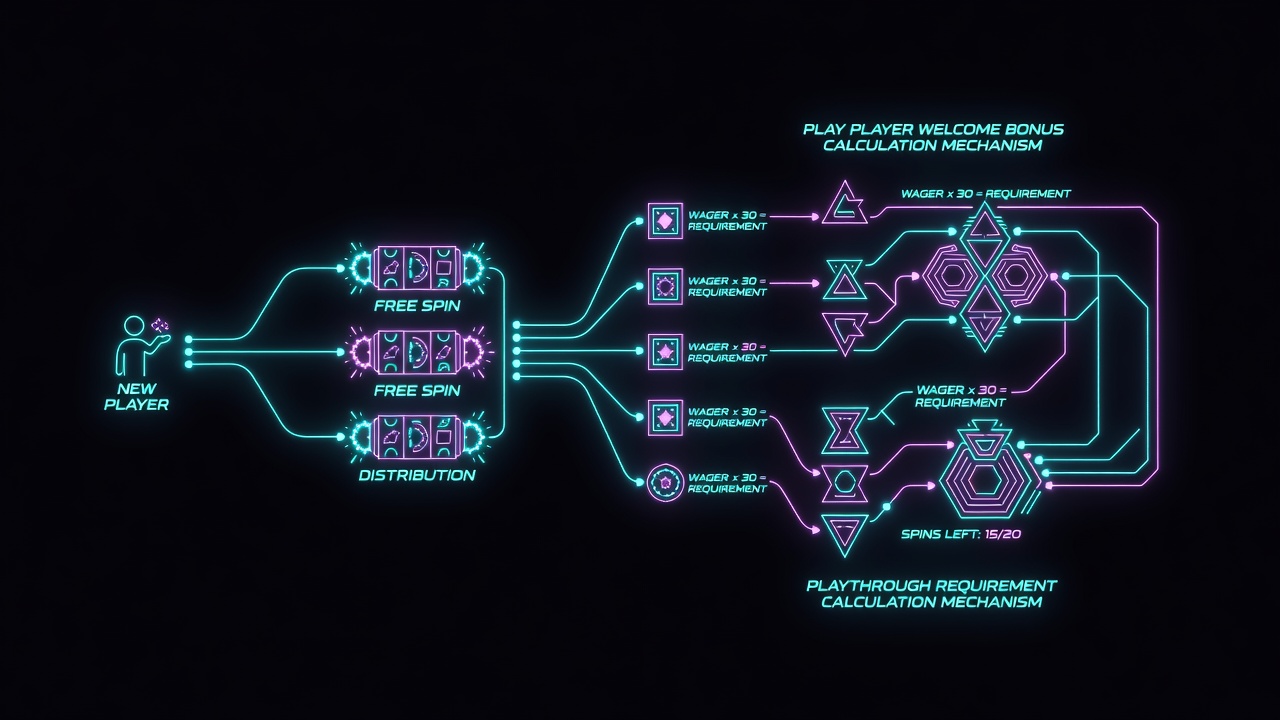
Free Spins on Registration: How They Typically Work
A casino hands you free spins when you join. A young man from Nevada sat down and played them. By the time they were done, he understood something about generosity.

Understanding VIP Programs at Online Casinos
VIP programs are a full-court press on whale retention. The math is simple: one whale is worth a thousand casual players. The casino structures everything around not losing that whale.
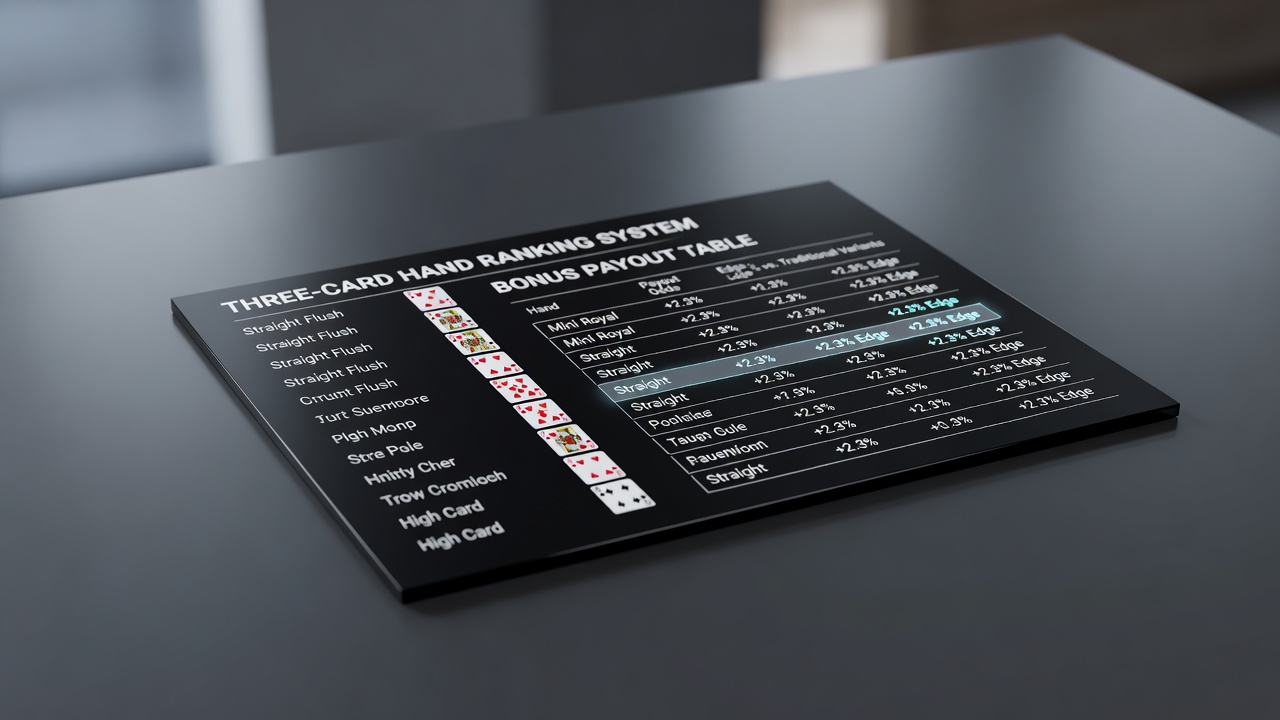
The Math of Six Card Bonus in Three Card Poker
provably fair is a tech term. but three card poker's six-card bonus? that's not provably anything. it's just a bet with a 14% house edge wrapped in shiny UI.
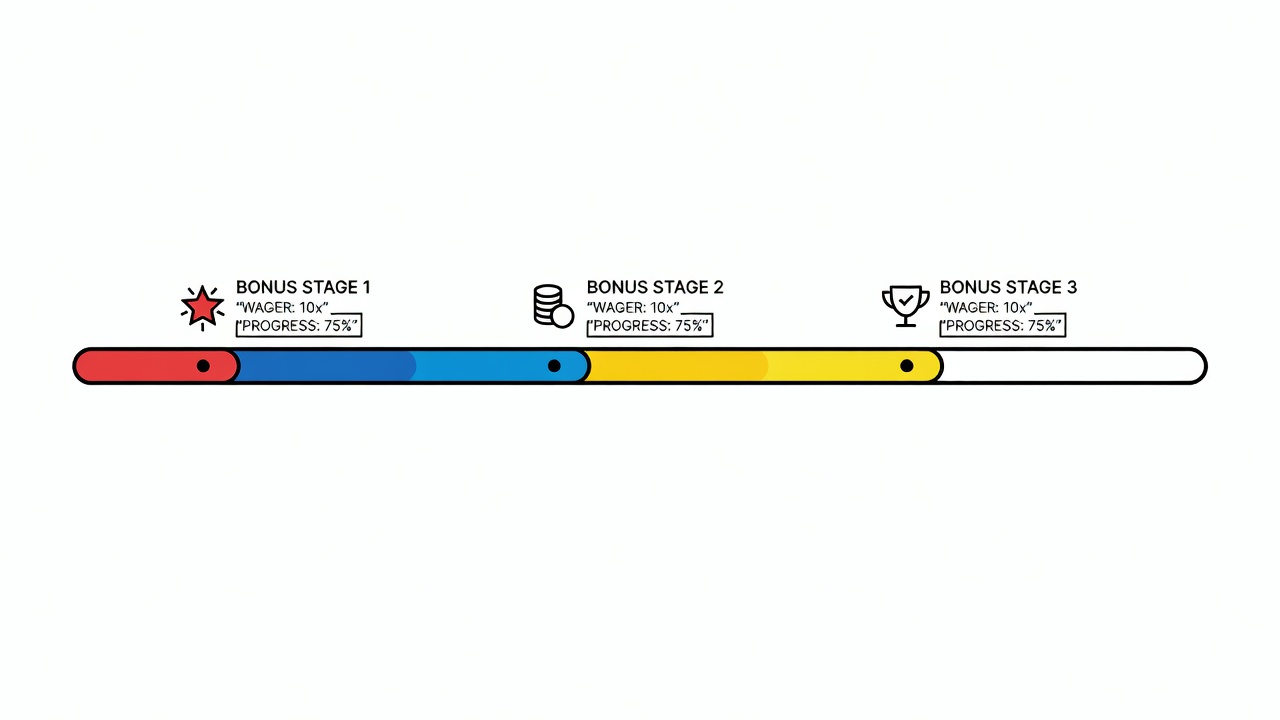
How to Track Your Wagering Progress on a Bonus
The bonus system works like traffic flow. The casino designed the space. The player moves through it. Good design makes the path invisible. Tracking your position in that path is the work.

Bitcoin Lightning Network for Instant Casino Deposits
The Lightning Network emerged from a 2015 whitepaper by Poon and Dryja as a response to Bitcoin's settlement delays. Casino operators began adopting it in 2019 to solve real problems of player friction.

Prepaid Cards for Casino Deposits: How They Work
A prepaid card is a financial instrument regulated under specific jurisdictional frameworks. The operator loads funds, the player spends them. The regulatory structure determines permissibility.