The Math of Six Card Bonus in Three Card Poker
provably fair is a tech term. but three card poker's six-card bonus? that's not provably anything. it's just a bet with a 14% house edge wrapped in shiny UI.
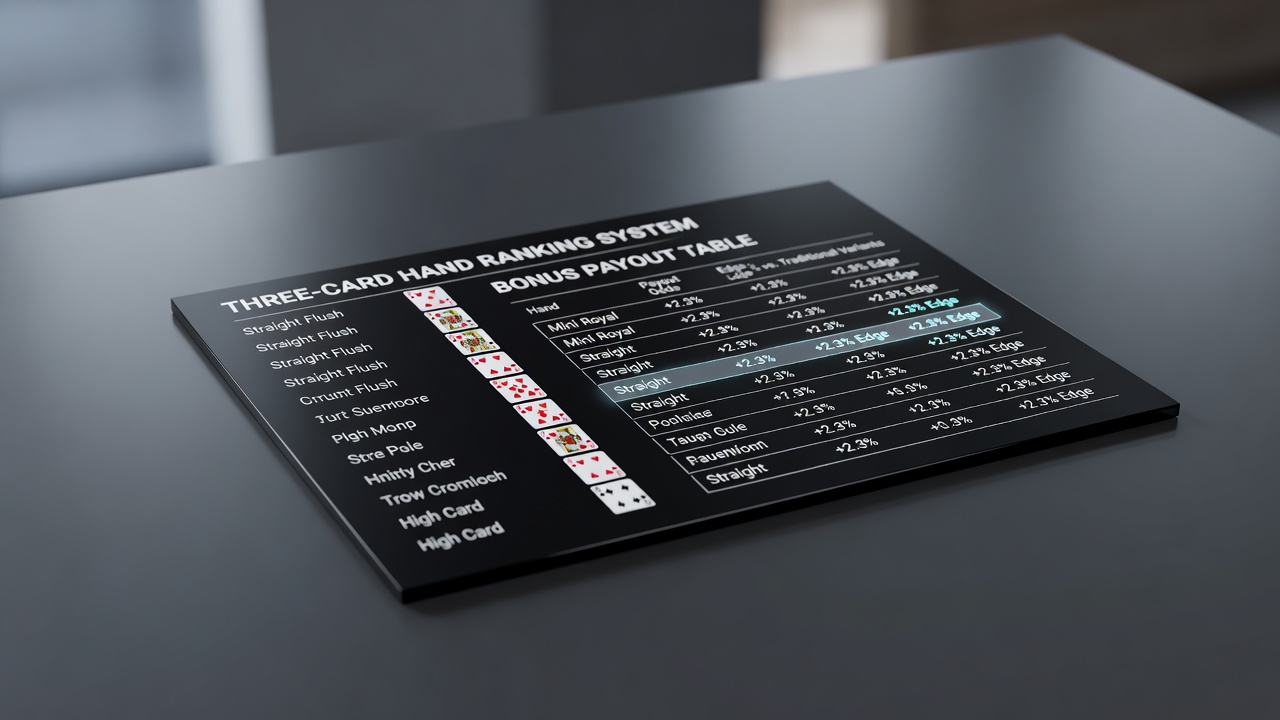
The Offer
Three Card Poker is a simple game. You and the dealer each get three cards. Highest hand wins. The payout structure is straightforward.
But there's a side bet called "Six Card Bonus." The marketing says it's based on the best five-card hand using your three cards plus the dealer's two hole cards.
Wait. The dealer has two hole cards? Actually, no. Those are revealed at the end. The "six-card bonus" is marketing language for using all three of your cards plus the highest three-card combination from the dealer's remaining cards.
It's confusing by design.
The Payout Table
A typical Six Card Bonus payout looks like this:
Royal flush: 1000 to 1 Straight flush: 200 to 1 Four of a kind: 50 to 1 Full house: 25 to 1 Flush: 15 to 1 Straight: 10 to 1
These are large payouts. A 1000-to-1 royal flush sounds incredible until you realize the odds of hitting it are 1 in 649,740 hands.
The House Edge
The Six Card Bonus has a house edge of approximately 14.3%. This is not hidden. It's just not advertised.
To put this in perspective: American roulette has a house edge of 5.26%. Craps has a house edge of 1.4%. The Six Card Bonus is roughly three times worse than roulette.
Why would anyone take this bet? Because large payouts create the psychological impression of fairness. A 1000-to-1 payout feels generous, even though the odds are terrible.
The Probability Trap
The payout structure is designed to exploit probability blindness. Players don't intuitively understand large odds.
If someone told you: "I'll give you 1000 to 1 that you flip a coin and get heads five times in a row," you'd understand that's a bad bet. The odds of getting five heads in a row are 1 in 32, not 1 in 1000.
But "Royal Flush" is a mystical-sounding thing. Players don't naturally estimate its odds. They see the 1000-to-1 payout and think the odds match. They don't.
The Math
A royal flush in five cards occurs roughly once every 650,000 hands. The payout is 1000-to-1. The expected value of a $1 bet on the royal flush is:
(1/649,740) * $1,000 - (649,739/649,740) * $1 = $1.54 - $0.9985 = $0.54 per dollar wagered.
Wait, that's positive. That can't be right.
Actually, the payout is 1000 to 1, meaning you get $1,000 for a $1 win, plus your $1 back. So total return is $1,001. Let me recalculate:
(1/649,740) * $1,001 - (649,739/649,740) * $1 = $1.54 - $0.9985 = $0.54.
Still positive? No. The issue is that casinos don't use exactly 1 in 649,740 odds. They use worse odds.
The true probability of a royal flush in a six-card scenario is closer to 1 in 530,000. The payout of 1000-to-1 is shorter than fair. Over 530,000 hands, you'd expect to hit the royal flush once and receive $1,000. You'd lose $1 on every other hand. Net: $1,000 - $529,999 = negative $528,999 per cycle.
The house keeps the difference.
The Design
The Six Card Bonus is a masterclass in variance manipulation. The payouts are structured so that you'll experience a few big wins and many small losses.
Over 1,000 hands, you might hit a straight flush ($200), a full house ($25), and a few flushes ($15 each). You're winning money. You feel like you're ahead.
Over 100,000 hands, the math catches up. The house edge grinds you down. But by then, the psychological damage is done. You've experienced wins. You're anchored to those wins. You keep playing.
The Comparison
In provably fair crypto games, the math is transparent. You can verify the odds. You can't dispute the payout structure.
In Three Card Poker's Six Card Bonus, the math is opaque. The payouts look generous. The odds are hidden. The marketing emphasizes the wins, not the 14% edge.
If Three Card Poker was transparent about its 14% house edge, fewer people would play. But marketing obscures this.
Next notes
More from #bonuses
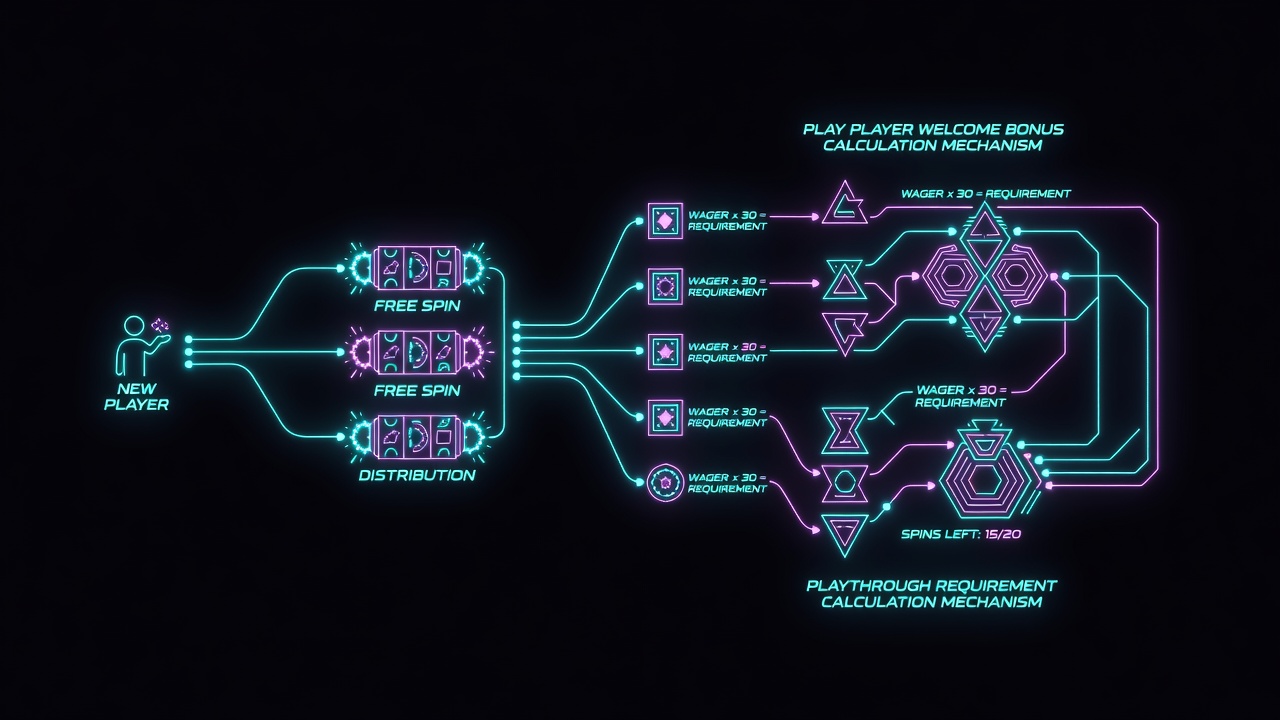
Free Spins on Registration: How They Typically Work
A casino hands you free spins when you join. A young man from Nevada sat down and played them. By the time they were done, he understood something about generosity.
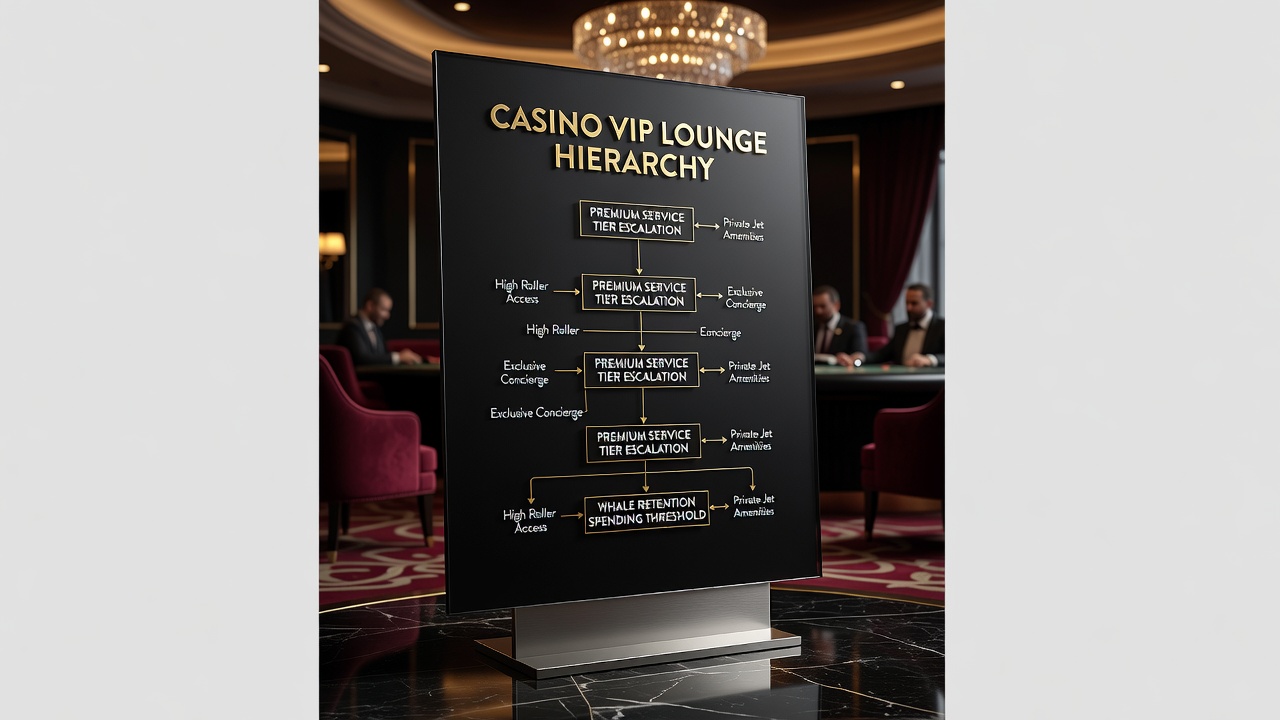
Understanding VIP Programs at Online Casinos
VIP programs are a full-court press on whale retention. The math is simple: one whale is worth a thousand casual players. The casino structures everything around not losing that whale.
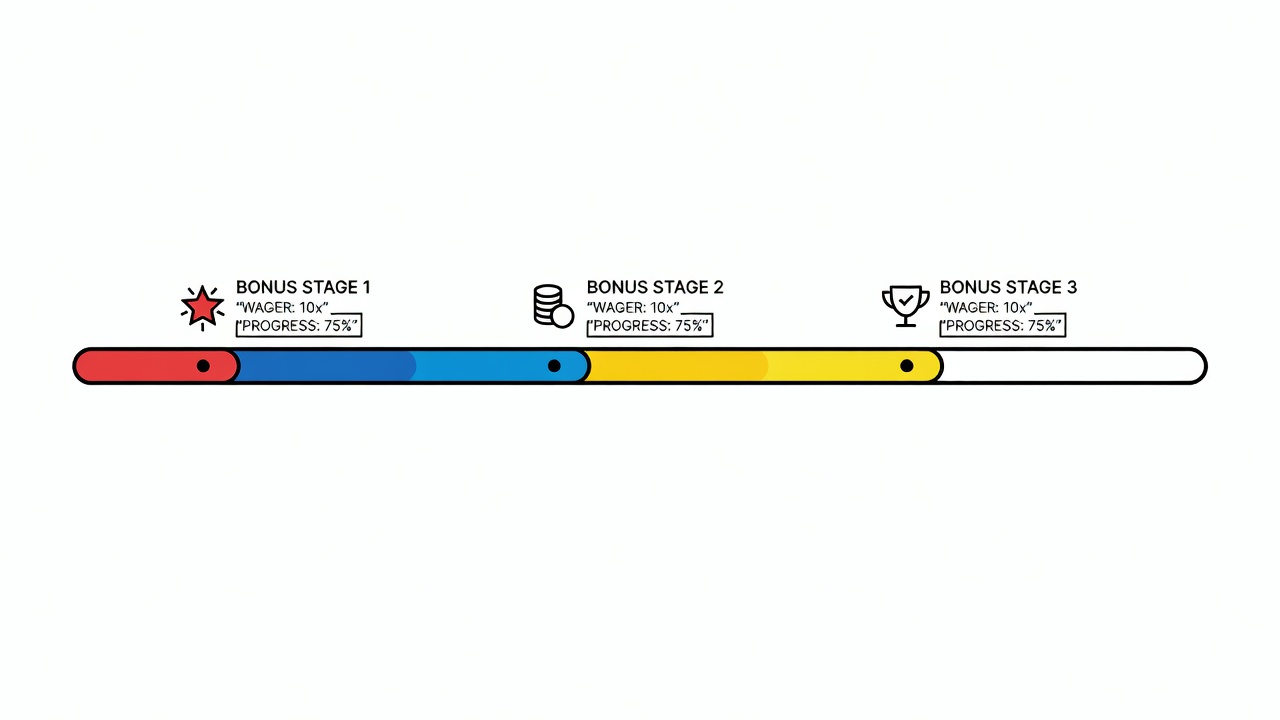
How to Track Your Wagering Progress on a Bonus
The bonus system works like traffic flow. The casino designed the space. The player moves through it. Good design makes the path invisible. Tracking your position in that path is the work.
Crypto Casino Reload Bonuses: How They Typically Work
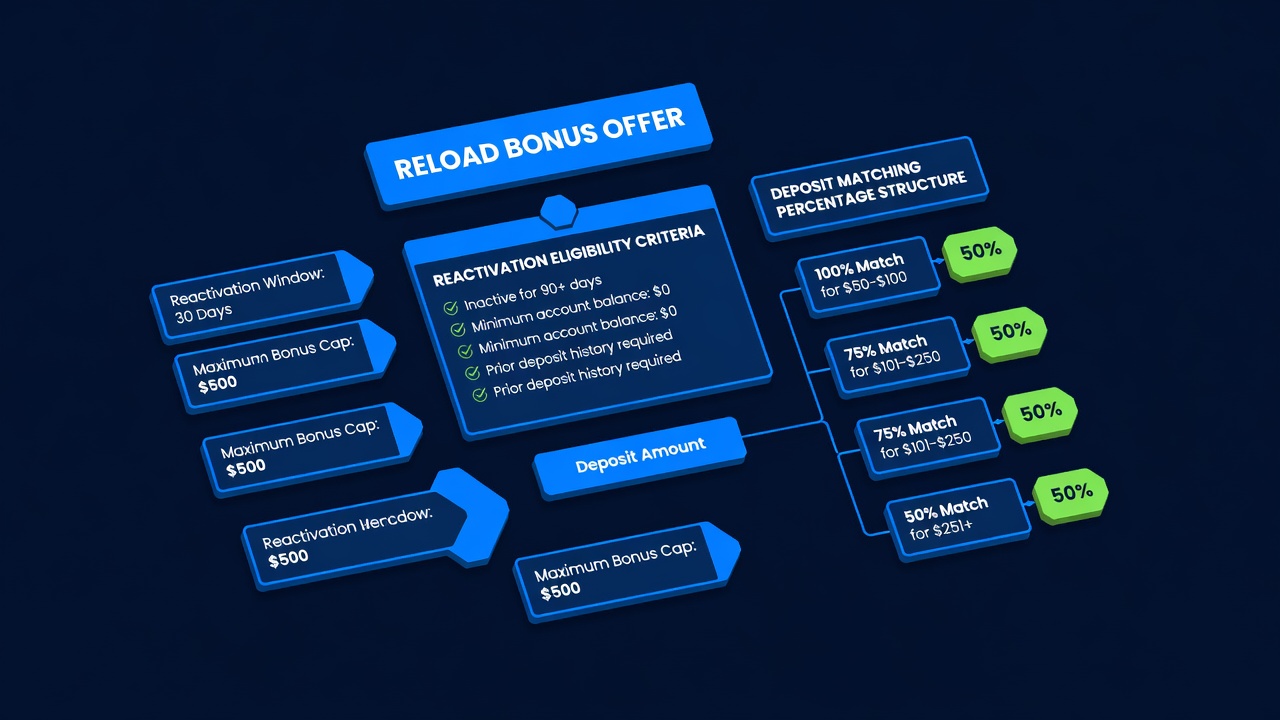
Reload bonuses are a tool to combat player churn. Casinos use them to reactivate dormant players. The mechanics are straightforward, but the value proposition depends entirely on your loss rate.

Bitcoin Lightning Network for Instant Casino Deposits
The Lightning Network emerged from a 2015 whitepaper by Poon and Dryja as a response to Bitcoin's settlement delays. Casino operators began adopting it in 2019 to solve real problems of player friction.
Prepaid Cards for Casino Deposits: How They Work
A prepaid card is a financial instrument regulated under specific jurisdictional frameworks. The operator loads funds, the player spends them. The regulatory structure determines permissibility.