Bitcoin Lightning Network for Instant Casino Deposits
The Lightning Network emerged from a 2015 whitepaper by Poon and Dryja as a response to Bitcoin's settlement delays. Casino operators began adopting it in 2019 to solve real problems of player friction.
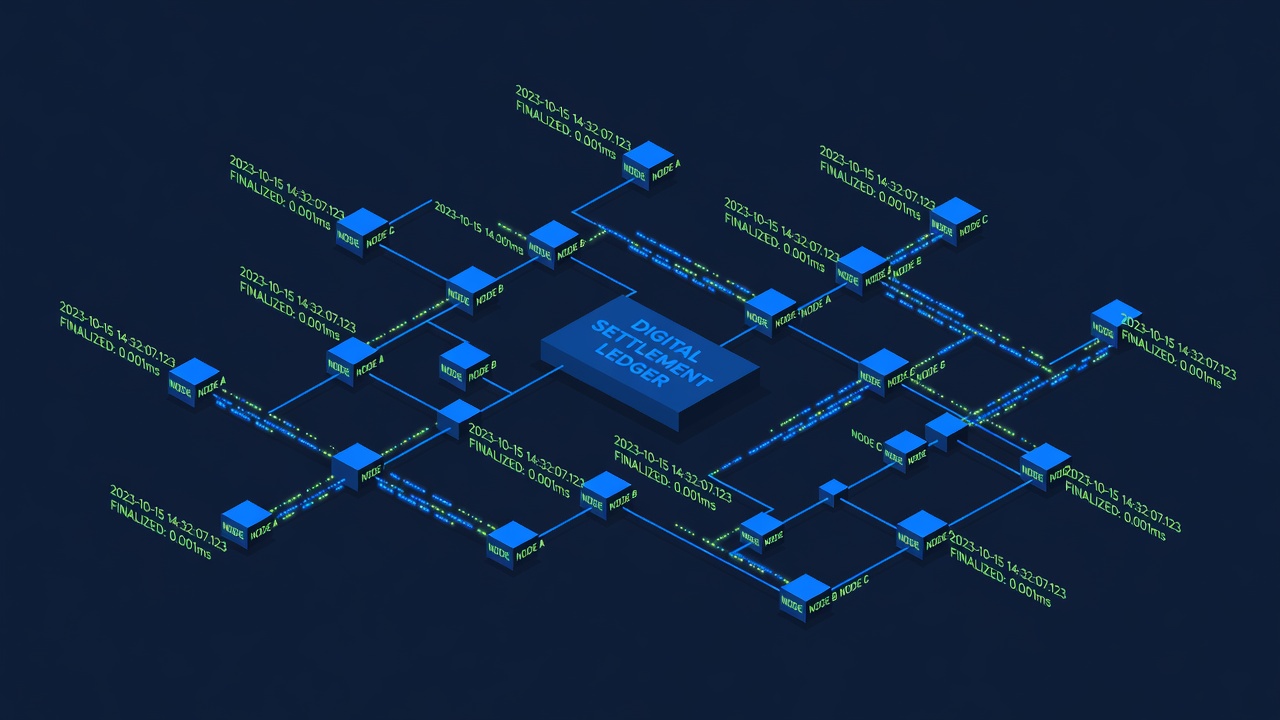
Origins in 2015: The Problem Statement
Bitcoin transactions settled slowly. A player seeking to deposit funds at an online casino in 2015 faced a typical wait of ten minutes to an hour before the casino credited their account. This delay shaped player behavior: many chose centralized payment processors instead, surrendering privacy for speed.
Joseph Poon and Thaddeus Dryja published their Lightning Network proposal on January 14, 2015. The paper was technical, aimed at researchers. It described a system of payment channels: two parties lock funds in a multi-signature Bitcoin address, then transact freely off-chain by updating the balance between them. Only when they settled the relationship would the final state return to the blockchain.
The innovation solved an immediate problem. Bitcoin could now handle millions of transactions per second off-chain, with the blockchain itself recording only the final settlement. Confirmation time moved from minutes to milliseconds.
2016 to 2018: The Technical Hardening
The first Lightning implementation, c-lightning, shipped in beta in May 2016. It was not production-ready. Developers fixed bugs; the network topology evolved from isolated channels into a connected graph. By 2017, during Bitcoin's bull run, Lightning became an obsession for a subset of developers. The network still moved very little value.
Casino operators watched. Adoption was slow because casinos required three things: speed, reliability, and regulatory clarity. Lightning offered speed. Reliability came later. Regulatory clarity never fully arrived, but operators moved forward anyway.
In early 2018, Bitfinex added Lightning deposits. The transaction was fast, under a second from payment to credit. Other platforms followed.
2019 to 2021: Casino Adoption and Real Volume
The critical mass arrived in late 2019. By then, Lightning had processed billions of dollars in transaction volume. The network had grown to over 10,000 nodes. Channel capacity exceeded 2,000 BTC.
Online casinos began offering Lightning as a deposit method. Stake introduced it in Q3 2019. Nitrogen Sports followed. The appeal was clear: players deposited instantly without mining fees eating into their balance. The casino avoided the cost and wait of on-chain settlement.
Volume remained modest compared to credit cards. Adoption clustered in two regions: Europe (where some payment processors were already tightening) and Southeast Asia (where traditional banking was less accessible to gamblers). The regulatory arbitrage mattered.
By 2021, during Bitcoin's second bull run, Lightning transaction volume exceeded $1 billion per month. A meaningful fraction of that was gambling-related.
2022 to Present: Integration and Scale
Today, Lightning deposits are standard at every Bitcoin-native casino. The technology has proven itself across millions of real transactions. Confirmation time averages under one second. Fees are negligible, typically under 1 satoshi.
What changed: Bitcoin became less volatile against fiat currencies. Players became more comfortable holding Bitcoin. Regulations began acknowledging Bitcoin as a settlement layer rather than treating it as a threat to be banned.
The Lightning Network did not replace traditional payment methods. It created an alternative for players who preferred it. The speed and privacy advantages remain. Whether adoption expands depends on Bitcoin's broader acceptance in regulated jurisdictions, which remains uncertain.
Next notes
More from #bonuses
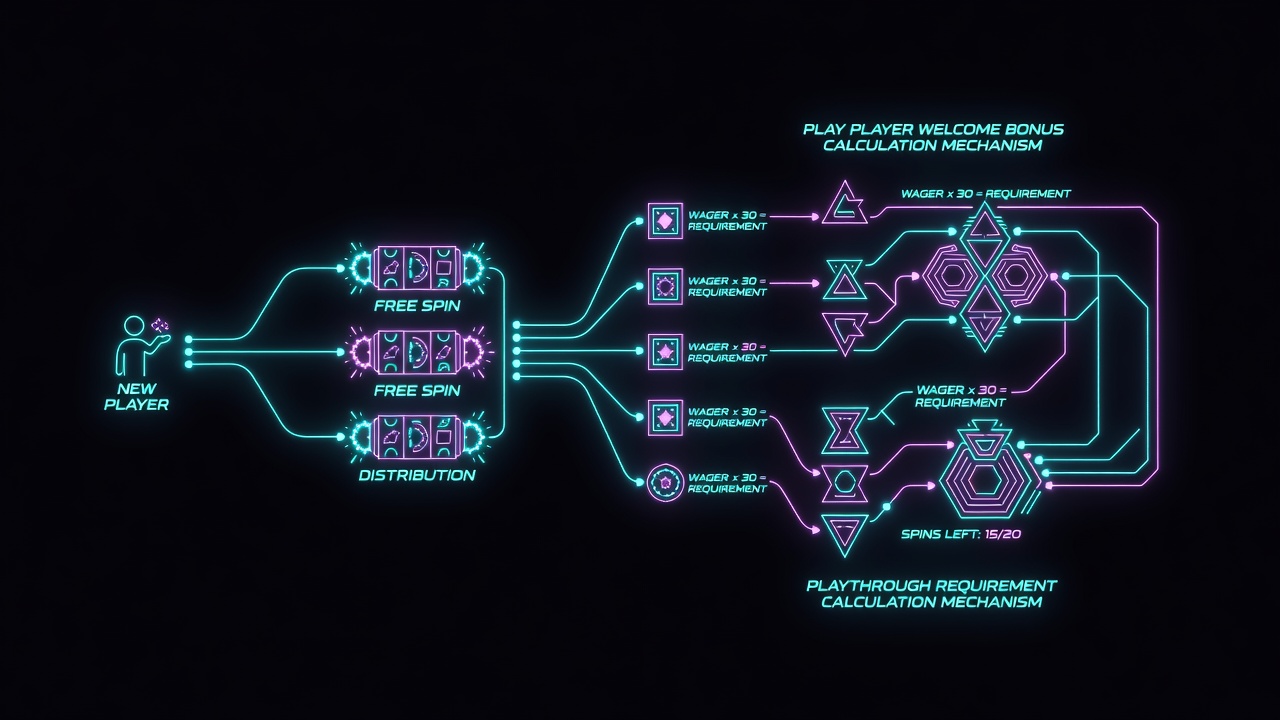
Free Spins on Registration: How They Typically Work
A casino hands you free spins when you join. A young man from Nevada sat down and played them. By the time they were done, he understood something about generosity.

Understanding VIP Programs at Online Casinos
VIP programs are a full-court press on whale retention. The math is simple: one whale is worth a thousand casual players. The casino structures everything around not losing that whale.
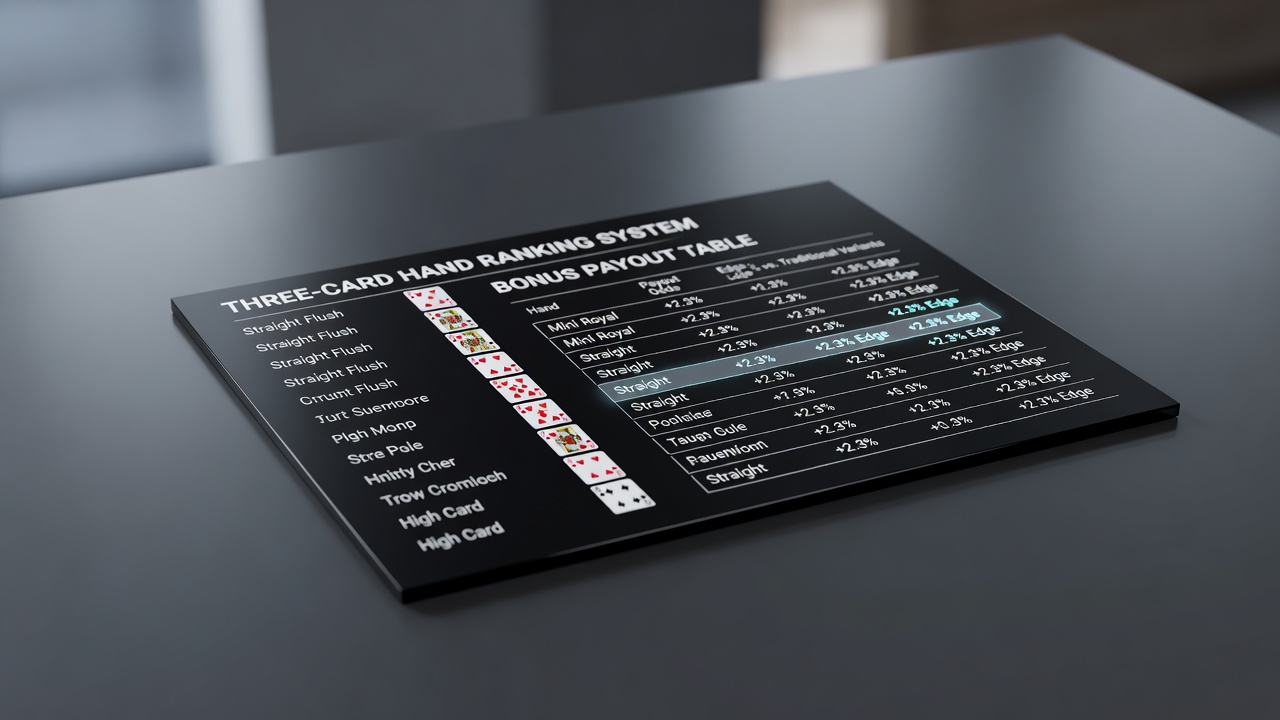
The Math of Six Card Bonus in Three Card Poker
provably fair is a tech term. but three card poker's six-card bonus? that's not provably anything. it's just a bet with a 14% house edge wrapped in shiny UI.
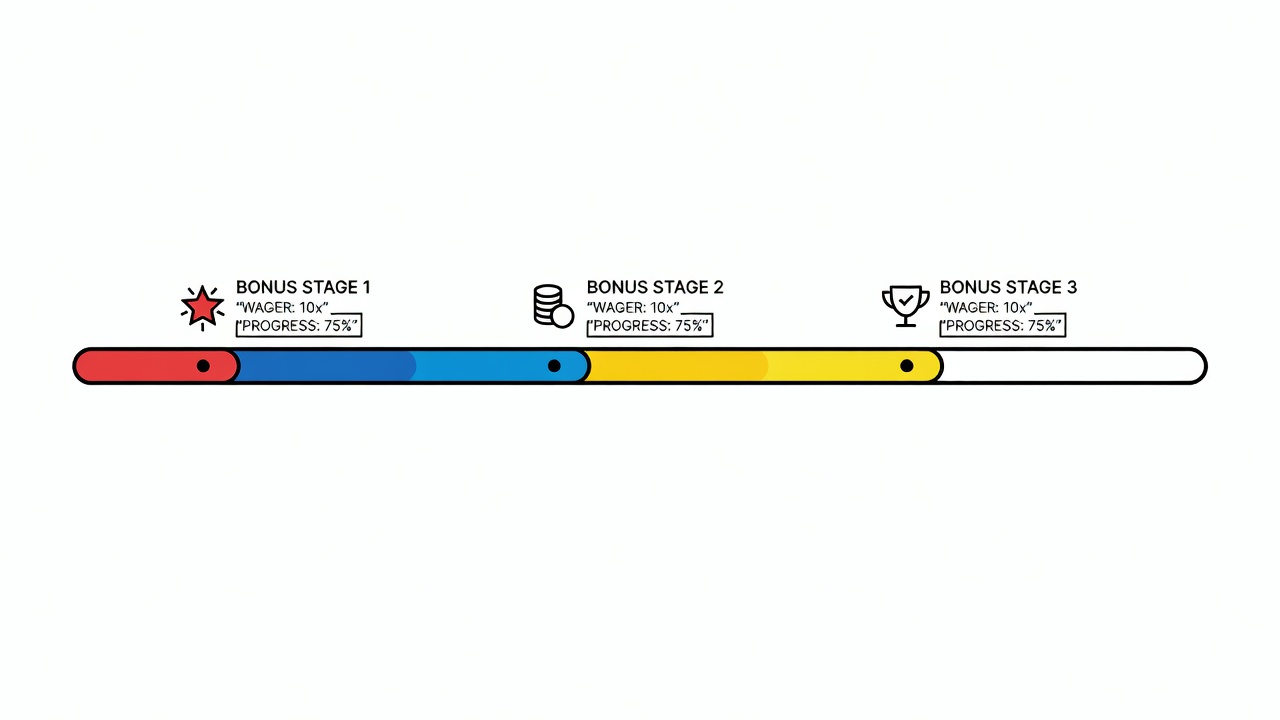
How to Track Your Wagering Progress on a Bonus
The bonus system works like traffic flow. The casino designed the space. The player moves through it. Good design makes the path invisible. Tracking your position in that path is the work.
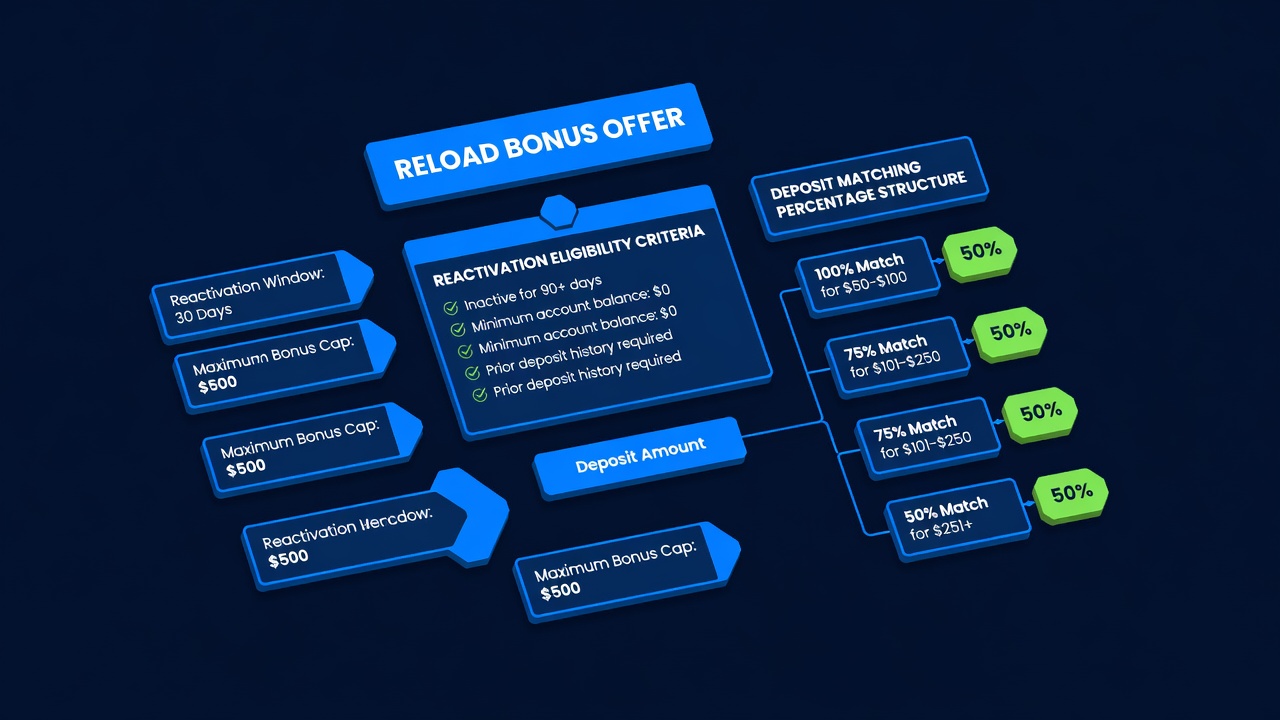
Crypto Casino Reload Bonuses: How They Typically Work
Reload bonuses are a tool to combat player churn. Casinos use them to reactivate dormant players. The mechanics are straightforward, but the value proposition depends entirely on your loss rate.

Prepaid Cards for Casino Deposits: How They Work
A prepaid card is a financial instrument regulated under specific jurisdictional frameworks. The operator loads funds, the player spends them. The regulatory structure determines permissibility.