Dostoevsky's The Gambler: Roulette, Debt, and Literature
Dostoevsky spent years in debt and years at roulette tables. He wrote a novel about both. It is the greatest gambling book ever written.
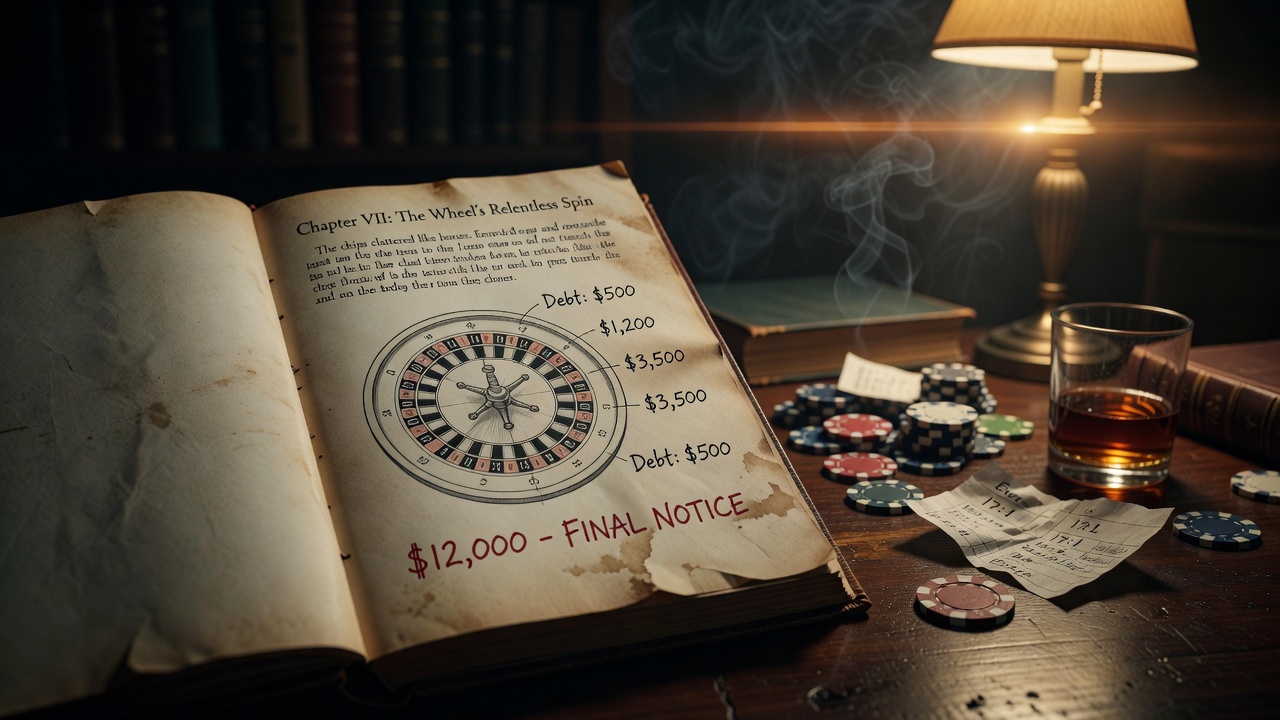
Fyodor Dostoevsky was not a professional gambler. He was a writer who gambled compulsively. He lost fortunes. He wrote about it.
The Gambler, published in 1867, is not about winning. It is about the psychology of needing to win. It is about using a single hand of roulette as metaphor for a life lived in debt.
The Setup
Alex, the protagonist, is a tutor for a Russian family vacationing at a casino resort in Wiesbaden. He is educated. He is intelligent. He is broke. The family is wealthy but fractious, torn by gambling debts of their own.
Alex falls in love with a younger woman in the family. She is beautiful and reckless. She asks him to win money for her at roulette. He says he will.
What follows is not a success story. It is a descent into the logic of compulsive gambling.
The Roulette Section
When Alex sits at the roulette table, the novel becomes hypnotic. Dostoevsky writes the experience of gambling with perfect clarity. The moment before the ball lands is everything. The moment after is irrelevant.
"I felt a strange sensation, a sort of superficial but at the same time overwhelming excitement...and my thoughts were confused and chaotic, like a tempest."
Alex wins initially. He feels the luck. The table becomes a metaphor for his entire life. His whole existence depends on the next spin.
The Philosophy
What is genius about the novel is that Dostoevsky understands something most gambling literature does not: gambling is not about money. It is about the moment of not-knowing.
In life, you do not know if you will succeed. You do not know if love will return your affection. You do not know if you will be rich or poor. This uncertainty is unbearable.
Gambling collapses this uncertainty into a discrete moment. The ball lands. You know. The moment of knowing is relief. This is why roulette is addictive.
Dostoevsky had experienced this. He had gambled away his wife's possessions. He had spiraled into debt and recovered. He knew the feeling.
The Real Pattern
Alex wins, then loses, then wins again in larger amounts, then loses everything. The pattern is not anomalous. It is the inevitable structure of roulette.
Every session, the gambler believes they have found the system. They understand the pattern. This time is different. This time they will beat it.
They do not.
The Ending
The novel does not end with Alex winning or losing his final bet. It ends with him understanding that he has become the gambler. His identity has collapsed into the role. He is no longer a man who gambles. He is a gambler.
This shift in identity is the real tragedy. Not the money lost, but the self lost.
Why It Matters
The Gambler is literature about gambling because Dostoevsky understood that gambling is not mathematical. It is existential.
Modern gambling writing focuses on odds and edge and bankroll management. These are true but they miss the actual experience of gambling, which is about the desire to collapse uncertainty into a moment of knowing.
Dostoevsky got this right. That is why the novel endures.
Next notes
More from #roulette

How the Gambler's Fallacy Affects Roulette Players
Roulette teaches the human brain how to recognize patterns that don't exist. Understanding the design loop reveals why the game is so effective at it.
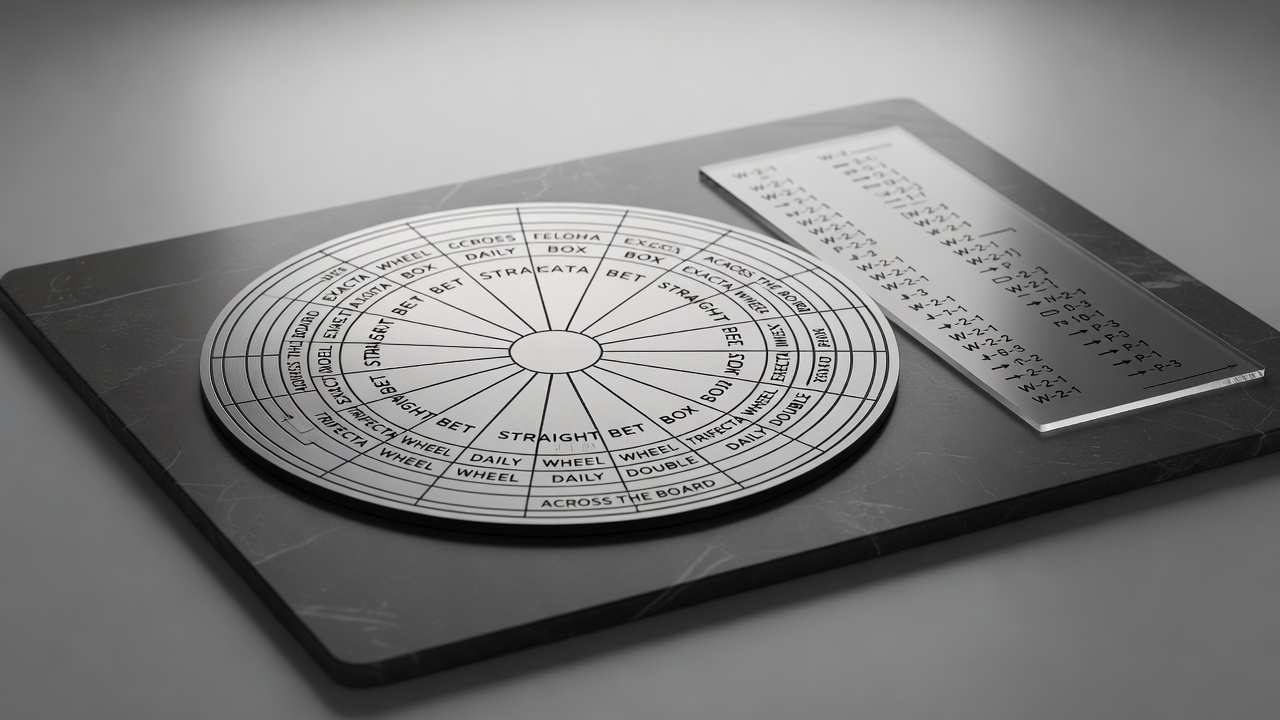
How Racetrack Roulette Layouts Work
High-limit baccarat dealers see things the regular pit does not. A racetrack layout is a language for placing bets without speaking.
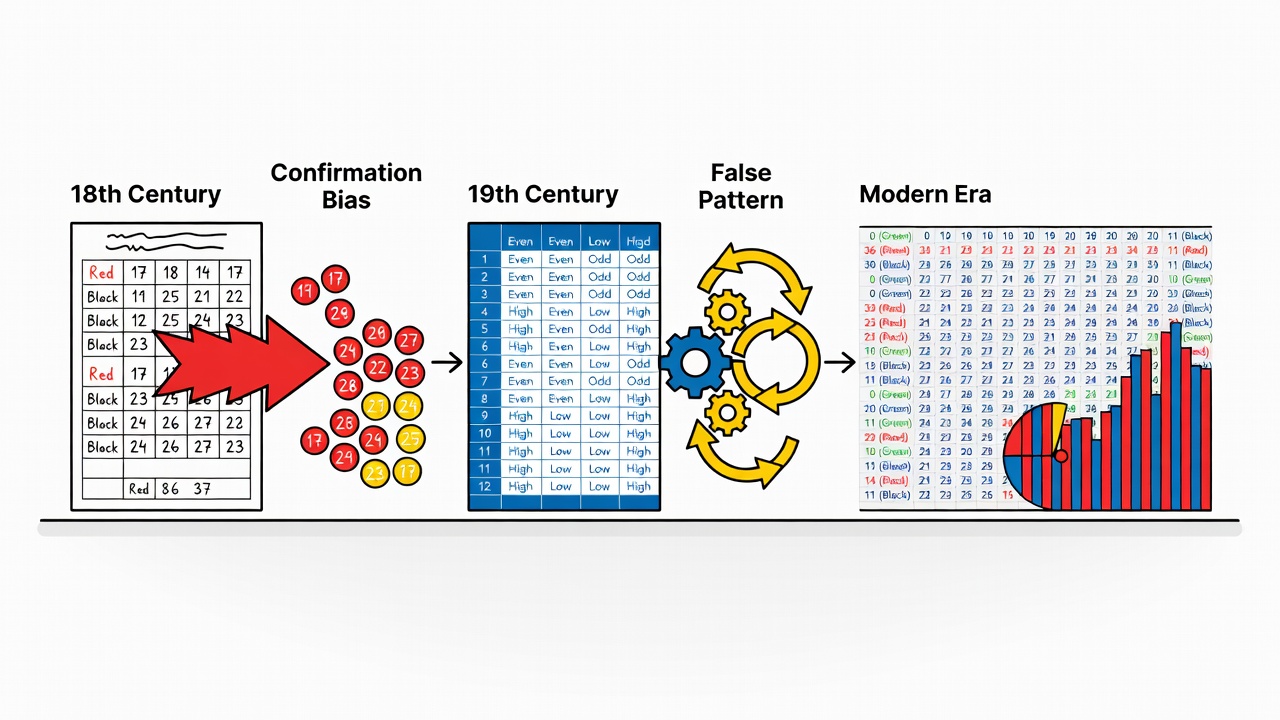
Why Hot and Cold Numbers in Roulette Are a Myth
Bettors have tracked roulette results for centuries looking for patterns in hot and cold numbers. The pattern they find is the pattern they brought to the table.
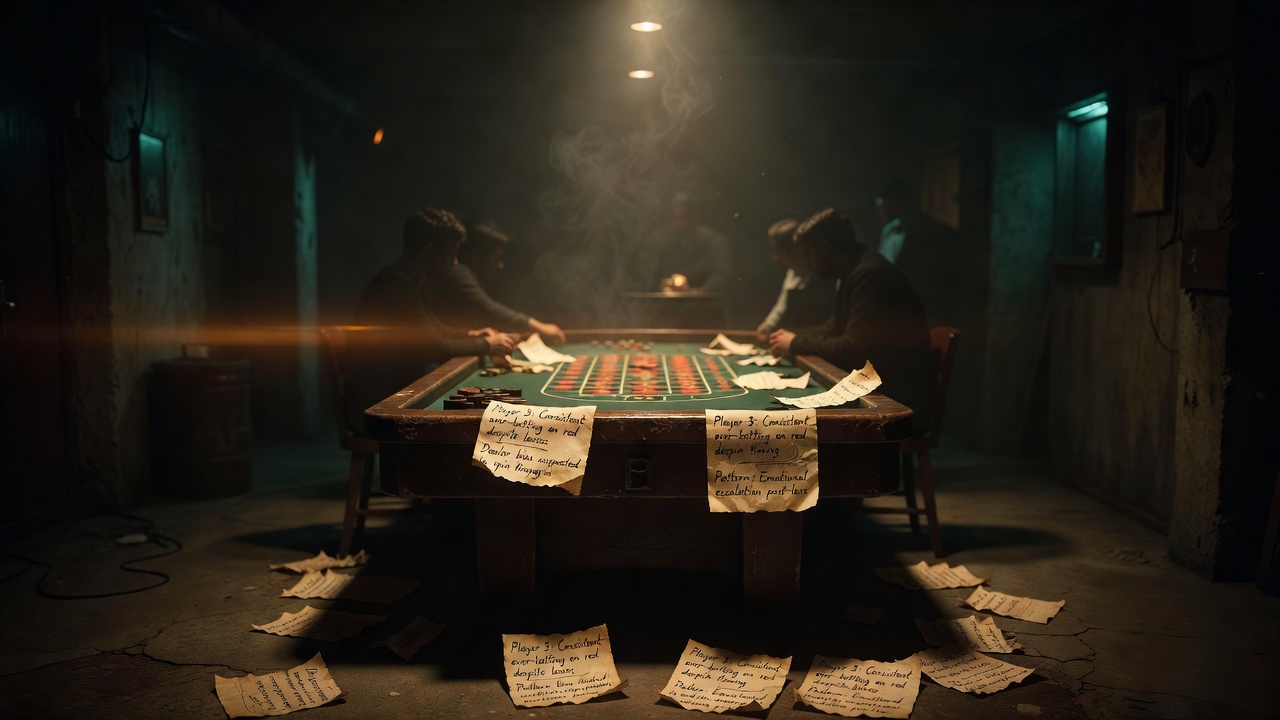
Common Mistakes New Roulette Players Make
I spent months in underground roulette rooms watching fresh players arrive with confidence and leave with lessons. The same errors repeat across every table.
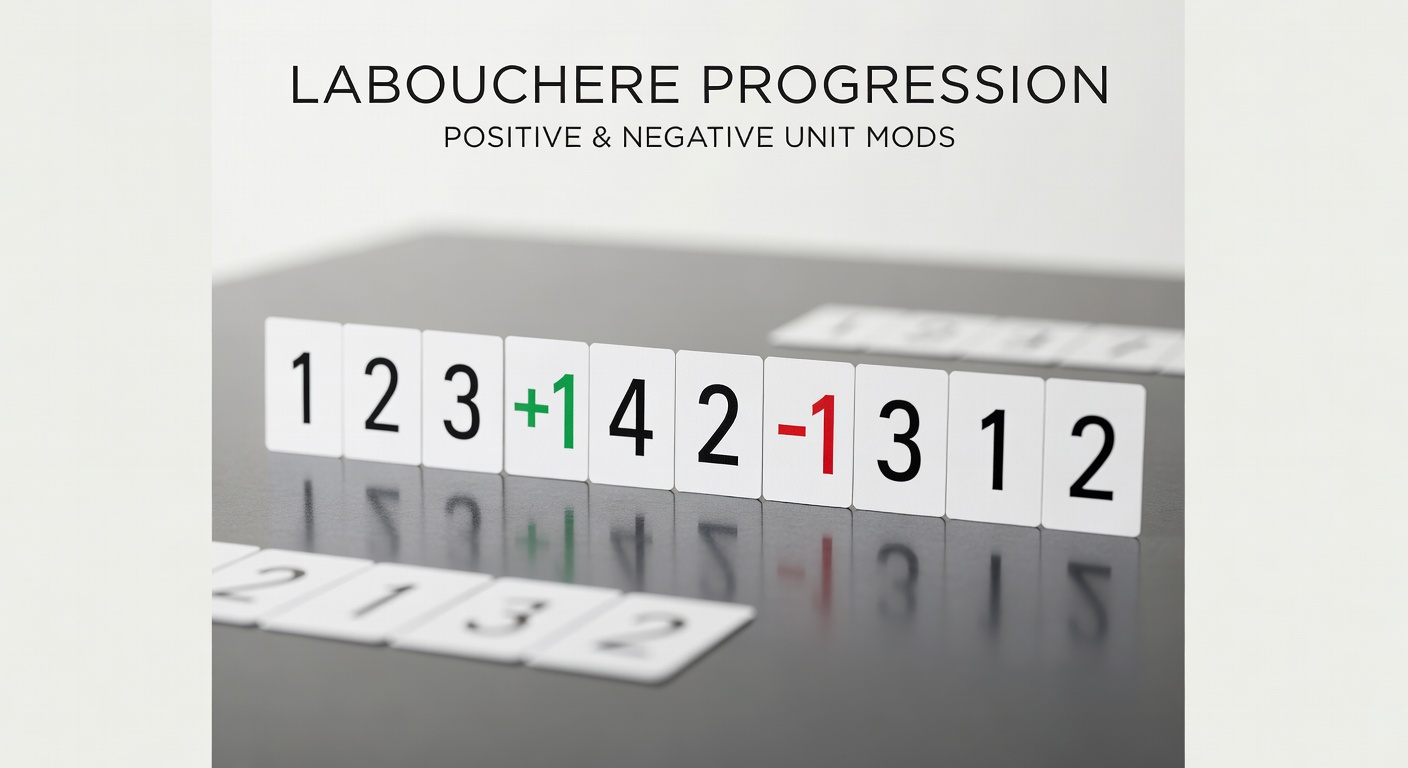
Why the Labouchere System Fails at Low-Stakes Roulette
The Labouchere system works until the wheel finds its teeth, which is inside thirty spins at low stakes. Here is the cold math on why it eats beginners alive, and why table limits and bankroll size make it a trap, not a strategy.
Craps Records: The Longest Rolls Ever Documented
On May 23, 1989, a woman named Patricia Demauro walked to a craps table. She rolled the dice for four hours. What happened in those four hours changed craps forever.