How Racetrack Roulette Layouts Work
High-limit baccarat dealers see things the regular pit does not. A racetrack layout is a language for placing bets without speaking.
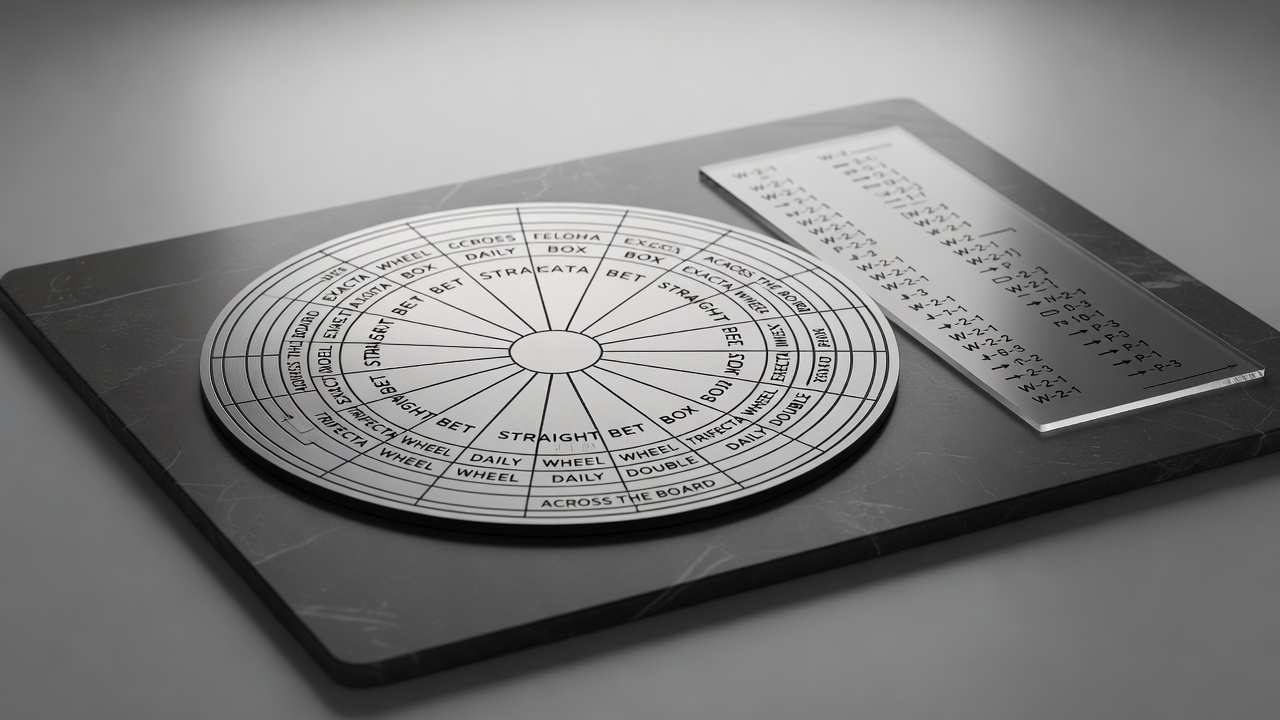
At a high-limit junket in Macau, the racetrack is how you communicate with the wheel. You do not ask the dealer anything. You place your chip on the racetrack. The layout speaks for you.
A racetrack is a double oval drawn outside the numbered grid of a roulette table. It represents all thirty-seven numbers in a compressed format. Instead of reaching across the table to place a chip on number seventeen, you place it on the racetrack at the position representing seventeen.
The whole affair is ritualized.
The Physical Space
The racetrack runs in two ovals. The inner oval represents numbers in their wheel sequence. The outer oval repeats the numbers in reverse sequence. This design allows the dealer and players to see all positions without anyone reaching across the table's center.
At a junket table where three whales are playing side by side, nobody reaches across. Reach across and you invade personal space. You send a signal of disrespect. Racetrack play keeps everyone in their lane.
Numbers are color-coded. Black numbers appear in black. Red numbers appear in red. The positions are exact. There is no ambiguity. You place a chip and everyone knows which number you intended.
Neighbor Bets and the Geometry
The racetrack allows neighbor bets. Place your chip at a position and the bet covers that number plus the two numbers adjacent to it on the wheel.
This is crucial for players who believe in wheel bias or sector play. A wheel bias player might believe seventeen hits more often. They do not want just seventeen; they want seventeen and its neighbors (sixteen and eighteen on the wheel). The racetrack layout lets them express this bet cleanly.
The dealer sees where the chip is placed and knows exactly which three numbers are covered. There is no miscommunication. There is no thirty-second argument about what you intended.
Superstitions and Ritual
Whales have superstitions. One whale will only place bets on the racetrack using a specific finger. Another insists the dealer touch the chip before the spin. Another has a ritual where they place the chip, then tap the table three times, then nod to the dealer.
The racetrack accommodates all of this. The layout is fixed. The ritual flows around it. The dealer knows the superstition has no effect but participates in it because the whale is playing with real money and the superstition matters to them.
Reading the Room
As a dealer, the racetrack tells you what kind of play is happening. A whale using straight bets on single numbers is thinking linearly. They believe in a system, and they are executing it.
A whale using neighbor bets and voisins du zero combinations is thinking wheel geometry. They believe certain sections hit more often. They are playing position, not individual numbers.
A whale using chaotic placements across the racetrack with no pattern is chasing. They are losing and placing desperate bets. These whales tend to double down after losses and become unstable. The racetrack lets you read this drama from across the table.
Why It Matters
The racetrack is efficient. It is secure. It leaves no room for dispute. You placed a chip here, on this number, witnessed by the dealer and the camera. Three hours later when you return to your room, there is no argument about what you bet.
It is also slower. Straight bets on the felt are faster. Racetrack play is measured. It enforces a certain tempo. Spins come at the dealer's pace, not the player's pace. This slowness is deliberate.
High-limit play is not about speed. It is about control, ritual, and clarity. The racetrack layout embodies all three. A whale can express complex intentions without speaking. The dealer can execute with perfect precision. The camera captures everything.
This is the language of the junket.
Next notes
More from #roulette

How the Gambler's Fallacy Affects Roulette Players
Roulette teaches the human brain how to recognize patterns that don't exist. Understanding the design loop reveals why the game is so effective at it.
Dostoevsky's The Gambler: Roulette, Debt, and Literature
Dostoevsky spent years in debt and years at roulette tables. He wrote a novel about both. It is the greatest gambling book ever written.
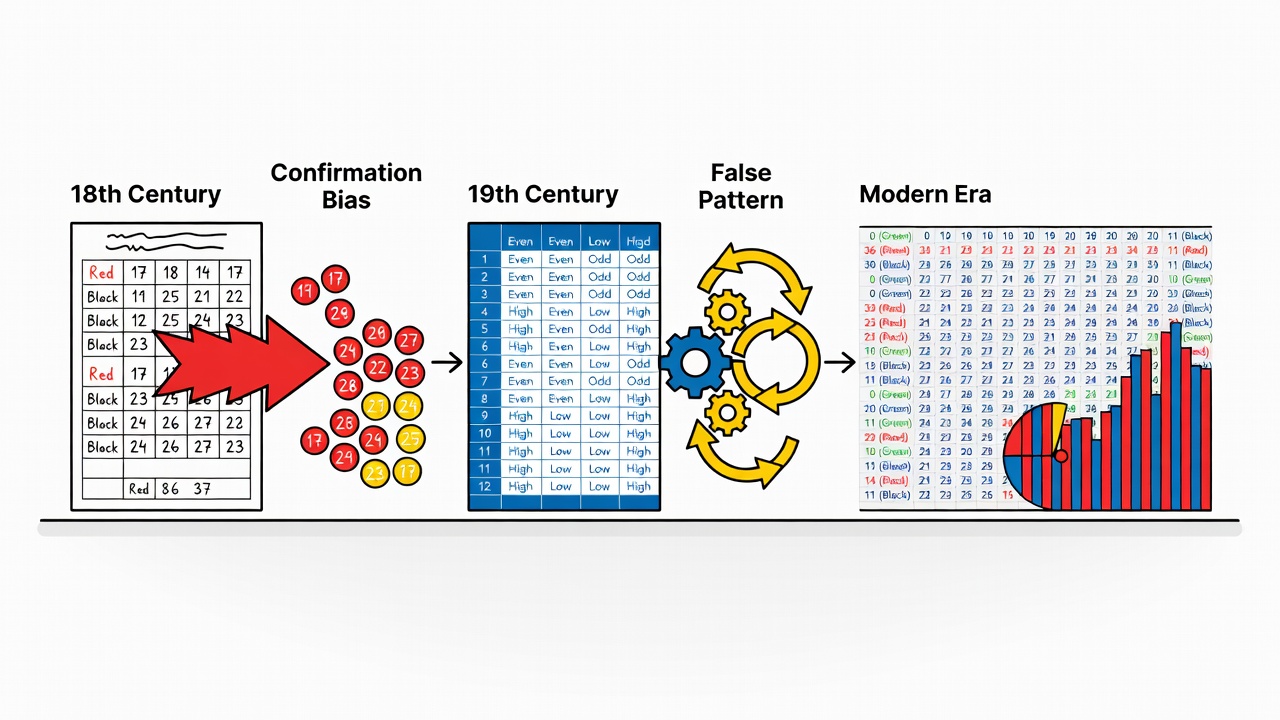
Why Hot and Cold Numbers in Roulette Are a Myth
Bettors have tracked roulette results for centuries looking for patterns in hot and cold numbers. The pattern they find is the pattern they brought to the table.
Common Mistakes New Roulette Players Make
I spent months in underground roulette rooms watching fresh players arrive with confidence and leave with lessons. The same errors repeat across every table.
Why the Labouchere System Fails at Low-Stakes Roulette
The Labouchere system works until the wheel finds its teeth, which is inside thirty spins at low stakes. Here is the cold math on why it eats beginners alive, and why table limits and bankroll size make it a trap, not a strategy.
Immersive Roulette: How Camera Angles Changed Live Play
The Resorts had a money wheel in 1978, and they filmed it with one camera from above. Evolution Films it from eight angles. The difference in the experience is architectural.