Common Mistakes New Roulette Players Make
I spent months in underground roulette rooms watching fresh players arrive with confidence and leave with lessons. The same errors repeat across every table.

The roulette table is a theater of small rituals. Players arrive with hunches, betting systems scrawled on napkins, certainty that their method will crack the code. I have sat through thousands of spins watching this unfold.
The first mistake arrives before a single chip is placed. New players believe that observing recent results grants them an edge. They study the last twenty spins, looking for patterns. Red has come up seven times. Black is due. This is the gambler's fallacy, and it operates like a virus in the mind. I watched a man in a Seoul room track numbers for forty minutes, convinced that 17 was destined to appear. It did, eventually. He had lost nine thousand dollars waiting for it.
Overconfidence in Betting Systems
Every room has a player convinced they have solved roulette. The Martingale system, the Fibonacci sequence, the labouchere progression. In a Macau junket I knew a regular who had memorized seventeen different systems. He would switch between them based on mood. When he won, he believed the system had worked. When he lost, he blamed poor execution. After three years, I never saw him leave ahead.
The mathematics are unforgiving. European roulette has a house edge of 2.7 percent. American roulette is 5.26 percent. No progression, no pattern recognition, no tracking device eliminates this.
New players also fail to distinguish between short-term variance and long-term mathematics. A winning streak of six spins feels like validation of their method. It is not. It is the expected noise of a random system. The man sitting next to them, betting the opposite, is also winning those six spins. Both feel brilliant for exactly as long as it takes for variance to revert.
Bankroll Dissolution Without Boundaries
I watched a woman from Manila sit at a table with three thousand dollars. She planned to play for an hour. By minute nineteen, she had two hundred dollars left. She had chased every loss with slightly larger bets, convinced the next spin would recover her position. It never did.
New players arrive without a clear stopping point. They know the math favors the house, but this knowledge sits in the back of their mind while their hands place chips. They tell themselves they will stop at a specific loss threshold. When they reach it, they say one more spin. Then three more. Then twenty.
The players who maintain control do something the others do not: they establish a session budget and treat it like a ceiling, not a floor. A thousand dollars for the night. When it is gone, the night ends. This sounds simple. In the room, after three losing streaks in a row, with the possibility of recovery waiting one spin away, it is not.
Misreading the Layout
Roulette tables have different betting areas. The inside bet pays 35 to 1 but hits once every 37 spins on average. The outside bet, like red or black, pays even money but carries the same house edge. New players often gravitate toward inside bets, imagining the higher payout justifies the longer odds. They place chips on single numbers, streets, corners. The payouts glitter. The probability of hitting them is grim.
A professional gambler I met in a high-limit room explained his approach differently. He viewed roulette not as a path to winning but as a consumption experience. He had a fixed budget for entertainment. He would play outside bets because they extended his session time. The money was already spent the moment he bought chips. How long the money lasted mattered more than which bets he placed.
New players have not made this shift. They still harbor fantasies of advantage. They still believe one session, one night, one bet will reverse their position.
The roulette wheel is honest. It has no memory. It has no obligation to make anything right. Learning to play without expecting it to is the hardest lesson roulette teaches.
Next notes
More from #roulette

How the Gambler's Fallacy Affects Roulette Players
Roulette teaches the human brain how to recognize patterns that don't exist. Understanding the design loop reveals why the game is so effective at it.
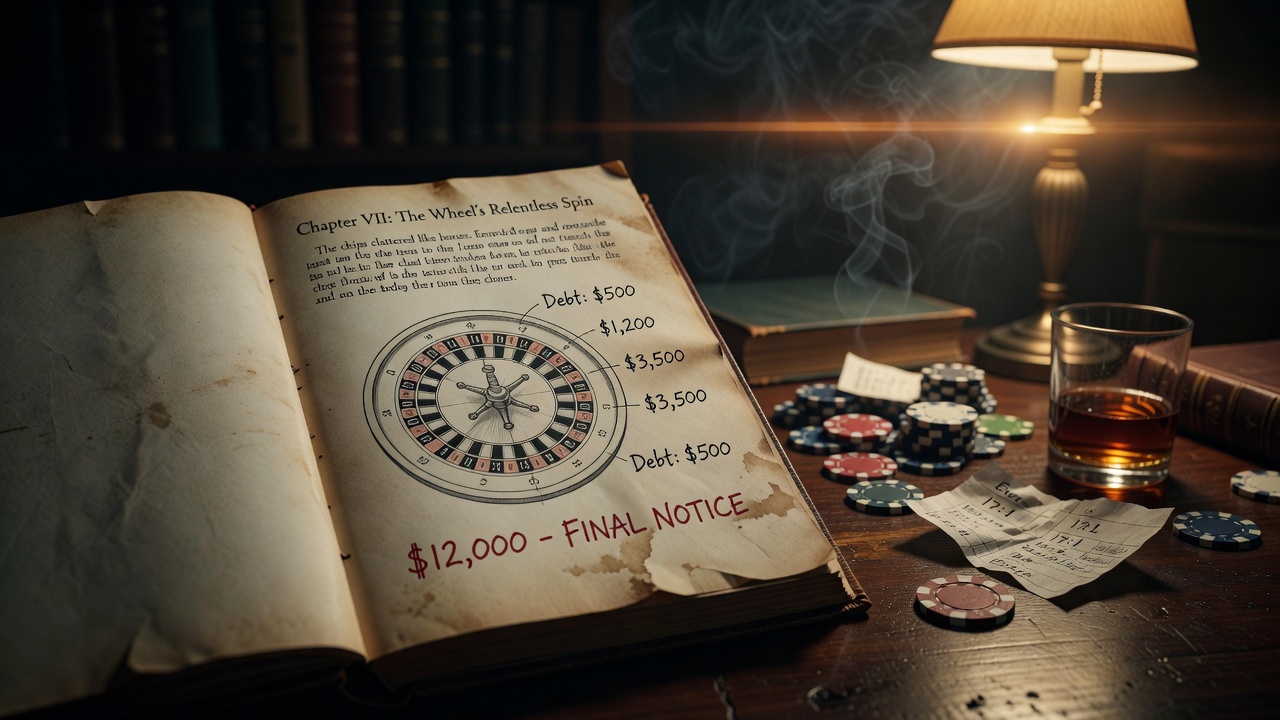
Dostoevsky's The Gambler: Roulette, Debt, and Literature
Dostoevsky spent years in debt and years at roulette tables. He wrote a novel about both. It is the greatest gambling book ever written.
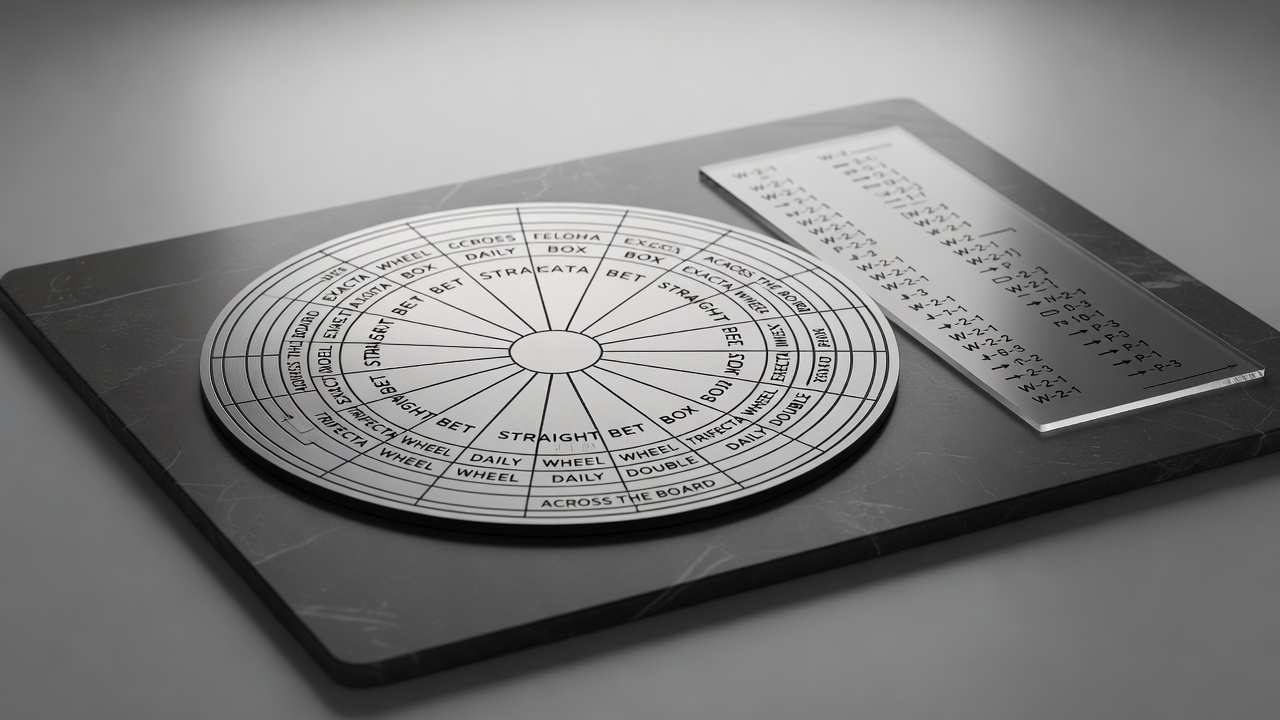
How Racetrack Roulette Layouts Work
High-limit baccarat dealers see things the regular pit does not. A racetrack layout is a language for placing bets without speaking.
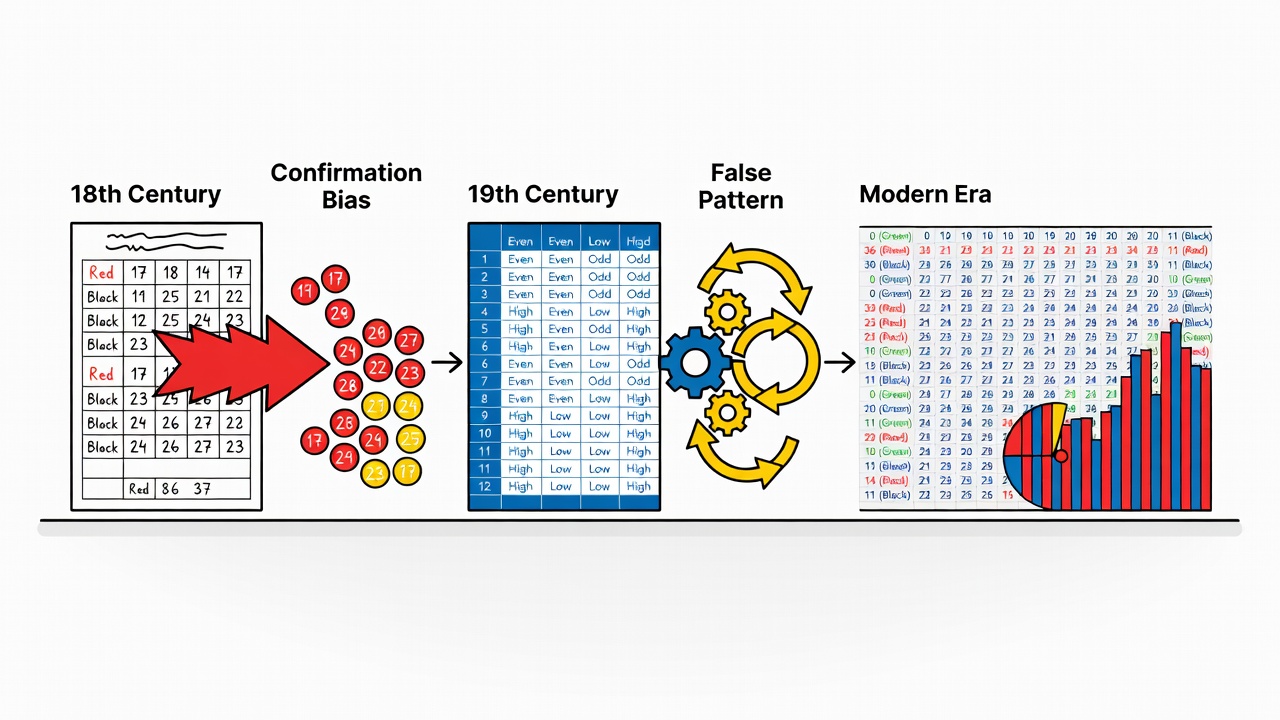
Why Hot and Cold Numbers in Roulette Are a Myth
Bettors have tracked roulette results for centuries looking for patterns in hot and cold numbers. The pattern they find is the pattern they brought to the table.
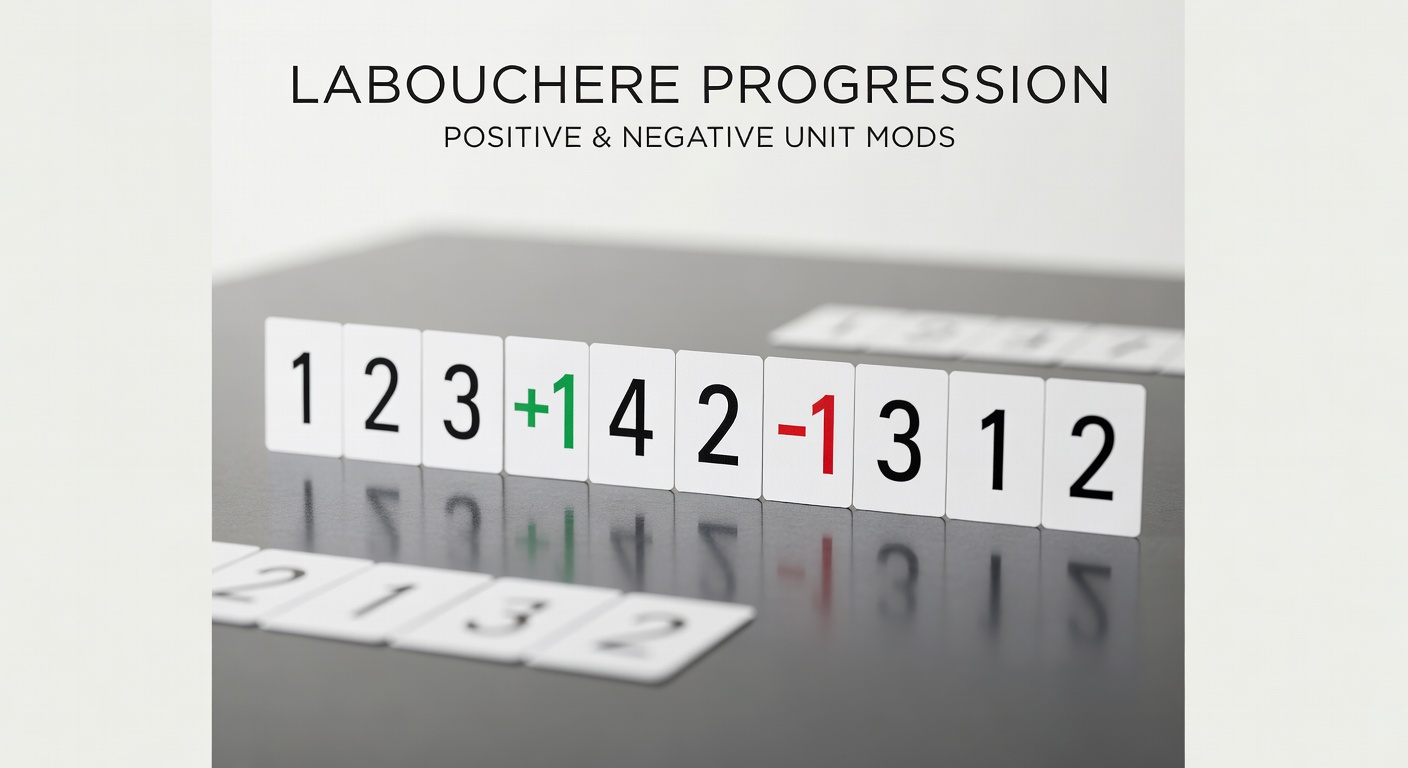
Why the Labouchere System Fails at Low-Stakes Roulette
The Labouchere system works until the wheel finds its teeth, which is inside thirty spins at low stakes. Here is the cold math on why it eats beginners alive, and why table limits and bankroll size make it a trap, not a strategy.

The Ultimate Guide to 3-Betting in No-Limit Hold'em
Three-betting is a specific technique used in poker to apply pressure. It worked the same way in organized crime investigations. Apply pressure, watch who cracks.