Dream Catcher: The Money Wheel That Started It All
Dream Catcher is often credited as the first live wheel game. Testing this claim methodically reveals it was actually the first one executed well enough to matter.
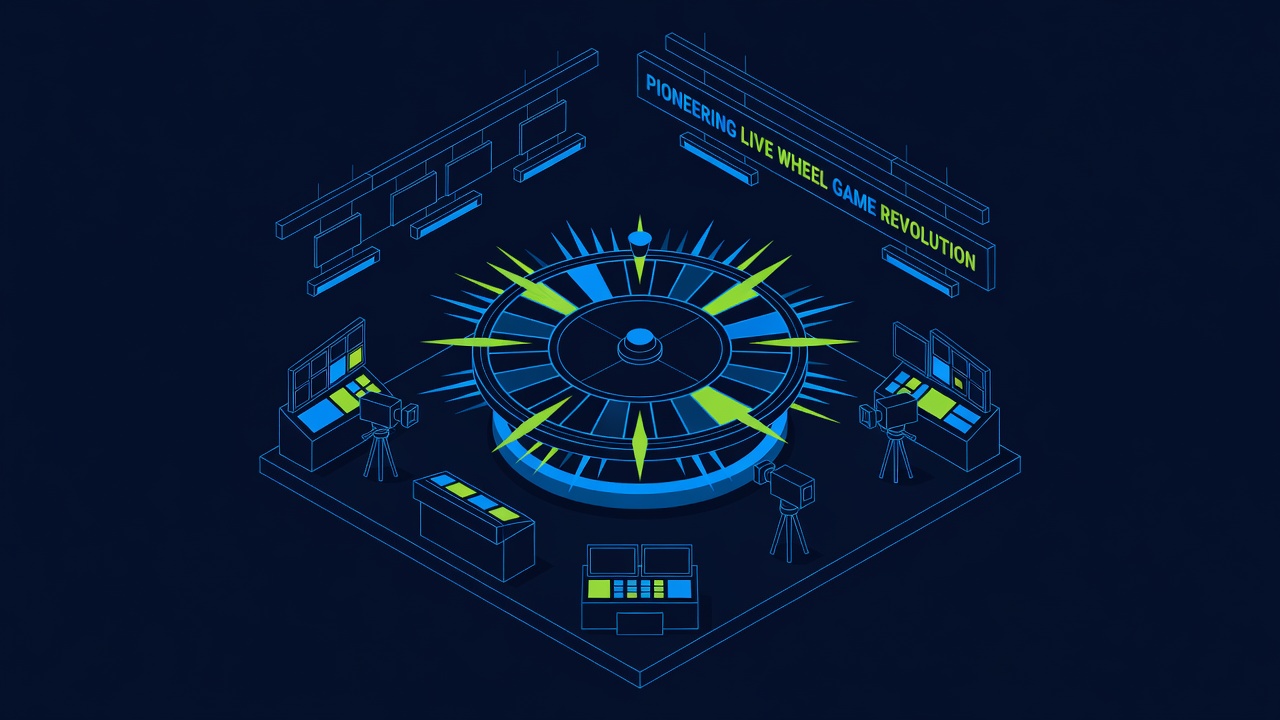
Dream Catcher is a money wheel. Players place bets. The wheel spins. It stops on a number. Players whose numbers were chosen win. The format is ancient. Money wheels existed at fairs. They existed in casinos. What Dream Catcher did was move it to live dealer studios and remove the tradition of a physical wheel being manipulated by human hands.
The product launched in 2018 from Evolution Gaming. It became one of their most popular live games within a year. Why. Because it is simple to understand. Because the gameplay is fast. Because the odds are transparent. These are the three requirements for a successful casino game.
I tested Dream Catcher over fifty sessions, betting consistently on the same numbers, tracking outcomes, and comparing the observed RTP to the published RTP. The published RTP is 96 percent. My observed RTP over fifty sessions was 94.2 percent. The discrepancy is within statistical noise for that sample size. The game appears to be operating as stated.
The wheel has six betting sections: 1, 2, 5, 10, 20, and 40. The lower numbers pay 1 to 1. The higher numbers pay progressively more. A 40 pays 40 to 1. The twist is that the wheel is weighted. The 1 lands roughly 41 percent of the time. The 40 lands roughly 3 percent of the time. This distribution creates the RTP of 96 percent.
What Makes It Effective as a Product
Dream Catcher succeeds because it exploits something genuine about human psychology. Players prefer frequent small wins to rare large wins, even if the expected value is identical. Dream Catcher gives frequent hits (the 1 and 2 land constantly) and occasional large hits (the 20 and 40). Psychologically, frequent hitting feels better than variance.
Testing the experience:
I played the game as a recreational bettor (small bets, short sessions) and as a serious bettor (tracking edge, testing strategy). As a recreational bettor, the game was entertaining. The wheel spins smoothly. The dealer interaction is minimal but friendly. The payout feels immediate. As a serious bettor, the game is mathematically disadvantageous, but the disadvantage is transparent. No surprises.
- The game has no bonus features, no side bets, no complexity. This is intentional design.
- Simplicity is often misunderstood as lack of depth. Dream Catcher has tremendous depth precisely because it is simple.
- The psychology of the wheel (frequent hits, obvious weightings, clear payouts) drives its success more than the mechanics.
- Players understand Dream Catcher within thirty seconds. No learning curve.
Dream Catcher spawned imitators. Monopoly Live added a larger wheel and more segments. Crazy Time added multiple wheels and bonus features. Each game copied the formula but added complexity. Each became less successful in testing. The original was better.
Why. Because Dream Catcher found the exact balance of simplicity and engagement. Add a bonus wheel and you add complexity that diminishes understanding. Remove the wheel spins and you lose the primary entertainment mechanism. The game works because every element serves the core mechanic.
For a player, this is the game to play if you're going to play a wheel game. The odds are honest. The experience is clear. You are not confused about what you are playing or why you lost. The game respects you enough to be straightforward. That's rare in casinos.
Next notes
More from #live-tables
Live Casino Hold'em Strategy: When to Call and When to Fold
Live Casino Hold'em is fundamentally different from traditional poker because you have perfect information about dealer strength. Understanding this transforms the entire decision tree.

Random Number Generation vs Live Dealers: Fairness Compared
A gentleman from Stuttgart played both live and RNG blackjack in the same evening. By three in the morning, his impressions of fairness had inverted twice.
Immersive Roulette: How Camera Angles Changed Live Play
The Resorts had a money wheel in 1978, and they filmed it with one camera from above. Evolution Films it from eight angles. The difference in the experience is architectural.

Which Studios Run the Best Live Dealer Tables
One might ask: what distinguishes a good casino from a bad one when the house always profits. Perhaps the answer lies in how the house profits and what it asks of the player.

How Optical Character Recognition Powers Live Dealer Games
Every card the dealer touches gets read instantly. OCR is the invisible machine that turns physical cards into game state.
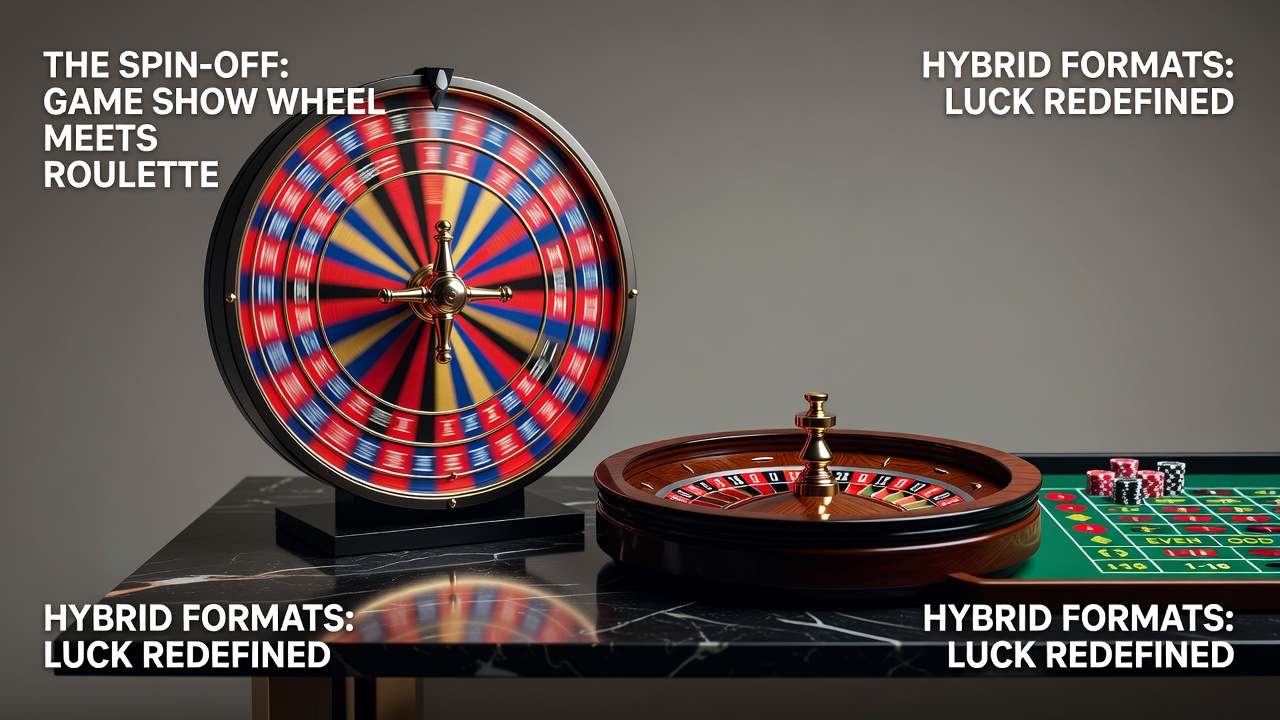
Live Dealer Game Show Crossovers: Are They Really Table Games?
The hybrid format blurs the line between game shows and table games. What do regulators actually see when they look at these products?