Random Number Generation vs Live Dealers: Fairness Compared
A gentleman from Stuttgart played both live and RNG blackjack in the same evening. By three in the morning, his impressions of fairness had inverted twice.
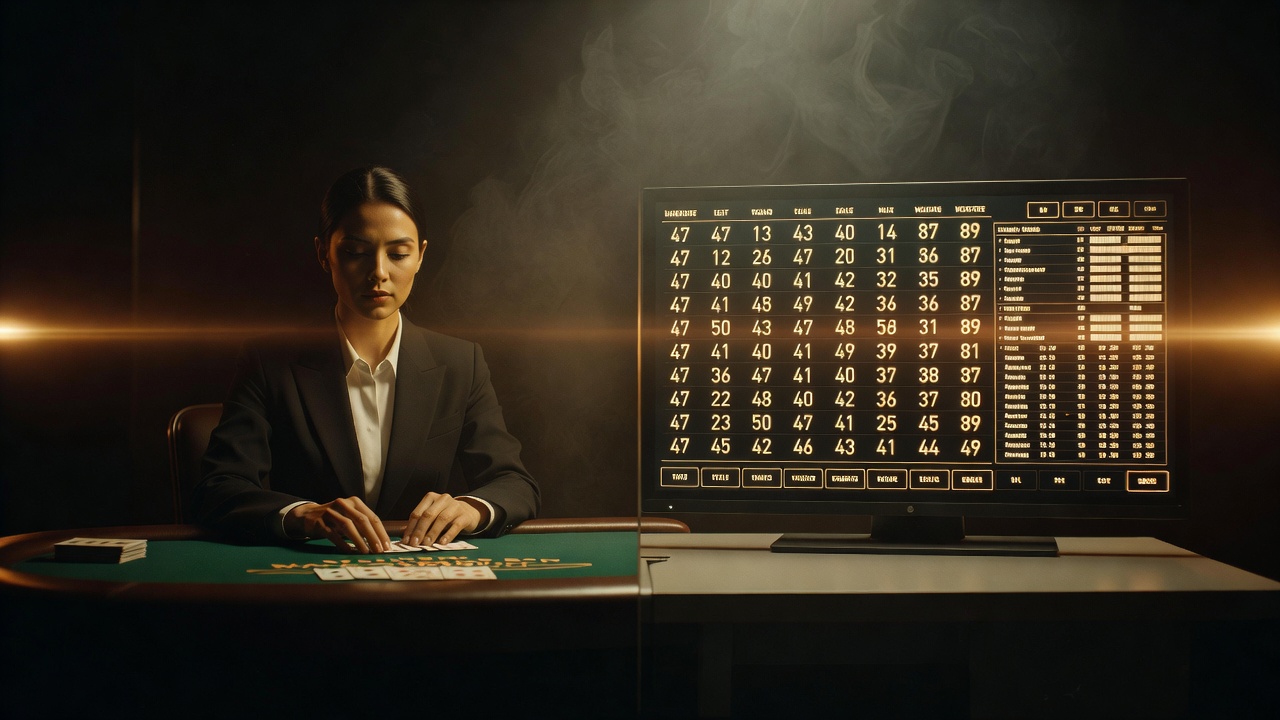
The high-limit room at Monte Carlo has a specific character. No clocks. No windows. No indication of time passing. I've hosted games where the primary entertainment was the room itself, not the cards. One evening, a man from Stuttgart played blackjack at the live tables until the sun was up. Then he moved to the digital blackjack in his suite. By afternoon, he'd been playing both long enough that his intuition about fairness had shifted.
He'd arrived believing live blackjack was more trustworthy. A real dealer, real cards, his eyes on the action. By the second evening, he'd seen himself lose hand after hand at the live table. His intuition shifted. Maybe RNG was fairer because it had no grudge. A computer cannot dislike you. A dealer is, after all, a person.
This is the texture of the question. Both systems are fair in the mathematical sense. Both have identical house edges (roughly 0.5 percent on basic strategy blackjack). But fairness is not just mathematics. Fairness is also perception. And perception shifts with luck.
A live dealer game is fair because a human is dealing a real deck. You can see the cards. You can see the shuffle. You can theoretically count cards (though casinos prevent this). The game is transparent in a way that feels trustworthy. Except when you lose. Then transparency feels like conspiratorial knowledge. The dealer knows where the good cards are. The shuffle was designed to prevent you from winning. The game is rigged in the dealer's favor through the dealer's intention.
The Truth of Both Systems
An RNG system is fair because mathematics is impartial. The random number generator has no consciousness. It has no preferences. It cannot hate you or favor you. It generates a result. You win or you lose based on that result. Except when you lose. Then the RNG seems rigged. The algorithm probably detected that you were winning and adjusted to take you down. The computer is conspiring against you.
Both perceptions are irrational. Both feel true when you're losing.
A live dealer has no incentive to cheat. The dealer makes the same hourly wage whether you win or lose. The house is already taking the edge. The dealer gains nothing by dealing you bad cards. An RNG has no consciousness to conspire. It is code. Code does not have intention.
- The house edge exists in both systems identically.
- The probability of any specific hand is identical in both systems.
- Your perception of fairness is not correlated with actual fairness.
- Your perception of fairness is highly correlated with whether you're winning.
I watched the Stuttgart gentleman lose substantial sums at both live and RNG tables. By the end, he'd cycled through belief and doubt in both systems multiple times. He'd arrived trusting live. He'd ended believing neither. The consistency of his losing experience across both platforms had convinced him that something was wrong with either the games or himself.
Neither was true. He was losing because the house edge existed. The house edge was 0.5 percent. Over enough hands, a 0.5 percent edge produces consistent losses. The fact that it felt worse at the live table is only because he could see the dealer's face. The face became the explanation for his loss. The computer cannot have a face, so its evil must be hidden deeper.
Next notes
More from #live-tables
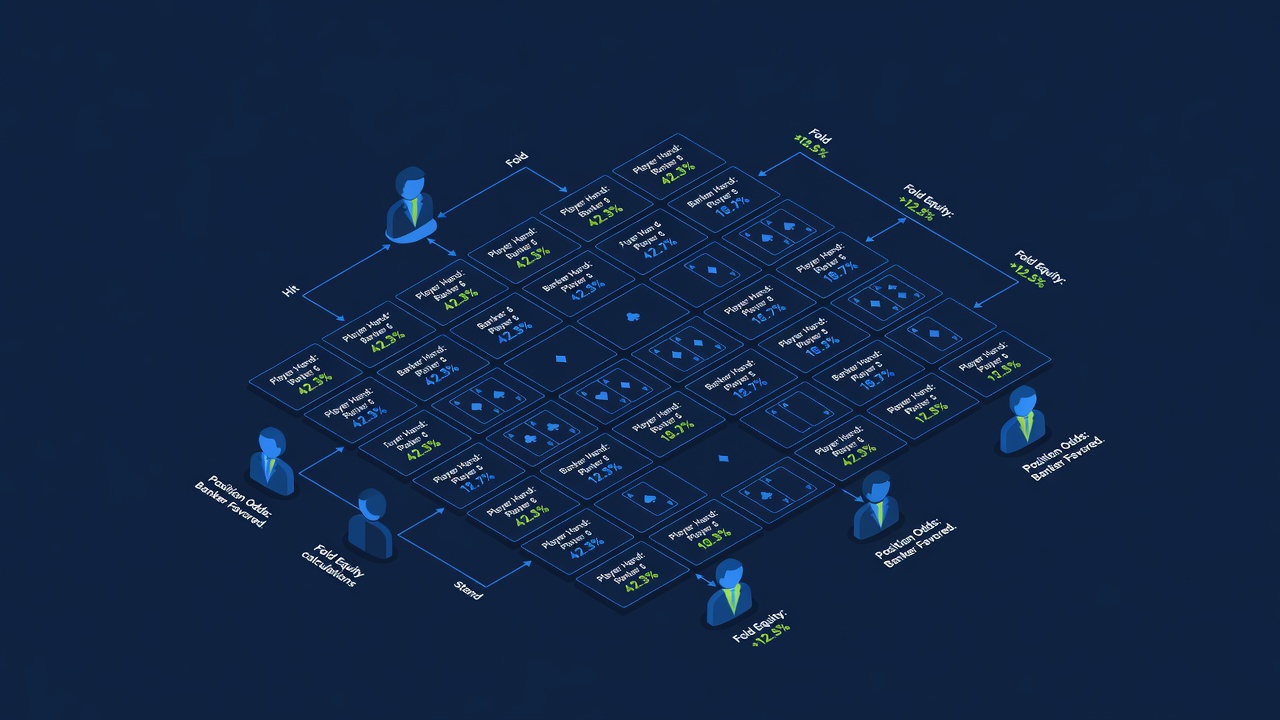
Live Casino Hold'em Strategy: When to Call and When to Fold
Live Casino Hold'em is fundamentally different from traditional poker because you have perfect information about dealer strength. Understanding this transforms the entire decision tree.
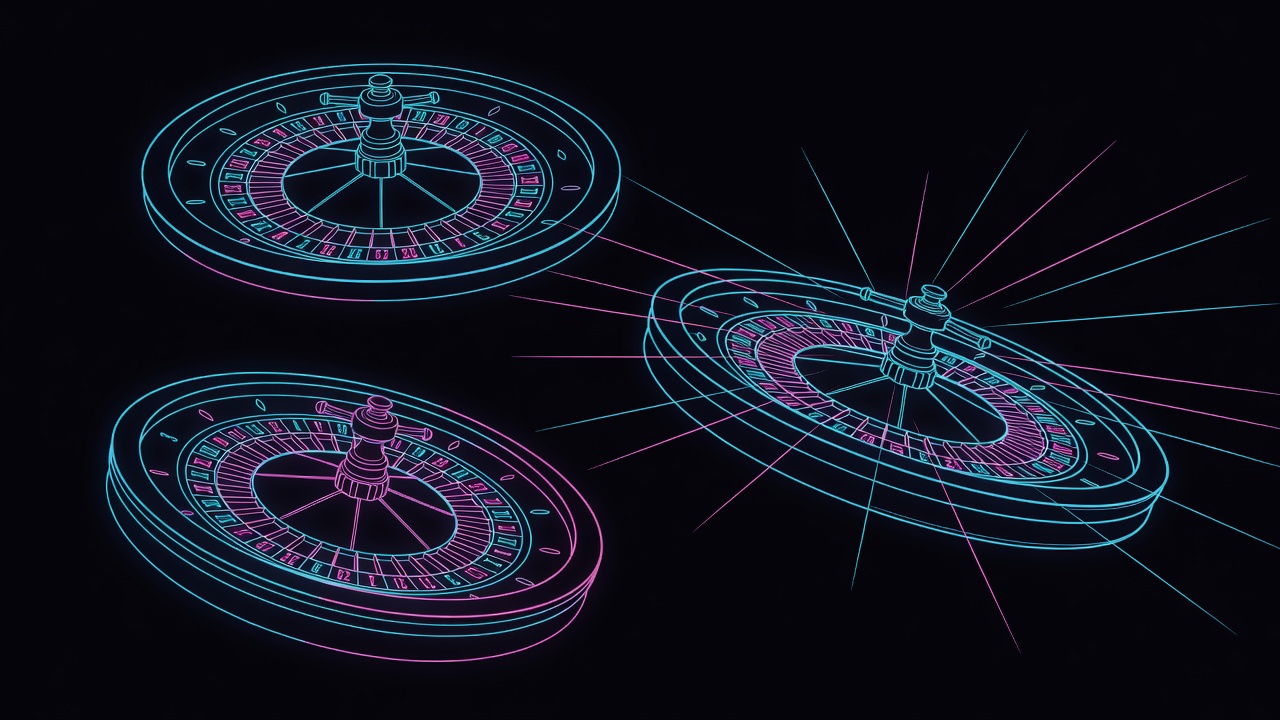
Immersive Roulette: How Camera Angles Changed Live Play
The Resorts had a money wheel in 1978, and they filmed it with one camera from above. Evolution Films it from eight angles. The difference in the experience is architectural.
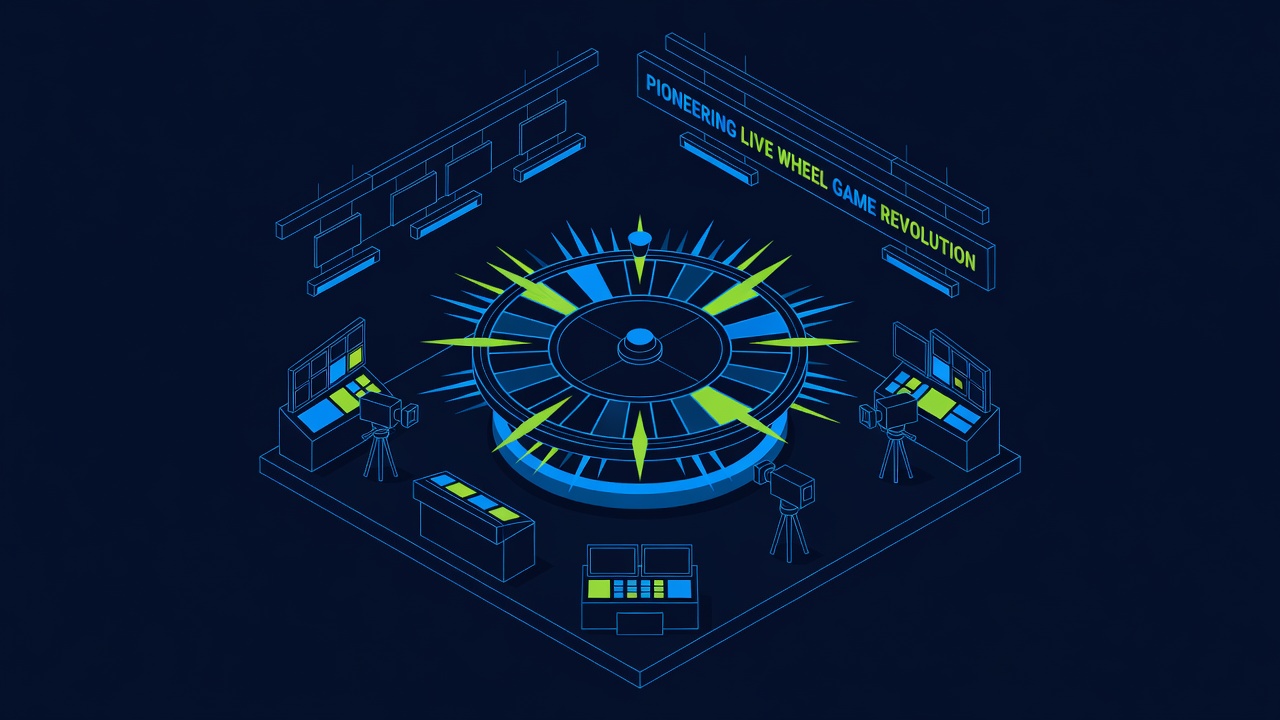
Dream Catcher: The Money Wheel That Started It All
Dream Catcher is often credited as the first live wheel game. Testing this claim methodically reveals it was actually the first one executed well enough to matter.
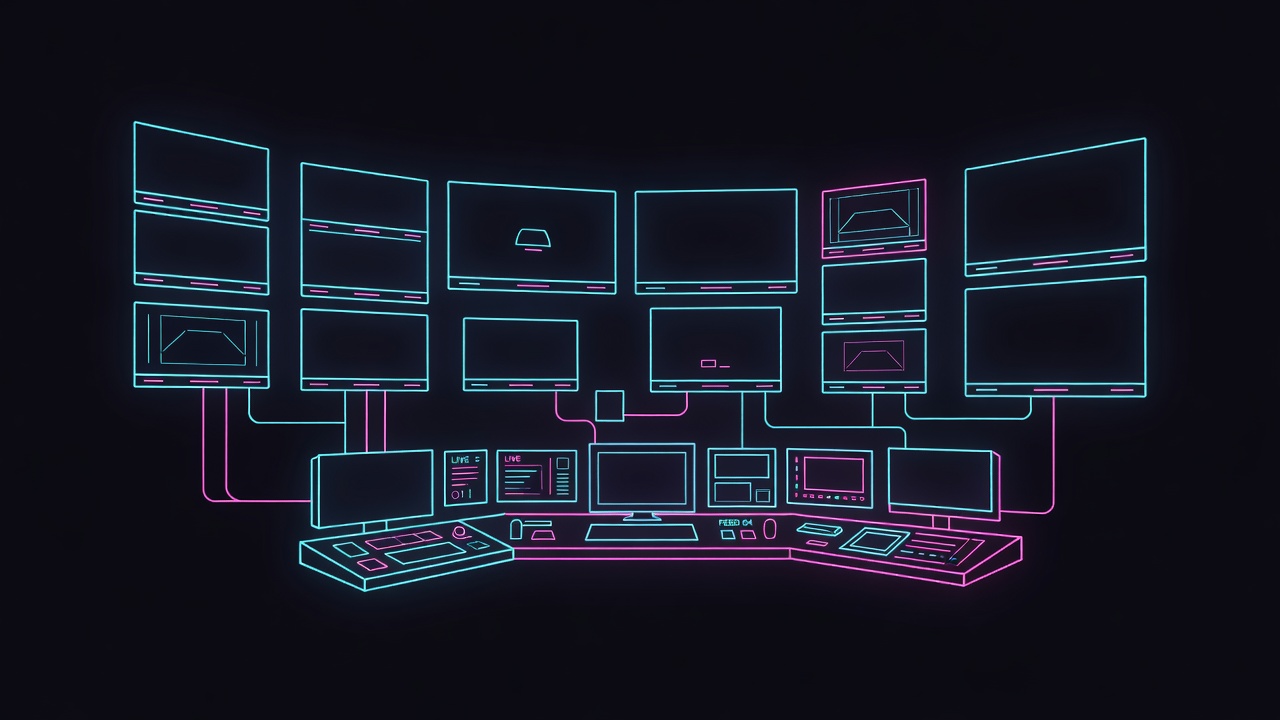
Which Studios Run the Best Live Dealer Tables
One might ask: what distinguishes a good casino from a bad one when the house always profits. Perhaps the answer lies in how the house profits and what it asks of the player.
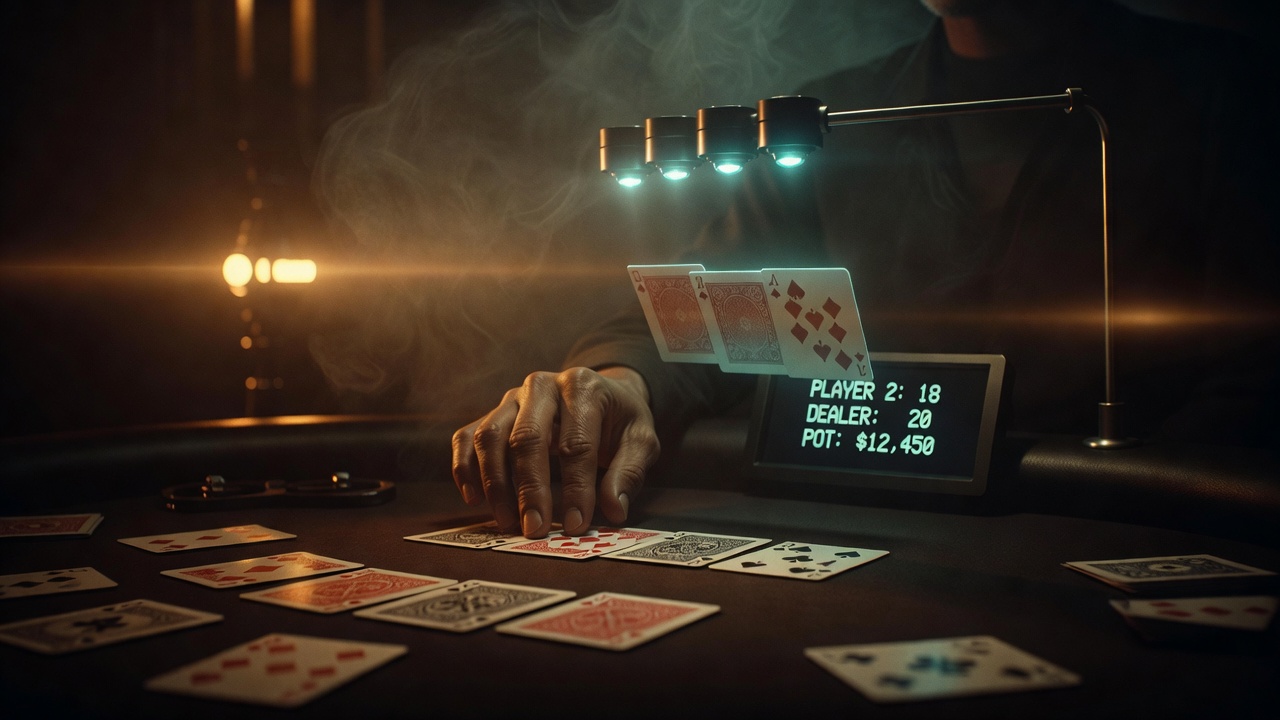
How Optical Character Recognition Powers Live Dealer Games
Every card the dealer touches gets read instantly. OCR is the invisible machine that turns physical cards into game state.
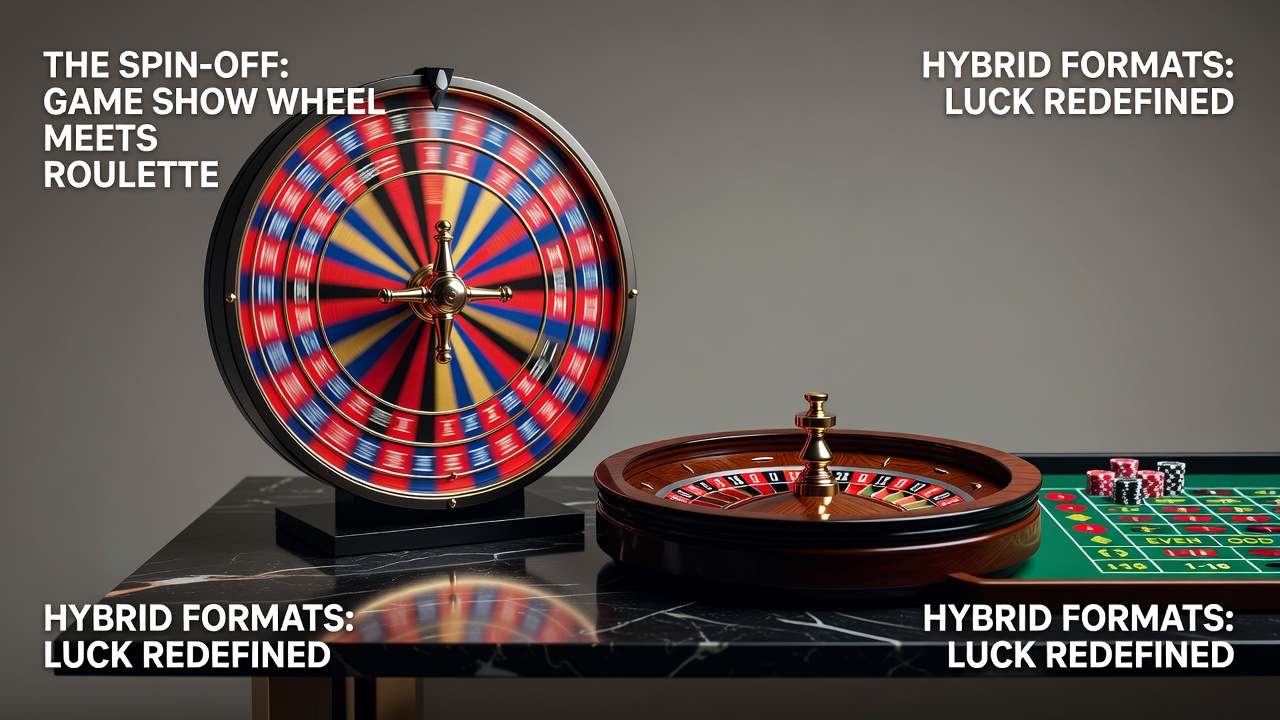
Live Dealer Game Show Crossovers: Are They Really Table Games?
The hybrid format blurs the line between game shows and table games. What do regulators actually see when they look at these products?