Live Casino Hold'em Strategy: When to Call and When to Fold
Live Casino Hold'em is fundamentally different from traditional poker because you have perfect information about dealer strength. Understanding this transforms the entire decision tree.
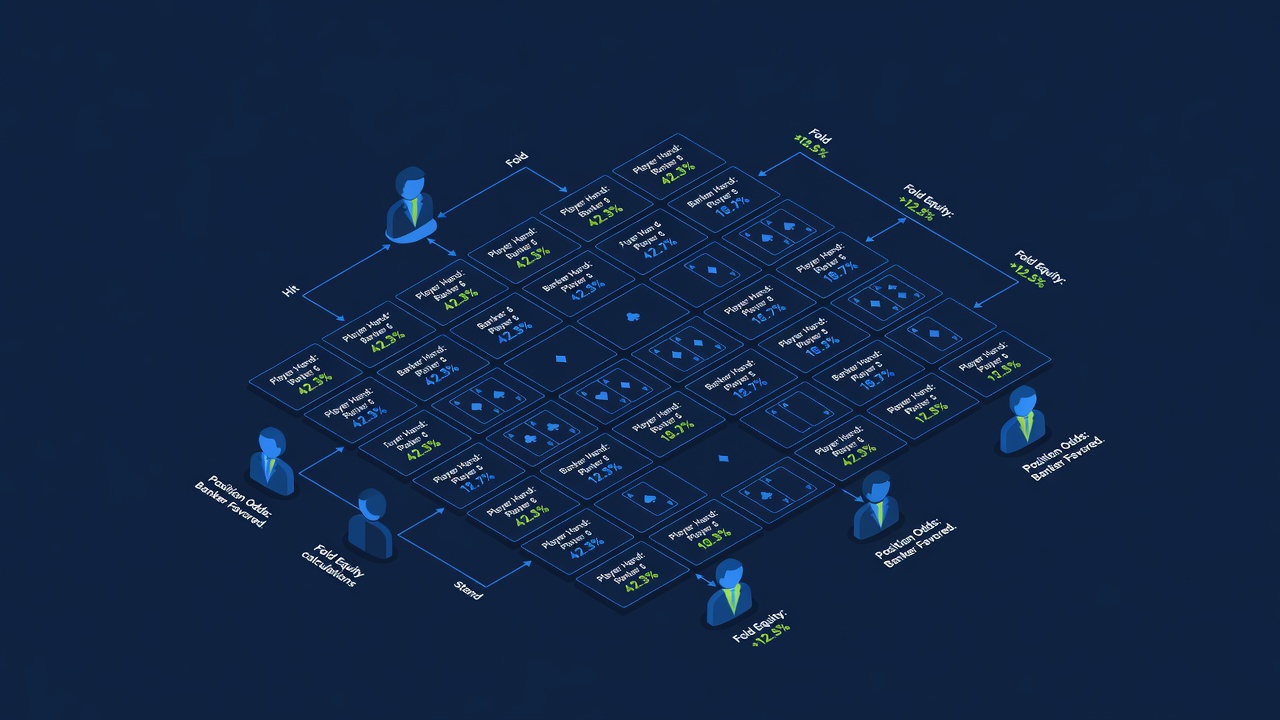
I walked into a casino in Atlantic City and watched a man lose five hundred dollars at Live Casino Hold'em because he was playing it like he was at a poker table. Wrong game, wrong strategy, wrong results. Live Casino Hold'em looks like poker. It uses poker hand rankings. It has cards and betting rounds. But the strategic framework is completely inverted because you are not playing against other players. You are playing against a fixed-strategy dealer.
The fundamental difference is information. At a regular poker table, you never know what your opponent holds. You construct ranges. You estimate probabilities. You make decisions under uncertainty. Live Casino Hold'em removes that uncertainty in a specific direction. You can calculate exactly what the dealer needs to win. You can count outs with precision. Every decision becomes mathematics instead of psychology.
The player receives two hole cards. Three community cards appear on the flop. The player must decide: call (matching their original bet to continue) or fold (surrendering their ante). This decision point is the entire game for most players. They either understand the math or they do not.
With three community cards showing, you can calculate the probability of having the best hand right now or making the best hand by the river. You compare that probability to the odds being offered. If the probability exceeds the odds, you call. If not, you fold. This framework applies to every decision in the game.
The Actual Mathematical Framework
A flush draw with four cards to a flush (six cards remaining in the deck that complete your hand) has a 41 percent chance of hitting on the next two cards. If you are being offered 1 to 1 (even money), you should call because 41 percent exceeds the breakeven point. If you are being offered 2 to 1 against you (you must win twice to break even), you should fold because 41 percent is not sufficient.
The decision structure:
You calculate equity (the percentage of the pot you would win if all remaining cards were dealt out). You compare equity to the pot odds being offered. Math decides. Emotion is irrelevant.
- Most recreational players call too much because they overestimate hand strength.
- Most recreational players fold too much when they have marginal strength and are getting the right odds.
- The only variable that matters is the probability calculation versus the payout ratio.
- Casino House edge in Live Casino Hold'em is typically around 2.15 percent with perfect play.
I came to this game thinking I understood poker. I was wrong. Poker is about reading opponents and exploiting weaknesses. Live Casino Hold'em is about calculation and discipline. Once I started solving the game mathematically instead of playing by feel, everything changed. I went from losing small amounts to winning consistently. The game punishes guessing. It rewards mathematics.
The man at the Atlantic City table was calling every decision based on hand strength. He liked his hand, so he called. He was getting demolished by the math. His Ace-high hand was good in regular poker. In Live Casino Hold'em against a dealer that will raise on any pair or better, Ace-high is often a loser. The game required him to fold hands he felt were strong. He could not make himself do it. So he lost.
Next notes
More from #live-tables
Random Number Generation vs Live Dealers: Fairness Compared
A gentleman from Stuttgart played both live and RNG blackjack in the same evening. By three in the morning, his impressions of fairness had inverted twice.
Immersive Roulette: How Camera Angles Changed Live Play
The Resorts had a money wheel in 1978, and they filmed it with one camera from above. Evolution Films it from eight angles. The difference in the experience is architectural.
Dream Catcher: The Money Wheel That Started It All
Dream Catcher is often credited as the first live wheel game. Testing this claim methodically reveals it was actually the first one executed well enough to matter.
Which Studios Run the Best Live Dealer Tables
One might ask: what distinguishes a good casino from a bad one when the house always profits. Perhaps the answer lies in how the house profits and what it asks of the player.

How Optical Character Recognition Powers Live Dealer Games
Every card the dealer touches gets read instantly. OCR is the invisible machine that turns physical cards into game state.
Live Dealer Game Show Crossovers: Are They Really Table Games?
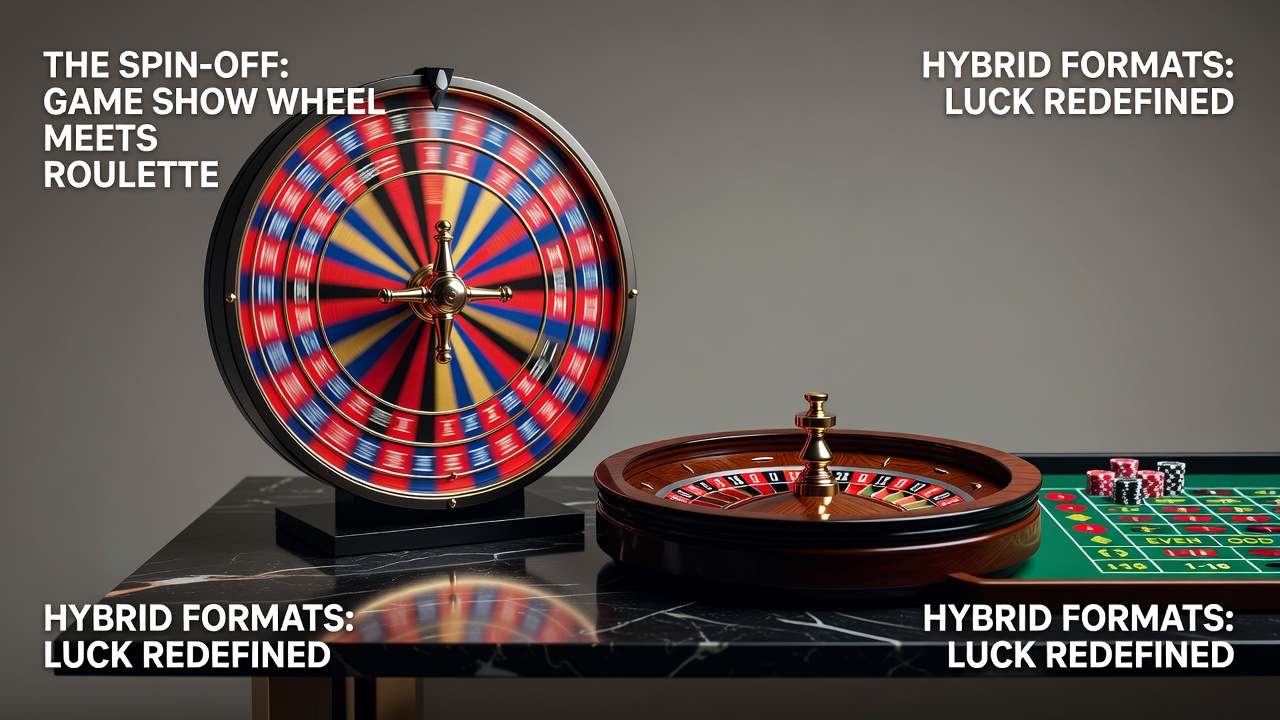
The hybrid format blurs the line between game shows and table games. What do regulators actually see when they look at these products?