How Optical Character Recognition Powers Live Dealer Games
Every card the dealer touches gets read instantly. OCR is the invisible machine that turns physical cards into game state.
The Moment Before Recognition
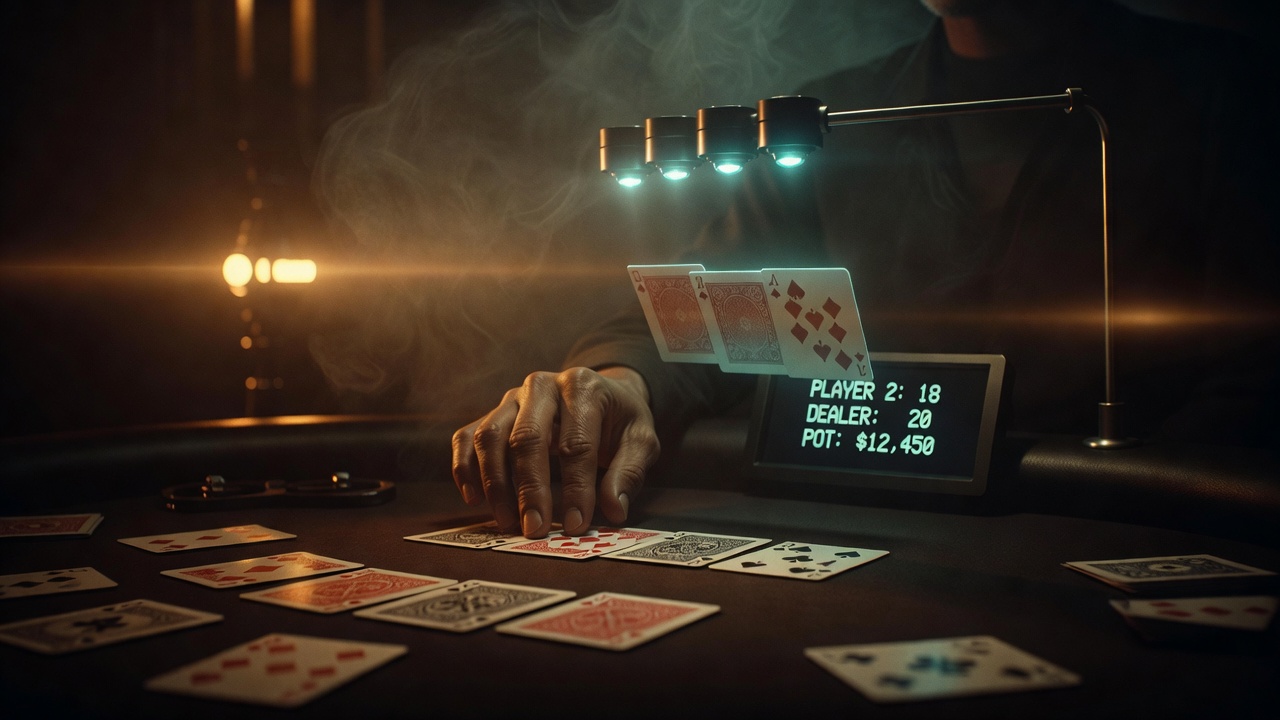
You watch a live dealer at Stake shuffle a deck of baccarat cards. The dealer lays them facedown. Now it matters. The instant that first card hits the baize, an OCR engine fires. High-speed cameras above the table capture the card image. Software reads the suit and rank in milliseconds. The game state updates. Players cannot see this happening. It is happening anyway.
OCR in live casinos is not your smartphone's basic image-to-text engine. This is specialized hardware. Illuminated cameras shoot the baize from multiple angles simultaneously. Edge servers sitting next to the table run proprietary algorithms trained on millions of card images. The latency target: under 200 milliseconds from physical card reveal to game state update. Anything slower breaks the experience. Players notice lag. Lag kills trust.
The Technical Stack
Camera Rigs and Capture
A modern live dealer table has four to six high-resolution cameras mounted in the ceiling. They are not there to capture the action for stream quality alone. The overhead cameras feed a separate video pipeline. Their job is reading cards. The angle matters. A camera aimed straight down at 60 degrees to the horizontal can see the front face of every card placed on the table without the dealer body blocking the view.
Each camera shoots at 1080p minimum, often 4K. The frame rate is locked at 60fps. Why 60fps? At typical dealer speed, a card moves across the baize in roughly 400-500 milliseconds. At 60fps, that card appears in at least 30 frames. The OCR engine can take the sharpest single frame and work from that.
The Recognition Engine
The cards themselves are specialized. Casinos do not use standard printed decks. Each card has a large, unambiguous suit symbol and rank number printed in the upper left corner. The color contrast is extreme. Black suit symbols on white backgrounds. Red suits on white. No gradients. No art that could confuse recognition.
The OCR algorithm looks for four pieces of information: suit (hearts, diamonds, clubs, spades), rank (ace through king), number of cards in frame, and card position on the baize. Training data comes from millions of real dealer interactions. The system learns that a club symbol has a certain number of black pixels in a certain pattern. An ace has a specific aspect ratio. Modern implementations use convolutional neural networks trained on synthetic data augmented with real-world examples.
Error tolerance is near-zero. A misread card is a financial disaster. A player was dealt a queen. OCR reads it as a king. The game logic pays out wrong. The database record and the physical reality diverge. Audits catch it, but catching errors is expensive. Most systems maintain better than 99.7% accuracy on clear card images.
The Hard Problems
Card occlusion breaks OCR. When the dealer's hand covers part of a card, or when two cards overlap, recognition fails. The system must either wait for a clearer view or estimate the card value from context. Modern tables use multiple camera angles specifically to solve this. If the overhead camera cannot see the card clearly, a side camera might. The system fuses data from all available angles before committing a read.
Lighting conditions matter enormously. A live dealer room has bright overhead lights for broadcast quality. But a dealer's shadow can fall across the baize. Reflections from jewelry or the dealer's watch can create false signal. Sophisticated systems use polarized lighting to control reflections. They use backlighting beneath the table surface to fill shadows. The investment in lighting infrastructure is substantial because OCR accuracy depends entirely on image quality.
Card damage creates rare failures. A worn card with frayed edges or a printed defect can confuse the recognition engine. Casinos rotate decks continuously. A deck of 52 cards typically lasts 8 hours of continuous play before retirement. The cards get retired not because they are damaged, but because the probability of an OCR misread increases as cards age.
The Game State Problem
OCR output feeds directly into game logic. When a card is recognized, the game state updates. Betting windows close. Payouts calculate. The blockchain if a crypto casino records the decision. There is no confirmation step. The OCR decision IS the decision. This creates an architectural dependency: the entire game depends on OCR never lying.
To solve this, platforms use redundancy. Multiple cameras read the same card. The reads must agree within a tolerance (they are looking at the same physical card, so the recognition should be identical). If three cameras all recognize a card as a king of hearts, confidence is high. If two agree and one disagrees, the system flags the discrepancy, alerts floor staff, and either stalls the game (risky for player experience) or trusts the majority (risky if the majority is wrong).
The Experience Design
From the player side, OCR is invisible. You see the card hit the baize. Instantly, the game registers your win or loss. The speed feels natural. That naturalness is engineered. The dealer's hand moves to place the card. Cameras fire. Recognition happens. The result displays before the player consciously registers that any time has passed. This requires everything to work in parallel. Camera capture, network transmission, server processing, and result broadcast happen simultaneously.
The delay is real but imperceptible. 150-200ms total latency. From card placement to game state update. Players cannot detect it. Brain processing takes longer than that. The illusion is perfect, which is the point. A game that feels instant is a game that feels fair.
Why This Matters
OCR is the technical foundation that separates modern live casinos from arcade machines or RNG-based simulations. It proves the game happened in the physical world. Cameras saw it. Servers recorded it. The outcome derived from measurable reality, not hidden computation. This is why live dealers exist at all. The OCR system is why they work.
Next notes
More from #live-tables
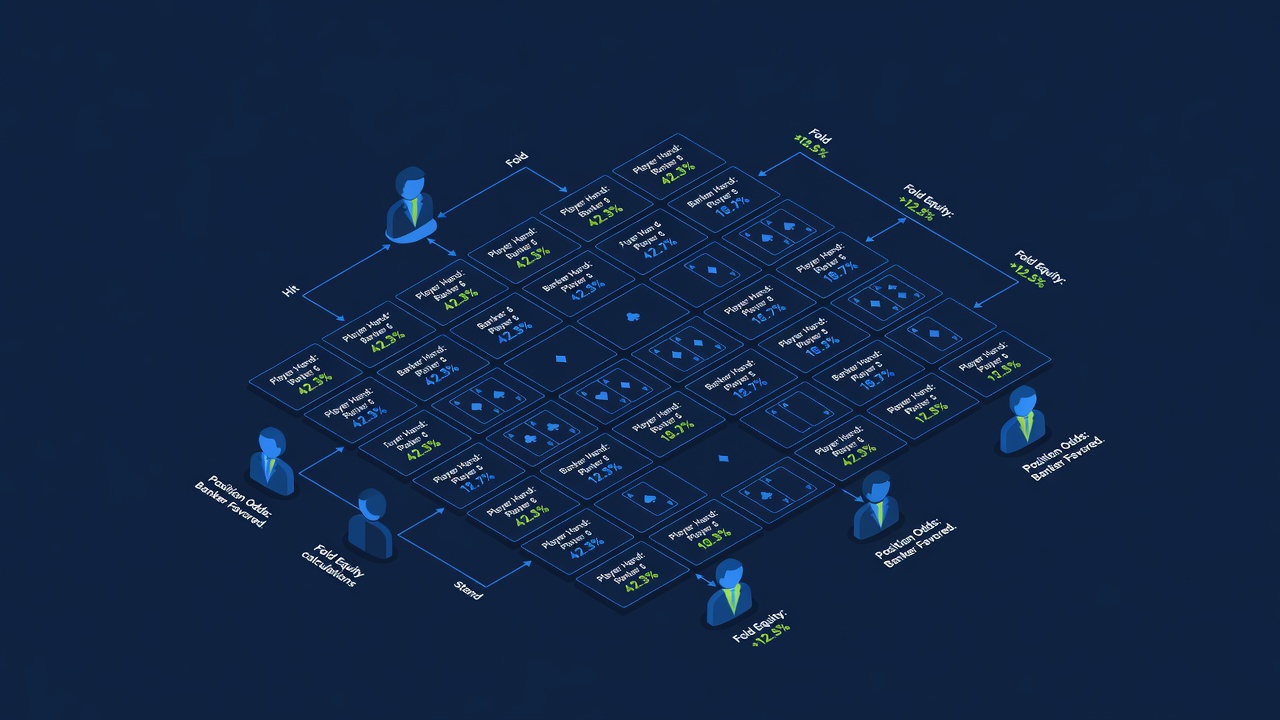
Live Casino Hold'em Strategy: When to Call and When to Fold
Live Casino Hold'em is fundamentally different from traditional poker because you have perfect information about dealer strength. Understanding this transforms the entire decision tree.
Random Number Generation vs Live Dealers: Fairness Compared
A gentleman from Stuttgart played both live and RNG blackjack in the same evening. By three in the morning, his impressions of fairness had inverted twice.
Immersive Roulette: How Camera Angles Changed Live Play
The Resorts had a money wheel in 1978, and they filmed it with one camera from above. Evolution Films it from eight angles. The difference in the experience is architectural.
Dream Catcher: The Money Wheel That Started It All
Dream Catcher is often credited as the first live wheel game. Testing this claim methodically reveals it was actually the first one executed well enough to matter.
Which Studios Run the Best Live Dealer Tables
One might ask: what distinguishes a good casino from a bad one when the house always profits. Perhaps the answer lies in how the house profits and what it asks of the player.
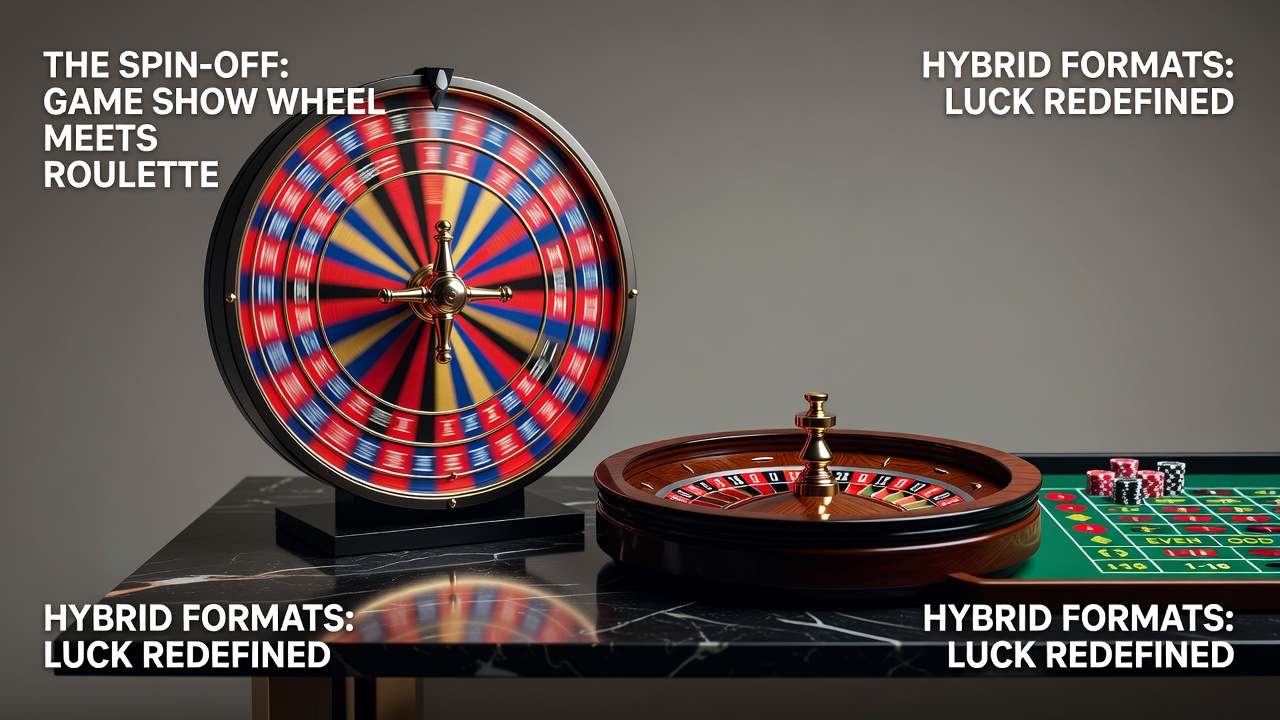
Live Dealer Game Show Crossovers: Are They Really Table Games?
The hybrid format blurs the line between game shows and table games. What do regulators actually see when they look at these products?