Immersive Roulette: How Camera Angles Changed Live Play
The Resorts had a money wheel in 1978, and they filmed it with one camera from above. Evolution Films it from eight angles. The difference in the experience is architectural.
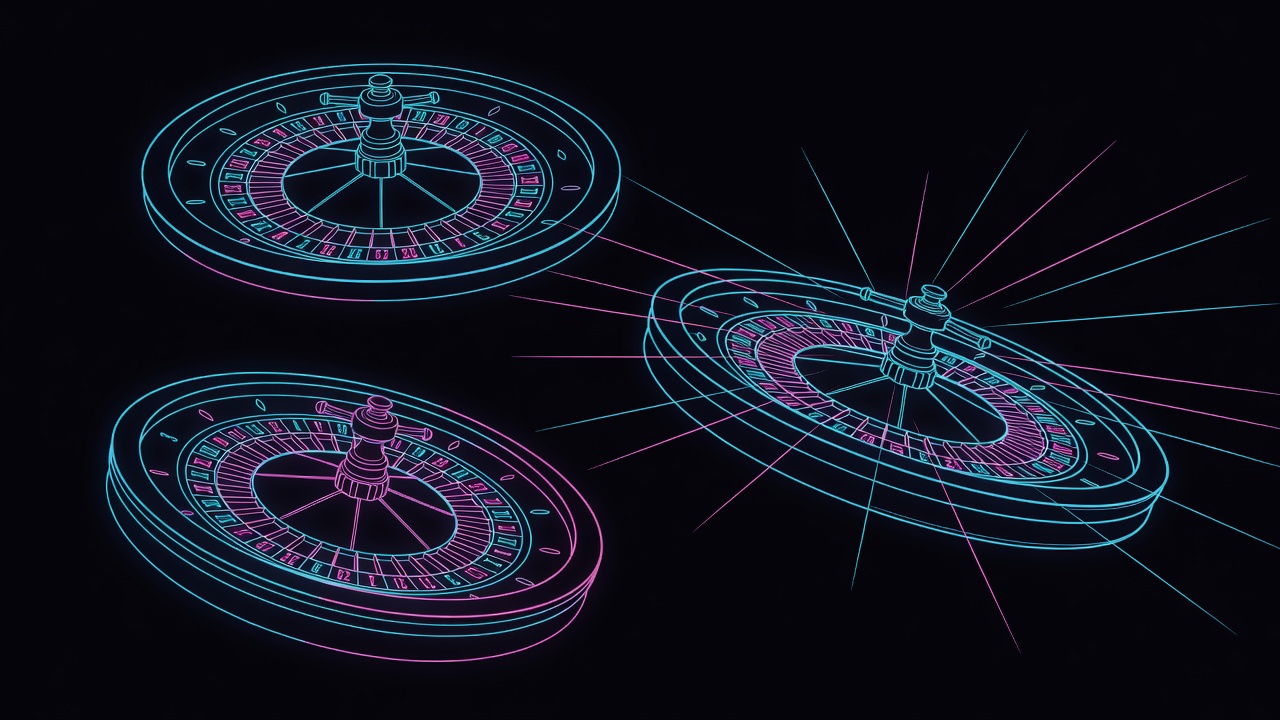
Atlantic City in 1982. The Resorts had been operating for three years. The casino had money wheels, blackjack pits, high-limit baccarat. The money wheel had security cameras on it, standard stuff. One feed, monitored by surveillance. The thing you watched was the wheel itself. The dealer's hand. The ball. That was the whole show.
By 2019, Evolution Gaming launches Immersive Roulette. Same product, roulette wheel, cameras. But now there are eight camera angles. Wide shot of the table. Close-up of the dealer's hands. Close-up of the ball. Overhead of the wheel. Side angles. Multiple perspectives simultaneously. A player can switch between views. The experience is suddenly cinematic.
What changed was not the game. Roulette in 1982 was identical to roulette in 2019. What changed was the perception. With one camera, you trusted the single perspective. With eight cameras, you feel like you're seeing the truth from multiple angles. The multi-angle view creates a sense of transparency that a single camera angle cannot.
The Atlantic City boardwalk peaked around 1985. The Steel Pier was still standing. The smell of the Tropicana carpet is stuck in my memory. There was no nostalgia about it then. It was just the smell of carpeting and cigarettes and a specific moment in time. By 1995, the boardwalk was declining. By 2005, the place had become a museum of what it once was. The casinos were still operating, but the energy had drained.
The Architecture of the View
Immersive Roulette was designed during a period when live casino attendance was declining. The goal was to recreate the feeling of being in a high-limit room without the player being there. The multi-angle approach serves that goal. You can see the action clearly. You can verify nothing is being hidden. The cameras function as reassurance.
The roulette wheel itself didn't change:
The experience changed. A player watching Immersive Roulette from their home sees the game from a perspective that is often better than the perspective from a physical seat at the table. The perspective is curated. The best angles are automatically selected. In a physical casino, you get whatever angle your seat at the table provides.
- Evolution's multi-camera approach became industry standard. Other studios copied it.
- The cameras create an intimacy with the game that single-angle video could never achieve.
- The psychological effect is that the game feels more transparent when more views are available.
- Modern live casinos now offer dozens of angles on some tables.
The Atlantic City I remember is gone. The boardwalk is a shadow. The casinos are still there, drawing a different crowd, serving a different purpose. The energy of those rooms in the eighties, when the city felt like it mattered, that is irretrievable.
But in some way, Immersive Roulette brings the experience back. Not the place itself, but the feeling. You can sit in your apartment and watch eight angles of a professional dealer spinning a wheel. The experience is better than any seat you could have bought at the Resorts thirty years ago. The game itself was never the point. The point was the feeling of being part of something larger. Multi-angle camera work gives you that feeling more efficiently than the physical place ever could.
Next notes
More from #live-tables
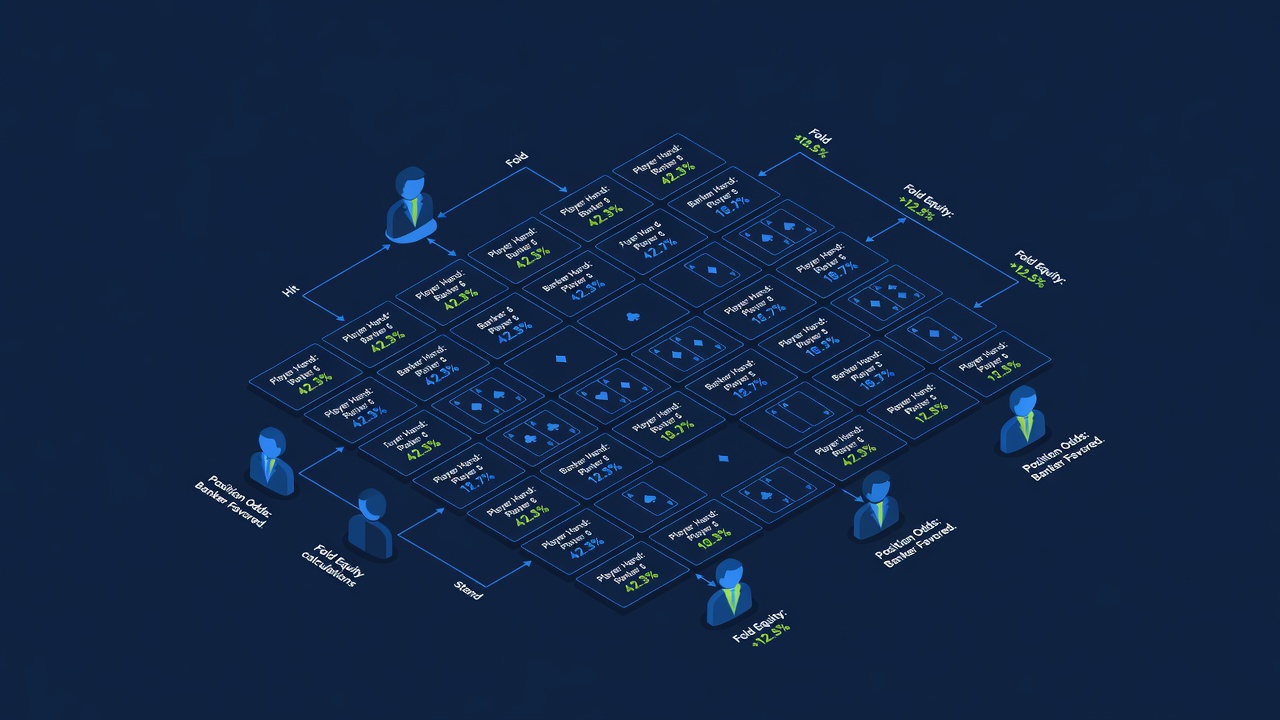
Live Casino Hold'em Strategy: When to Call and When to Fold
Live Casino Hold'em is fundamentally different from traditional poker because you have perfect information about dealer strength. Understanding this transforms the entire decision tree.
Random Number Generation vs Live Dealers: Fairness Compared
A gentleman from Stuttgart played both live and RNG blackjack in the same evening. By three in the morning, his impressions of fairness had inverted twice.
Dream Catcher: The Money Wheel That Started It All
Dream Catcher is often credited as the first live wheel game. Testing this claim methodically reveals it was actually the first one executed well enough to matter.
Which Studios Run the Best Live Dealer Tables
One might ask: what distinguishes a good casino from a bad one when the house always profits. Perhaps the answer lies in how the house profits and what it asks of the player.

How Optical Character Recognition Powers Live Dealer Games
Every card the dealer touches gets read instantly. OCR is the invisible machine that turns physical cards into game state.
Live Dealer Game Show Crossovers: Are They Really Table Games?
The hybrid format blurs the line between game shows and table games. What do regulators actually see when they look at these products?