Live Dealer Game Show Crossovers: Are They Really Table Games?
The hybrid format blurs the line between game shows and table games. What do regulators actually see when they look at these products?
The Threshold Question
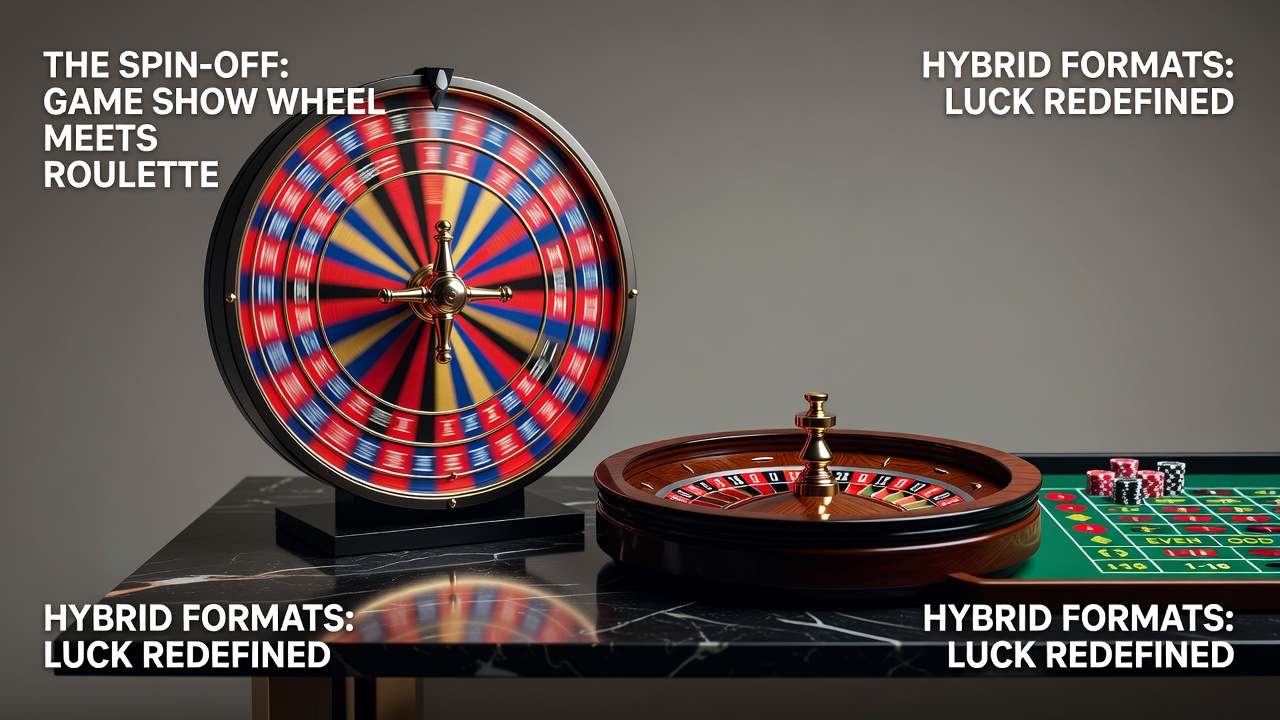
When Pragmatic Play launched their first game show table hybrid, they were answering an unasked question: what happens when you take the DNA of a live baccarat table and splice it with the mechanics of a television quiz show? You get a product that looks like neither. The Pragmatic Game Show format sits in a liminal space, and that space matters.
A pure game show like Deal or No Deal operates on a single axis: the house presents decisions, the player makes choices, randomness resolves the outcome. A pure table game like blackjack operates on a different axis: the house follows rules, the player deploys strategy, cards determine the result. But Game Show live dealer products operate on both simultaneously. The dealer still deals cards. But winning depends partly on bonus selections, partly on spin results, partly on the card outcome itself.
The architectural question is whether this fusion breaks something fundamental about table games. Architects understand that form constrains function. The shape of a gaming floor shapes how long players stay, which direction they flow, how the eye settles on high-margin products. Similarly, the structural shape of a game determines what skill can do, what house edge actually means, and what "table game" legally denotes.
The Regulatory Frame
In the UK, the UKGC publishes guidance on what constitutes a table game. The core requirement: the game must involve standard playing cards, tiles, or dice, and the outcome must derive from standard game rules applied consistently. Game Show products touch this line carefully. Pragmatic's implementation uses a standard deck of cards for the base game. The bonus multiplier that amplifies the payout? That comes from a separate RNG-driven wheel spin. Technically compliant. Architecturally, a composite structure: a table game wearing borrowed clothes from a different category.
Malta's gaming authority takes a different approach. The MGA does not prescribe format rigidly. Instead, regulators examine player expectations, marketing materials, and actual game mechanics. If marketing suggests a player is "playing baccarat," but the dominant payout mechanic comes from bonus rounds unrelated to baccarat logic, that creates a mismatch. Regulators notice mismatches.
The Player Experience Design
Consider the sightlines. In a traditional live baccarat room at Stake or DraftKings, the camera fixes on the dealer. The player watches cards emerge. Tension builds from card revelation. In a Game Show variant, the camera cuts between the dealer table and a bonus wheel. Pacing changes. Attention splits. The game show element demands visual spectacle. The table game element demands focused observation. An architect would note that trying to satisfy both visual requirements in a single broadcast creates cognitive tension.
The designer faces a choice: let the table game breathe, and the game show element feels tacked on, killing engagement. Let the game show dominate, and the table game mechanics fade into background noise. Most implementations lean game show heavy. Pragmatic's Game Show Live product allocates roughly 60% of screen time to the bonus round, 40% to card dealing. That ratio tells a story about where the actual game lives.
The Question of Skill Expression
In blackjack, strategy matters. Players can count, can track dealer habits, can adjust their play based on information. The game contains decision points. In a game show, there are no decisions. You spin, or the house spins for you. The bonus round in a Game Show product removes decision-making. You select which multiplier gate the ball passes through, but the outcome is pure randomness. Card knowledge cannot help.
This architectural shift matters legally and commercially. Some jurisdictions classify games partly by skill expressivity. A game with zero skill expression lands in a different regulatory category than one where player knowledge affects expected value. Game Show hybrids typically carry zero skill expression in the bonus component. The table game component carries its normal skill floor. The hybrid reduces overall skill expression compared to pure table play.
The Financial Architecture
House edge in a traditional live baccarat game is transparent. Banker side pays at 95%, player side pays at 100%, ties pay at 8:1. RTP is calculable and published. Player expectations align. In a Game Show variant, the RTP becomes a function of weighted bonus multipliers layered on top of base game payouts. A player thinking they are getting standard baccarat odds receives something else. The math works; the transparency does not.
Operators understand this. Game Show products carry higher edge than equivalent table games. Pragmatic's published RTPs on these games sit in the 94-95% range, consistent with slots, not table games. Players expecting table game return rates are structurally disadvantaged.
The architectural truth is simple: Game Show live dealer products are not table games. They are category hybrids wearing table game features as window dressing. The regulatory question is not whether they should exist. The question is whether regulators insist on honesty about what they are: fixed-odds games with a live dealer wrapper, not negotiable-outcome table products. The architect always knows the difference between form and function. Regulators should too.
Next notes
More from #live-tables

Live Casino Hold'em Strategy: When to Call and When to Fold
Live Casino Hold'em is fundamentally different from traditional poker because you have perfect information about dealer strength. Understanding this transforms the entire decision tree.

Random Number Generation vs Live Dealers: Fairness Compared
A gentleman from Stuttgart played both live and RNG blackjack in the same evening. By three in the morning, his impressions of fairness had inverted twice.

Immersive Roulette: How Camera Angles Changed Live Play
The Resorts had a money wheel in 1978, and they filmed it with one camera from above. Evolution Films it from eight angles. The difference in the experience is architectural.
Dream Catcher: The Money Wheel That Started It All
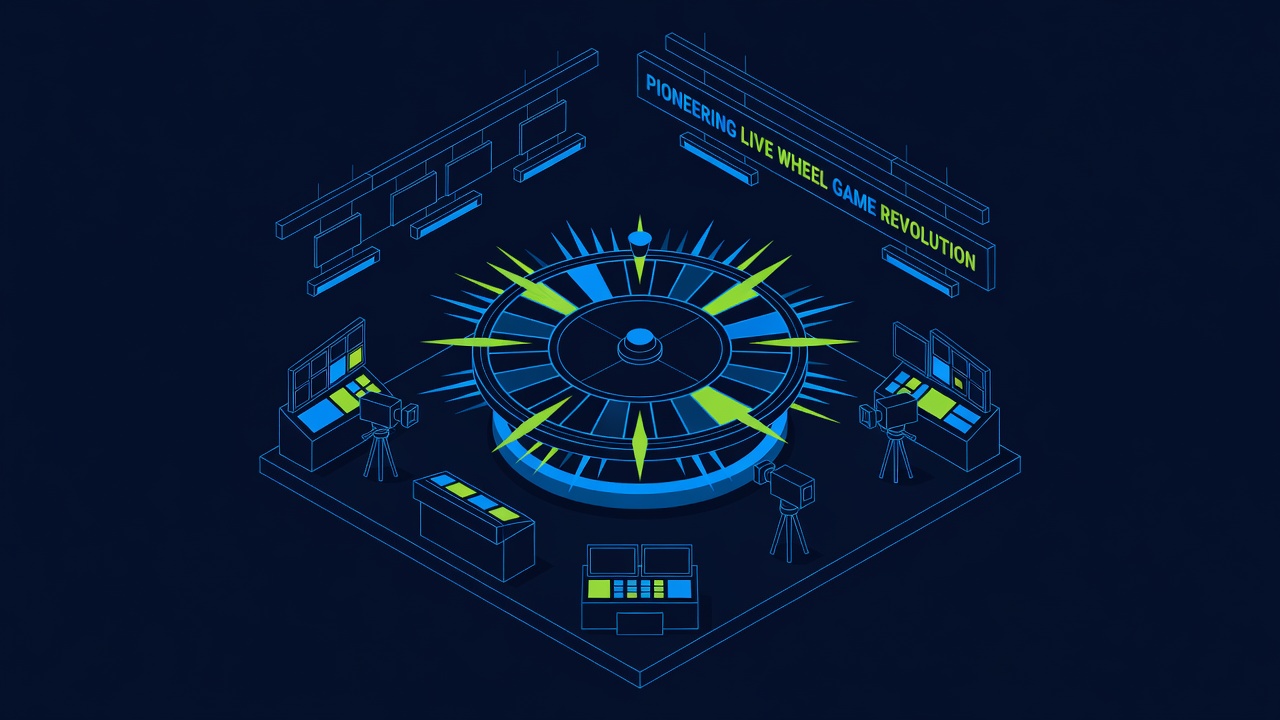
Dream Catcher is often credited as the first live wheel game. Testing this claim methodically reveals it was actually the first one executed well enough to matter.

Which Studios Run the Best Live Dealer Tables
One might ask: what distinguishes a good casino from a bad one when the house always profits. Perhaps the answer lies in how the house profits and what it asks of the player.

How Optical Character Recognition Powers Live Dealer Games
Every card the dealer touches gets read instantly. OCR is the invisible machine that turns physical cards into game state.