How Casinos Detect Bots and Automated Play
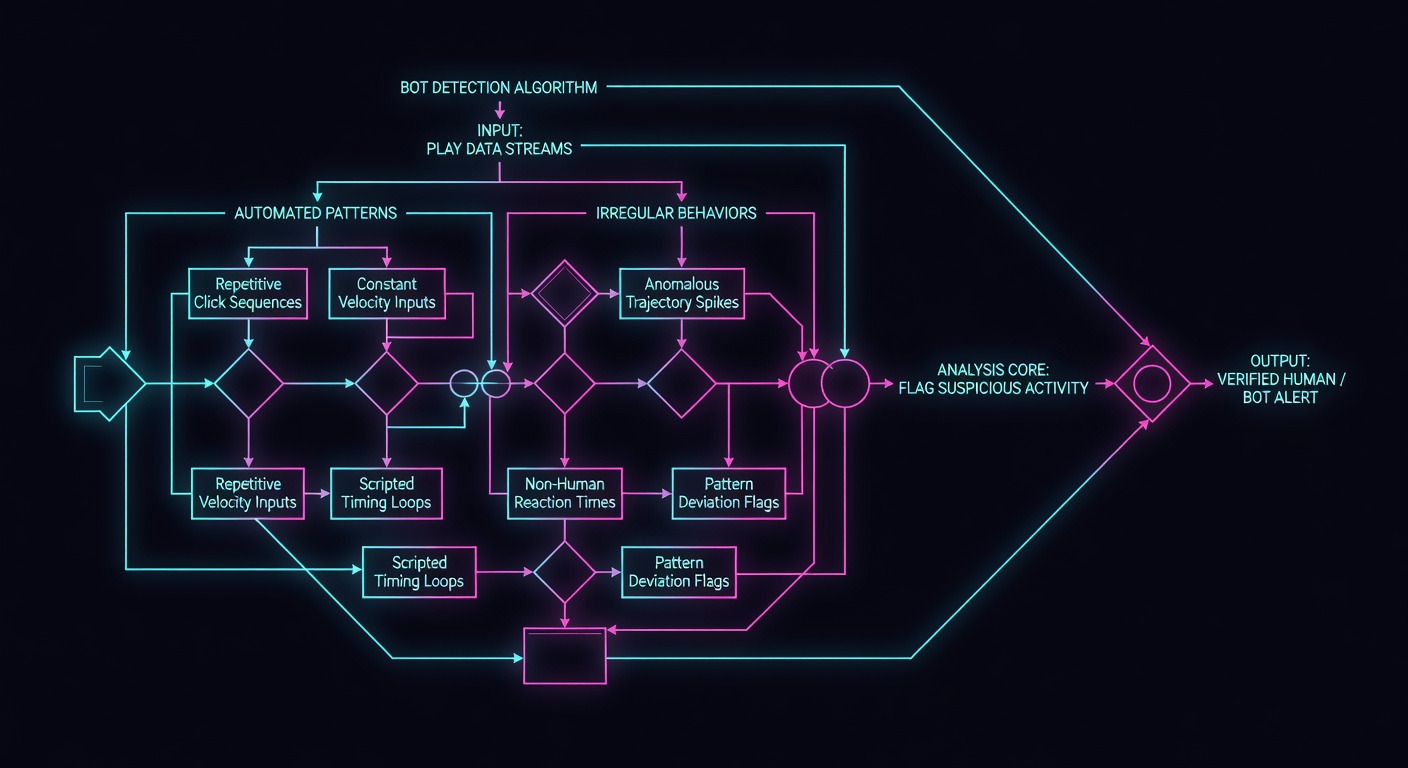
Does the bettor believe their play is rational, or are they executing a script? This is the question that separates the human gambler from the machine. And the casino has learned to ask it with precision.
What Is Automated Play?
When we speak of the bot, we speak first of intent. The bot places bets not according to human deliberation but according to a rule set. The rule set might be sophisticated (a machine learning model trained on outcomes) or simple (place a bet every thirty seconds at this amount). But the guiding distinction remains: the player has decided once, and the system executes repetitively. The human decides at each moment.
One might ask: is this not what the professional gambler does? Does not the sharp bettor follow a model? The answer is a matter of degree. The professional applies judgment at the margin. They see a situation that diverges slightly from their model's assumptions and they adjust. The bot does not adjust. The bot continues.
How Detection Works
First, the casino observes betting patterns. A human player varies the time between bets. Sometimes they linger. Sometimes they rush. Sometimes they pause to think. The variance in inter-bet timing is diagnostic. A bot produces timing variance only if the programmer explicitly built in randomness. Most do not.
Second, the casino observes the relationship between the player's activity and external events. A human player reacts to outcomes. They change their bet size after a loss. They may chase. They may retreat. They may leave the table. A bot either does not react or reacts in a mechanically identical way every time.
Third, the casino examines the correlation between the player's bets and the live-casino broadcast, if applicable. A live roulette feed at Cloudbet or a live baccarat stream shows the cards or wheel. A human player responds to the broadcast with a slight delay (the human reaction time). A bot integrating the broadcast feed in real time either places bets with zero delay (physically impossible) or with a detectable pattern of reaction.
Why It Matters
The casino does not object to profitable players. They object to players exploiting the mechanics of the platform itself. A bot that places 1000 bets per minute on a slot machine called Gate of Olympus exploits the RTP (return to player) curve across a larger sample size than the game was tested for. The game designer (Pragmatic Play, say) tuned the random number generator for play at 60 spins per minute. At 1000 spins per minute, edge cases emerge. The statistical model breaks.
Further, a bot can exploit latency. If there is a 200-millisecond delay between the moment a wheel result is determined and the moment the broadcast shows it, a bot can see the result and place a bet before the bet window closes. A human cannot. A bot exploiting this is not beating the odds; it is breaking the rules of the game.
Detection At Scale
MGA-licensed casinos run detection at the database level. Every bet is timestamped to the millisecond. Every change in bet size, every pause, every sequence of actions is logged. An algorithm compares the player's pattern to a baseline of known human behavior (built from thousands of legitimate accounts) and to the signature patterns of known bot software (collected from seized accounts and industry reporting).
If a player places bets on Sweet Bonanza at exactly 1.7-second intervals, the same amount each time, then suddenly stops for exactly 30 seconds and resumes, with zero deviation from the first pattern, the algorithm flags them. The casino's compliance team reviews the flag manually. If they believe the bot is using RTP arbitrage, they forfeit the winnings. If they believe it is exploiting a platform vulnerability, they close the account.
The Countermeasure
Would-be botters have gotten more sophisticated. Some build randomness into inter-bet timing. Some randomize bet sizes. Some create the appearance of human reaction by waiting after certain outcomes. The result is an arms race: the casino builds a more sensitive detector, the bot builder adds more human-like behavior, the casino adjusts again.
A perfectly human-like bot is indistinguishable from a human player. And so the bot builder's challenge becomes not evading detection but remaining undetectable in the first place.
One might ask whether this is a moral question or a technical one. The answer: it is both. The casino's right to exclude the player who breaks the terms of service is not in dispute. What is in dispute is whether the detection method is accurate enough to avoid false positives. A player simply playing well should not be flagged as a bot. And the casino's responsibility is to ensure this accuracy.
Next notes
More from #baccarat

Kerry Packer's $20 Million Loss to the MGM Grand
A man who had been fearless his whole life walked into a casino and lost more money in three days than most people make in a lifetime. This was not a story of bad luck. This was a story of what happens when unlimited wealth meets unlimited temptation.
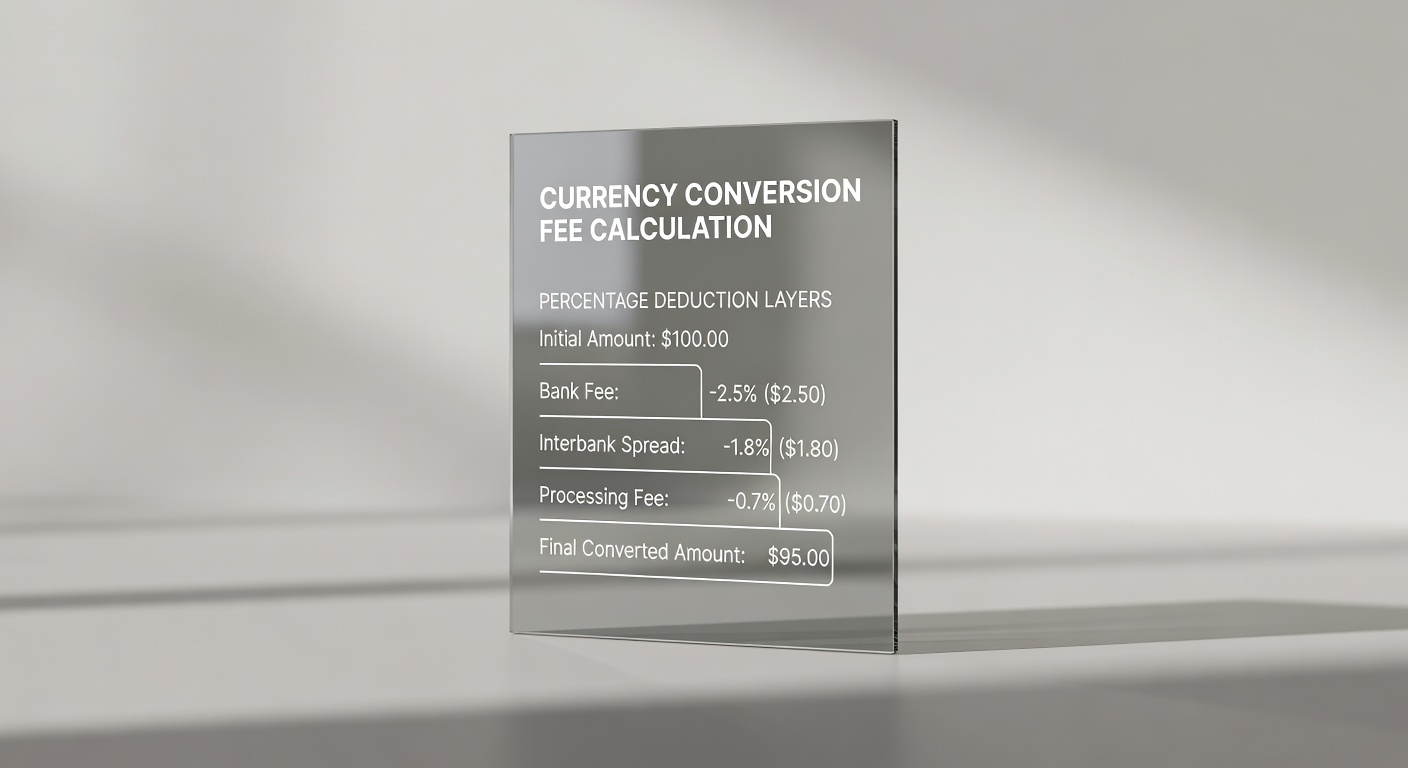
Currency Conversion Fees That Quietly Eat Your Roulette Bankroll
A German player in Manila converting EUR to PHP five times during a roulette session loses 3.5% of their stack before placing a single bet. The casino never touches a chip. The conversion fees do the work.

Why Table Game Variants Keep Multiplying Online
Every time you refresh a live casino lobby, there's a new variant. 7-card baccarat. Dragon Tiger side bets. Infinite bet options. The multiplication accelerates because the old rules no longer apply.

Biggest Baccarat Wins in Casino History
Baccarat produces the largest single wins in casino history. Not because the odds are favorable. Because the bets are enormous and the game is simple enough that anyone can play at that scale.
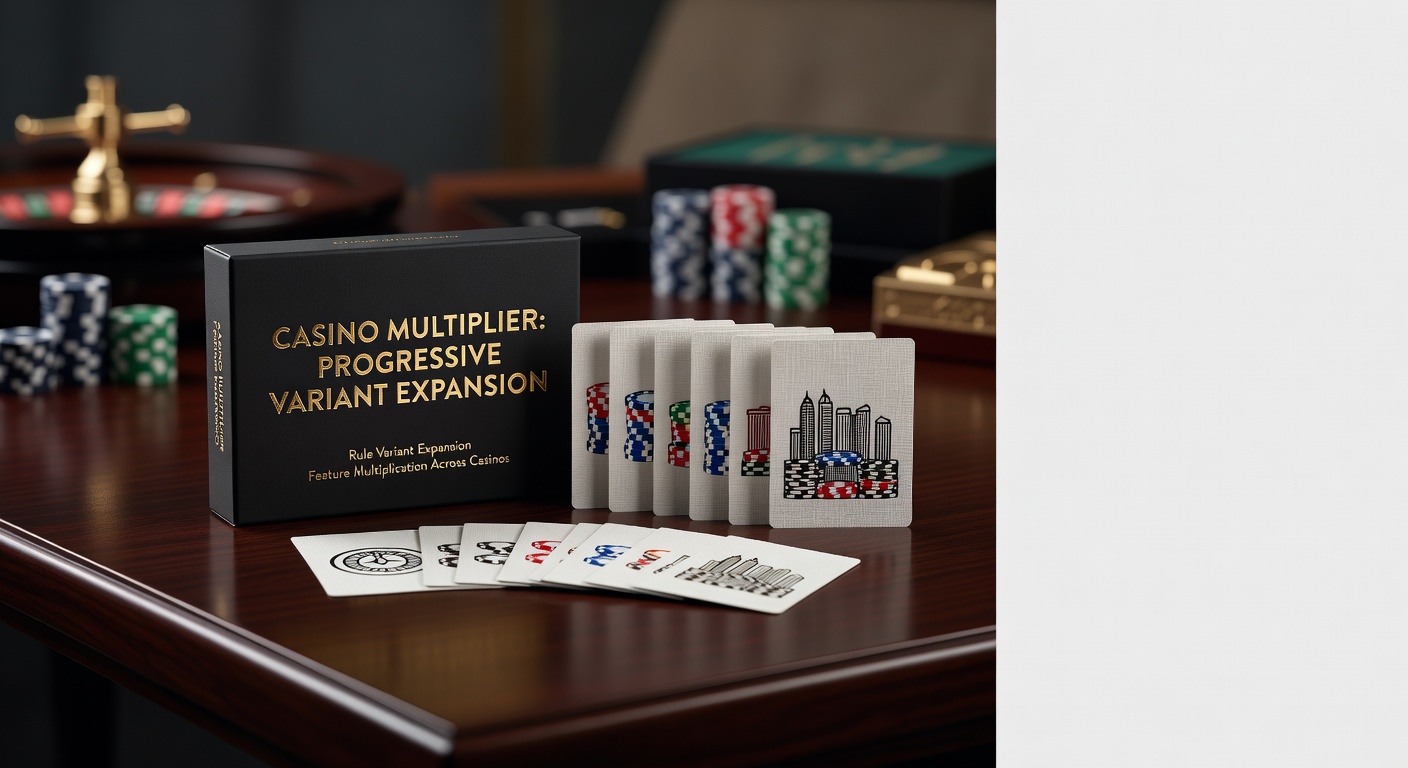
Why Table Game Variants Keep Multiplying Online
I ran a pit for thirty years. In 1994 we had three table games and one of them was 21. Today my grandson plays twelve versions of blackjack before breakfast. Here is the specific reason, drawn from one case I remember well.
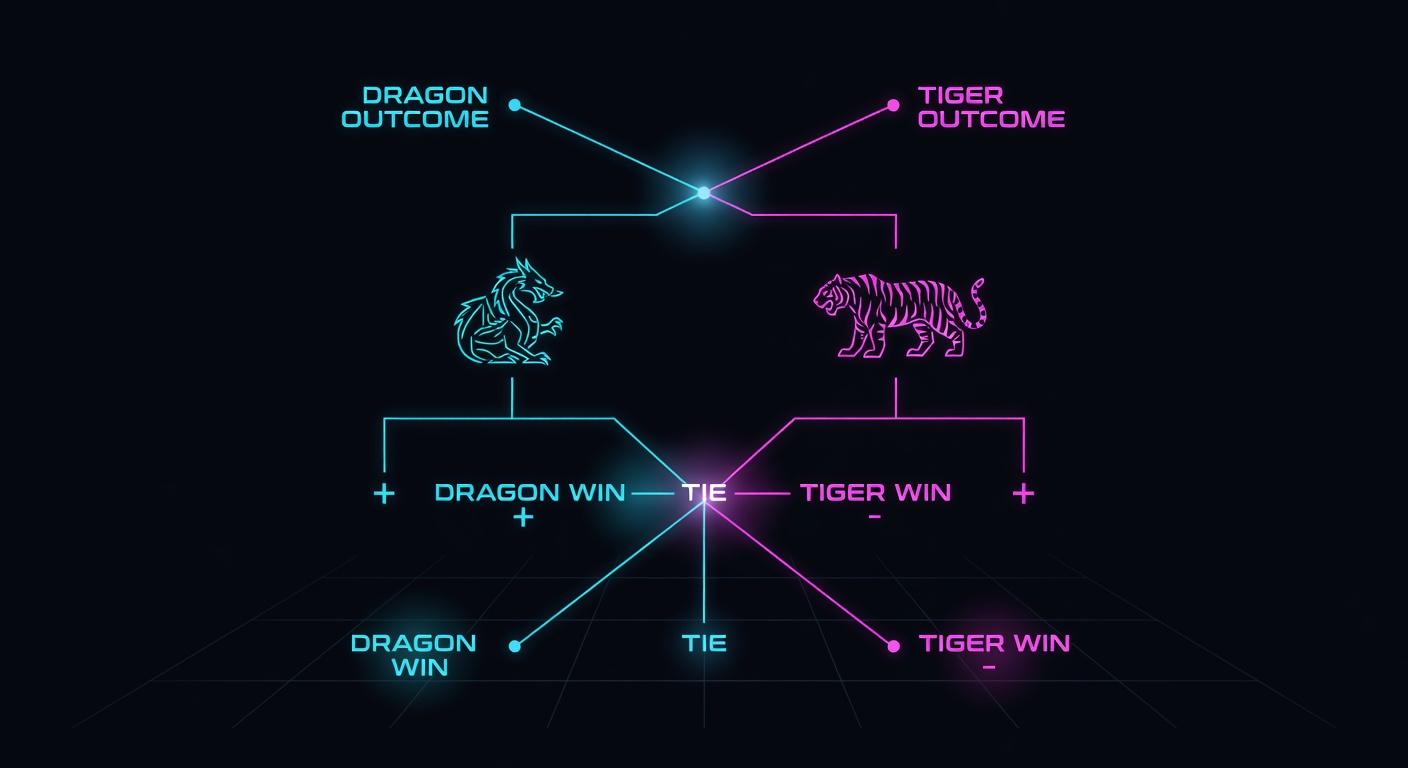
Live Dragon Tiger: The Simplest Table Game You'll Ever Learn
Dragon Tiger is a two-card comparison game that can be learned in under a minute. Its simplicity is precisely what makes it worth examining from a behavioural perspective, because the round is so short and the choice so binary.