PayPal at Online Casinos: How Availability Typically Varies
PayPal withdrew from gambling in 2002 after pressure from the US government. Twenty years later, they have barely returned. If you see PayPal at a casino, something is off.
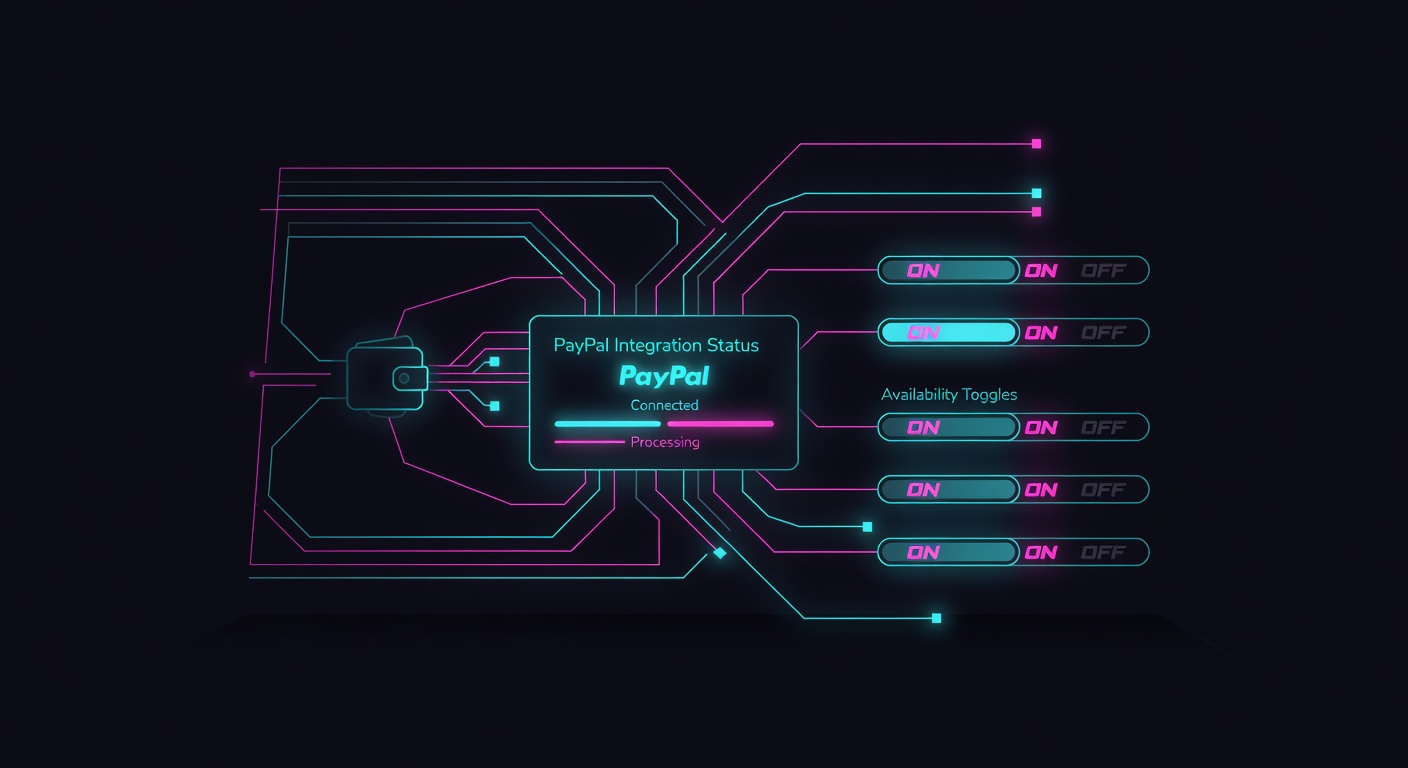
There was a time, in the late 1990s, when PayPal was brand new and they were accepting money from online casinos. Easy transaction, instant deposit, seemed clean. Then the government said no. The government said: if you facilitate gambling transactions, you are liable. PayPal said: we are not taking that bet.
They pulled out. Overnight, thousands of online casinos lost a deposit method. The players adapted. Everybody started using Neteller and Skrill instead. Those companies were happy to accept the business. And PayPal became invisible in the gambling space.
Two decades later, it still is.
Why PayPal Stayed Out
PayPal is a publicly traded company. They answer to shareholders. The gambling business is profitable, but it comes with legal risk. The US government can change its mind. A new administration can decide to prosecute online gambling harder. The EU can regulate PayPal out of gambling.
PayPal calculated that the profit from gambling transactions was not worth the legal risk. So they stayed out. And they have stayed out.
This is a strange position for a payment company. Stripe processes cannabis payments. Square processes CBD. PayPal, which made a fortune on the internet, refuses to touch gambling. The reason is not moral. It is structural. PayPal is too big to take the risk.
Where PayPal Actually Appears
You sometimes see PayPal at online casinos in jurisdictions where gambling is regulated (UK, EU, parts of Canada). In those places, the legal risk is lower. PayPal's lawyers signed off.
But even in those jurisdictions, PayPal usually does not deposit directly to the casino. Instead, you deposit PayPal to a third-party payment processor. The processor then deposits to the casino. PayPal never actually interacts with the casino. This keeps their hands clean.
So when you see "PayPal accepted" at a casino, read the fine print. Usually it is PayPal to a payment processor to the casino. That is why the transaction is slow (two or three hops) and sometimes fails (payment processors are not as reliable as PayPal).
The Problem
If a casino advertises PayPal and it is not actually PayPal, that is a red flag. A shady casino might fake PayPal's logo to seem legitimate. A player deposits through what they think is PayPal, but it is actually a random processor. The money disappears.
If you are using PayPal to deposit at a casino, confirm every step. Log into your actual PayPal account. Make sure you are sending money to the exact account the casino specified. Do not use a link from the casino's website to deposit (that could be spoofed). Do it yourself through your PayPal dashboard.
The Alternative
Most casinos that want to accept PayPal payments use alternative methods. They accept Skrill and Neteller instead. They accept crypto. They accept bank transfers. PayPal is the ghost in the room: trusted by players, trusted by institutions, but absent from gambling.
This is probably fine. It is one less method. But it is a reminder of how the government can change an entire payment landscape with pressure. PayPal was not regulated out of gambling. It was scared out. That is different.
If a casino really wants to accept PayPal, they have to work with third-party processors who have already navigated the legal maze. The cost is higher. The reliability is lower. The transaction speed is slower. But it is possible.
The casinos that do this are usually legitimate. They would not jump through hoops for PayPal unless they were confident they were on the right side of the law.
The casinos that claim PayPal but do not deliver it? Stay away. That is not a minor issue. That is a fundamental honesty problem.
Next notes
More from #deposits
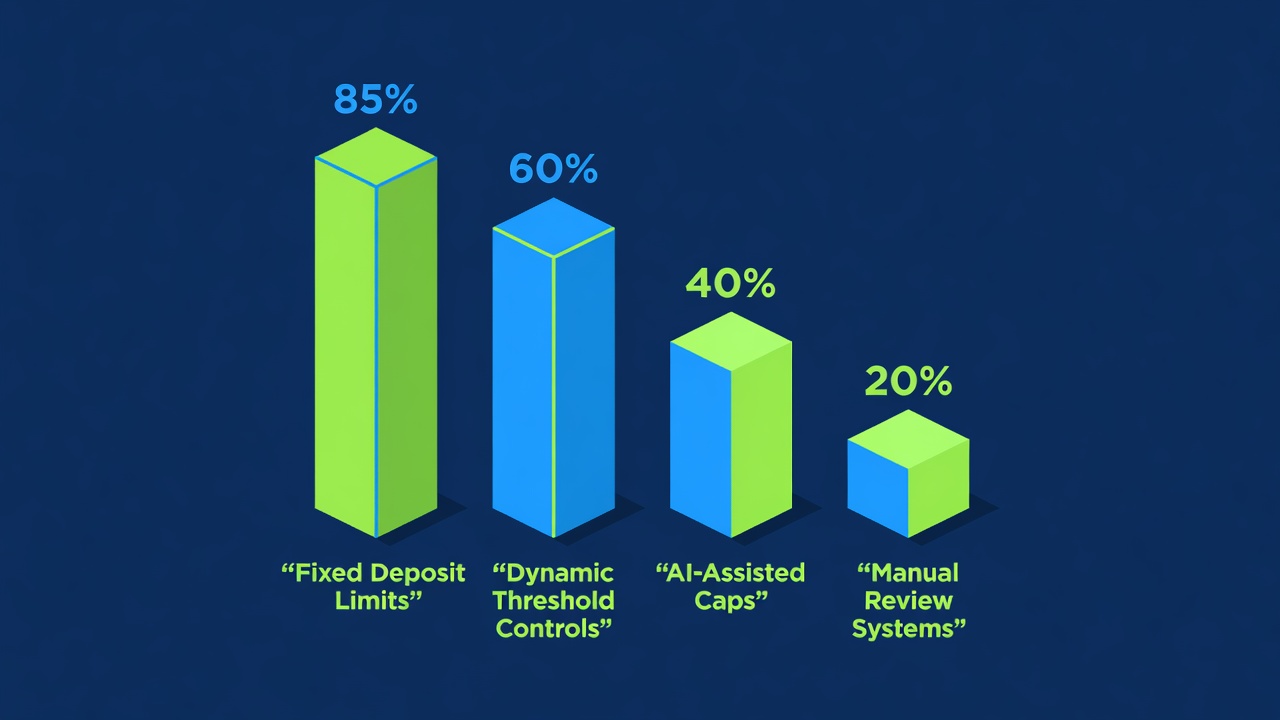
Deposit Limits and Their Effect on Table Game Sessions
Deposit limits reduce total gambling loss by roughly 40 percent. The mechanism is not what you might think.

Why Some Casinos Ask for a Source of Funds Document
It used to be just cash at the window. Then regulations came, then money laundering rules, and now casinos ask for a document proving your money is clean. It is not paranoia. It is law.

Stablecoin Payment Gateway: From Wallet to Settled Dollars
How a stablecoin payment actually settles: Stripe's 10,000 USD cap, final once the chain records it, no chargebacks, refunds back to your wallet as tokens.

Tron in Crypto Gambling: Why It's Popular for USDT Deposits
Tron carries something in its design that speaks to a particular kind of want. The want for speed. The want for certainty. The want for transactions that happen now.
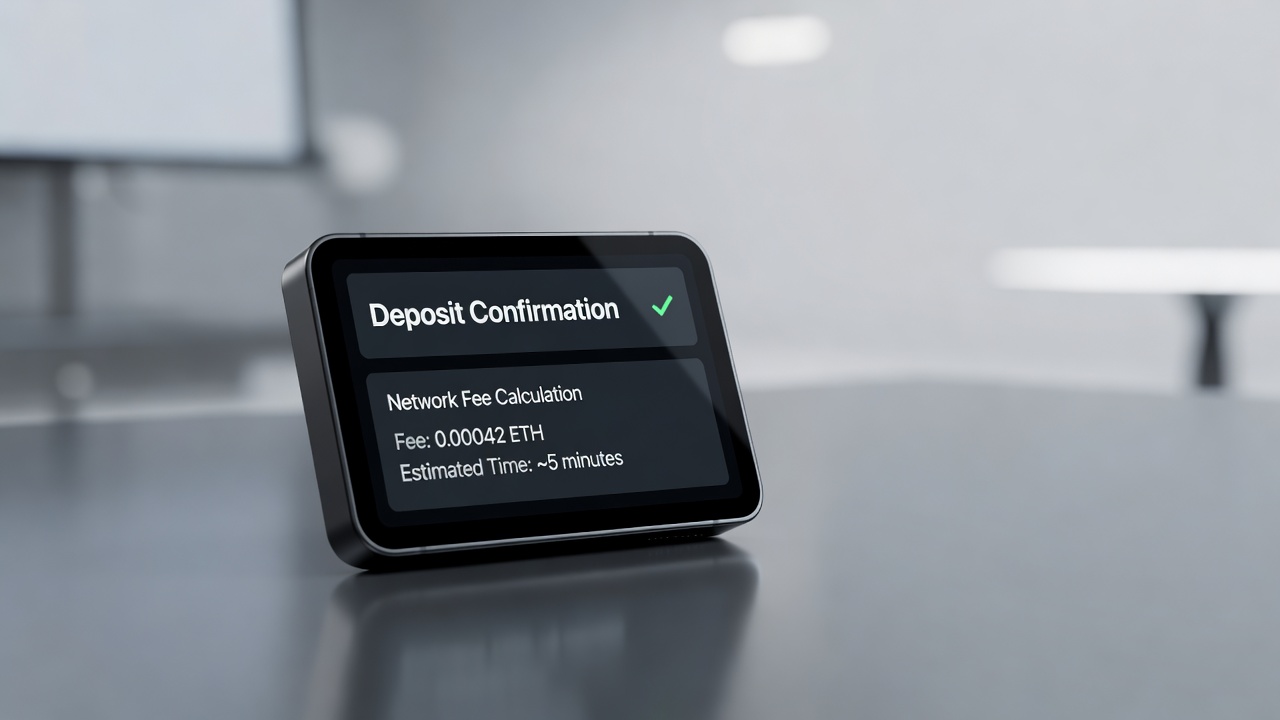
Crypto Deposits at Live Dealer Casinos: A Step-by-Step Walkthrough
The casino is a designed space, and every transaction flows through that design. Crypto deposits have altered the sightlines, but the principles remain unchanged.

Bitcoin Lightning Network for Instant Casino Deposits
The Lightning Network emerged from a 2015 whitepaper by Poon and Dryja as a response to Bitcoin's settlement delays. Casino operators began adopting it in 2019 to solve real problems of player friction.