Why Table Game Variants Keep Multiplying Online
Every time you refresh a live casino lobby, there's a new variant. 7-card baccarat. Dragon Tiger side bets. Infinite bet options. The multiplication accelerates because the old rules no longer apply.
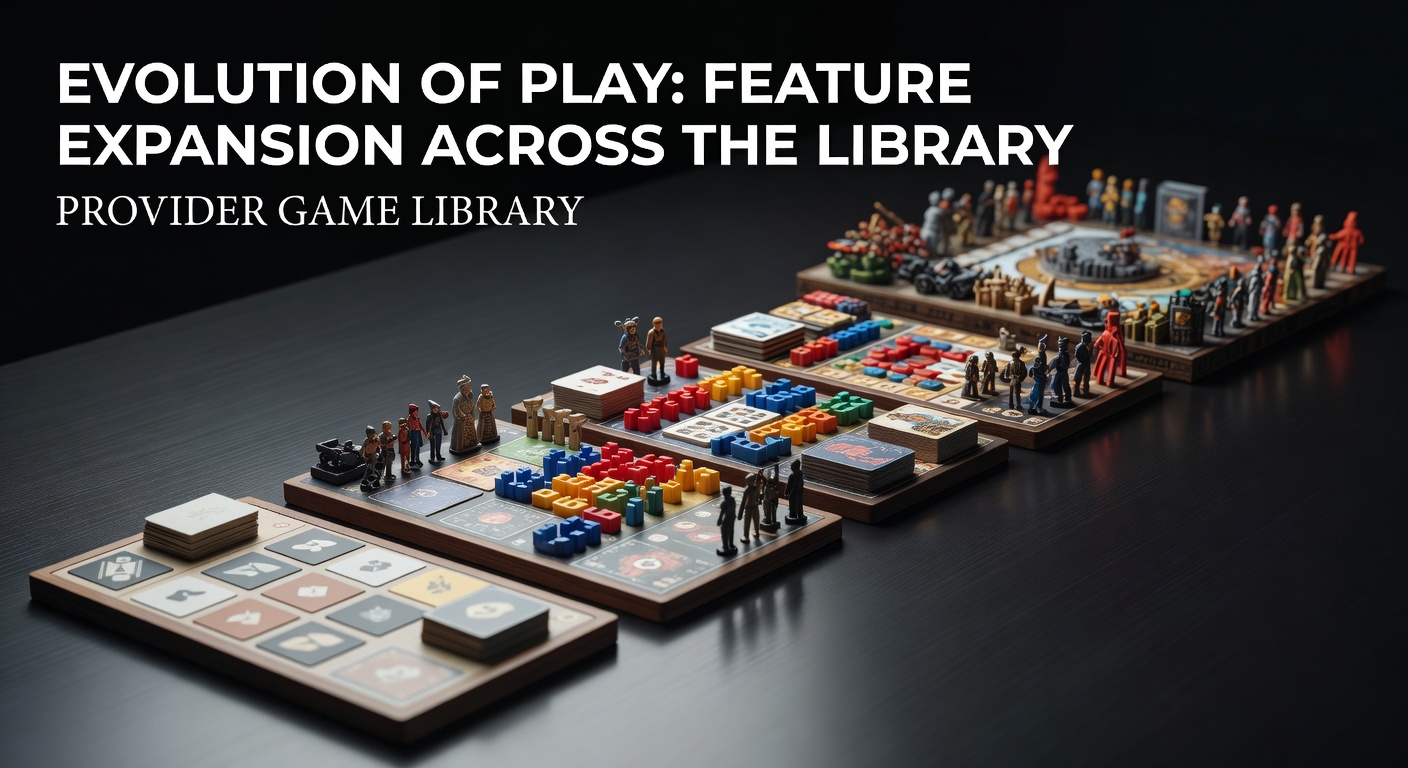
Back in the 1980s, a casino had maybe three roulette wheels. Maybe four blackjack tables. The house rules were printed in brochures. Everyone played the same game.
Now there are 47 blackjack variants. Dragon Tiger with and without optional side bets. Baccarat with commission changes. The multiplication is not accident. It's strategy.
The Physical Constraint Vanishes
In a brick-and-mortar casino, adding a new table game variant requires physical space, a dealer, a license modification, and back-office support for a new payout structure.
Online, a variant is software. It's pixels. It's negligible marginal cost to add variant 48 to your menu.
Once the constraint vanishes, the incentive emerges: each variant attracts different player cohorts. Some players are bored with standard blackjack. They want Blackjack Switch or 21+3. Some players want lower variance. Some want higher variance.
Variants segment the player pool without fragmenting it. All variants live in one lobby.
The Retention Hook
Newness is a retention signal. Players get bored. A player who has played Live Blackjack 400 times is fatiguing. A new variant (Infinite Blackjack, where multiple players play simultaneously) re-engages them.
This is not accident. Pragmatic Play, Evolution Gaming, and Playtech all track table rotation metrics. When a variant's play frequency drops (usually 4-8 weeks in), they rotate it out and introduce a new one.
The cycle keeps players returning to the lobby even when they've exhausted favorite tables.
The Regulatory Arbitrage
Different jurisdictions have different rules on side bets, commission structures, and payout maximums.
A variant called "Dragon Tiger Unlimited" pays differently in MGA-licensed studios than in UKGC-licensed studios. This is not because the games are different. It's because the regulators permit different payout tables.
Operators exploit this regulatory arbitrage by offering jurisdiction-specific variants. A player in Malta sees a different lobby than a player in the UK, even though they're playing the same operator.
The Volume Play
A single core table (standard roulette, European blackjack) attracts whales and grinders. They're predictable. They're profitable to the house but at thin margins.
Variants attract casual players who cycle through games. They play fewer hands per session but with lower expectation (they're exploring, not grinding). The volume of casual play exceeds the value of single grinders.
Operators optimize by having 3-4 core variants with excellent dealers, and 20+ experimental variants with standard dealer rotation.
The core tables are profit engines. The variants are engagement magnets.
The AI Scaling
Once you add 20+ variants, you need to predict demand and optimize scheduling. Which variant should stream 24/7? Which should run only peak hours?
Operators now use machine learning to forecast table popularity based on player cohort, time of day, day of week, and seasonal trends. A variant that peaks on weekends gets weekend dealers. A variant that flatlines gets rotated out.
This kind of optimization was impossible when tables were physical. You couldn't add a new blackjack variant on Tuesday and pull it Wednesday based on metrics.
Why It Keeps Accelerating
Once the cost of adding a variant approaches zero, every new variant becomes a data point. What worked? What failed? Operators now run 10-20 AB tests simultaneously across variants.
Each test generates insights into player behavior. Each insight informs the next variant. The multiplication is self-reinforcing.
Five years ago, a new variant took 6 months to validate. Now it's 2-3 weeks.
The Legacy Implication
Physical casinos have 10-15 core tables per game type. Online casinos have 50+.
When I worked the floor, we'd rotate the same six blackjack games year after year. Players memorized the rule variations. They knew which tables offered resplit aces.
Now players can't keep track. The variants are designed for one-session novelty, not mastery.
That's not a bug. That's the entire point. Mastery breeds contempt. Novelty breeds engagement.
Next notes
More from #baccarat

Kerry Packer's $20 Million Loss to the MGM Grand
A man who had been fearless his whole life walked into a casino and lost more money in three days than most people make in a lifetime. This was not a story of bad luck. This was a story of what happens when unlimited wealth meets unlimited temptation.
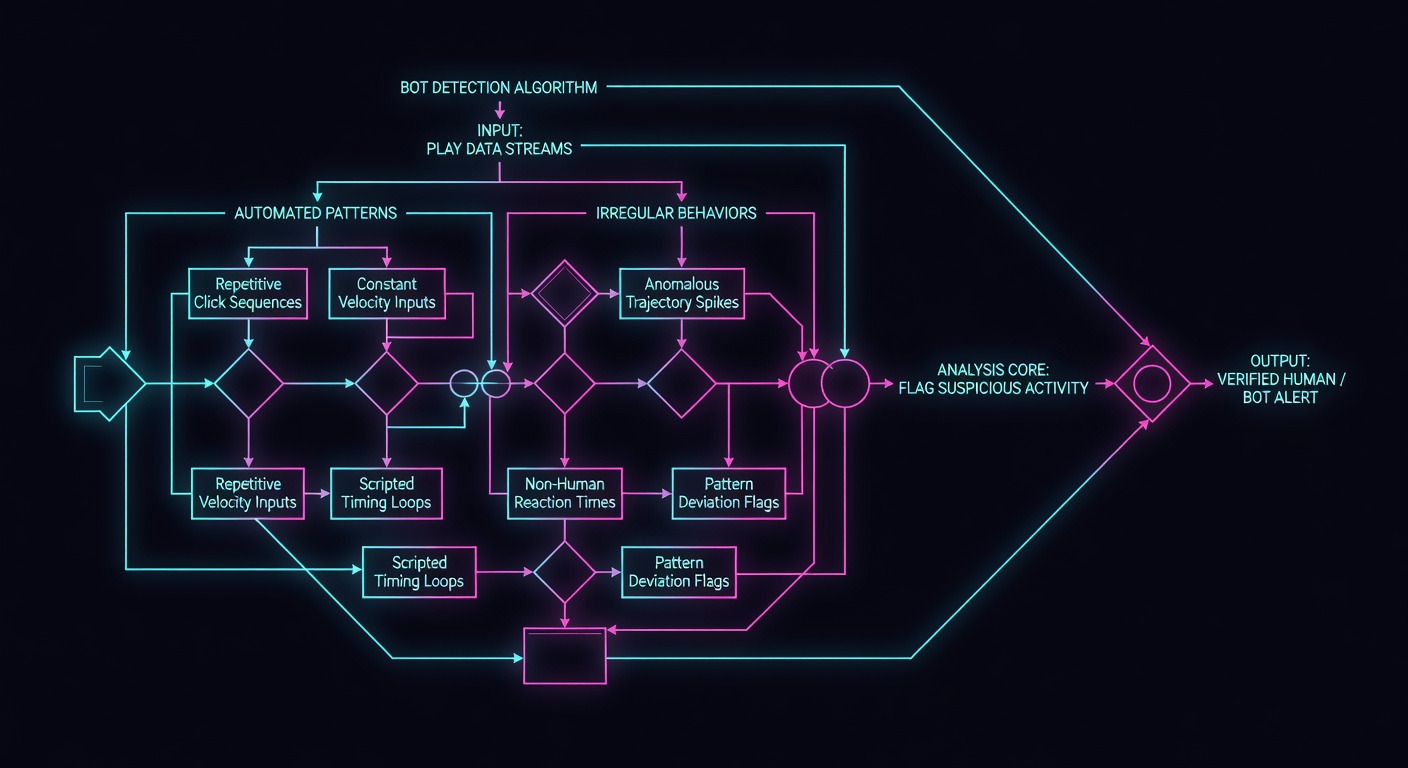
How Casinos Detect Bots and Automated Play
Does the bettor believe their play is rational, or are they executing a script? This is the question that separates the human gambler from the machine. And the casino has learned to ask it with precision.

Currency Conversion Fees That Quietly Eat Your Roulette Bankroll
A German player in Manila converting EUR to PHP five times during a roulette session loses 3.5% of their stack before placing a single bet. The casino never touches a chip. The conversion fees do the work.

Biggest Baccarat Wins in Casino History
Baccarat produces the largest single wins in casino history. Not because the odds are favorable. Because the bets are enormous and the game is simple enough that anyone can play at that scale.
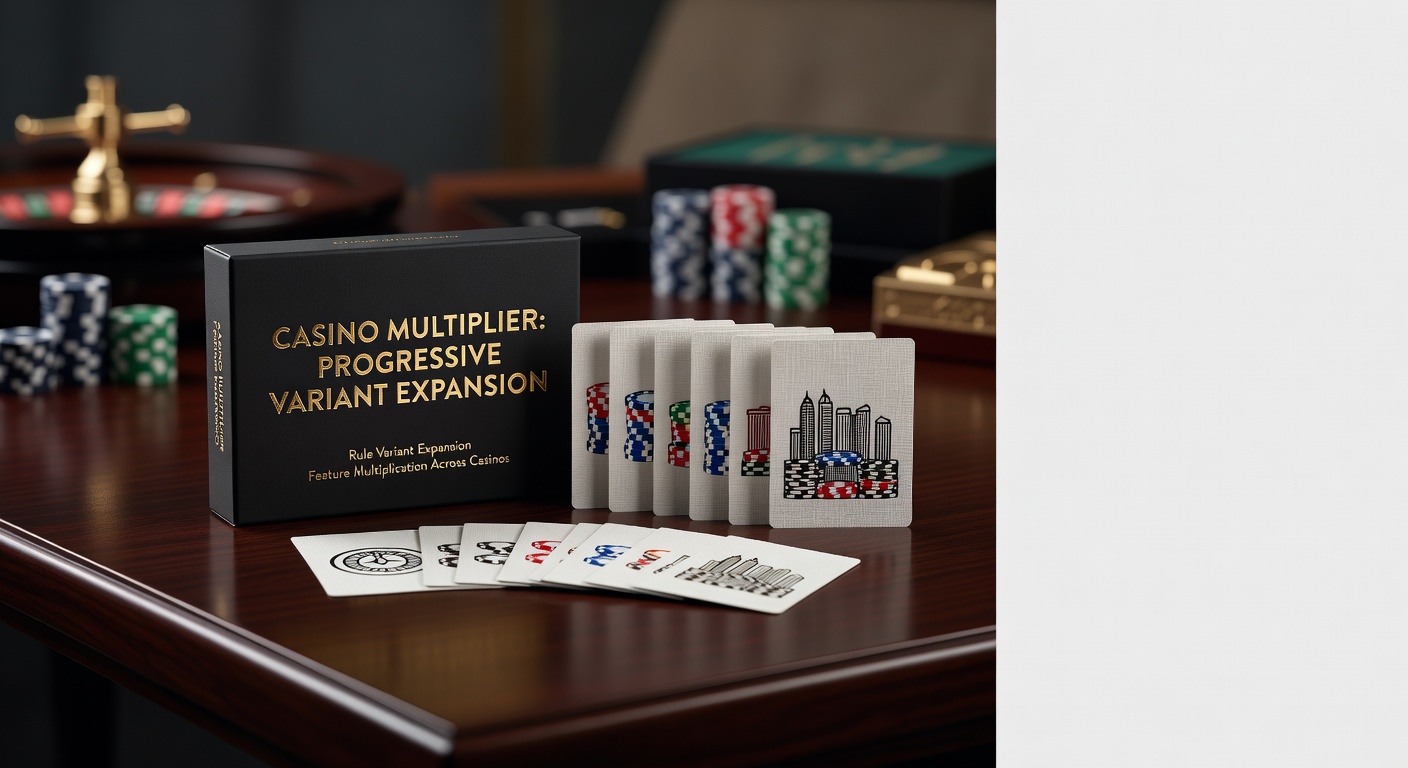
Why Table Game Variants Keep Multiplying Online
I ran a pit for thirty years. In 1994 we had three table games and one of them was 21. Today my grandson plays twelve versions of blackjack before breakfast. Here is the specific reason, drawn from one case I remember well.
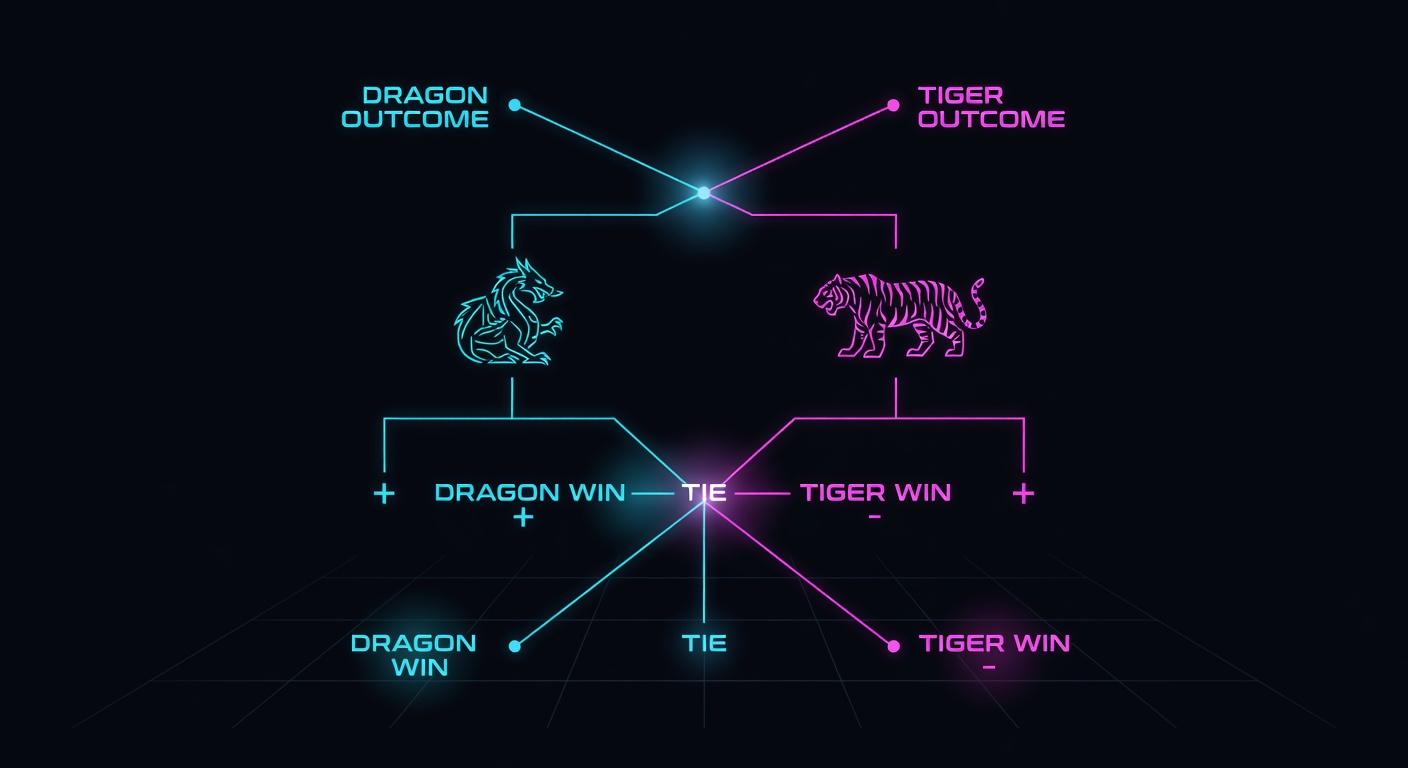
Live Dragon Tiger: The Simplest Table Game You'll Ever Learn
Dragon Tiger is a two-card comparison game that can be learned in under a minute. Its simplicity is precisely what makes it worth examining from a behavioural perspective, because the round is so short and the choice so binary.