The Basics of Arbitrage Betting and Its Risks
Arbitrage betting is grinding without the variance. That is the pitch. The reality involves limits, rollbacks, and being banned out of half your books inside a year. Here is the short version of how it actually works.

Arbitrage betting is placing opposing bets at two or more sportsbooks such that the sum of the implied probabilities is below 100 percent. You cover every outcome. You lock in a profit. That is the sketch.
It is real. I have done it. Most of the people who tell you it is not real have not done it. Most of the people who tell you it is easy have not done it for long.
The Mechanic
A sportsbook quotes a moneyline. Say Book A has the Red Sox at plus 110 and the Yankees at minus 120. Book B has the Red Sox at plus 100 and the Yankees at minus 110. The implied probabilities look like this.
Book A: Red Sox implied 47.6 percent, Yankees implied 54.5 percent, sum 102.1 percent. This is the book's vig. Normal.
Book B: Red Sox implied 50 percent, Yankees implied 52.4 percent, sum 102.4 percent. Also normal.
Now look across books. Take the best side from each. Red Sox at plus 110 from Book A is the implied 47.6. Yankees at minus 110 from Book B is the implied 52.4. Sum is exactly 100. No arb.
You need a pricing disagreement where the sum of the best available implied probabilities dips below 100. That happens. It happens because books do not perfectly sync their lines, because one book moves late, because a promotion distorts a price, or because a soft book has lazy oddsmaking. When it happens, a bettor staking proportionally on each side locks in a small positive return regardless of outcome.
The Staking
Say you find a true two percent arb. You stake a thousand total. You split the stake inversely to the decimal odds. On a plus 110 and a plus 105 arb, you would stake about 491 on one side and 509 on the other, and you would profit somewhere around 20 dollars no matter who wins. The math is a middle-school exercise once you do it a few times.
Some bettors use arb finders. These are web services that scan book lines in real time and flag discrepancies. Oddsjam, RebelBetting, and a few others run this kind of tool. They cost money. They work. They also flag the same arbs to every subscriber, which means the edges vanish fast.
Why the Pitch Fails in Practice
Here is what arbitrage sellers do not say out loud.
- Books limit arbers aggressively. Any bettor who consistently takes the best line on both sides of a market, across multiple books, will be flagged within weeks and have his stakes cut to one or two dollars. That kills the strategy.
- Books void bets after the fact. Palpable error rules let the book cancel a clearly mispriced line. If you got in on one side before the correction, the other side is left exposed and you are now unhedged.
- Book lines move between your two bet placements. You place the first leg. You go to place the second. The line has moved. You are stuck with an open position, not an arb.
- Withdrawal friction. Funds locked at multiple books are hard to consolidate. Some books take a week to process withdrawals. Some introduce ID checks at withdrawal. Your capital efficiency collapses.
- Soft books ban. The profitable arbs typically live at soft books, the same books that ban sharp action fastest. You burn through soft books in order to hit the highest edges. The career is short.
A sharp bettor I know worked a solid arb book for eighteen months before half his accounts were closed. He grossed in the mid five figures and netted less after service fees and travel to deposit cash. That is roughly what a decent middle-stakes poker grinder makes. With less variance. With a shorter runway. That is the trade.
The Honest Assessment
Arbitrage betting is not a scam. It is also not the free money most of the selling material suggests. What it is, honestly, is a low-variance grind with a hard ceiling and a short career. The ceiling is set by how much action the soft books will let you take before they limit you. The career is set by how many soft books exist in your jurisdiction. In most US states, that number is small and shrinking as the big operators consolidate.
If you want to do it, do it knowing the shape. Set up accounts at five or six books. Use a finder. Scale stakes to your bankroll without exceeding the book's typical limit at any one account. Withdraw often. Expect to be limited. Expect the grind to end when the limits come in. Plan the exit before the beginning.
The alternative is finding an edge in sports handicapping itself, which is harder and slower but has no ceiling. Or, you know, playing poker. The variance is worse and the pay is better.
Next notes
More from #bonuses

Free Spins on Registration: How They Typically Work
A casino hands you free spins when you join. A young man from Nevada sat down and played them. By the time they were done, he understood something about generosity.

Understanding VIP Programs at Online Casinos
VIP programs are a full-court press on whale retention. The math is simple: one whale is worth a thousand casual players. The casino structures everything around not losing that whale.
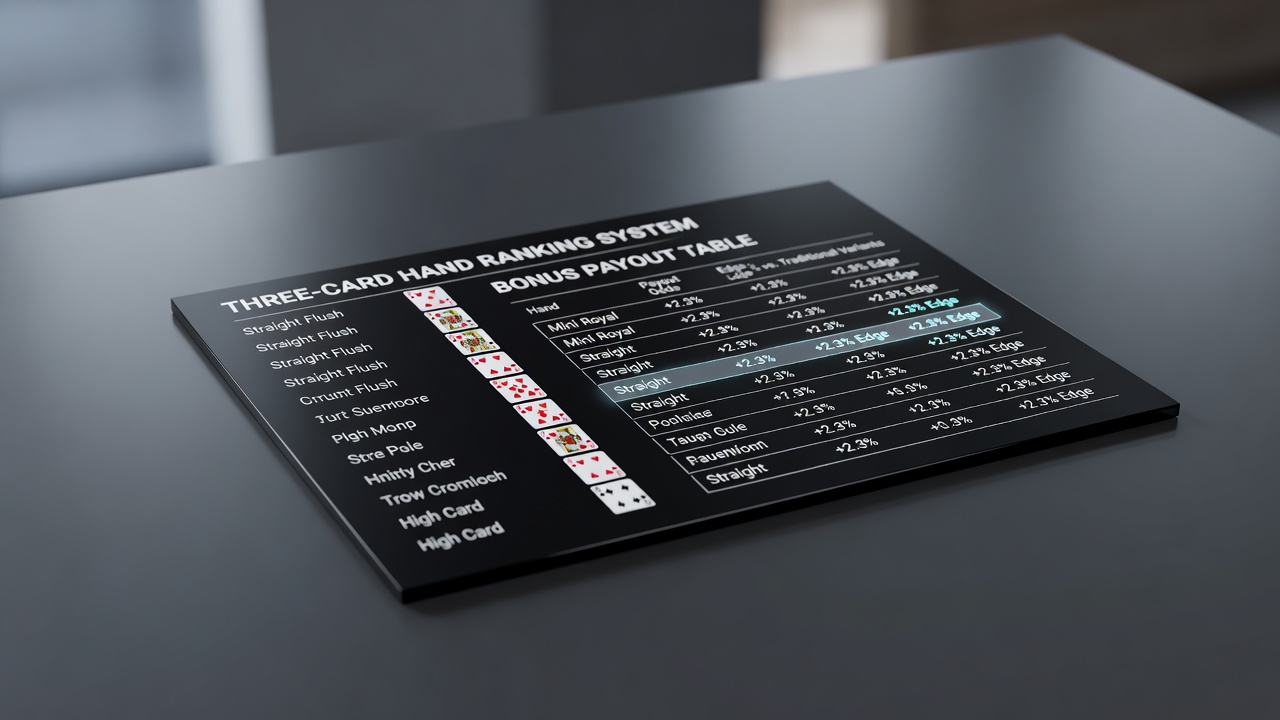
The Math of Six Card Bonus in Three Card Poker
provably fair is a tech term. but three card poker's six-card bonus? that's not provably anything. it's just a bet with a 14% house edge wrapped in shiny UI.
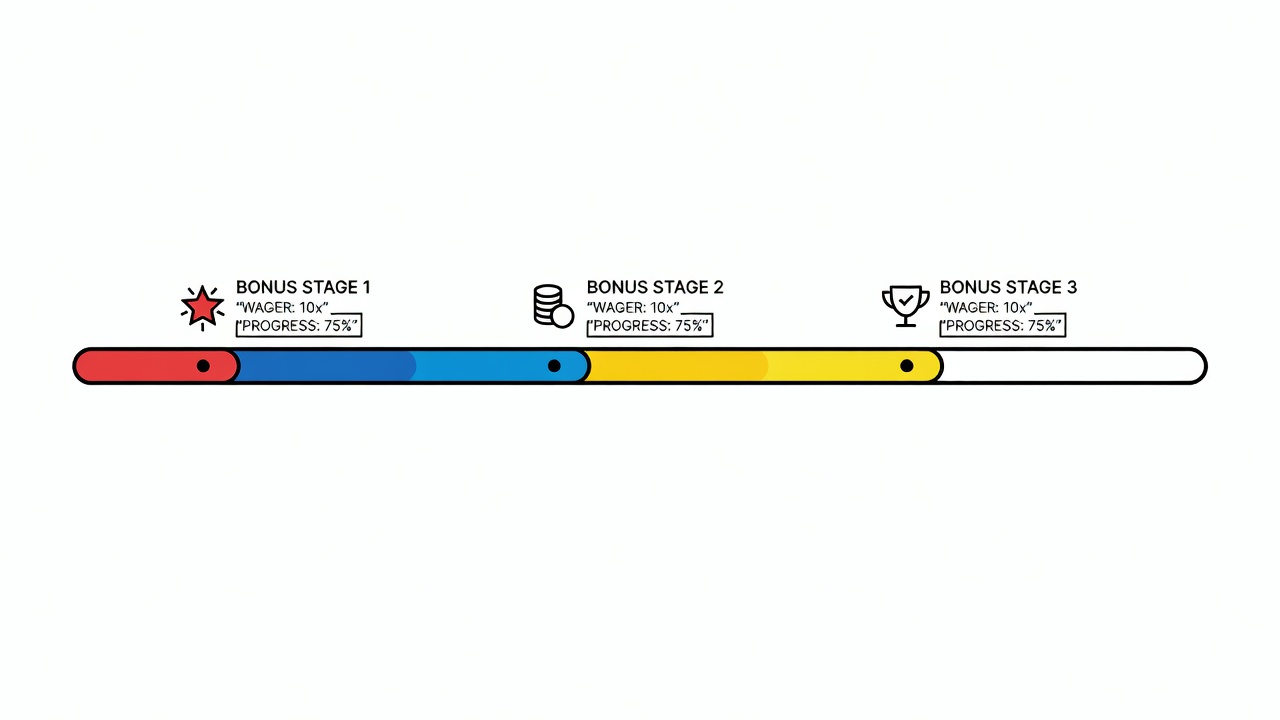
How to Track Your Wagering Progress on a Bonus
The bonus system works like traffic flow. The casino designed the space. The player moves through it. Good design makes the path invisible. Tracking your position in that path is the work.
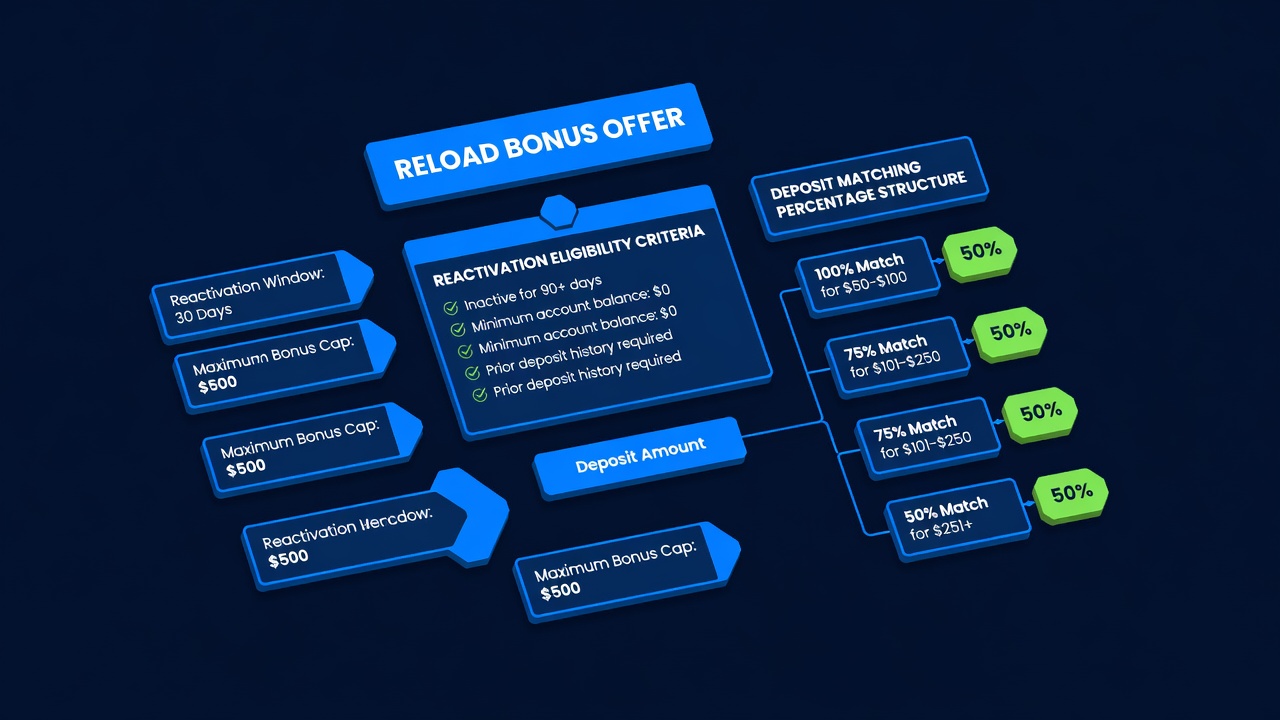
Crypto Casino Reload Bonuses: How They Typically Work
Reload bonuses are a tool to combat player churn. Casinos use them to reactivate dormant players. The mechanics are straightforward, but the value proposition depends entirely on your loss rate.

Bitcoin Lightning Network for Instant Casino Deposits
The Lightning Network emerged from a 2015 whitepaper by Poon and Dryja as a response to Bitcoin's settlement delays. Casino operators began adopting it in 2019 to solve real problems of player friction.