Live Dragon Tiger: The Simplest Table Game You'll Ever Learn
Dragon Tiger is a two-card comparison game that can be learned in under a minute. Its simplicity is precisely what makes it worth examining from a behavioural perspective, because the round is so short and the choice so binary.
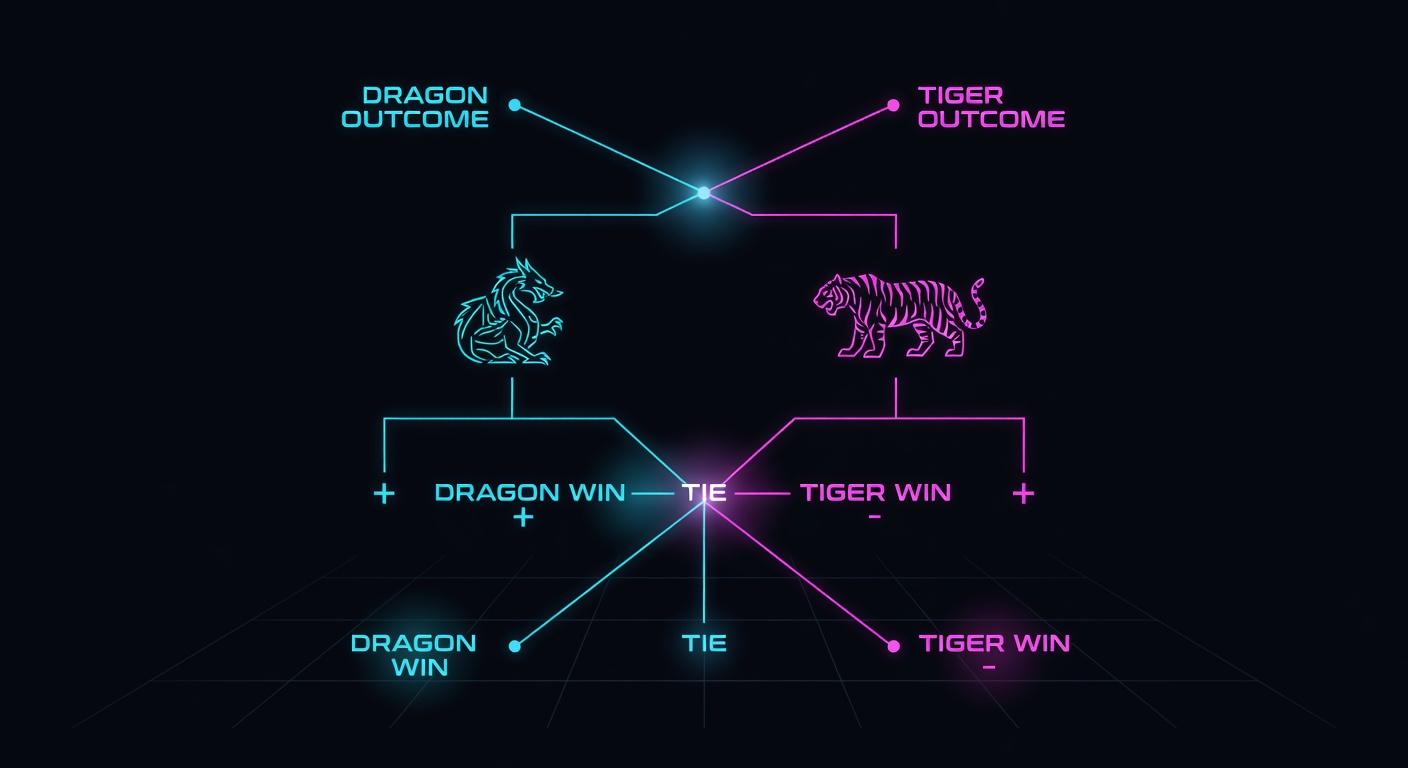
Dragon Tiger is a live-dealer casino game in which a single card is drawn to each of two positions, Dragon and Tiger, and the higher card wins. That is the entire game. Its behavioural interest lies in how much can happen inside a structure that simple.
Mechanics in One Paragraph
A single deck, or frequently eight decks shuffled together, is used. The dealer draws one card for Dragon and one for Tiger. The side with the higher card wins, aces low. A tie is a separate outcome. The standard payouts are even money on Dragon or Tiger, eight to one on a tie, and eleven to one on the less common suited-tie side bet, with some variance across operators. The house edge on the main bets runs approximately 3.7 percent due to the tie outcome removing half the stake on ties, which some operators disclose clearly and others do not. The tie and suited-tie bets carry substantially higher edges, often above ten percent.
Why Simplicity Matters Psychologically
Dragon Tiger has a round duration of roughly 25 to 30 seconds on most live platforms. This places it near the high end of rapid round-based casino products, comparable to speed roulette. In the literature on structural characteristics of gambling, round frequency is consistently identified as a variable associated with the intensity of engagement. Parke and Griffiths, among others, have discussed how shorter event frequency reduces the interval between stake and outcome, which in turn reduces the natural reflection window between decisions.
The variable-ratio reinforcement schedule, the psychological mechanism that drives persistence in most gambling products, operates with particular clarity in Dragon Tiger. The reinforcement is:
- Immediate, within 30 seconds of the stake
- Intermittent, with roughly a 46 percent chance of a winning Dragon or Tiger bet
- Unambiguous, as the outcome is a single card comparison with no narrative delay
This is not a criticism of the product. It is a description. Recreational players who set a session limit and stop at that limit encounter no structural harm. The same cannot be said universally of players who do not set limits.
The Tie Bet as a Case Study
The tie bet in Dragon Tiger is an instructive example of how payout framing interacts with probability assessment. Ties occur on a single deck roughly once in every fourteen rounds, giving an actual probability near 7.4 percent. The eight to one payout on a correct tie prediction implies a breakeven rate of approximately 11.1 percent. The gap between those two figures is the house edge, which sits above 32 percent on the tie bet in single-deck formats, reducing slightly in multi-deck variants.
For a concrete example: a player wagering five dollars on the tie each round for one hour, at roughly 120 rounds per hour, stakes 600 dollars and loses, on expectation, roughly 190 dollars. Many players who make the tie bet do so specifically because it feels rare, which it is, and therefore special, which it is not from a value perspective. The near-miss effect, which Reid described in 1986 in the context of slots, has analogues here; two cards of the same rank but different suits feel thrilling because they were mathematically close, though probabilistically identical to any other non-tie.
The Near-Miss Pattern in Dragon Tiger
One specific pattern worth flagging is what I would describe as a pseudo near-miss. A Dragon card of Queen and a Tiger card of Jack, for instance, produces a clear win for Dragon but also the subjective sensation, for a Tiger bettor, of having almost had it. The cards were only one rank apart. In fact, the distance between Queen and Jack is no more and no less meaningful than the distance between Queen and Two. The game is a single comparison, not a race. Players who report finding these close outcomes emotionally engaging are responding to a cognitive frame the game does not actually contain.
What the Game Is Good For
For a player who wants a short learning curve, a clear round structure, and a predictable house edge on the main bets, Dragon Tiger is a reasonable selection among live casino products. For a player who has noticed their session lengths creeping upward on baccarat or speed roulette, the product may be worth examining with care, because its structural characteristics place it among the faster and more reinforcement-dense live offerings.
Knowing that, and playing anyway, is a different matter from not knowing at all.
Next notes
More from #baccarat

Kerry Packer's $20 Million Loss to the MGM Grand
A man who had been fearless his whole life walked into a casino and lost more money in three days than most people make in a lifetime. This was not a story of bad luck. This was a story of what happens when unlimited wealth meets unlimited temptation.
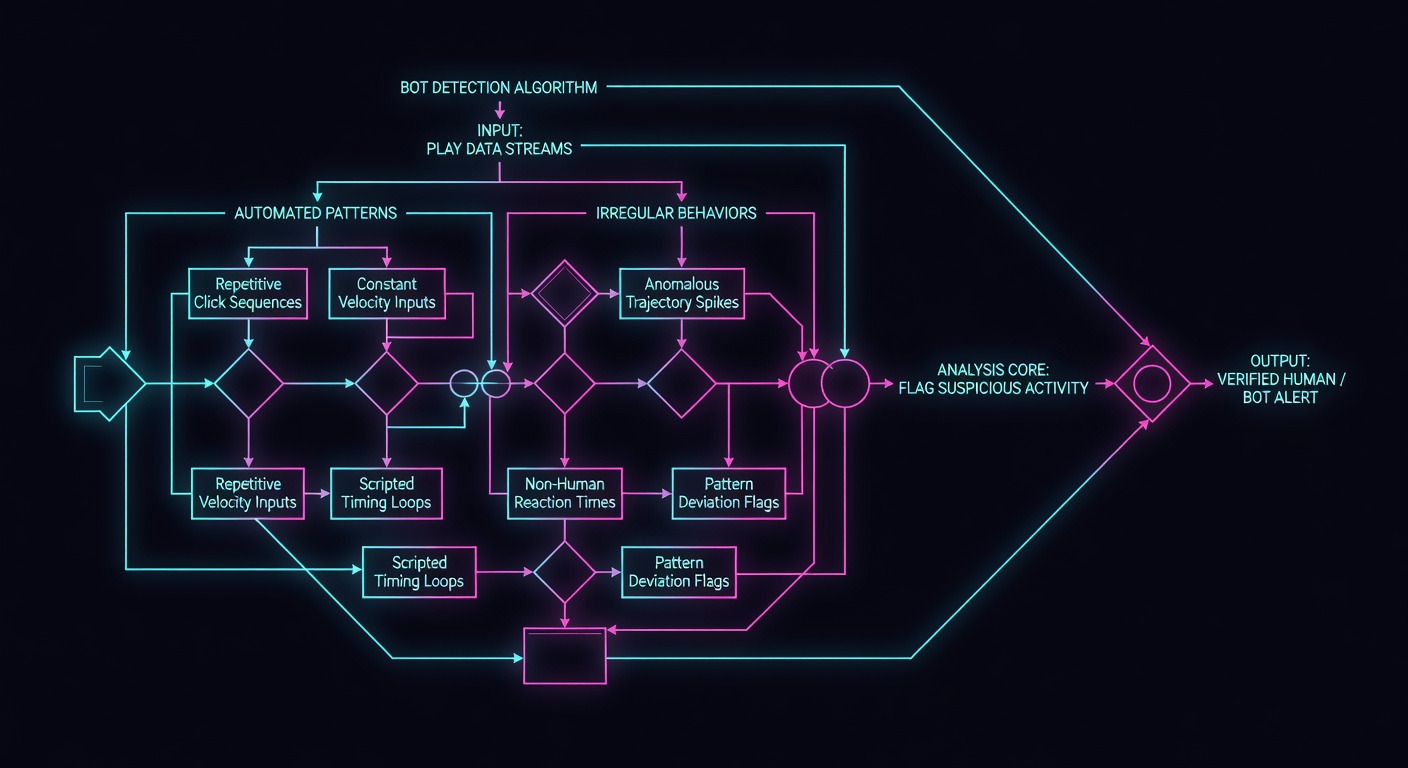
How Casinos Detect Bots and Automated Play
Does the bettor believe their play is rational, or are they executing a script? This is the question that separates the human gambler from the machine. And the casino has learned to ask it with precision.
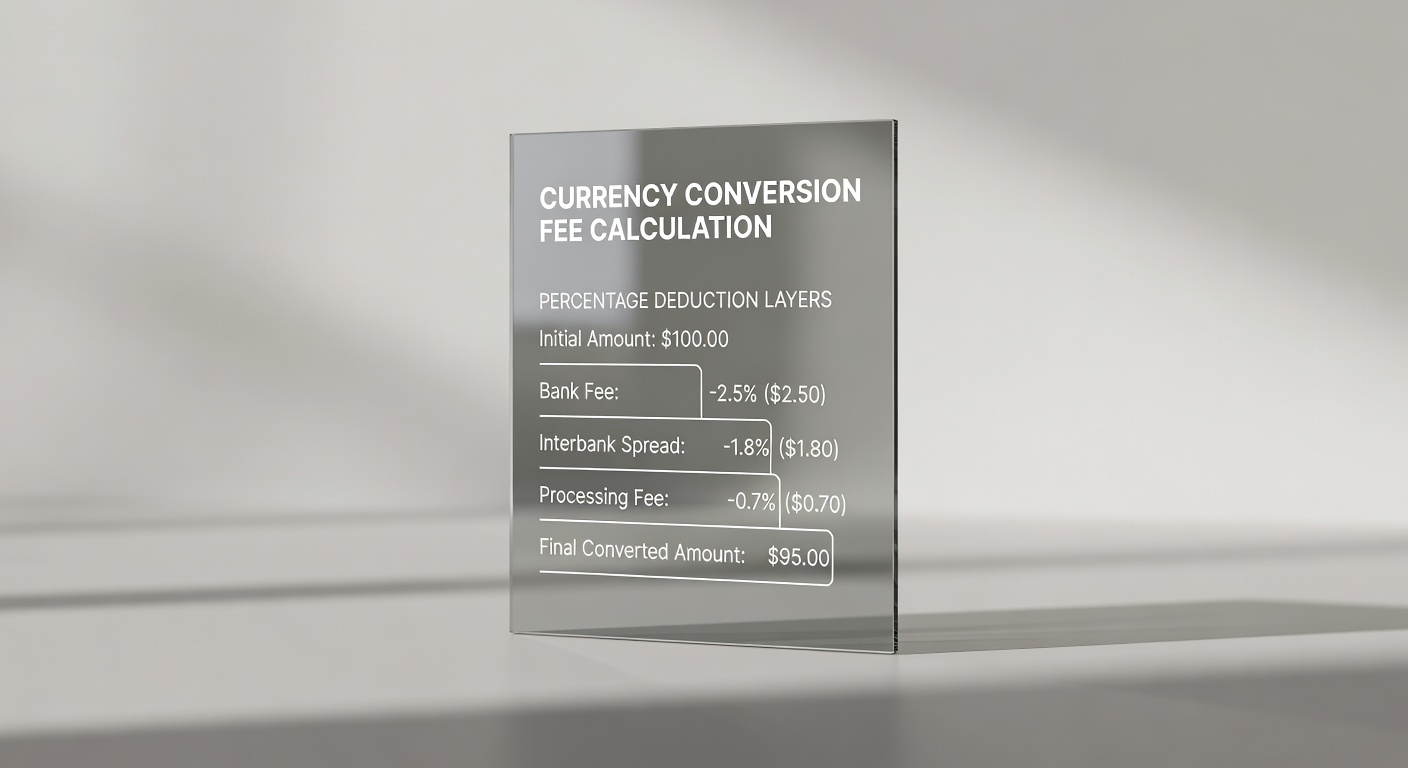
Currency Conversion Fees That Quietly Eat Your Roulette Bankroll
A German player in Manila converting EUR to PHP five times during a roulette session loses 3.5% of their stack before placing a single bet. The casino never touches a chip. The conversion fees do the work.

Why Table Game Variants Keep Multiplying Online
Every time you refresh a live casino lobby, there's a new variant. 7-card baccarat. Dragon Tiger side bets. Infinite bet options. The multiplication accelerates because the old rules no longer apply.
Biggest Baccarat Wins in Casino History
Baccarat produces the largest single wins in casino history. Not because the odds are favorable. Because the bets are enormous and the game is simple enough that anyone can play at that scale.
Why Table Game Variants Keep Multiplying Online
I ran a pit for thirty years. In 1994 we had three table games and one of them was 21. Today my grandson plays twelve versions of blackjack before breakfast. Here is the specific reason, drawn from one case I remember well.