How to Play Penny Slots: What Each Spin Really Costs
A penny is one credit, not one spin. We multiply credit value, lines and bet level into dollars, then check what Nevada's hold figures say about penny machines.
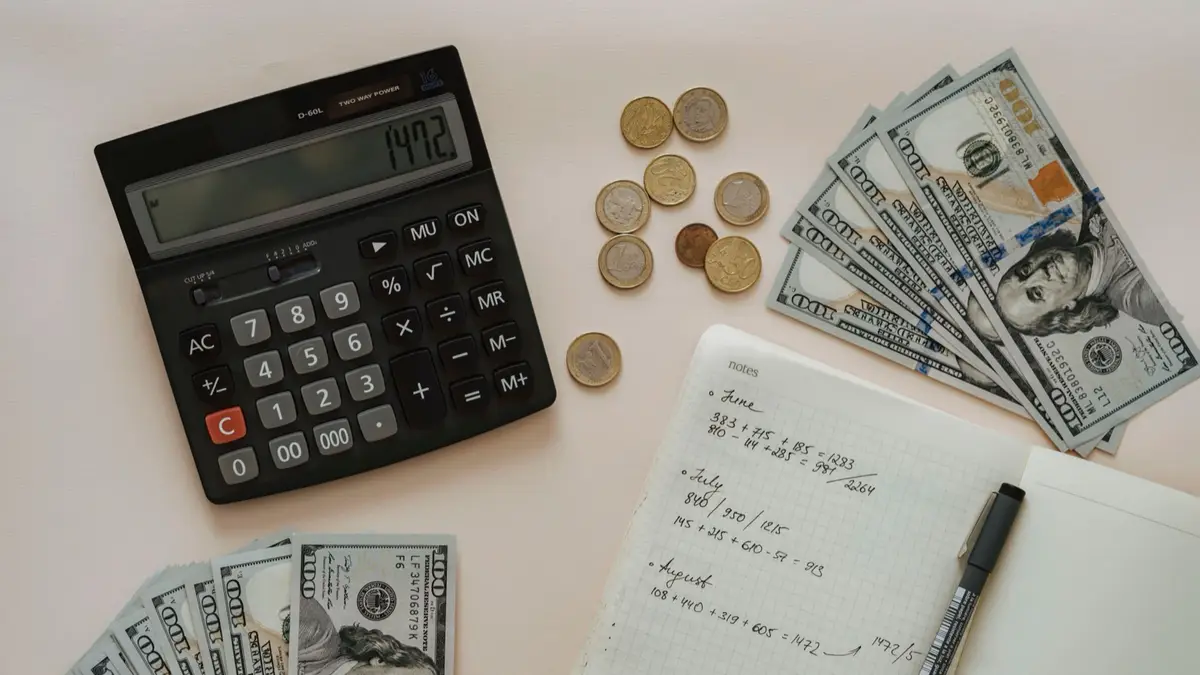
Photo: Olia Danilevich on Pexels
Playing penny slots means choosing a credit value, a number of lines or a bet level, and the credits you commit to each, and the machine multiplies those into the price of one spin. The penny is only what a single credit is worth, so a spin almost always costs more than a cent. If you want to know how to play penny slots without surprises, learn that multiplication first, then look at how much of every dollar played the machines keep.
The penny is the credit, not the spin
A denomination tells you what one credit is worth and nothing more. The Review-Journal's denomination explainer gives a clean example: at a nickel machine with a 30-credit minimum, you pay at least $1.50 a spin. Penny cabinets work the same way. The minimum bet in credits sets the floor, and the penny just converts those credits into dollars.
These games are everywhere, which is why the confusion matters. Clark County alone has about 30,420 1-cent machines, so the label on the glass is the first thing most players meet and the least useful thing to judge cost by.
How paylines and credits per line set your bet
Your total bet is the credit value multiplied by the number of lines (or the game's base credit count) and then by the credits per line or bet level. Whatever the screen calls those settings, the price of a spin is their product, and every one of them pushes the cost up.
Online games show it just as clearly. In BetMGM's walkthrough of slot denominations, a penny game built on an 88-credit base at bet level 10 works out as $0.01 x 88 x 10 = $8.80 per spin. Nothing about that game is a penny bet except the credit value.
| Example | Credit value | Credits per spin | Cost per spin |
|---|---|---|---|
| Nickel machine at its minimum | nickel | 30 | $1.50 |
| Online penny game at bet level 10 | $0.01 | 88 x 10 | $8.80 |
What the cost per spin does to your balance
The house edge is charged on what you play, not on what you bring. The Nevada Gaming Control Board defines slot win percent as reported win divided by the total dollar amount patrons played, so every spin, including spins funded by earlier wins, is coin-in that the hold applies to.
That is where penny games get expensive. In the Board's November revenue report, statewide 1 cent slots held 9.11 percent of the money played, while the 5 cent row came in at 6.09 over the same period. A cheaper credit does not mean a cheaper game; at the state level the penny machines kept more of each dollar. We go further into why in our penny slots online casino math note.
Put the two pieces together and the session cost is simple to reason about: dollars per spin times the number of spins, with the hold taking its share of that total. A bigger bet or a faster pace raises coin-in, and the expected loss rises with it.
RTP on penny slots and the legal floor
Return to player is the flip side of hold, and Nevada sets a minimum. Under section 14.040 of Regulation 14, a gaming device must theoretically pay back not less than 75 percent for each wager available for play. That floor applies to every bet size on the machine, the minimum bet included, but it is a legal limit, not a typical return, and the statewide hold figures above show the real result for a whole denomination class.
What a player cannot see on the floor is the setting of the specific game in front of them. The aggregate hold tells you how a category behaves across the state; it does not tell you how one session will go, and no betting pattern changes the math.
A routine for playing penny slots with the cost in view
- Read the credit value, then find the minimum credits per spin.
- Multiply them out to a dollar figure before the first spin, and recheck it whenever you change lines or bet level.
- Set the session budget as a number of spins at that price, not as a vague dollar amount.
- Treat wins put back into the machine as new coin-in. The hold applies to them too.
- Stop at the budget. A session is a cost you choose to pay for play, not a way to earn.
Questions players ask
Are penny slot machines worth it?
Only if you go in knowing the real price. The spin usually costs far more than a cent once credits are multiplied out, and Nevada's figures show penny machines holding 9.11 percent of coin-in statewide against 6.09 percent on nickel machines in the same report.
How should a beginner bet?
Convert every bet into dollars per spin before pressing the button. Read the credit value, check the minimum credits the game demands, multiply, and size the session around that number rather than around the word penny on the cabinet.
What is a good amount to bet?
One you can multiply out in your head and could lose across the whole session without it hurting. Because the house keeps its share of every dollar played, raising the bet per spin raises the expected cost of the session in step, and no bet size changes that.
Where this comes from
- Nevada Gaming Control Board: Regulation 14, Manufacturers, Distributors, etc., accessed 2026-10-28
- Nevada Gaming Control Board: Monthly Revenue Report November 2025, 2025-11-30
- Las Vegas Review-Journal: Slot machine questions answered: What's the most common denomination?, 2024-06-20
- BetMGM Casino: Online Slot Denominations: How They Relate to Your Total Bet, accessed 2026-10-28
Related notes
More from #penny-slots, then the newest
Do Penny Slots Still Exist? Yes, but Not at 1 Cent a Spin
Nevada still reports 1 Cent slots as their own category. The one-cent spin is another story: forced lines push the cheapest bet to 40 cents or more.
Penny Slots Online Casino Math: Why 1 Cent Games Hold More
Nevada's revenue report shows 1 cent slots holding 9.06% of every dollar played, more than $1 machines. Here is what a penny spin really costs.

GTA Shark Card Value: A Currency With a One-Way Door
Dollars go into GTA$ and never come back out. Rockstar can change the rate and refunds nothing. How that differs from a stablecoin's redeemable peg.

Crypto Slots Game Fairness: How to Verify One Spin
A provably fair spin is locked by a hashed server seed before you play. Here is how to check the hash, rerun the nonce and spot slots the badge skips.