Penny Slots Online Casino Math: Why 1 Cent Games Hold More
Nevada's revenue report shows 1 cent slots holding 9.06% of every dollar played, more than $1 machines. Here is what a penny spin really costs.

Penny slots are the most expensive slots per dollar played, at least in the one place that publishes the numbers. Nevada's statewide report for the twelve months to October 2025 shows 1 cent machines holding 9.06 percent of the money put through them, against 6.35 percent for $1 machines. So if a penny slots online casino lobby looks like the cheap way to play, the price of a credit is the wrong number to watch.
What are penny slots, and what does a spin cost?
A penny slot is a denomination, not a bet size. The penny is the value of one credit; what a spin costs is the credits the game takes per line, times the lines in play, times any bet multiplier you pick. That is why a "penny" game can quietly ask for far more than a cent a spin.
For a wallet balance, the spin price only tells you how fast money goes through the machine. What it costs you over a session is that amount played multiplied by the machine's hold. Nevada's definition of slot win percent is exactly that ratio: reported win divided by the total dollars patrons played. It is a cost per dollar wagered, not per spin.
How much penny slots keep compared with other denominations
Penny machines keep the largest share of every dollar played among the common denominations in Nevada's October 2025 revenue report. Twelve-month win percent, statewide, as of October 2025:
| Denomination | Win percent, twelve months to October 2025 |
|---|---|
| 1 cent | 9.06 |
| 5 cent | 6.06 |
| 25 cent | 7.65 |
| $1 | 6.35 |
The penny figure is not a one-month blip. The same table shows 1 cent slots at 8.89 percent for October alone and 8.88 percent over three months.
Put in session terms: for every $100 played through Nevada's 1 cent machines, the statewide hold was about $9.06; on $1 machines it was about $6.35. A bigger stake per spin on a penny game just pushes more dollars through at the higher rate.
What the payout rules say about penny slot hold
The rules we found set floors on payback, not a hold target, and none of them says why 1 cent games hold more. Nevada's state payout minimum for devices, in the December 2024 revision, requires every gaming device to theoretically pay out at least 75 percent for each wager available. That puts the legal hold ceiling at 25 percent, even on the smallest bet.
Pennsylvania writes the rule around the bet size. Its slot machine minimum design standards set an 85 percent payout floor calculated at the lowest possible wager, and they bar a play from having a lower theoretical payout than any smaller wager on the same machine, measured to one hundredth of a percentage point. Read the other way: a bigger bet may pay back more, and the smallest bet is where the machine is allowed to pay the least.
Are there penny slots in Vegas?
Yes. Nevada's statewide slot win table still reports 1 cent machines as their own line, separate from 5 cent, 25 cent and $1 games. They are a tracked category, and the costliest per dollar of those four.
Penny slots online: what carries over
None of our sources publishes a hold-by-denomination table for online lobbies, so we will not put a number on them. What carries over is the method. Judge a penny slot by what it keeps per dollar wagered, then multiply by how many dollars your spin size sends through it in a session. A low credit value with many lines and a multiplier can move a balance faster than a single-line game at a higher denomination.
Questions players ask
What are penny slots?
Slots where one credit is worth a cent. The spin price is the credits the game takes per line times the lines in play, so a penny game is rarely a one-cent spin, and Nevada's report shows it holding more per dollar than larger denominations.
Are there penny slots in Vegas?
Yes. Nevada's statewide revenue report still carries its own 1 cent slot line, and as of October 2025 that line held 9.06 percent of the money played over twelve months.
Do penny slots keep more than dollar slots?
In Nevada's numbers, yes. Over the twelve months to October 2025, 1 cent machines held 9.06 percent of money played, while $1 machines held 6.35 percent.
Is there a legal limit on how much a slot can keep?
In Nevada, every wager on a device must theoretically pay back at least 75 percent. Pennsylvania sets an 85 percent floor, measured at the lowest possible wager.
Where this comes from
- Nevada Gaming Control Board, Monthly Revenue Report October 2025, accessed October 2026.
- Nevada Gaming Control Board, Regulation 14, Manufacturers, Distributors, etc. (Rev. 12/24), accessed October 2026.
- Pennsylvania Code (via Cornell LII), 58 Pa. Code 461a.7 Slot machine minimum design standards, accessed October 2026.
Next notes
More from #crypto-casinos

Stablecoin Payment Gateway: From Wallet to Settled Dollars
How a stablecoin payment actually settles: Stripe's 10,000 USD cap, final once the chain records it, no chargebacks, refunds back to your wallet as tokens.

Tron in Crypto Gambling: Why It's Popular for USDT Deposits
Tron carries something in its design that speaks to a particular kind of want. The want for speed. The want for certainty. The want for transactions that happen now.
The Difference Between Crypto Casinos and Traditional Online Casinos
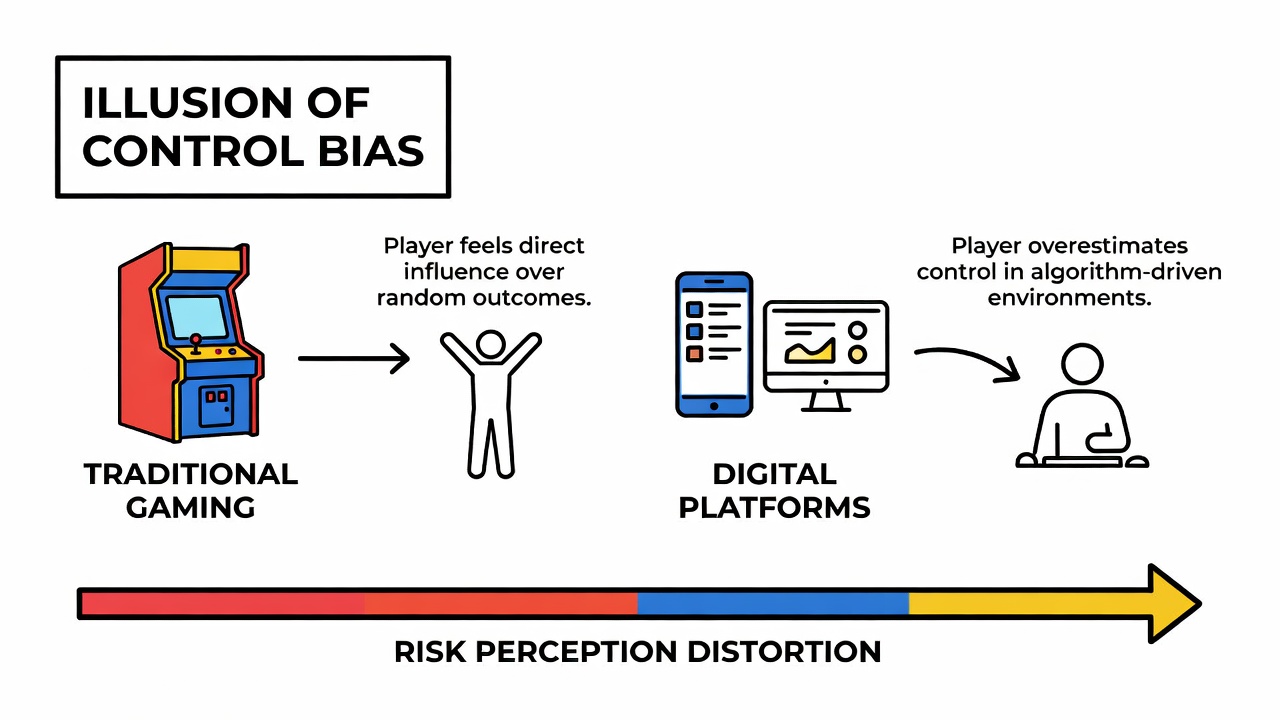
Kahneman and Tversky studied how people evaluate risk. Crypto casinos exploit one specific bias more effectively than traditional operators: the illusion of control.

Crypto Sportsbooks vs Crypto Casinos: Key Differences
The technical architecture between crypto sportsbooks and crypto casinos looks similar to the outsider. But the underlying systems are fundamentally different.

Crypto Deposits at Live Dealer Casinos: A Step-by-Step Walkthrough
The casino is a designed space, and every transaction flows through that design. Crypto deposits have altered the sightlines, but the principles remain unchanged.
Bitcoin Sportsbooks vs Fiat Sportsbooks: Pros and Cons
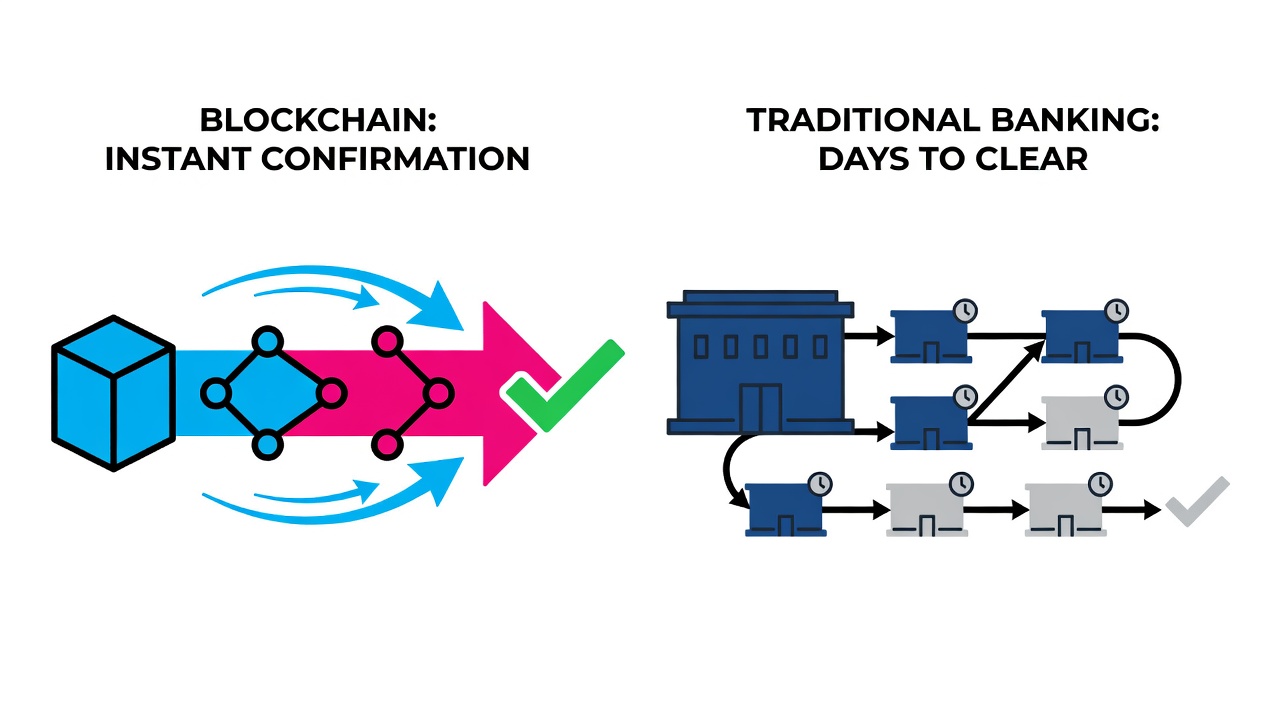
A Bitcoin sportsbook and a traditional sportsbook sell the same thing: access to betting. But they're different animals because of how money moves through them.