In-Play Betting on Mobile: Tips for Smooth Performance
In-play betting moves fast. Network lag, app crashes, and UI delays become tangible costs when you have seconds to decide.
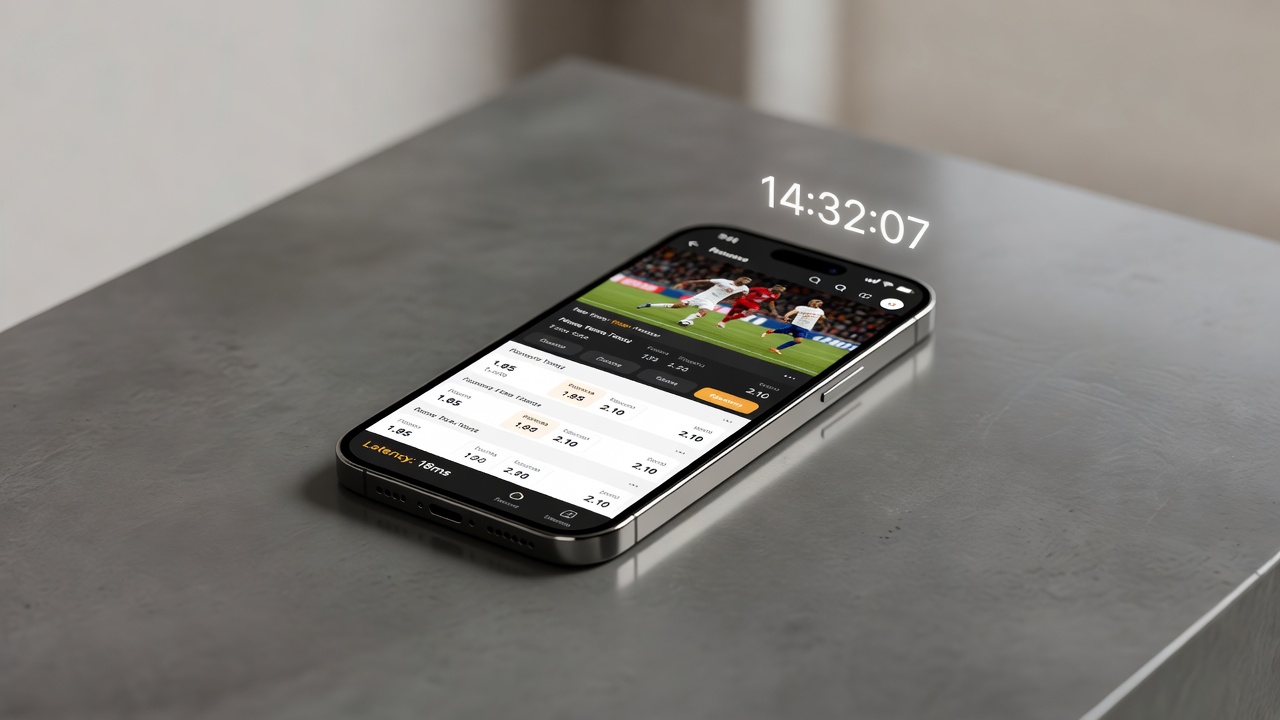
The Temporal Constraint
In-play betting operates in a compressed timeframe. A basketball game unfolds at real time. The bookmaker adjusts odds every 5-15 seconds as game state changes. A player has roughly 10-20 seconds to notice an opportunity, evaluate it, and execute the bet before the odds shift or the bet window closes. This is not the relaxed cadence of pregame betting. This is decision-making under temporal pressure with incomplete information.
The psychological mechanism is well-documented in behavioral economics. When time pressure increases, people rely more heavily on heuristic shortcuts rather than deliberate analysis. The availability heuristic dominates. Whichever information comes to mind first shapes the decision. A clear app interface that surfaces relevant information quickly influences choices. A slow app that requires navigation to find line movement influences choices differently: frustration and time pressure combine, often leading to impulsive decisions.
Network Latency and Perceived Fairness
When you submit an in-play bet on a mobile app, several things happen in sequence: your device sends the bet to the sportsbook server, the server receives the request, checks if the bet is still valid at the offered odds, confirms the bet, and returns confirmation to your phone. The entire round-trip typically takes 200-500 milliseconds on a good connection.
But perception lags reality. If your phone shows a 7.50 line and the actual server-side line has moved to 7.25, the difference between what you see and what is real is 25 seconds of network delay plus server processing delay. This creates a fairness problem. You made a decision based on odds that no longer exist. The house rejected your bet silently. You resubmitted at worse odds. The lag cost you money.
Modern apps address this with real-time odds updates. Instead of polling the server every few seconds for new lines, the app maintains a persistent WebSocket connection that pushes odds updates to your phone instantly. The latency drops from 2-5 seconds to 50-100 milliseconds. The difference is material. Your perception aligns with reality. This is why operators invest heavily in WebSocket infrastructure.
Battery Drain and Continuous Connectivity
In-play betting on mobile creates unique battery demands. Maintaining a persistent connection to the server, refreshing odds multiple times per second, keeping the screen on at full brightness, and executing rapid transactions all drain battery faster than normal app usage.
A typical sportsbook session lasts 3-4 hours on a modern phone with a full charge. With in-play betting, the same session exhausts the battery in 2-2.5 hours. The drain comes from several sources: the GPU rendering constant UI updates, the network modem staying in high-power mode, the CPU managing frequent callbacks from the server.
Developers optimize by using lower-refresh-rate UI updates when the odds have not changed meaningfully. If the line moves by 0.05, the app does not redraw. The visual stays the same while the underlying data updates. The cost-benefit tradeoff: slightly stale visual information (which the player cannot read anyway) versus extended battery life. Most implementations update the UI when odds move by 0.1 or more, reducing visual updates by 70% while keeping the underlying data fresh.
App Architecture and Crash Prevention
In-play betting apps crash more frequently than typical apps because they handle more concurrent connections and process more data per second. A pregame betting session might involve one open market view with static odds. An in-play session involves multiple markets, constant odds updates, websocket callbacks, UI re-renders, and network requests all happening simultaneously.
Modern apps use several techniques to prevent crashes under this load: memory pooling (reusing allocated memory objects rather than creating new ones each time, reducing garbage collection pauses), debouncing (batching multiple odds updates into a single UI refresh rather than redrawing on every update), and connection pooling (maintaining multiple server connections and reusing them rather than opening new ones for each request).
These techniques work but require careful engineering. A small implementation error causes memory leaks. Memory usage grows over a long session. The app becomes sluggish. A player notices the lag and closes the app. The session ends. From the operator's perspective, a 0.5% memory leak bug that causes 8% of in-play sessions to terminate early is a revenue leak worth fixing.
Betting on Poor Network Conditions
The in-play bettor often faces suboptimal network conditions: WiFi in a crowded public space, cellular signal in a stadium, or shifting between networks as the phone moves.
When network quality is poor, apps face a difficult choice: either slow down to ensure reliability, or maintain speed and accept occasional failures. Most apps choose to maintain speed. The cost is that occasionally a bet fails to execute, or execution takes 5 seconds instead of 1 second. For the player, this creates frustration. For the operator, it creates dispute resolution work and user churn.
The better approach is to notify the player transparently when conditions are poor. "Slow connection detected. Bet may be delayed or rejected." A player can then choose to wait for better conditions or accept the risk. This aligns expectations. The player makes an informed decision rather than assuming instant execution that does not happen.
Practical Optimization Tips
For users: use WiFi over cellular when possible; close other apps; keep the phone updated to the latest OS version; and manage expectations on latency (assume 200-500ms lag even in good conditions).
For operators: invest in server-side infrastructure that can handle high throughput (Stake reportedly handles 50,000+ concurrent in-play bets per second); use content delivery networks to reduce network latency for geographically distributed players; and test exhaustively on old hardware and poor network conditions.
The goal is alignment between user expectations and system reality. When a player understands why a bet takes 3 seconds instead of 1 second, dissatisfaction drops. When the UI clearly shows odds status and network condition, trust increases. The fastest systems are not always the best systems. The most transparent systems are.
Next notes
More from #mobile
Mobile Notifications from Casino Apps: Managing Them Responsibly
The push notification is the casino industry's version of the well-dressed floorman who knows your name and your limit and appears when you're down three thousand.
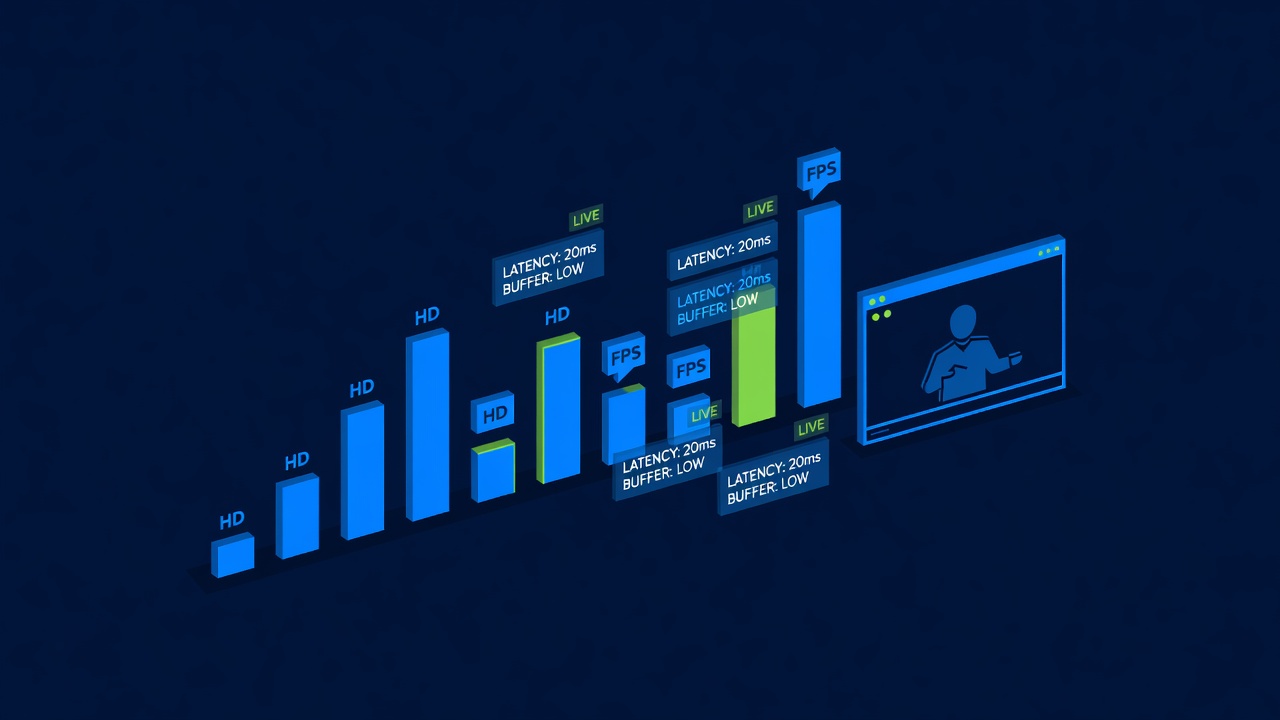
Testing Your Mobile Connection Speed for Live Casino Play
Explains hidden systems that operators depend on. testing your mobile connection speed for live casino play requires both knowledge and discipline.
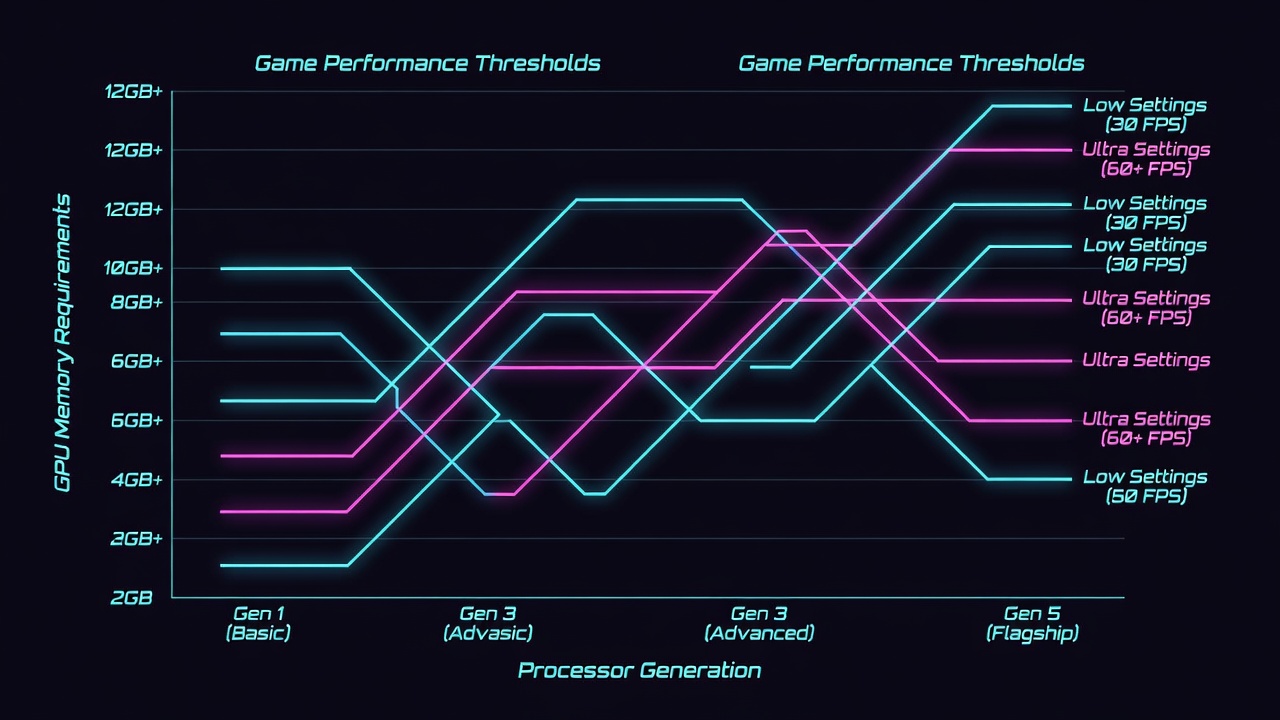
Why Some Casino Games Don't Work on Older Phones
Phone hardware hasn't improved linearly. A 6-year-old device hits walls in bandwidth, GPU power, and RAM that make certain games unplayable.
Adding a Casino Shortcut to Your Android Home Screen
Android shortcuts are a closed system of rules. Constraints, permissions, intent definitions. Beautiful, actually. Let me walk through how to set one up and what each piece does.
Mobile Casino Apps vs Mobile Browser: Which Should You Use?
In 1996, you needed software to do anything on a computer. Now you need to decide whether to download an app or use the browser. This is a decision that sounds trivial but carries implications.

Touch ID and Face ID Login for Casino Apps
Biometric login is a technological convenience that reduces the cost of account access. This changes the gambler's subjective time-preference calculation.