Touch ID and Face ID Login for Casino Apps
Biometric login is a technological convenience that reduces the cost of account access. This changes the gambler's subjective time-preference calculation.

A biometric login removes friction. You place your finger on the phone. The app opens. Seven seconds versus thirty seconds typing a password. The time savings is twenty three seconds.
Twenty three seconds is irrelevant in an absolute sense. In the Austrian economic framework, time preference is subjective. Twenty three seconds of friction is a transaction cost. It is a cost that makes gambling slightly less appealing in marginal moments.
Remove that cost and marginal moments become decisive.
The Discount Rate Problem
When you want to gamble, you discount future utility heavily. You want to gamble now, not tomorrow. A password-protected account imposes a time cost that increases the effective discount rate.
Your subjective discount rate might be: "I want to gamble now. A thirty-second login delay makes me forty percent less likely to gamble in this marginal moment."
With biometric login, the time cost is removed. Your discount rate shifts. "I want to gamble now. A seven-second login makes me ninety five percent likely to gamble in this marginal moment."
The app did not change. Your preferences did not change. The transaction costs changed.
Revealed Preference
When a casino app adds biometric login, the number of daily active users increases. The number of sessions increases. The average session length does not change much, but the number of sessions per user increases significantly.
This is revealed preference in action. Users behaved one way with password friction. Users behave differently with biometric frictionless access.
Neither behavior is "right." Both are expressions of the user's subjective preferences given different constraints.
The Implicit Time Subsidy
A casino implementing biometric login is effectively subsidizing gamblers' time. They are reducing the transaction cost of accessing gambling.
Why would they do this. Because the expected value of additional sessions exceeds the cost of implementing the technology. They ran the numbers and determined that every one thousand additional sessions drives expected revenue that justifies the implementation cost.
This is a rational business calculation. It is also a recognition that many gamblers are marginal. They would gamble more if the friction were lower. The casino is lowering the friction.
The Behavioral Asymmetry
Here is where it gets interesting. A user with a gambling problem and biometric login has easier access to their vice than a user with a password-protected account.
The transaction cost of accessing the app is so low that it removes a natural break. If checking a password took thirty seconds, a user with low willpower might reconsider during those thirty seconds. The friction gives them a moment to reflect.
With biometric login, there is no moment. The moment of decision is compressed to less than a second. The user who wanted to think about whether to gamble does not get that moment.
This is not manipulation in the strict sense. The casino is not lying. They are not deceiving. They are simply removing a transaction cost that happened to provide an accidental brake on problematic behavior.
The Regulatory Question
Some jurisdictions are debating whether biometric login on gambling apps should be restricted. The concern is that friction reduction enables problem gamblers to act on impulses that transaction costs would otherwise interrupt.
From an Austrian economic perspective, the question is: do we believe individuals have agency over their time preferences, or do we believe transaction costs should serve as paternalistic brakes.
If you believe individuals have agency, you permit biometric login and assume people are making informed choices. If you believe transaction costs serve a paternalistic function, you might require password protection as a friction device.
Neither position is obviously correct from a purely economic standpoint. Both impose costs. Password friction reduces convenience for everyone. Biometric access reduces a potential brake on compulsive behavior.
The Takeaway
Biometric login is efficient technology. It reduces transaction costs. This efficiency comes with a tradeoff: it reduces the accidental friction that some users relied on to control their own behavior.
Understanding this tradeoff matters more than judging whether the tradeoff is good or bad. The technology is neutral. Its effects depend on who uses it and how they use it.
Next notes
More from #mobile

Mobile Notifications from Casino Apps: Managing Them Responsibly
The push notification is the casino industry's version of the well-dressed floorman who knows your name and your limit and appears when you're down three thousand.
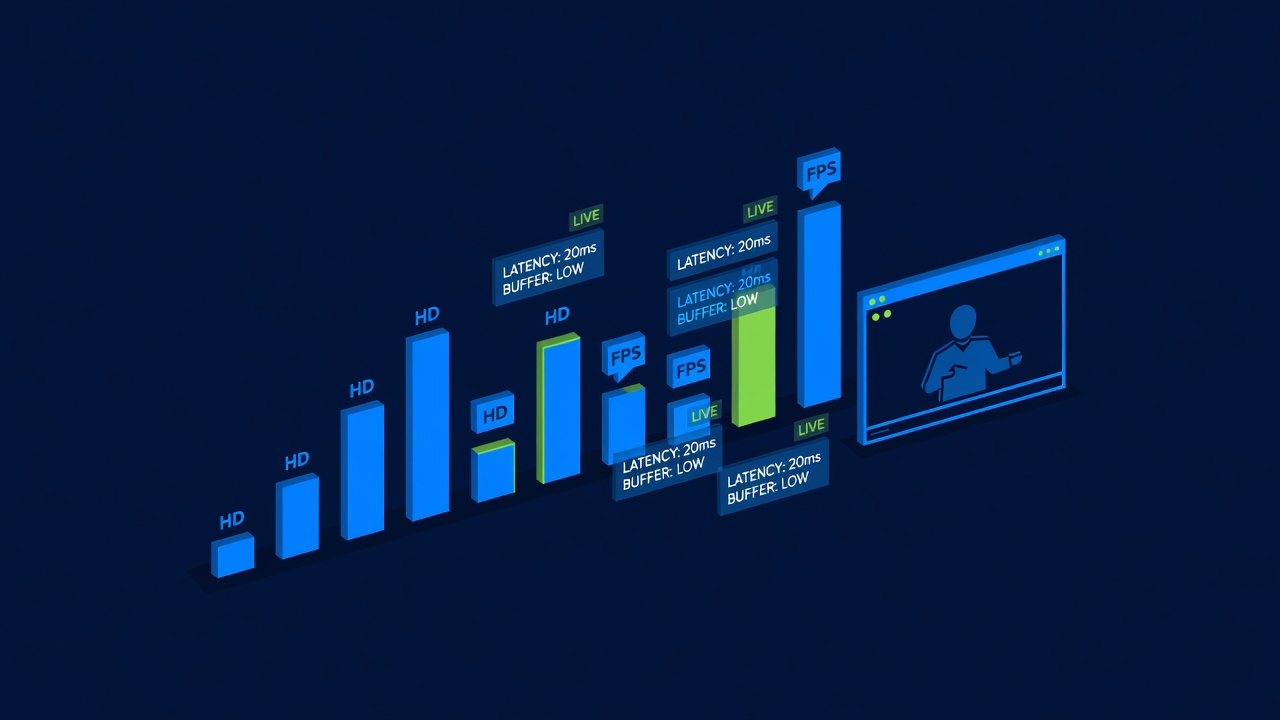
Testing Your Mobile Connection Speed for Live Casino Play
Explains hidden systems that operators depend on. testing your mobile connection speed for live casino play requires both knowledge and discipline.
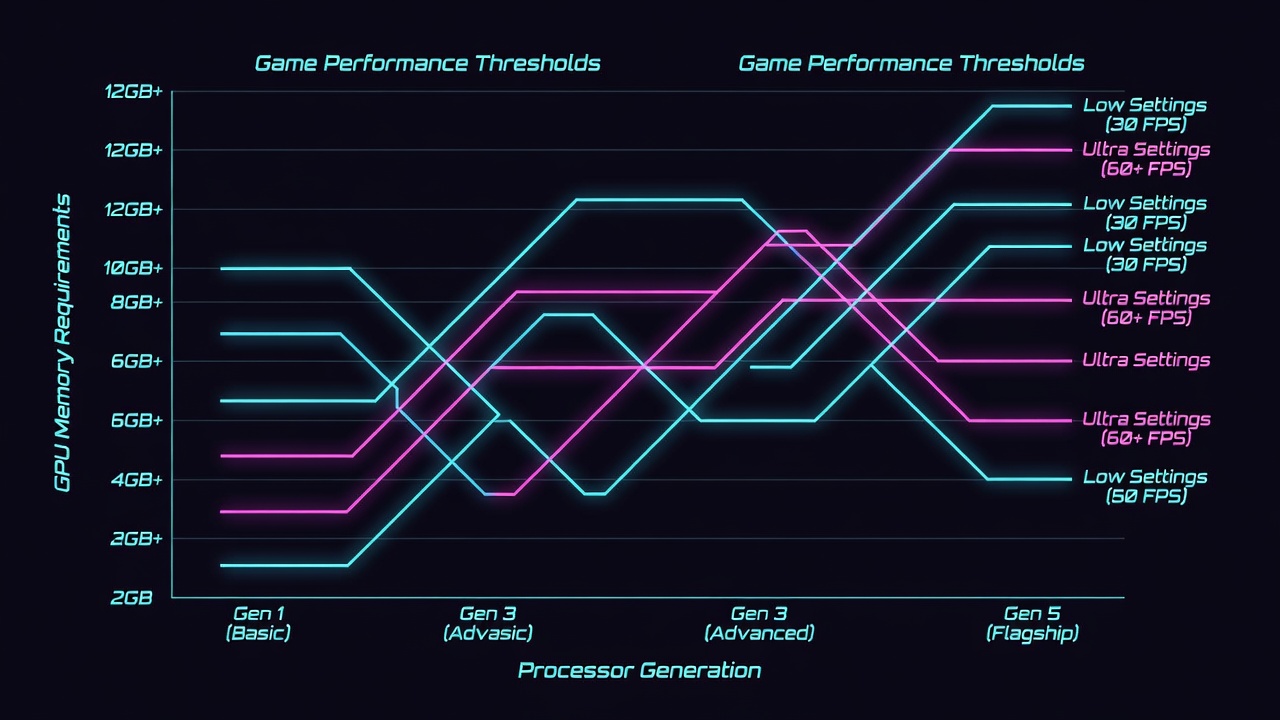
Why Some Casino Games Don't Work on Older Phones
Phone hardware hasn't improved linearly. A 6-year-old device hits walls in bandwidth, GPU power, and RAM that make certain games unplayable.
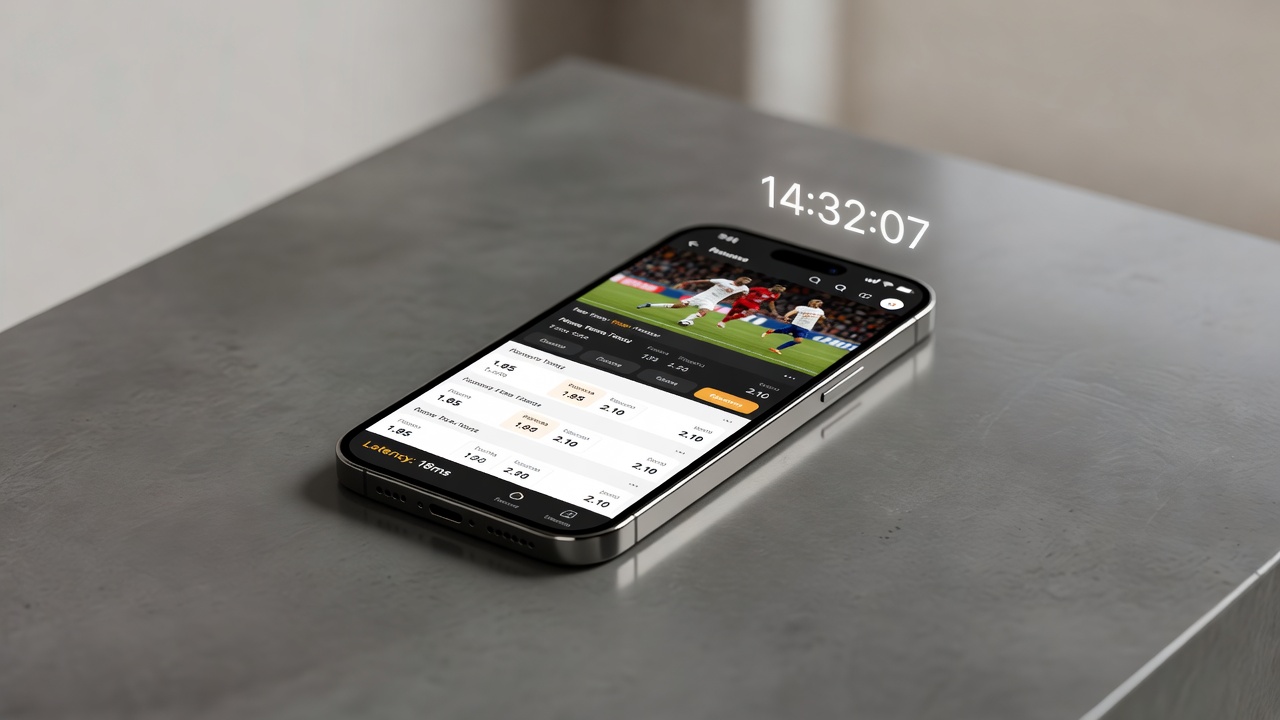
In-Play Betting on Mobile: Tips for Smooth Performance
In-play betting moves fast. Network lag, app crashes, and UI delays become tangible costs when you have seconds to decide.
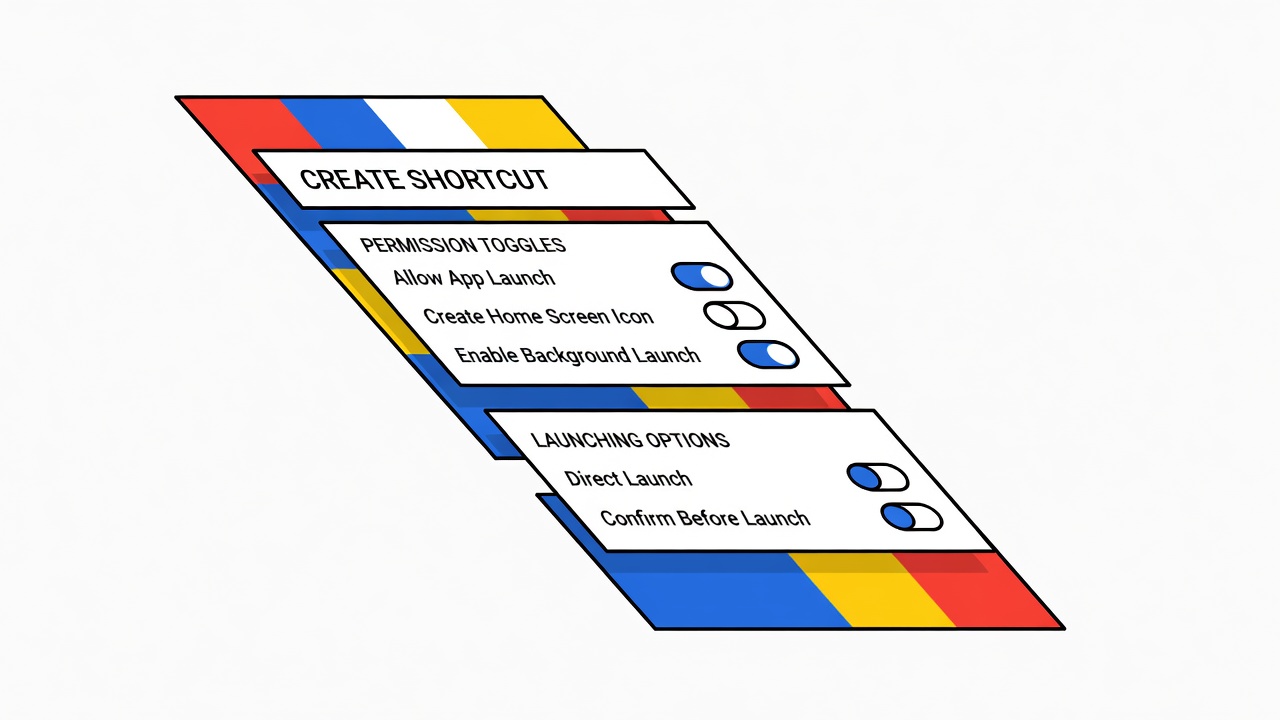
Adding a Casino Shortcut to Your Android Home Screen
Android shortcuts are a closed system of rules. Constraints, permissions, intent definitions. Beautiful, actually. Let me walk through how to set one up and what each piece does.
Mobile Casino Apps vs Mobile Browser: Which Should You Use?
In 1996, you needed software to do anything on a computer. Now you need to decide whether to download an app or use the browser. This is a decision that sounds trivial but carries implications.