Mobile Notifications from Casino Apps: Managing Them Responsibly
The push notification is the casino industry's version of the well-dressed floorman who knows your name and your limit and appears when you're down three thousand.
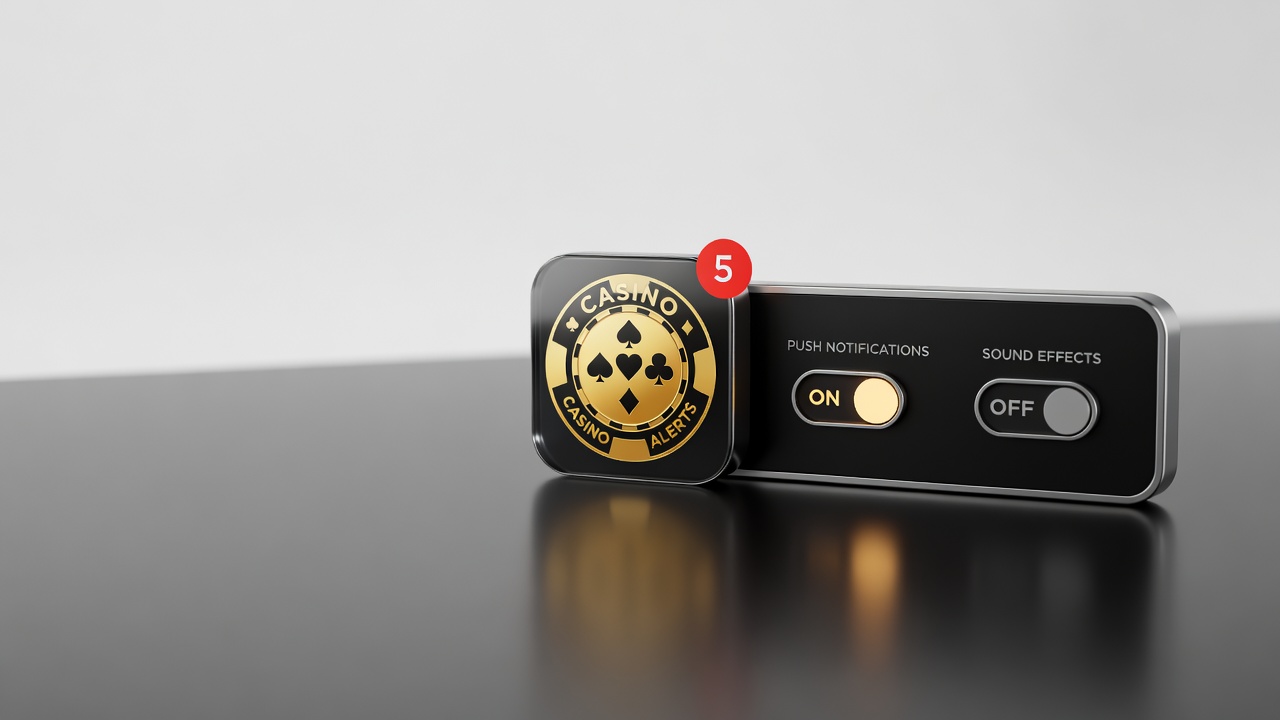
A notification arrives at three in the morning. Your phone vibrates. The casino is informing you of a special promotion. Fifty free spins on a new slot game. Just for you. The psychological architecture of this moment was designed by someone making six figures at a major gaming company. They were not thinking about your sleep.
The mobile app is the most intimate distribution channel a casino has. Your phone sits next to your bed. Your phone is the last thing you check before sleep and the first thing you check upon waking. The notification is essentially a casino employee materializing in your bedroom, pointing at a slot machine, and saying, "This one's paying today." The convenience is the problem, not the solution.
There is something fundamentally different about a notification at three in the morning versus seeing a promotion on the casino floor. The floor you have to go to. You have to get dressed. You have to commit. The notification arrives through a device designed to capture your attention immediately. The friction has been engineered out. The casino is now wherever you are. Always.
The Actual Mechanics of Responsible Notification
The best casinos offer granular control over notifications. You can turn off all push notifications. You can turn on only deposit bonuses and turn off everything else. You can set quiet hours. After ten p.m. until seven a.m., no notifications arrive. This is the rare, sophisticated approach. Most casinos use notifications as aggressively as their legal jurisdiction allows.
Here's what matters about notifications:
The frequency is intentionally designed to keep you engaged. Studies show that one notification per week has almost no behavioral impact. Ten notifications per week measurably increases session frequency. The casino is optimizing for the specific notification rate that maximizes engagement without triggering complaint volume.
- Operators use behavioral science. They know exactly when most players check their phones (morning commute, evening wind-down).
- Timing matters more than content. A generic "someone won big today" message at six p.m. beats a highly personalized offer at two a.m..
- Personalization works. "We reserved fifty free spins just for you" outperforms "Free spins available." The second-person address works on the brain in specific ways.
- Notifications that reference your history ("Welcome back, it's been three days") trigger loss-aversion responses.
The best practice is simple: disable all casino notifications. Not some of them. All of them. Open the app deliberately when you decide to play. Don't let the app decide when you play. The notification is not a neutral information channel. It's a persuasion mechanism engineered specifically to overcome your better judgment. The casino wouldn't send them if they didn't work.
I've seen casinos apologize for aggressive notification campaigns when bad press arrives. They frame it as a mistake. "We didn't realize the frequency was too high." They absolutely realized. They tested different frequencies and chose the one that maximized play. The apology is marketing. The behavior change is minimal. They adjust the frequency by a few notifications, the heat dies down, and they resume their previous approach. The cycle continues.
The only control you have is the one the casino cannot override: the device itself. Your phone's operating system lets you disable notifications from specific apps. Use it. The casino wants access to every moment of your attention. That access is not yours to give away.
Next notes
More from #mobile
Testing Your Mobile Connection Speed for Live Casino Play
Explains hidden systems that operators depend on. testing your mobile connection speed for live casino play requires both knowledge and discipline.
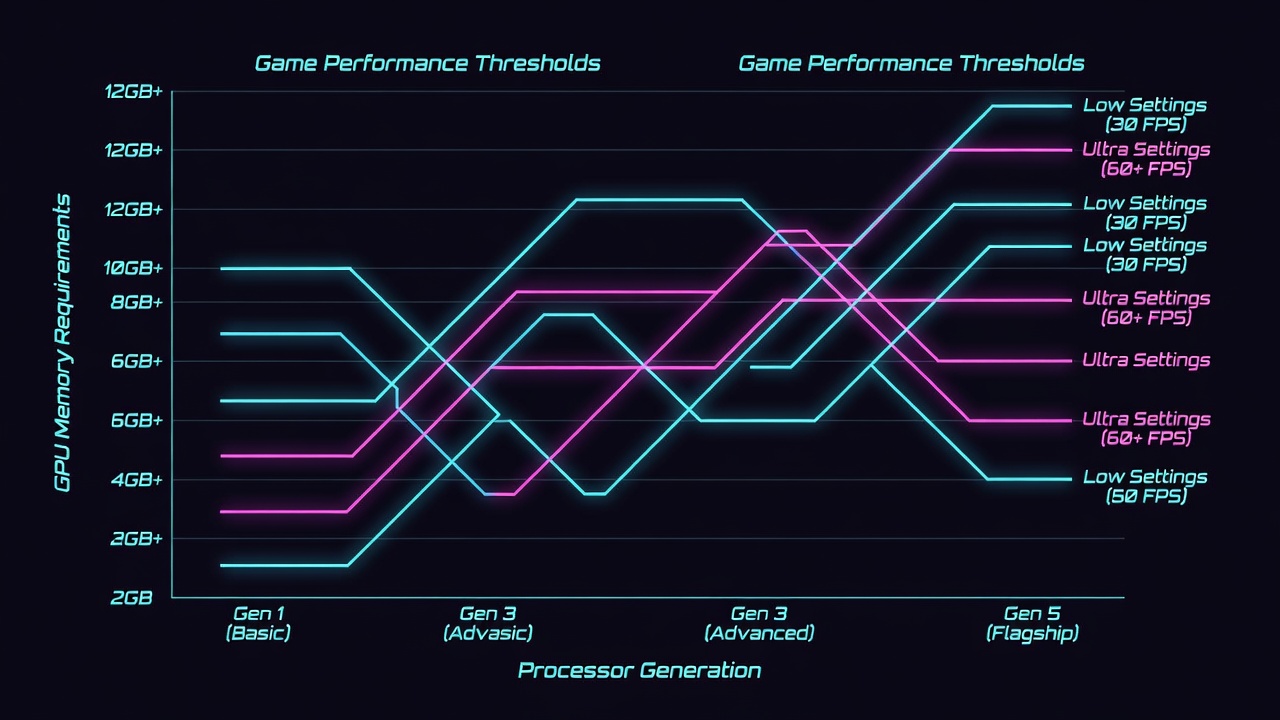
Why Some Casino Games Don't Work on Older Phones
Phone hardware hasn't improved linearly. A 6-year-old device hits walls in bandwidth, GPU power, and RAM that make certain games unplayable.
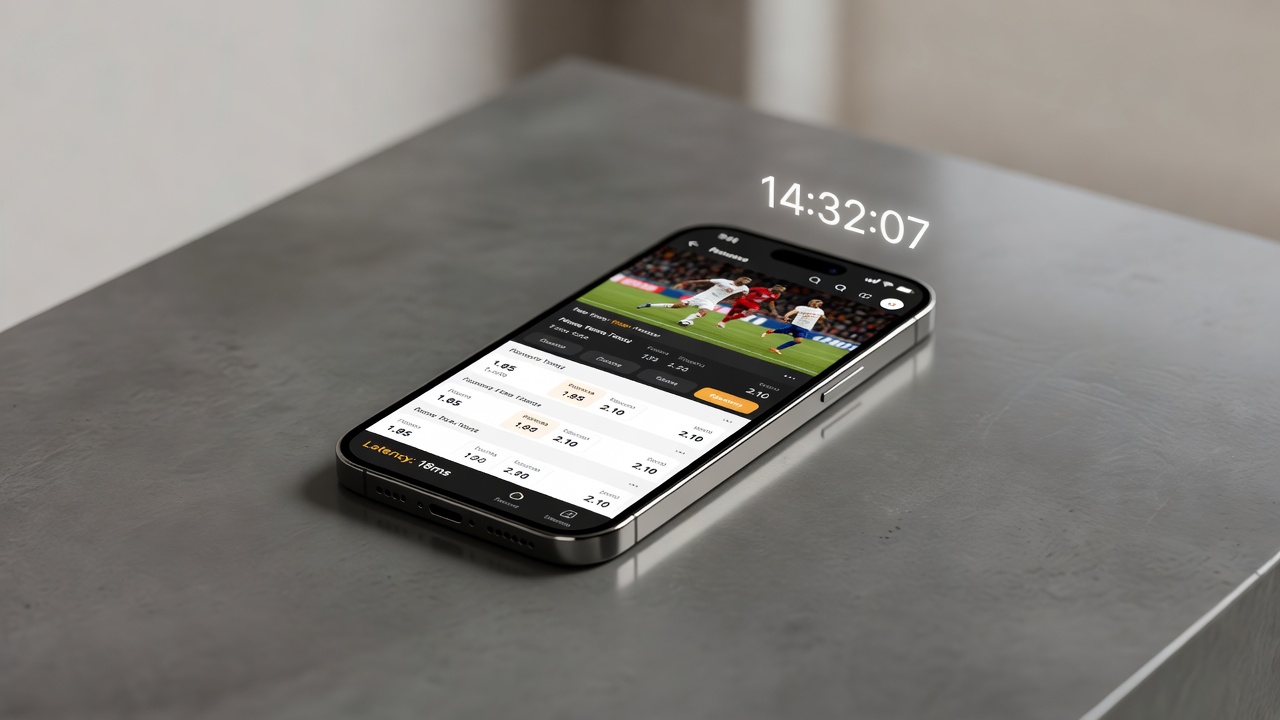
In-Play Betting on Mobile: Tips for Smooth Performance
In-play betting moves fast. Network lag, app crashes, and UI delays become tangible costs when you have seconds to decide.
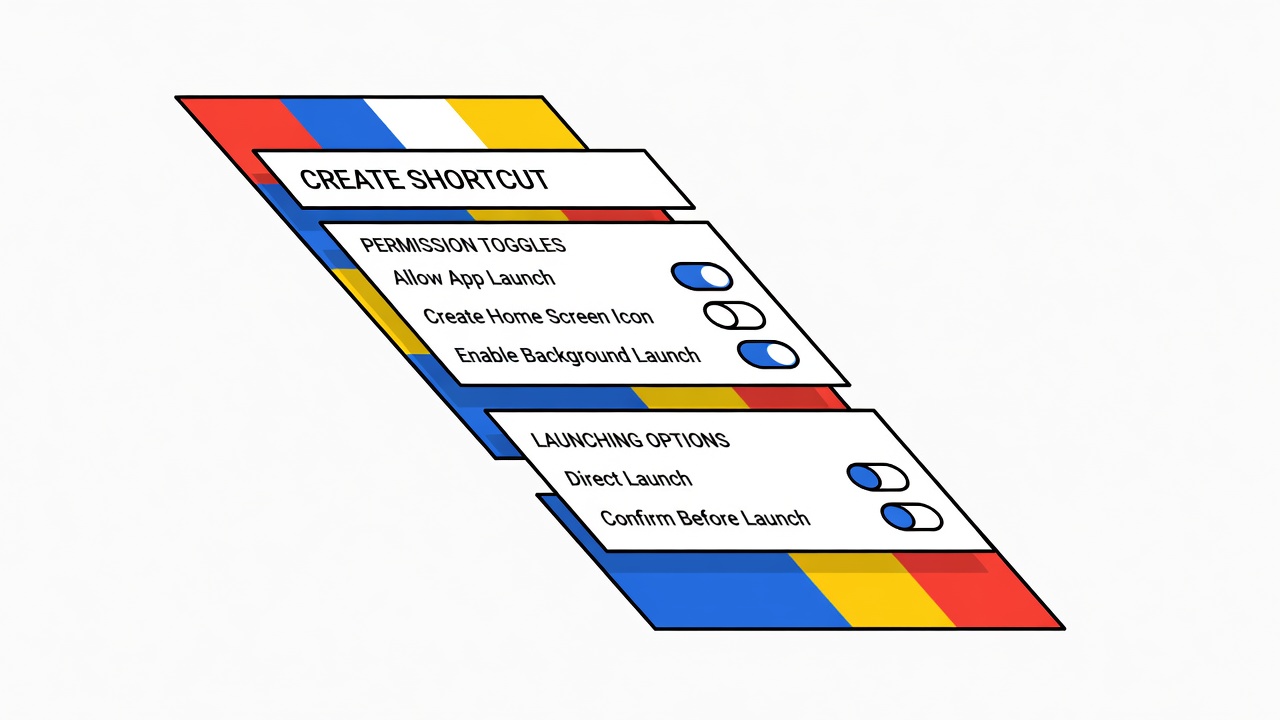
Adding a Casino Shortcut to Your Android Home Screen
Android shortcuts are a closed system of rules. Constraints, permissions, intent definitions. Beautiful, actually. Let me walk through how to set one up and what each piece does.
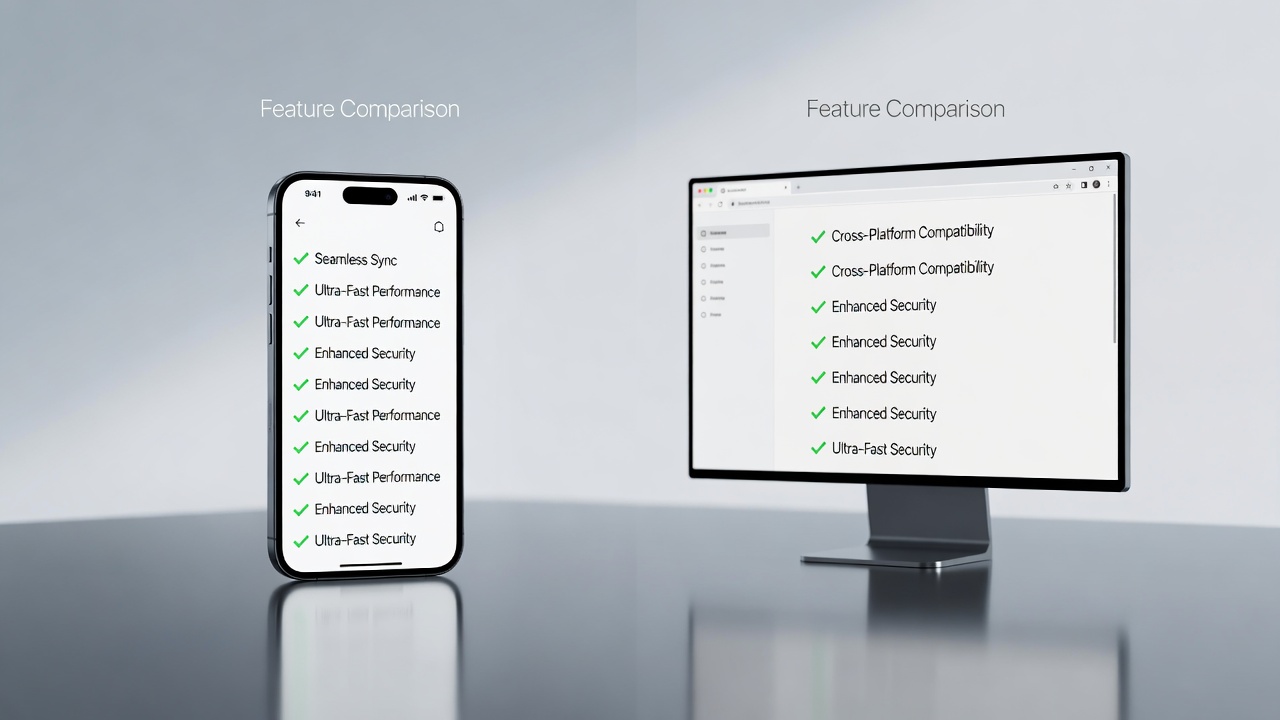
Mobile Casino Apps vs Mobile Browser: Which Should You Use?
In 1996, you needed software to do anything on a computer. Now you need to decide whether to download an app or use the browser. This is a decision that sounds trivial but carries implications.
Touch ID and Face ID Login for Casino Apps
Biometric login is a technological convenience that reduces the cost of account access. This changes the gambler's subjective time-preference calculation.