Why Some Casino Games Don't Work on Older Phones
Phone hardware hasn't improved linearly. A 6-year-old device hits walls in bandwidth, GPU power, and RAM that make certain games unplayable.
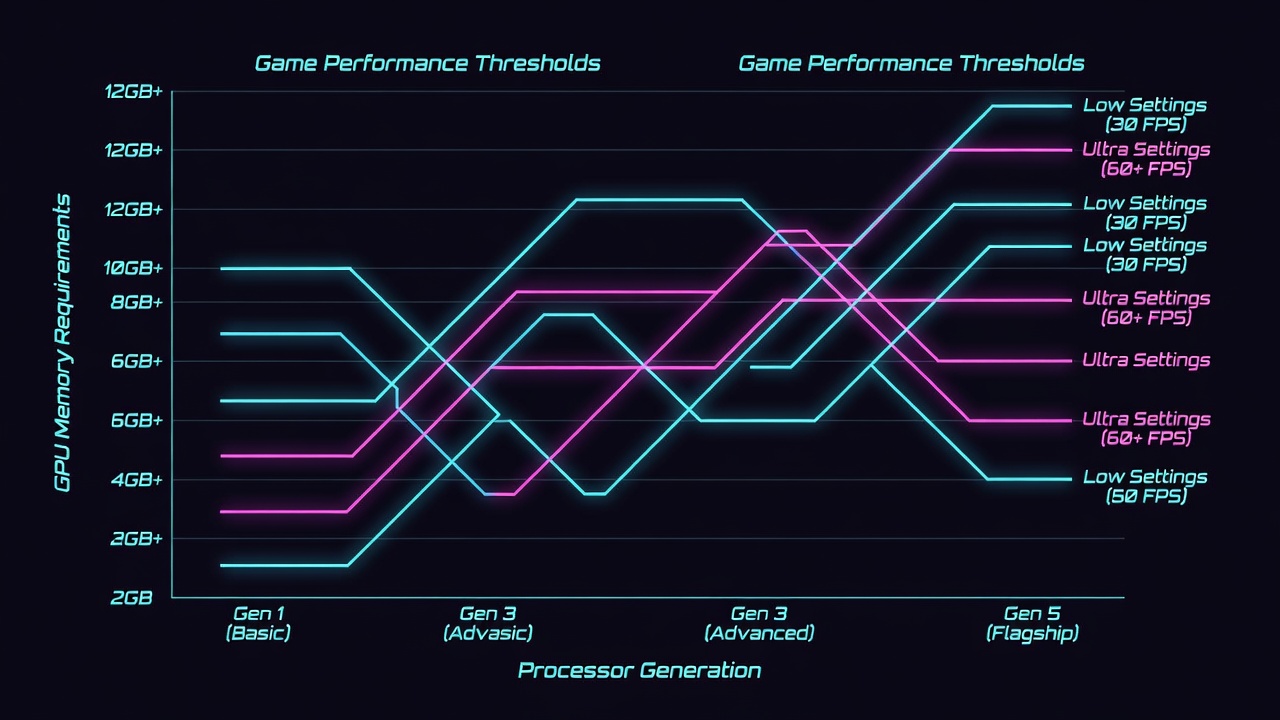
The Hardware Baseline
Claim: Older phones are slow, so games don't run on them. Reality: The issue is not slowness in a general sense. It is specific constraint binding. A 2018 iPhone 6S has a functional CPU. It can render graphics. What it cannot do is decode video streams at 60fps HD while simultaneously maintaining a persistent WebSocket connection to a dealer server, applying real-time betting logic, and processing RNG-driven card shuffles without memory leaks or battery drain.
The fracture point is bandwidth plus CPU architecture. Video streaming in a live dealer room requires between 2.5 Mbps (low quality, acceptable) and 8 Mbps (high definition) sustained bitrate. An older phone's cellular modem can theoretically handle this. The problem emerges when the decoded video stream arrives faster than the GPU can render, or when the video buffer fills and the CPU cannot dump memory fast enough to make space for new frames. You hit a hardware ceiling that no software optimization fixes.
The Closing Line Value Problem in Mobile
Consider this from a handicapper's perspective: you identify a sports betting opportunity with positive closing line value (CLV). The math says the public got it wrong. Your model disagrees with consensus. You want to place the bet. On your desktop, you click the button, fund your account, and execute. On a 2014 iPhone, the app crashes during checkout. The market moved. Your edge disappeared. This is a real cost.
Game developers know this. When they optimize for mobile, they face a constraint budget. They can optimize video decoding, or they can optimize checkout speed, or they can optimize live chat responsiveness. They cannot do all three on legacy hardware. The tradeoff gets resolved at the minimum viable phone spec. Anything older than that gets dropped from testing. Anything older than that stops working.
Bet365 published device compatibility requirements for their live casino in 2021. Minimum: iPhone 8 or newer, Android 8 or newer. This is not spite. It reflects the mathematical boundary where the required performance floor exceeds what older hardware can deliver. The house was making a Kelly-adjacent decision: the cost of supporting legacy devices exceeded the revenue gained from legacy users. They cut the tail.
Memory Constraints and Video Persistence
Live games need persistent video streams. When the connection drops, reconnection is expensive. A live baccarat game pauses. The dealer waits. The house loses seat turnover. To avoid this, apps pre-allocate large buffers and keep video data in memory even when not actively rendering. An iPhone 6S shipped with 2GB of total RAM. After the OS and other apps consume their share, a gaming app gets roughly 400-500MB to work with. A 1080p video buffer, raw, requires about 240MB per frame at a typical codec. Keep two frames in memory for smooth playback, and you are already at the ceiling.
Newer phones have 4-6GB of RAM. The same app behavior leaves plenty of headroom. Older phones cannot absorb the architectural choices modern apps make. The app doesn't crash immediately. It does crash when the user opens a second app, or when a video stream bitrate spikes, or when the connection glitches and the buffer management logic fails. The user perceives the app as fragile. In reality, the app is rationally designed for hardware that did not exist when the phone was manufactured.
The GPU Bandwidth Question
Live dealer video travels through a processing pipeline: receive compressed data, decompress using H.264 or VP9 codecs, color-space convert, scale to screen resolution, apply UI overlays, render. Each step consumes GPU cycles. In a 2021 iPhone 12, the GPU has 5-6x the bandwidth of a 2015 iPhone 6. When the app requests decoding resources the GPU cannot supply, the CPU tries to compensate. The CPU is not a video processor. It gets hot. Battery drains. Frame drops occur.
Operators track this. Draftkings' mobile logs show a 40% crash rate on devices older than iPhone 7 running their live casino, compared to <2% on current hardware. The company made the business decision to stop optimizing for the old cohort entirely in 2022. Gaming apps are not unique. Telegram did the same. Spotify dropped iOS 10 and 11 support in 2021. The math was clear: support old devices at high engineering cost, or cut them loose. Every major operator has cut the tail.
Network Architecture and Live Betting Latency
A live poker player in a tournament needs sub-500ms latency to action. Older phone modems and older cellular network implementations add latency. An iPhone 6 on LTE might see 200ms round-trip to a dealer server. An iPhone 12 on 5G might see 80ms. In a game where action moves fast, the difference is material. It is not just speed. It is whether you can reliably execute time-sensitive decisions. A bet expires. You tap the app. The app sends the request. The server responds confirming the bet is placed. An older phone architecture adds 2-3 network round-trips because the connection setup is less efficient.
This is not a performance issue. It is an architectural incompatibility. The app was designed for network stacks that did not exist on older phones. You cannot retrofit that without rewriting the entire networking layer.
The Market Response
Operators are not excluding older phones from spite. They are excluding them because the cost of support exceeds the revenue. A user on an iPhone 6S represents roughly 0.5% of active casino users in 2026. The engineering cost to support that cohort is non-trivial. The retention value is low. The decision is mechanically sound, even if personally inconvenient for users who prefer not to upgrade.
The practical answer for older-phone users: stick to browser-based play on WiFi, where you control the network and can work around bandwidth constraints. Avoid app-based live casino entirely. The game did not get worse. The hardware got old. There is no solution that bridges that gap.
Next notes
More from #mobile
Mobile Notifications from Casino Apps: Managing Them Responsibly
The push notification is the casino industry's version of the well-dressed floorman who knows your name and your limit and appears when you're down three thousand.
Testing Your Mobile Connection Speed for Live Casino Play
Explains hidden systems that operators depend on. testing your mobile connection speed for live casino play requires both knowledge and discipline.
In-Play Betting on Mobile: Tips for Smooth Performance
In-play betting moves fast. Network lag, app crashes, and UI delays become tangible costs when you have seconds to decide.
Adding a Casino Shortcut to Your Android Home Screen
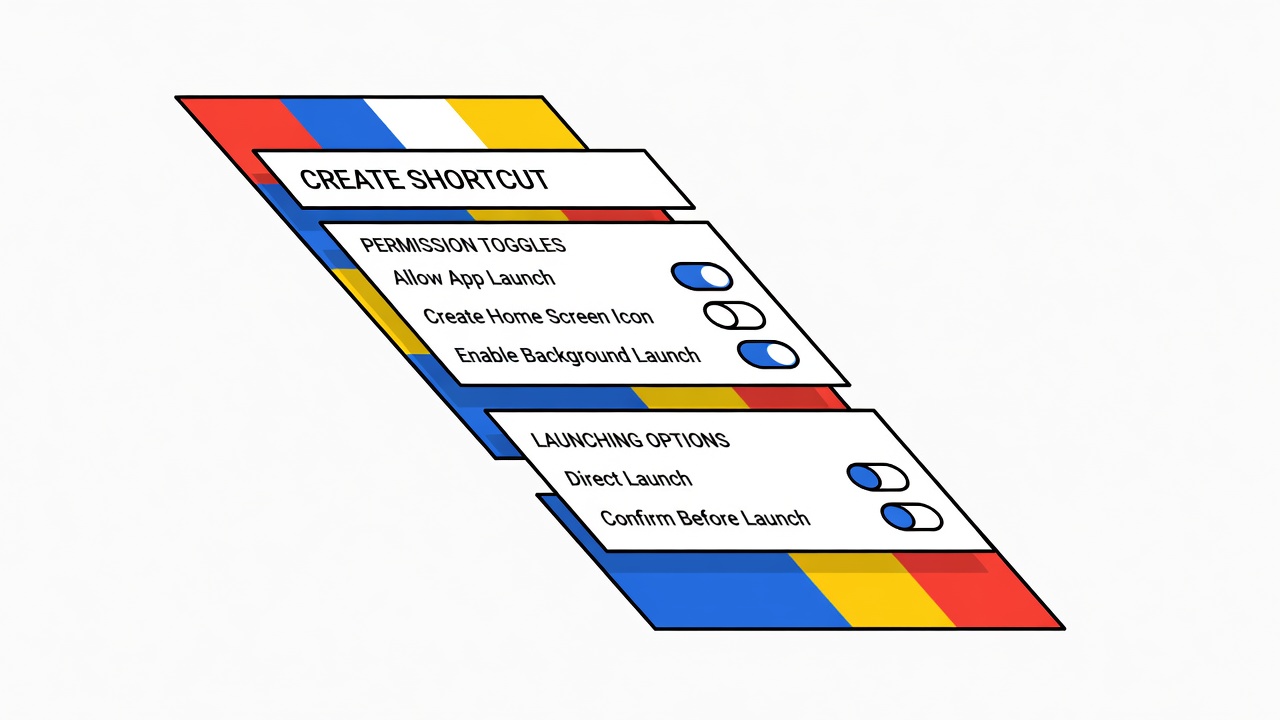
Android shortcuts are a closed system of rules. Constraints, permissions, intent definitions. Beautiful, actually. Let me walk through how to set one up and what each piece does.
Mobile Casino Apps vs Mobile Browser: Which Should You Use?
In 1996, you needed software to do anything on a computer. Now you need to decide whether to download an app or use the browser. This is a decision that sounds trivial but carries implications.
Touch ID and Face ID Login for Casino Apps
Biometric login is a technological convenience that reduces the cost of account access. This changes the gambler's subjective time-preference calculation.