How Bitcoin Gambling Grew from SatoshiDice to Modern Crypto Casinos
SatoshiDice launched in 2012 when Bitcoin was nobody's business. It became the most active Bitcoin address on the network. What changed, and why it matters now.

SatoshiDice opened in 2012 when Bitcoin itself was a speculative curiosity. Erik Voorhees, then a young Libertarian entrepreneur, created a simple provably-fair coin-flip game. Heads, you doubled your money. Tails, you lost it. No middleman, no house overhead, just smart contracts before smart contracts became fashionable.
For a moment, SatoshiDice was the most active address on the Bitcoin blockchain. Transactions routed through it. Speculation centred on whether gambling would become Bitcoin's first real-world application. It seemed possible.
It did not happen that way.
Why SatoshiDice Failed
SatoshiDice had structural problems that no amount of clever marketing could solve. First, Bitcoin was slow. Transactions took minutes to confirm. Gamblers want instant gratification. Minutes feel like hours when you are waiting to know if you won.
Second, fees. Bitcoin's transaction model is not suited to micropayments. By 2013, betting one dollar and paying fifty cents in fees was not uncommon. The house could not afford the fee structure.
Third, volatility. Bitcoin in 2012 swung fifteen percent in a single day. A gambler who won one Bitcoin and found it worth three times as much by tomorrow had an entirely different experience than someone who lost Bitcoin and watched it halve in value. Gambling outcomes became inseparable from the asset's own volatility.
SatoshiDice shut down in 2013. Voorhees moved on to other ventures. The moment passed.
The Next Wave
Crypto gambling disappeared for five years. Then in 2018, stablecoins emerged. USDT, USDC, and others promised stable pricing without Bitcoin's volatility. Gambling could be framed in dollars, not in speculative assets.
Simultaneously, Ethereum's smart contracts made complex games feasible. Slot machines could exist entirely on-chain. Provably fair became verifiable code. A bettor could read the contract and confirm the game's fairness without trusting an intermediary.
Forbitgo came next, then a wave of Ethereum-based casinos. But these suffered a different problem: they were visible. Regulatory attention landed on them. The United States, United Kingdom, and European authorities began asking questions about licensing, jurisdiction, and compliance.
The Layer-2 Revolution
Modern crypto gambling lives on Polygon, Arbitrum, Optimism, and other Layer 2 chains. These offer speed, low fees, and some jurisdictional obfuscation. A player can gamble in dollars (via stablecoins) with transaction finality measured in seconds and fees measured in cents.
This solved SatoshiDice's three core problems. Games are fast. Fees are minimal. The asset value is stable.
But crypto gambling never became mainstream. There is no "most active address" moment anymore. Instead, there is a persistent, decentralized underground of players who prefer the pseudonymity and the lack of KYC requirements. Regulation never touches them because the casinos are not registered in any jurisdiction.
What Changed
Fiat casinos went online in the same period. DraftKings launched in 2012. FanDuel followed. BetMGM appeared. These licensed, regulated casinos captured the mainstream gambling market with simple interfaces, immediate withdrawal to bank accounts, and no requirement to understand blockchain technology.
Crypto gambling remained for people who wanted anonymity, had distrust of fiat regulation, or wanted access in jurisdictions where online gambling was illegal. It became a tool for regulatory arbitrage, not a technology that displaced traditional casinos.
Bitcoin gambling never became Bitcoin's killer app. The killer apps turned out to be different: remittances, store of value, a hedge against debasement. Gambling was too slow, too expensive, and too volatile during Bitcoin's growth phase. By the time the technical problems were solved, the regulatory and competitive environment had moved forward.
SatoshiDice was not a failure of concept. It was a failure of timing. A decade too early, a blockchain too slow, a volatility too wild.
Next notes
More from #craps
Crypto Jackpot Slots: Who Funds the Prize, and in What Coin
A jackpot slot pays its top prize out of every spin you make. How the meter is funded, what it does to RTP, and what that means for a wallet balance.
Penny Slots Online Casino Math: Why 1 Cent Games Hold More
Nevada's revenue report shows 1 cent slots holding 9.06% of every dollar played, more than $1 machines. Here is what a penny spin really costs.
Stablecoin Payment Gateway: From Wallet to Settled Dollars
How a stablecoin payment actually settles: Stripe's 10,000 USD cap, final once the chain records it, no chargebacks, refunds back to your wallet as tokens.

Craps Records: The Longest Rolls Ever Documented
On May 23, 1989, a woman named Patricia Demauro walked to a craps table. She rolled the dice for four hours. What happened in those four hours changed craps forever.
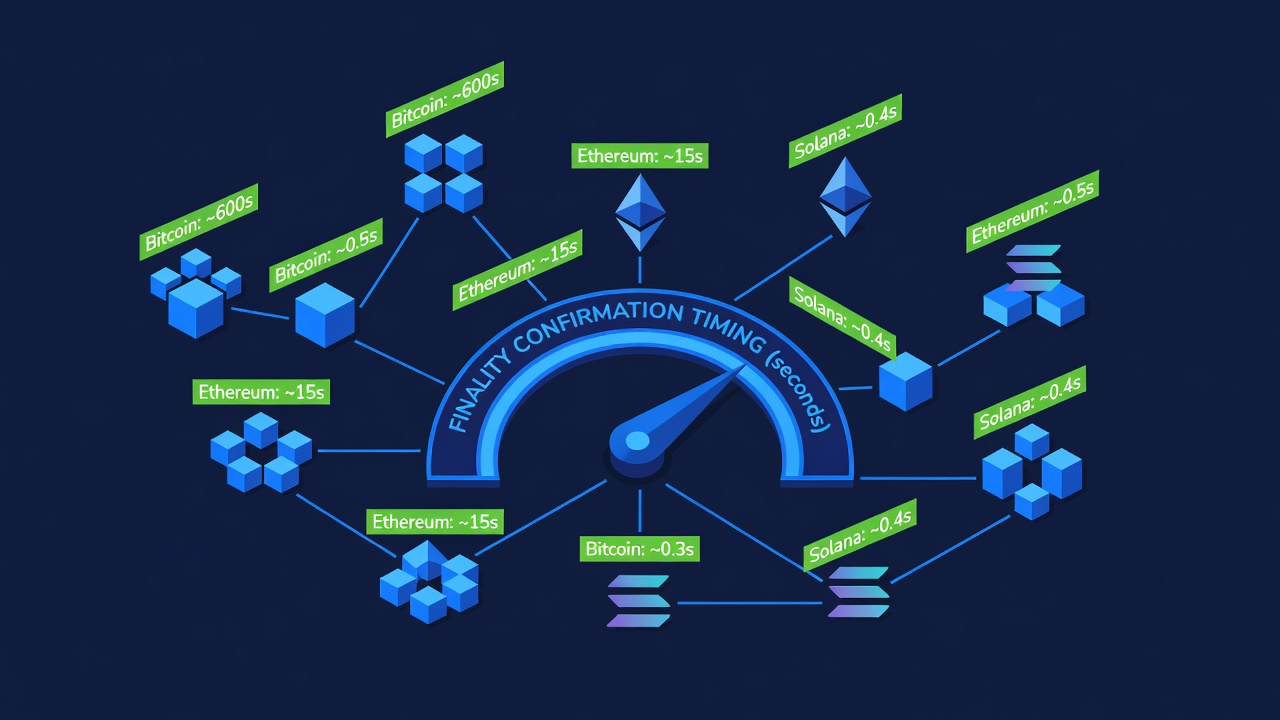
Tron in Crypto Gambling: Why It's Popular for USDT Deposits
Tron carries something in its design that speaks to a particular kind of want. The want for speed. The want for certainty. The want for transactions that happen now.
The Difference Between Crypto Casinos and Traditional Online Casinos
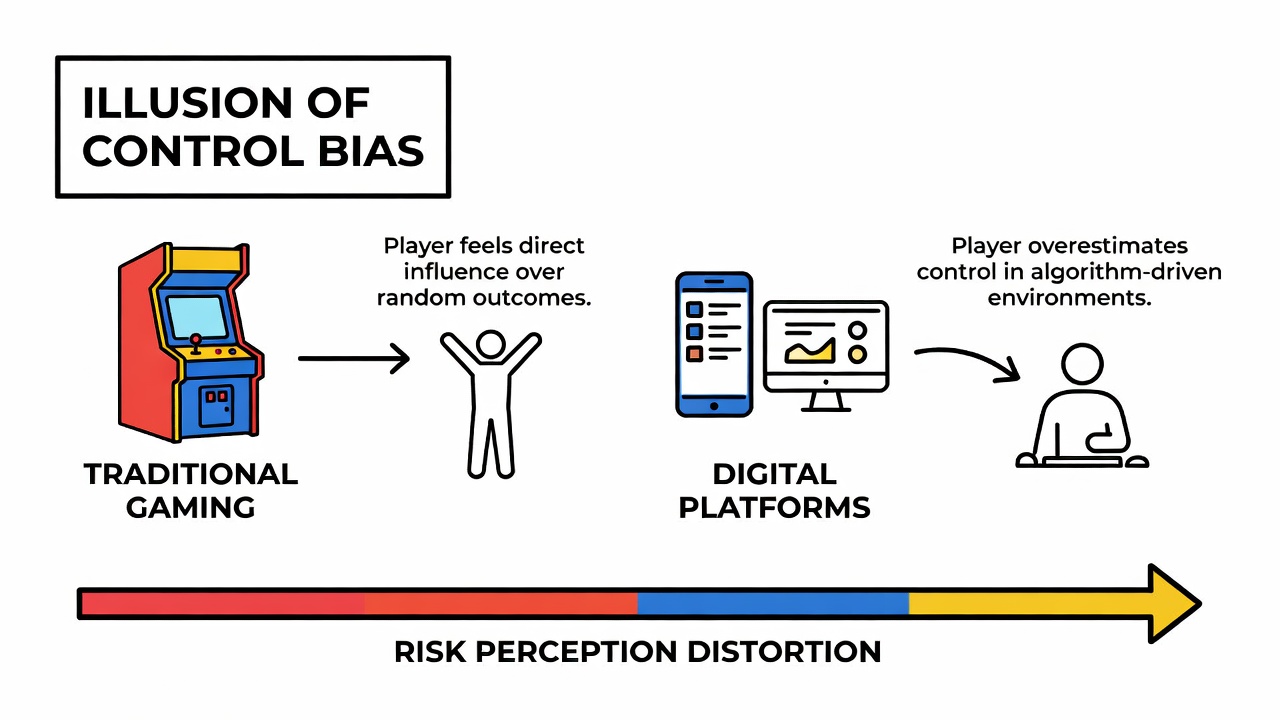
Kahneman and Tversky studied how people evaluate risk. Crypto casinos exploit one specific bias more effectively than traditional operators: the illusion of control.