Crypto Deposits at Live Dealer Casinos: A Step-by-Step Walkthrough
The casino is a designed space, and every transaction flows through that design. Crypto deposits have altered the sightlines, but the principles remain unchanged.
When I design a physical casino, I think about friction. Where do players linger. Where do they move quickly. Where is the friction intentional and where is it accidental. The goal is to keep players in their flow state, moving through the space according to a layout that maximizes their time on the games.
Crypto deposits in a live dealer environment present an interesting design problem. The deposit mechanism is now decoupled from the casino itself. The player has to manage their wallet, their private keys, the transaction confirmation time. The casino cannot control that process. But it can design the interface around it to minimize friction once the transaction arrives.
A player deciding to use crypto at a live dealer casino typically has a wallet set up already. They know their seed phrase, they've done this before. They open the casino app or website. The app has an option to deposit. They select crypto. The app generates a wallet address for them. They open their wallet app, paste the address, choose their amount, and send.
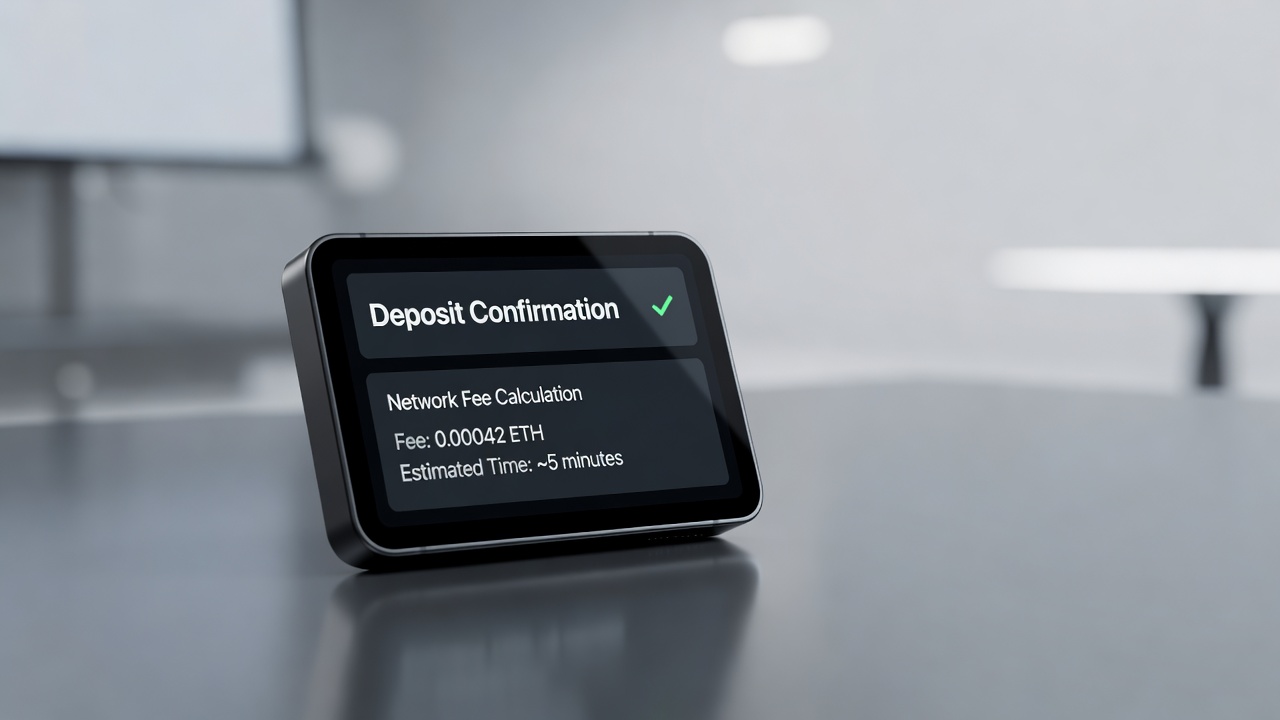
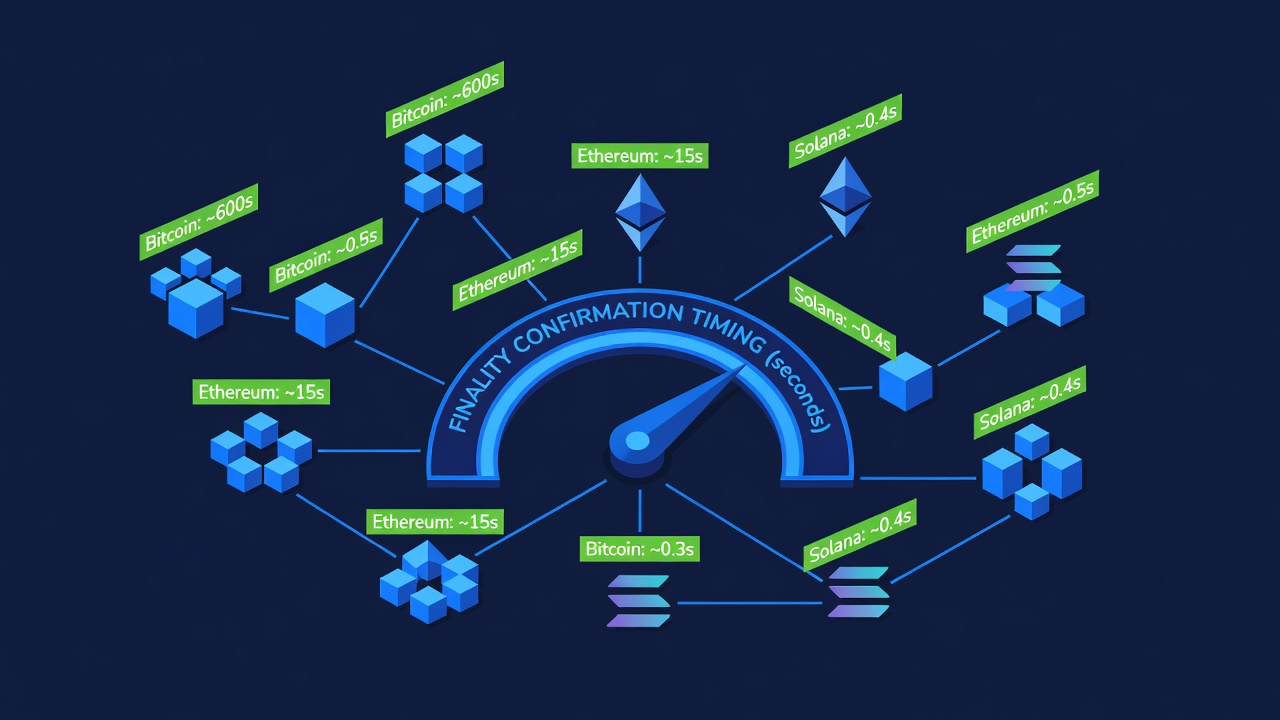
The transaction sits on the blockchain, waiting for confirmation. This is where the design challenge appears. A player who's used to instant card deposits now faces a six-minute wait for the transaction to confirm (on Bitcoin), or fifteen seconds (on the newer smart contract blockchains). The casino's interface needs to handle this gracefully.
The Mechanics of Receiving and Settling
Once the transaction confirms, the casino has a few options. They can credit the player's account immediately. They can credit after additional waiting. They can require the player to confirm they sent it (this is rare but happens with decentralized platforms).
The flow looks like this:
Player opens wallet app. Scans QR code or copies address from the casino. Sends crypto. Transaction enters the mempool. Waits for confirmation. Casino node detects the incoming transaction. Casino credits the account. Player can now play. This all happens in 5 to 30 minutes depending on the blockchain.
- On-chain confirmation time varies by blockchain. Bitcoin averages 10 minutes. Ethereum varies between 15 seconds and several minutes. Tron confirms nearly instantly.
- The casino's choice of supported blockchains is a business decision. Solana is cheaper than Ethereum. Users are cheaper too.
- Once the transaction is irreversible on the blockchain, the casino must honor it. This is the security model. No chargebacks. No fraud disputes.
- Players who send to the wrong address lose the money. The casino cannot recover it.
The design principle is straightforward: reduce the friction between "I want to deposit" and "I am playing." Card deposits are nearly instant. Crypto deposits require waiting for confirmation. The casino can't change that. But they can show a progress bar. They can explain what's happening. They can let the player play smaller games while waiting for confirmation if they want.
I've walked through casino designs where the sightlines were perfect, the traffic flowed beautifully, and players moved exactly where we wanted them to move. The goal was always the same: minimize the friction that blocks play, maximize the friction that blocks leaving. Crypto deposits are interesting because the friction is external. It's not the casino's design. It's the blockchain's design. The casino can only design around it.
Next notes
More from #crypto-casinos
Penny Slots Online Casino Math: Why 1 Cent Games Hold More
Nevada's revenue report shows 1 cent slots holding 9.06% of every dollar played, more than $1 machines. Here is what a penny spin really costs.
Stablecoin Payment Gateway: From Wallet to Settled Dollars
How a stablecoin payment actually settles: Stripe's 10,000 USD cap, final once the chain records it, no chargebacks, refunds back to your wallet as tokens.
Tron in Crypto Gambling: Why It's Popular for USDT Deposits
Tron carries something in its design that speaks to a particular kind of want. The want for speed. The want for certainty. The want for transactions that happen now.
The Difference Between Crypto Casinos and Traditional Online Casinos
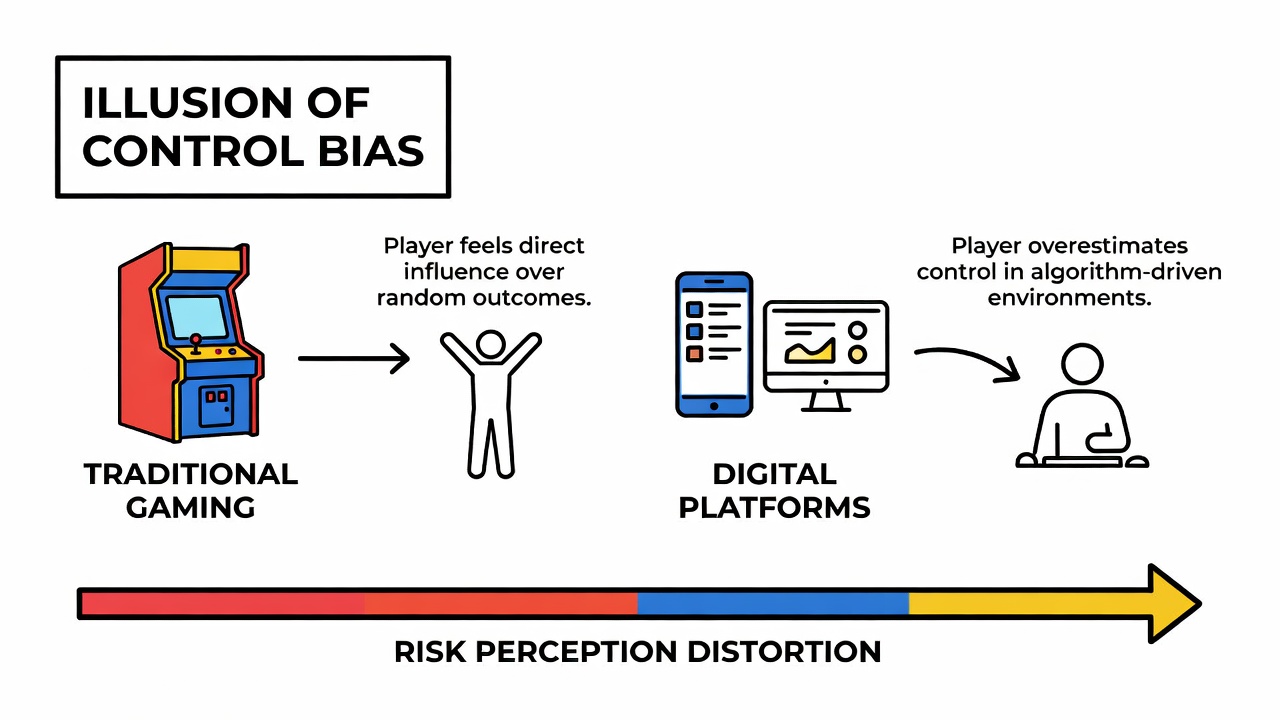
Kahneman and Tversky studied how people evaluate risk. Crypto casinos exploit one specific bias more effectively than traditional operators: the illusion of control.

Crypto Sportsbooks vs Crypto Casinos: Key Differences
The technical architecture between crypto sportsbooks and crypto casinos looks similar to the outsider. But the underlying systems are fundamentally different.
Bitcoin Sportsbooks vs Fiat Sportsbooks: Pros and Cons
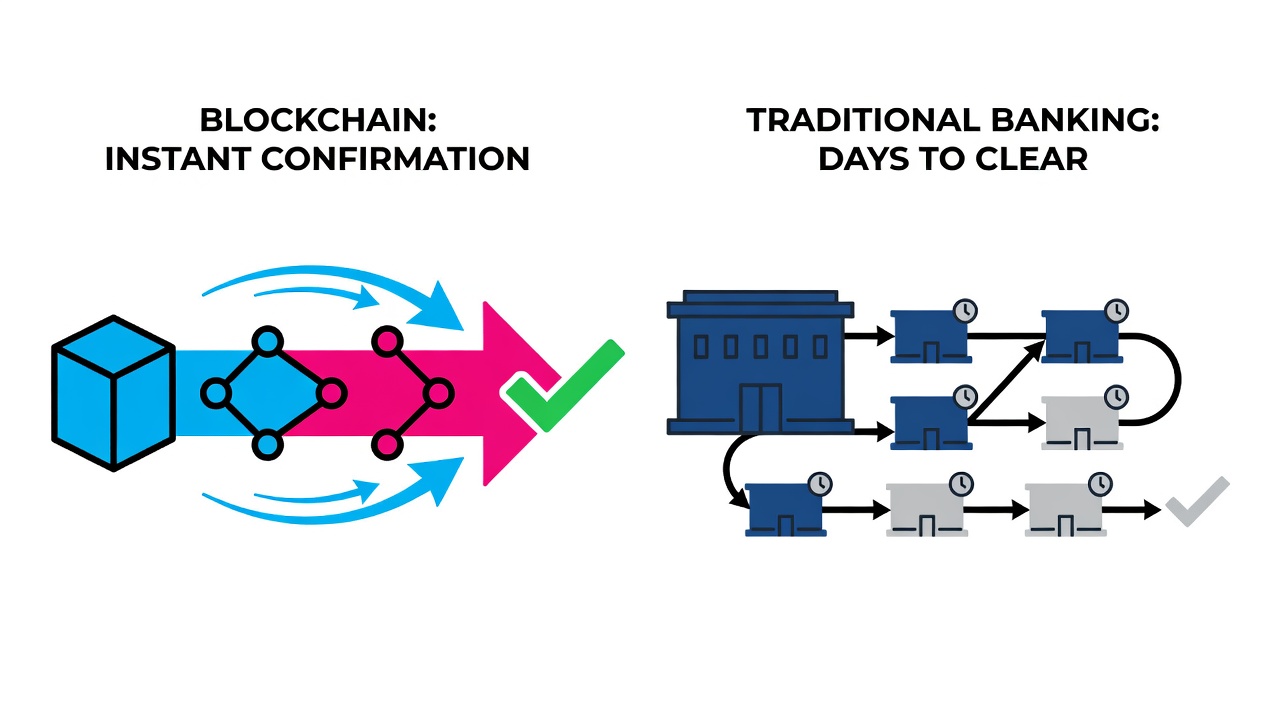
A Bitcoin sportsbook and a traditional sportsbook sell the same thing: access to betting. But they're different animals because of how money moves through them.