Tron in Crypto Gambling: Why It's Popular for USDT Deposits
Tron carries something in its design that speaks to a particular kind of want. The want for speed. The want for certainty. The want for transactions that happen now.
I come back to this idea that gambling is a human drama. Temptation and consequence. Hope and loss. And in crypto, you add another element entirely. The technology itself becomes part of the narrative. You are not just gambling. You are gambling on a blockchain you half understand, in a way that feels more real because it is more real.
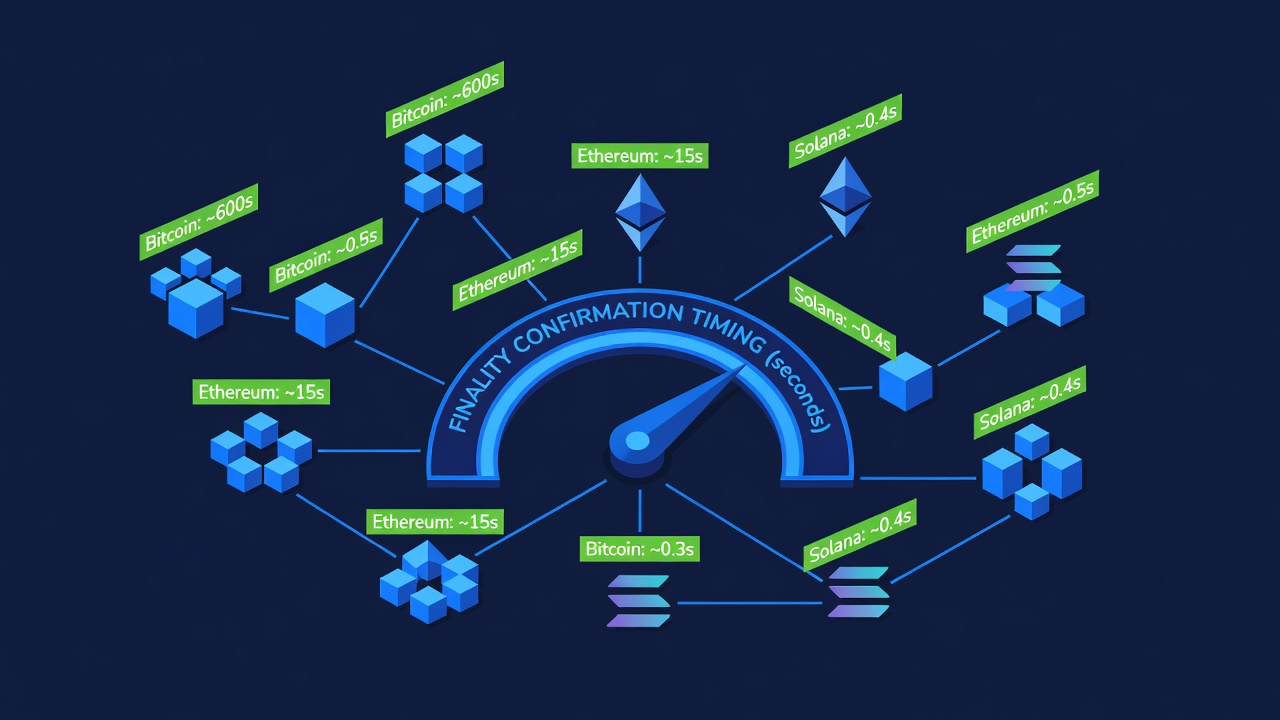
Tron is a blockchain. It was built to compete with Ethereum. But where Ethereum aimed for general purpose computation, Tron aimed for speed. Transactions on Tron confirm in seconds instead of minutes. The cost of a transaction on Tron is a fraction of a penny instead of a dollar. When you are moving USDT (a stablecoin, a dollar digitally represented on the blockchain) from your wallet to a gambling site, that speed and that cost matter.
A USDT deposit on Ethereum might take three minutes and cost two to five dollars. A USDT deposit on Tron takes five seconds and costs less than a cent. For a gambler, this difference is theological. One feels slow and expensive. The other feels frictionless. Frictionless is the casino's dream because friction is the only thing between a player and their impulse.
The theological problem underneath is this. If technology removes friction, does it become evil or does it just make visible what was always true. Gambling was never about the transaction time or the cost. The gambling was already in the wanting. Tron just makes the wanting act faster.
The Paradox of Fast Transactions
Fast transactions serve everyone poorly. They serve the casino well because deposits arrive instantly. They serve the player poorly because the speed removes the time between impulse and action. That time, however brief, is where second thoughts sometimes arrive.
Why Tron dominates crypto gambling deposits:
The technology is transparent. You can see your transaction on the blockchain. You can verify your deposit arrived. This transparency, paradoxically, makes it feel safer than it is. You are depositing to an unregulated casino. The transaction being on the blockchain does not make the casino regulated. But the visibility of the transaction creates an illusion of verification.
- Tron's low transaction costs mean operators can accept smaller deposits without losing money to fees.
- Operators compete on deposit speed and cost as a way to attract players.
- Players perceive speed as modernity and modernity as trustworthiness.
- The faster the transaction, the easier to deposit again when the first deposit is lost.
I think about the preacher's dilemma. We speak about temptation as if it is external. As if the devil comes calling and tries to pull you away from righteousness. But what if temptation is internal. What if the wanting is yours and the only devil is the part of you that does not want to acknowledge the wanting.
Tron makes the wanting easier to act on. That is not evil in the technology. That is the technology being honest about human nature. We want. We act. We prefer the wanting and acting happen fast so that the thinking part of the brain does not interfere.
A gambler using Tron for USDT deposits is choosing efficiency over reflection. The choice is real. The consequences are real. The speed is not making them gamble. It is just making it easier for their gambling to happen faster.
Next notes
More from #crypto-casinos
Penny Slots Online Casino Math: Why 1 Cent Games Hold More
Nevada's revenue report shows 1 cent slots holding 9.06% of every dollar played, more than $1 machines. Here is what a penny spin really costs.
Stablecoin Payment Gateway: From Wallet to Settled Dollars
How a stablecoin payment actually settles: Stripe's 10,000 USD cap, final once the chain records it, no chargebacks, refunds back to your wallet as tokens.
The Difference Between Crypto Casinos and Traditional Online Casinos
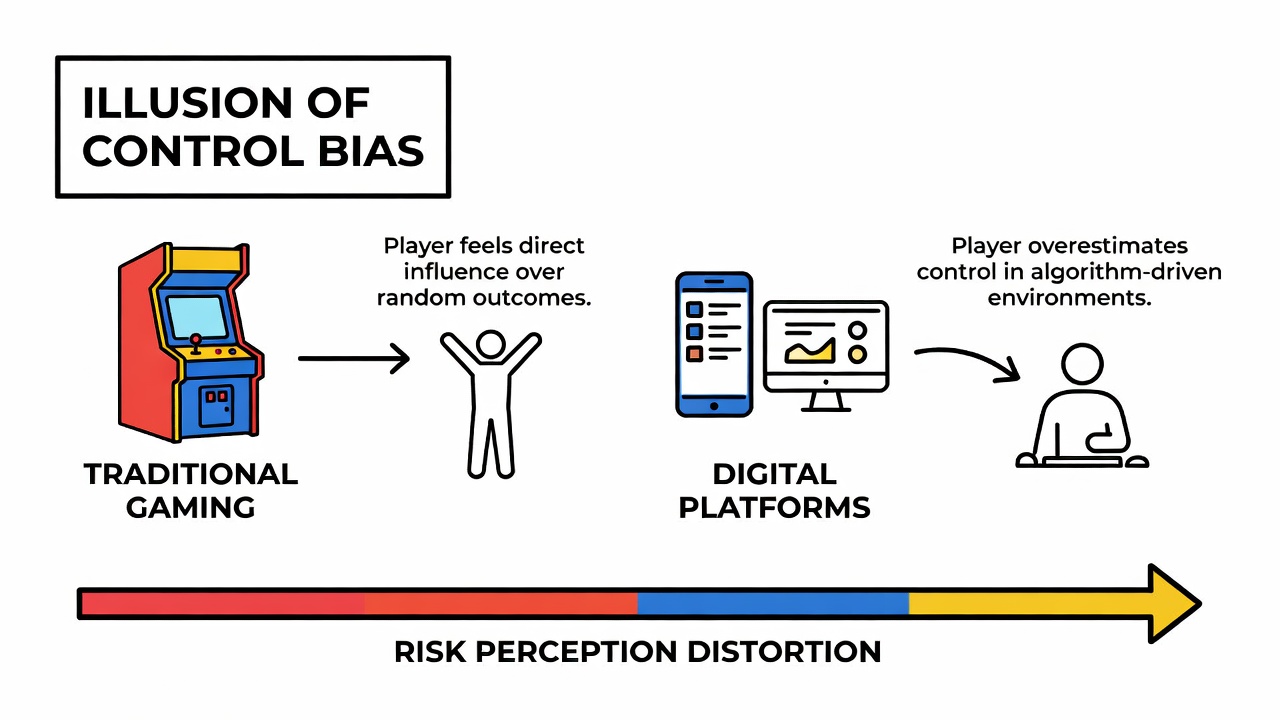
Kahneman and Tversky studied how people evaluate risk. Crypto casinos exploit one specific bias more effectively than traditional operators: the illusion of control.

Crypto Sportsbooks vs Crypto Casinos: Key Differences
The technical architecture between crypto sportsbooks and crypto casinos looks similar to the outsider. But the underlying systems are fundamentally different.
Crypto Deposits at Live Dealer Casinos: A Step-by-Step Walkthrough
The casino is a designed space, and every transaction flows through that design. Crypto deposits have altered the sightlines, but the principles remain unchanged.
Bitcoin Sportsbooks vs Fiat Sportsbooks: Pros and Cons
A Bitcoin sportsbook and a traditional sportsbook sell the same thing: access to betting. But they're different animals because of how money moves through them.