The Difference Between Crypto Casinos and Traditional Online Casinos
Kahneman and Tversky studied how people evaluate risk. Crypto casinos exploit one specific bias more effectively than traditional operators: the illusion of control.
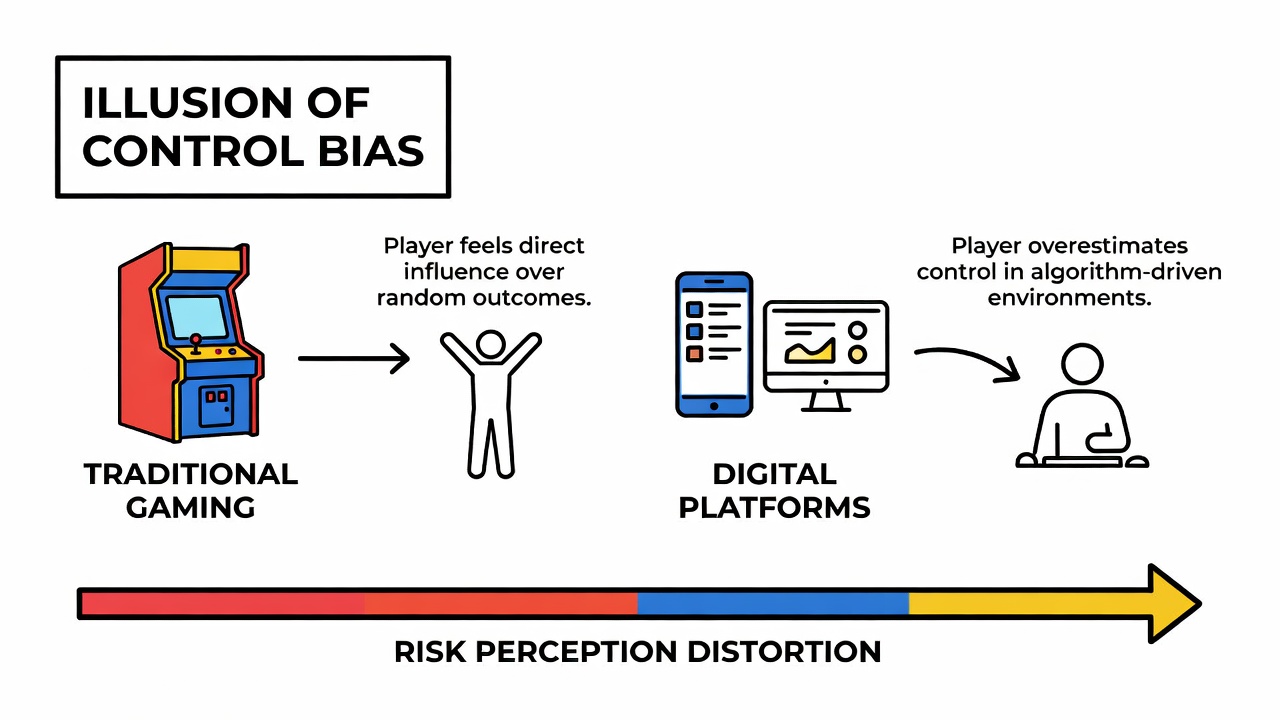
In 1979, Kahneman and Tversky published their paper on prospect theory. Forty years later, the results hold up. When people perceive themselves as having agency in an outcome, they underestimate the risk they're taking. Crypto casinos understood this before they became mainstream.
A crypto casino operates without a license from the Malta Gaming Authority or the UKGC. It's built on smart contracts, live-streamed from a jurisdiction that doesn't heavily regulate gaming, and often allows anonymous play. A traditional online casino operates under a gaming license, maintains strict KYC protocols, publishes payout reports, and integrates with payment processors that require AML compliance. On paper, the traditional casino is more trustworthy. But trust and the perception of control are not the same thing.
In a traditional online casino, you deposit money through a regulated payment method. Your transaction is recorded. Your account is linked to your identity. The casino has your data, your bank account, your browsing history. You feel controlled. The casino is watching you. In a crypto casino, you deposit Bitcoin or Ethereum through a wallet that may be anonymous. The casino doesn't know who you are. You feel like you have control. You're not being watched. The irony is obvious to anyone who understands how blockchain actually works (you're on a completely transparent public ledger), but the perception shapes behavior more than the reality.
The Provable Fairness Trick
Crypto casinos advertise provable fairness. You can verify that every spin of a slot was randomly generated using cryptographic hashing. You can prove the casino didn't cheat. Traditional casinos use certified RNG testing by third parties like iTech Labs or GLI. The testing is thorough. The results are published. But you can't reproduce the test yourself. You have to trust the auditor.
Here's what happens in practice:
Crypto casinos make their fairness verifiable to the player directly. You can run the verification yourself. This creates what behavioral economists call the "illusion of verification." You believe you're checking the game's fairness, so you assume your odds are better. You're actually just watching a cryptographic proof that confirms what the casino already decided before you started playing.
- A smart contract that governs payouts appears to be trustless, but someone still wrote the code.
- Provably fair RNG still outputs the same number over time as a certified RNG (assuming proper implementation).
- The house edge is built into both systems identically.
- Your perception of control is the only difference between the two.
From 2015 to 2019, I followed the growth of crypto gambling platforms. Every operator I interviewed mentioned the same thing: crypto users self-select for risk tolerance. They're more willing to take the platform's word on account security because the platform feels scrappier, more transparent, more aligned with their values. The traditional casino feels corporate and suspicious. The crypto casino feels like a peer-to-peer arrangement.
A traditional online casino losing your account balance is a major regulatory incident. It's insurance-backed. You have recourse through the gaming authority. A crypto casino losing your balance due to a smart contract exploit is a cautionary tale. You might recover something through the community, but the casino isn't liable. Your loss is your fault for trusting code you didn't write.
The math of gambling doesn't change between the two. The house edge is identical in both systems. The slots have the same RTP percentages. The difference is entirely psychological. Crypto casinos have engineered a system that makes players feel smart about taking worse risk. That's not an accident. That's the business model.
Next notes
More from #crypto-casinos
Penny Slots Online Casino Math: Why 1 Cent Games Hold More
Nevada's revenue report shows 1 cent slots holding 9.06% of every dollar played, more than $1 machines. Here is what a penny spin really costs.

Stablecoin Payment Gateway: From Wallet to Settled Dollars
How a stablecoin payment actually settles: Stripe's 10,000 USD cap, final once the chain records it, no chargebacks, refunds back to your wallet as tokens.

Tron in Crypto Gambling: Why It's Popular for USDT Deposits
Tron carries something in its design that speaks to a particular kind of want. The want for speed. The want for certainty. The want for transactions that happen now.

Crypto Sportsbooks vs Crypto Casinos: Key Differences
The technical architecture between crypto sportsbooks and crypto casinos looks similar to the outsider. But the underlying systems are fundamentally different.

Crypto Deposits at Live Dealer Casinos: A Step-by-Step Walkthrough
The casino is a designed space, and every transaction flows through that design. Crypto deposits have altered the sightlines, but the principles remain unchanged.
Bitcoin Sportsbooks vs Fiat Sportsbooks: Pros and Cons
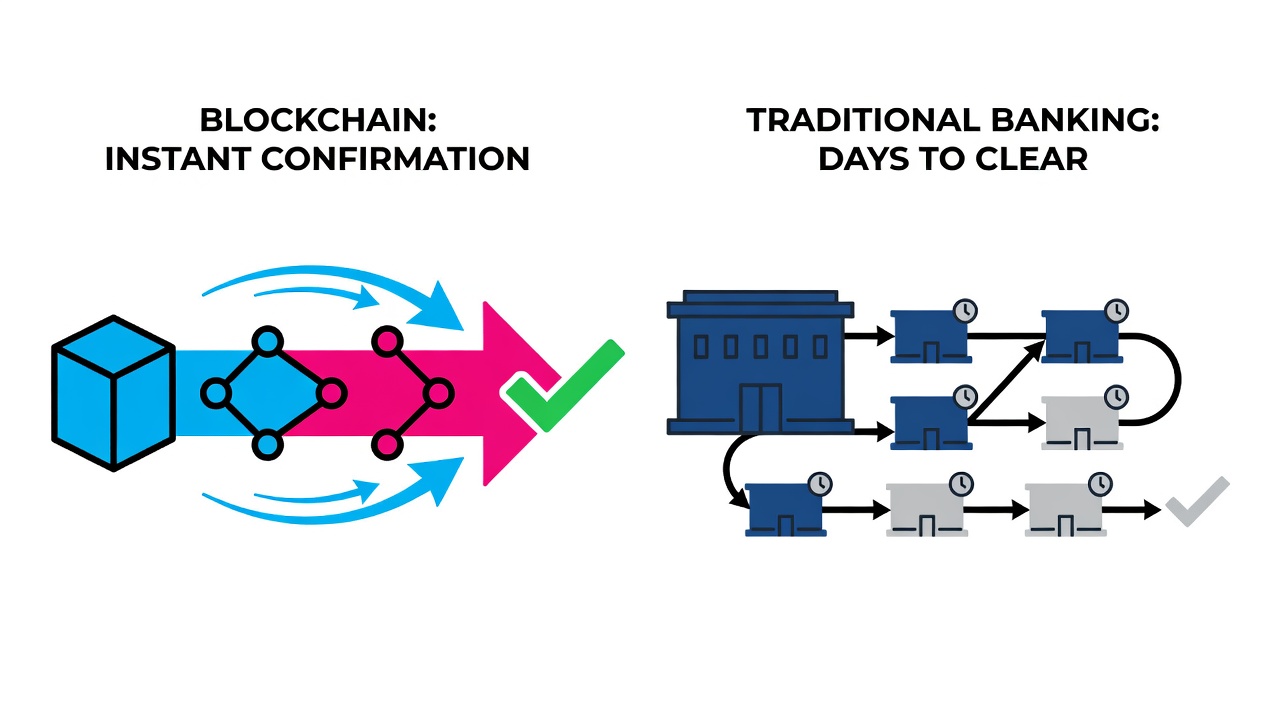
A Bitcoin sportsbook and a traditional sportsbook sell the same thing: access to betting. But they're different animals because of how money moves through them.