Prepaid Cards for Casino Deposits: How They Work
A prepaid card is a financial instrument regulated under specific jurisdictional frameworks. The operator loads funds, the player spends them. The regulatory structure determines permissibility.
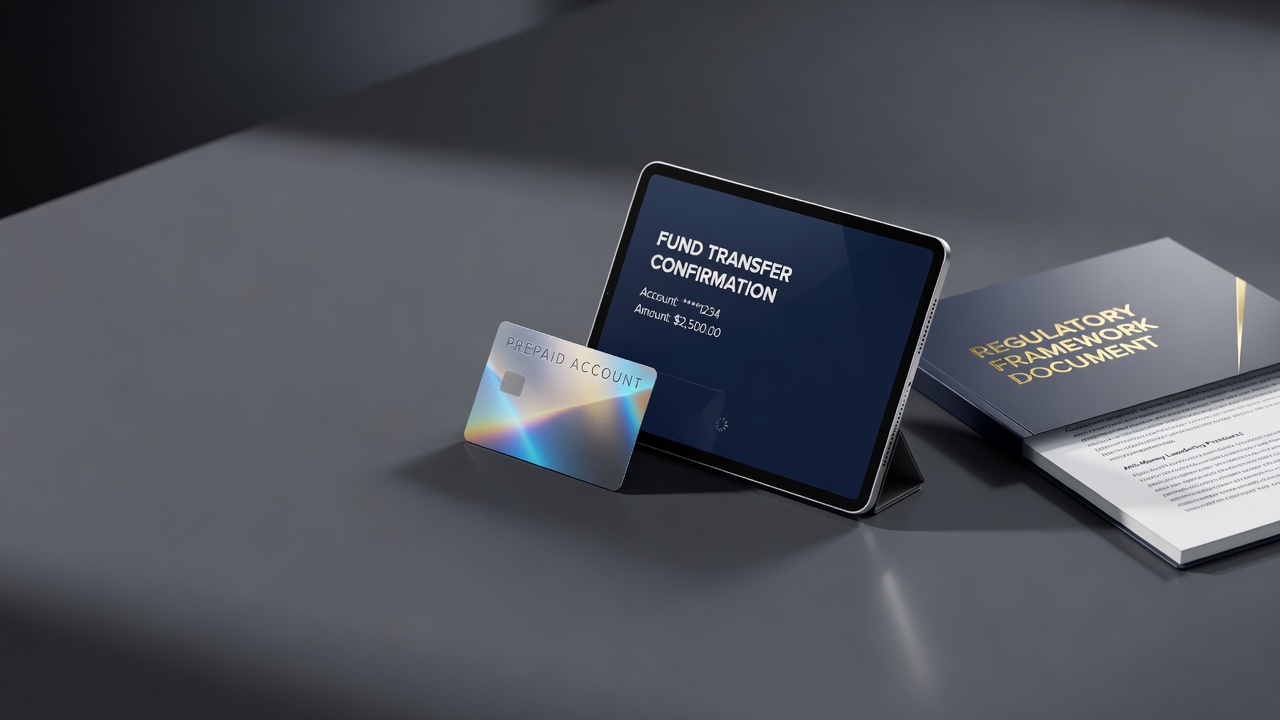
The Mechanism
A prepaid card is essentially a debit card that you load with money. The funds are pre-stored on the card. When you spend, you're spending your own money, not borrowed money.
For casino deposits, the flow is: you purchase a prepaid card, load it with funds, provide the card details to the casino, the casino charges your card, the funds transfer to your account.
The key difference from a credit card: the money is already yours. You're not borrowing. This distinction matters for regulatory purposes.
Regulatory Framework
Prepaid card regulation varies by jurisdiction. In the United States, prepaid cards are regulated under the Bank Secrecy Act and the Dodd-Frank Act. The prepaid card issuer must be licensed as a money transmitter.
Money transmitter licensing requires the operator to maintain adequate capital reserves, file regular reports with regulators, and implement AML/KYC procedures (Anti-Money Laundering and Know Your Customer).
In Europe, prepaid cards are regulated under PSD2 (Payment Services Directive 2). Similar requirements: licensing, capital, AML/KYC.
In jurisdictions with weaker regulation (some Pacific island nations, parts of Africa), prepaid card issuance is less controlled. This creates both opportunities and risks.
The Advantages
For the casino:
-
Prepaid cards are lower-risk than credit cards. The cardholder cannot chargeback (they spent their own money).
-
Compliance is simpler. The casino can verify the card is loaded with known funds, reducing fraud risk.
For the player:
-
Prepaid cards offer privacy. The card doesn't show your name; it's registered to a pseudonym or number.
-
Spending limits. You can only spend what you've loaded.
-
Fraud protection. If the card is compromised, only the loaded balance is at risk.
The Disadvantages
For the player:
-
Fees. Most prepaid cards charge loading fees ($5-$15), monthly fees ($2-$5), and ATM withdrawal fees.
-
Withdrawal complexity. To retrieve funds from your casino account, you might have to withdraw to the prepaid card, then withdraw to your bank account, incurring fees at each step.
-
Regulatory restrictions. Some jurisdictions have limits on prepaid card spending to prevent money laundering. A card might be limited to $10,000 per month.
The Regulatory Red Flags
A casino accepting prepaid cards from dubious issuers is a warning sign. Legitimate operators work with regulated card issuers. Fly-by-night casinos might accept any card.
If a casino advertises prepaid cards as the primary deposit method and doesn't offer bank transfers, that's suspicious. Legitimate casinos offer multiple deposit methods.
A prepaid card issuer that claims to be regulated but has no verifiable license is fake. The regulation database for most jurisdictions is public.
Due Diligence
Before using a prepaid card for casino deposits:
-
Verify the card issuer is licensed in a known jurisdiction.
-
Check the licensing database (accessible through the country's financial regulator).
-
Calculate total fees: loading, monthly, withdrawal. Add them up over a year.
-
Confirm the casino is licensed and regulated.
-
Test with a small deposit before committing larger amounts.
The Compliance Angle
From a compliance perspective, prepaid cards create an additional layer of scrutiny. Because they're associated with higher money-laundering risk (they can be purchased anonymously), regulators monitor prepaid card usage more closely.
A casino accepting prepaid cards must implement stricter KYC procedures. They must verify the cardholder's identity, source of funds, and intended use.
A player using prepaid cards might face increased scrutiny if they're withdrawing regularly. The casino might request documentation of the funds' origin.
The Practical Recommendation
Prepaid cards are useful for privacy-conscious players and those in jurisdictions where traditional banking is difficult. But they're more expensive and more complex than direct bank transfers.
For most players in most jurisdictions, a bank transfer is simpler, cheaper, and faster. Use prepaid cards only if you have a specific reason for privacy or if traditional banking isn't available.
Next notes
More from #bonuses

Free Spins on Registration: How They Typically Work
A casino hands you free spins when you join. A young man from Nevada sat down and played them. By the time they were done, he understood something about generosity.

Understanding VIP Programs at Online Casinos
VIP programs are a full-court press on whale retention. The math is simple: one whale is worth a thousand casual players. The casino structures everything around not losing that whale.
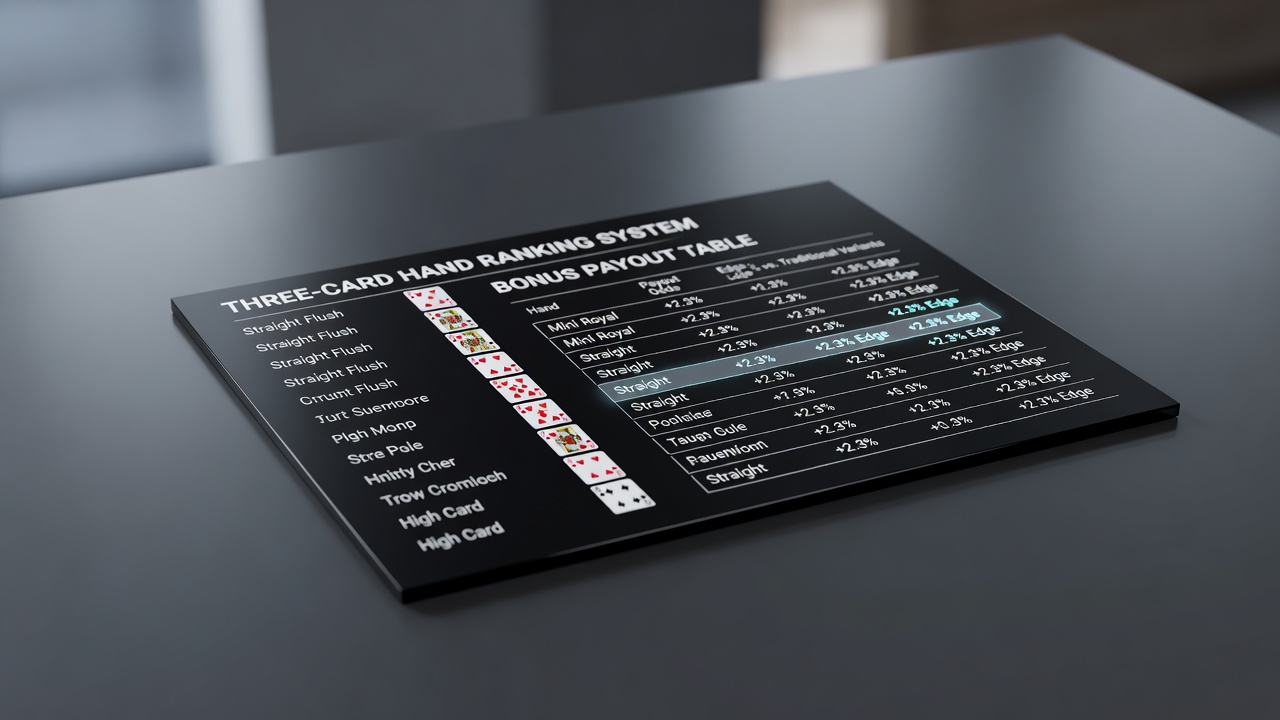
The Math of Six Card Bonus in Three Card Poker
provably fair is a tech term. but three card poker's six-card bonus? that's not provably anything. it's just a bet with a 14% house edge wrapped in shiny UI.
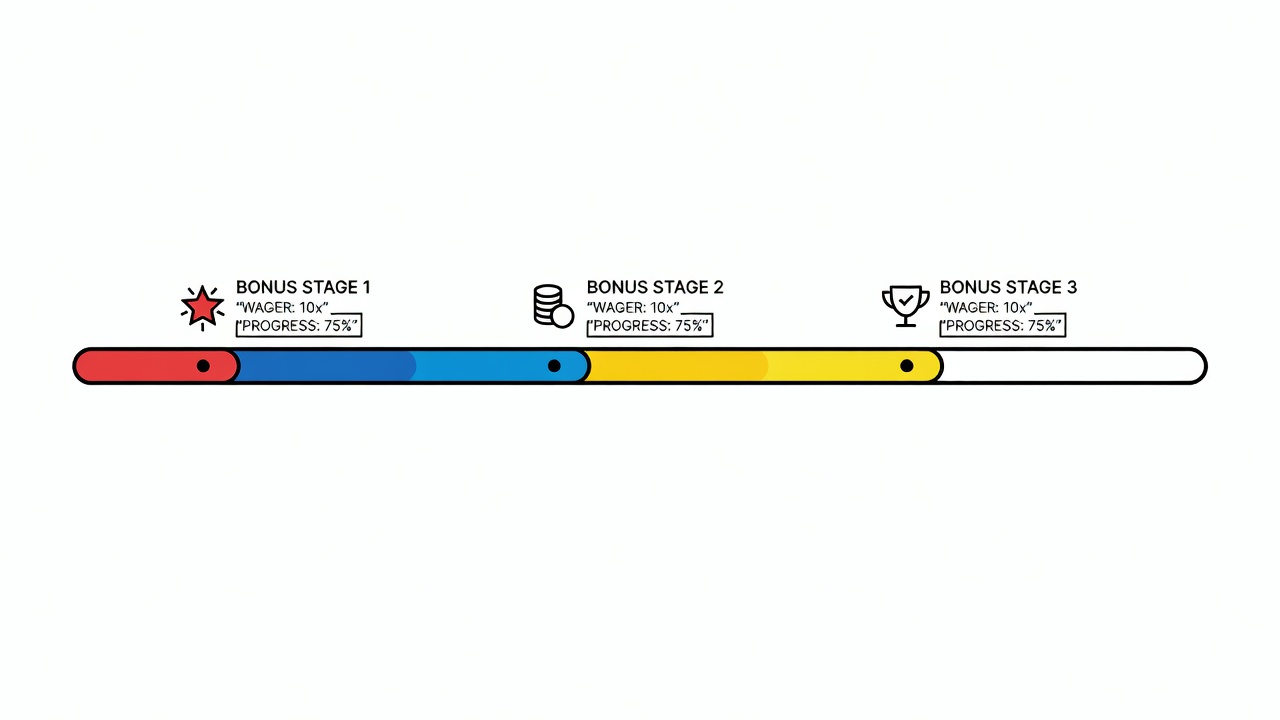
How to Track Your Wagering Progress on a Bonus
The bonus system works like traffic flow. The casino designed the space. The player moves through it. Good design makes the path invisible. Tracking your position in that path is the work.
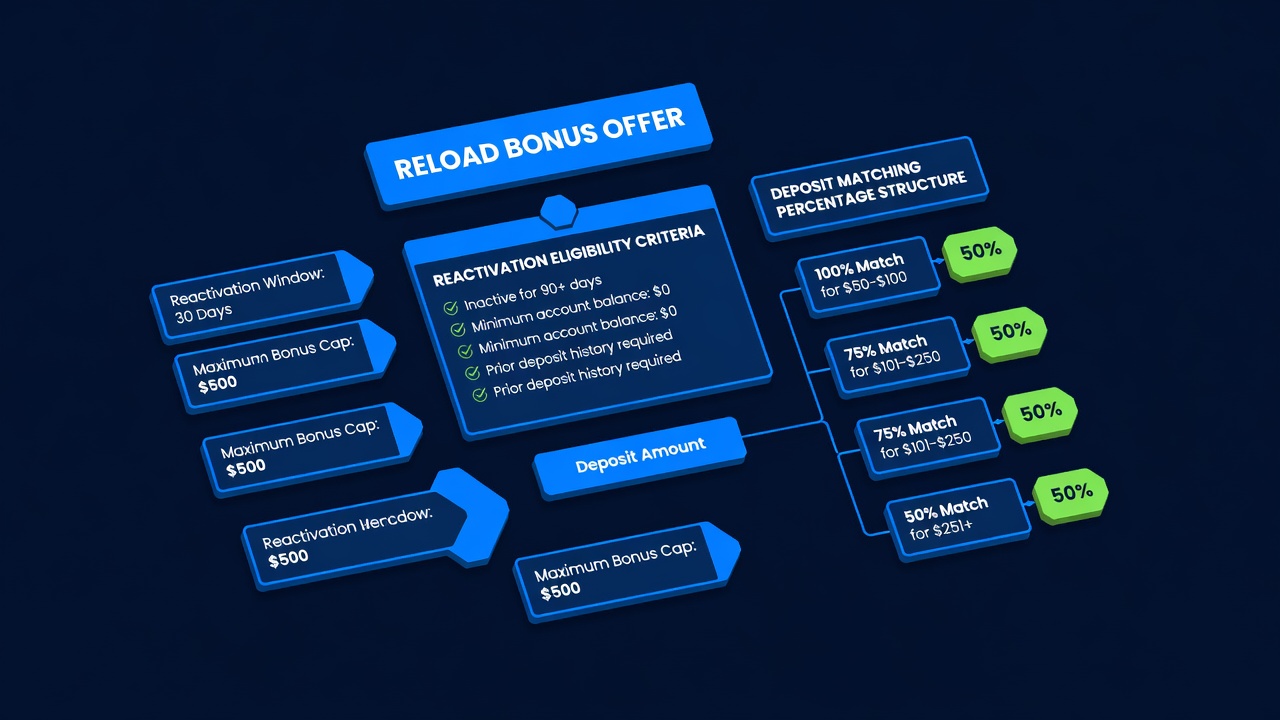
Crypto Casino Reload Bonuses: How They Typically Work
Reload bonuses are a tool to combat player churn. Casinos use them to reactivate dormant players. The mechanics are straightforward, but the value proposition depends entirely on your loss rate.

Bitcoin Lightning Network for Instant Casino Deposits
The Lightning Network emerged from a 2015 whitepaper by Poon and Dryja as a response to Bitcoin's settlement delays. Casino operators began adopting it in 2019 to solve real problems of player friction.