Why Some Slots Have 96% RTP and Others Only 92%
You see two identical-looking slot machines. One advertises 96% RTP. The other 92%. The 4% difference equals roughly $40 per $1,000 wagered. Over a year, that's substantial.
Walk the casino floor. The machines at the front near the entrance? 92-94% RTP. The machines in the high-limit area? 96-98%.
It's not accident. It's mathematics dressed up as floor layout.
The RTP Concept
RTP (Return to Player) is the percentage of money wagered that the machine returns to players, on average, over many spins.
96% RTP means: over 100,000 spins at $1 per spin, a player receives $96,000 back. The house keeps $4,000.
92% RTP means: the house keeps $8,000.
The 4% gap is not theoretical. It's real money. A $10 per spin player on a 92% RTP machine loses $40 more per 1,000 spins than on a 96% RTP machine.
Why Machines Differ
Manufacturers (IGT, Aristocrat, Pragmatic Play) build machines with configurable RTPs. The software allows casinos to select which RTP the machine operates at.
Why? Casinos face different economic pressures in different areas. A casino in Las Vegas competes with 40 other casinos. A casino in rural Nevada competes with none. The competitive environment determines which RTP is profitable.
Low-competition areas accept 92% RTP because players have nowhere else to go. High-competition areas need 96% RTP to keep players loyal.
The Placement Strategy
Casinos place higher-RTP machines in high-traffic areas where players compare machines. Entrance floor? Higher RTP. Back area where players wander lost? Lower RTP.
Casino logic: a new customer at the entrance might try a few machines. If all of them are low-RTP, they're annoyed and might leave. So casinos put higher-RTP machines at the entrance, get the player hooked, and gradually shift them toward lower-RTP machines in less visible areas as they become regular customers.
This is evil design, but mathematically sound. The best players (from the casino's perspective) are the ones who've been playing low-RTP machines for so long they don't remember there were alternatives.
The Volatility Wrinkle
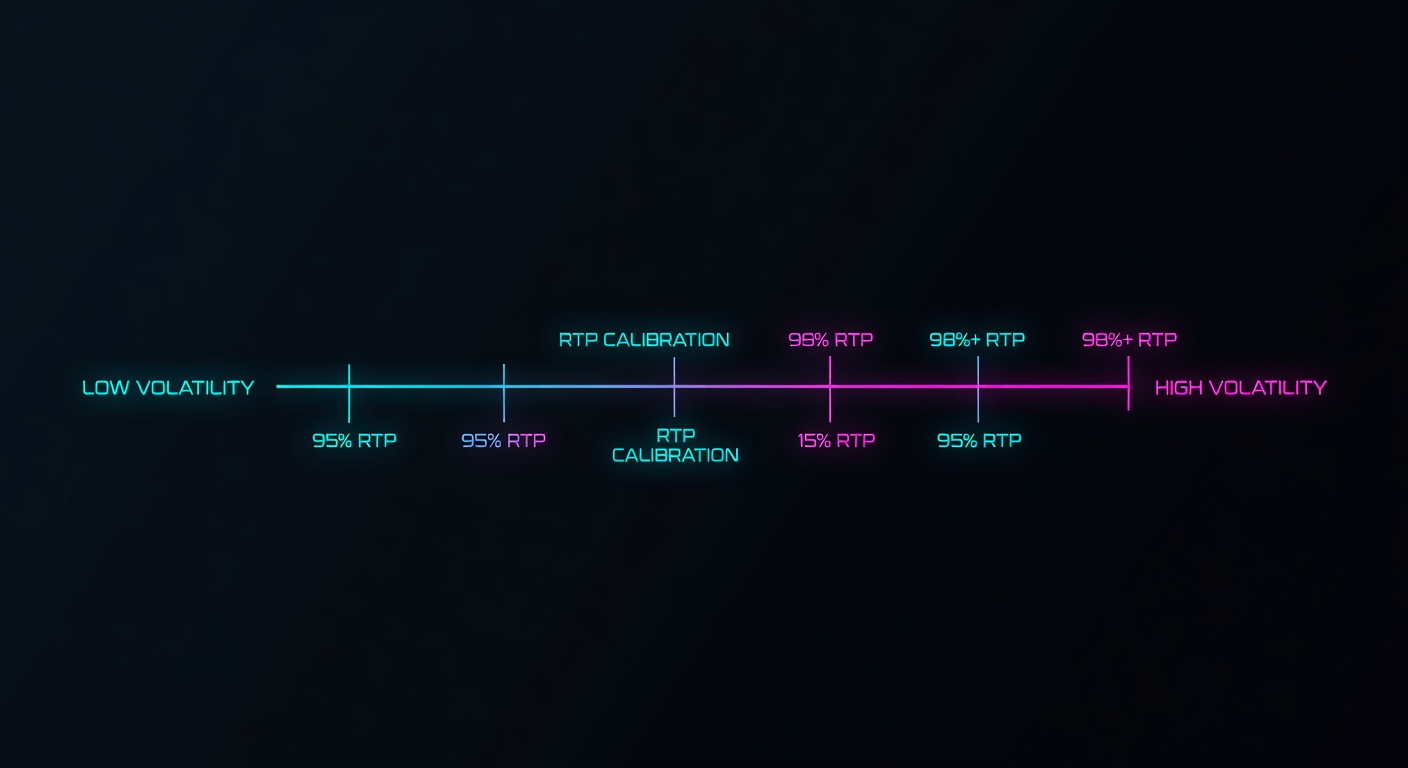
RTP is average over many spins. Volatility determines the variance around that average.
Two machines can both have 96% RTP but very different volatility profiles. A low-volatility machine pays small amounts frequently (higher consistency). A high-volatility machine pays large amounts rarely.
Casinos place high-volatility machines where they expect players to stay longer (lounges, slot clubs). Low-volatility machines get placed where players might quit quickly (entrance, bathrooms).
The high-volatility entrance machine lets you win $500 on a lucky streak early, even if the RTP is technically higher than you realize. You feel like you're winning, even if you're statistically losing.
The Regional Variation
Nevada allows casinos to set RTP anywhere from 80% to 100%+. New Jersey requires minimum 83% for online, 85% for land-based. UK allows casinos complete freedom.
A machine legal in Vegas (92% RTP) might be illegal in New Jersey (below 85% minimum). So manufacturers build variant versions.
The Player-Facing Truth
RTP is disclosed. Every machine has a sign showing what its RTP is. Most players never read it.
The ones who do gravitate toward 96%+ RTP machines. Over their lifetime, this saves them thousands. The ones who don't read it lose an equivalent amount.
The floor layout exploits this knowledge gap. The information is available. The default behavior (picking machines at random) guarantees you pick lower-RTP machines on average.
I worked long enough to see players develop superstitions about individual machines ("this machine is hot") while completely ignoring RTP. The superstitions were magic. The RTP was math. The math won.
Next notes
More from #slots

Why Some Slots Have 117,649 Ways to Win
The number of paylines in a gaming product is a published specification. The manufacturer must disclose it to the licensing jurisdiction. Here is how that process works.
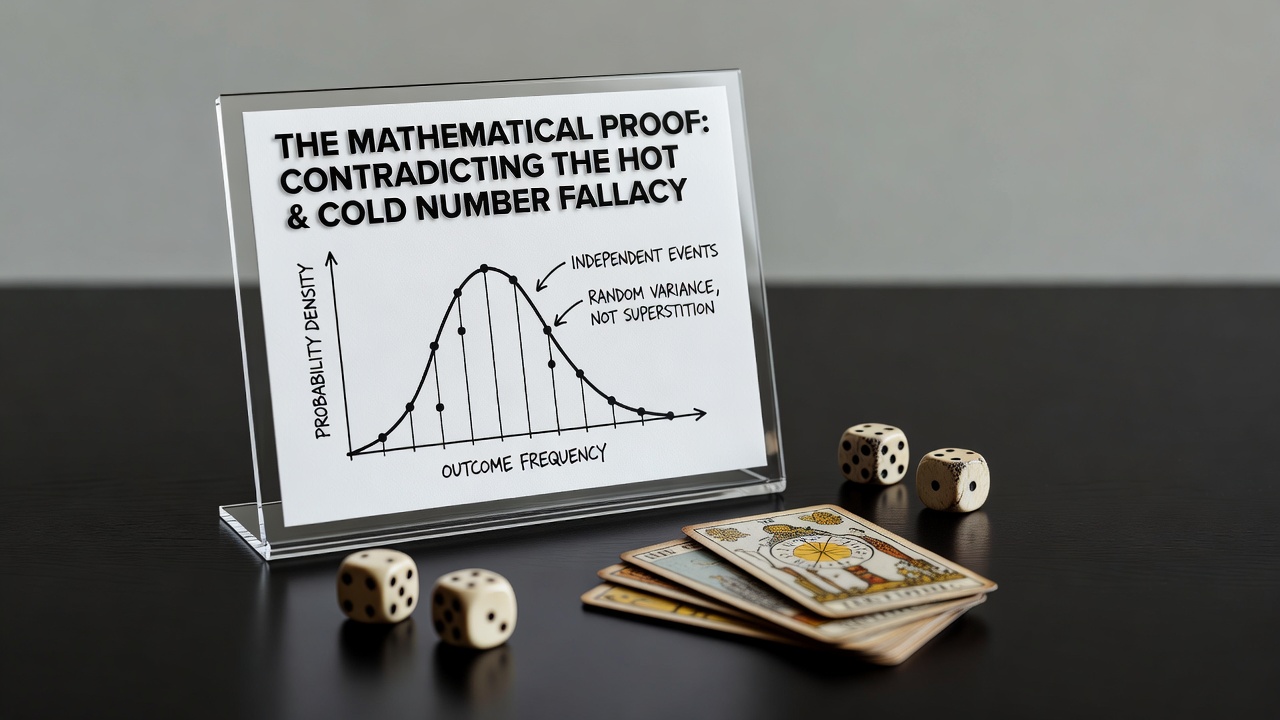
Common Slot Myths Debunked by Math
Gambling myths persist because they match how our brains process randomness and reinforcement. Understanding the actual mechanisms behind slots helps separate folklore from fact.
Crypto Jackpot Slots: Who Funds the Prize, and in What Coin
A jackpot slot pays its top prize out of every spin you make. How the meter is funded, what it does to RTP, and what that means for a wallet balance.

Penny Slots Online Casino Math: Why 1 Cent Games Hold More
Nevada's revenue report shows 1 cent slots holding 9.06% of every dollar played, more than $1 machines. Here is what a penny spin really costs.

How the Gambler's Fallacy Affects Roulette Players
Roulette teaches the human brain how to recognize patterns that don't exist. Understanding the design loop reveals why the game is so effective at it.

The Ultimate Guide to 3-Betting in No-Limit Hold'em
Three-betting is a specific technique used in poker to apply pressure. It worked the same way in organized crime investigations. Apply pressure, watch who cracks.