Crypto Casino Deposit Fees: What Actually Eats Your Balance
A deposit looks free. The casino says "no deposit fee." But the blockchain charges gas, the exchange charges spread, and by the time your balance shows, you have lost 4-6% to unseen costs.
I ran surveillance at a major Strip casino for fourteen years. We caught card counters, spotters, team plays, sophisticated scams. One thing we never caught: the house losing money on their rake structure. It is built in. The house knows where the revenue comes from, and they protect it.
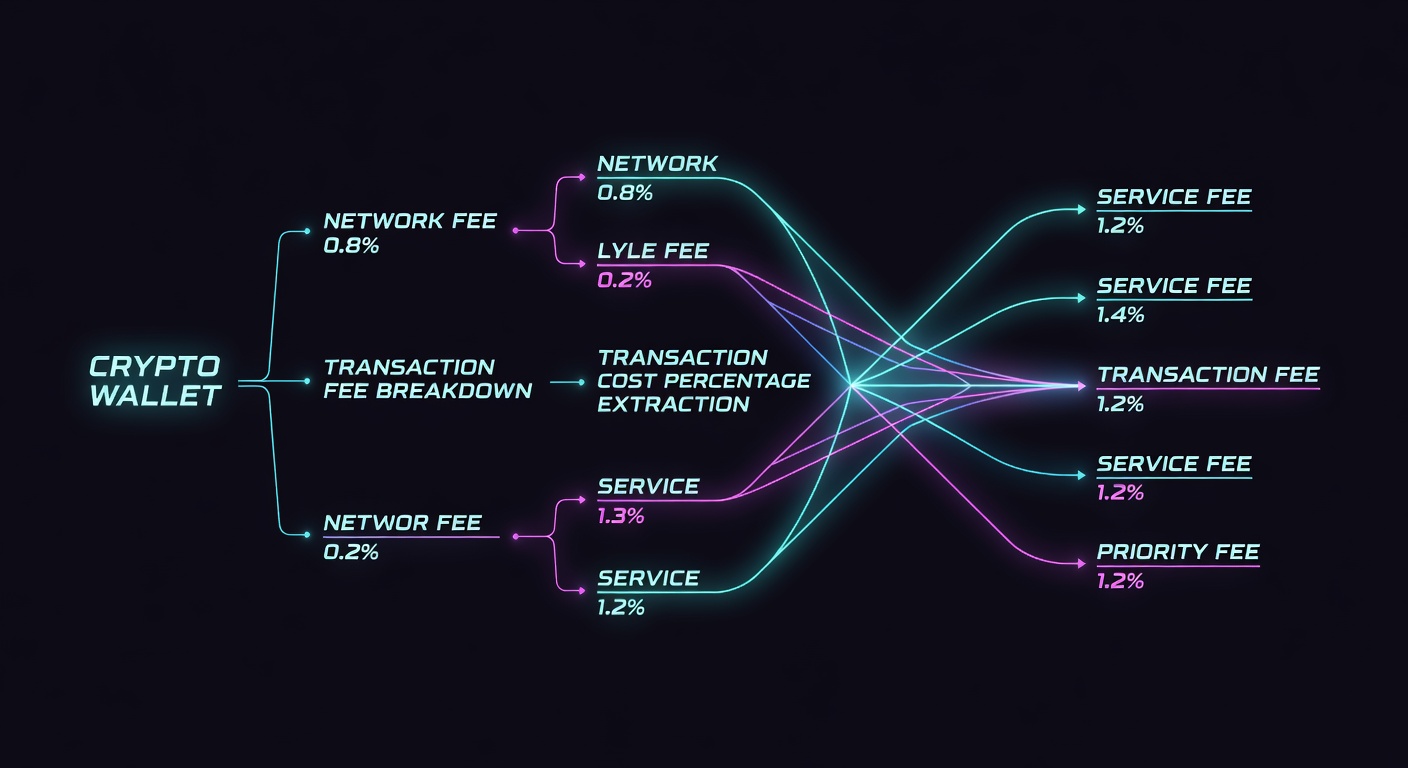
Crypto casinos operate the same way, but the fees are distributed. The casino takes its cut, the blockchain takes its cut, and the player watches their deposit shrink between the exchange and the account.
The Blockchain Layer
Bitcoin withdrawals cost 10 to 50 dollars depending on network congestion. Ethereum withdrawals cost 15 to 100 dollars in gas fees. The casino does not pay this. You pay it. The casino advertises "no deposit fee," which is technically true. But the withdrawal fee is real.
Ethernet sits around 2 gwei per transaction most of the time. At current prices, that is 60 to 80 dollars per withdrawal. A player betting in crypto at Stake or BC.Game sees their deposit hit within minutes, but when they try to withdraw, the gas fee appears. Many first-time crypto players never read about this. They get surprised.
Layer 2 solutions (Polygon, Arbitrum) reduce this. A withdrawal on Polygon costs cents, not dollars. But not every casino supports every L2. Stake supports Ethereum mainnet and some L2s. BC.Game supports Bitcoin, Ethereum, and a few altcoins. Check before you deposit.
The Exchange Spread
If you are buying crypto with fiat to deposit, you hit an exchange. Coinbase, Kraken, FTX (before it folded), smaller regional exchanges. Each one charges a spread: the difference between the price they show you and the price they actually charge.
Coinbase's spread is typically 2% to 3% on major currencies. You think you are buying one Bitcoin, but you are paying 1.02 Bitcoin in effective value. Kraken is slightly lower. A DEX (decentralized exchange like Uniswap) can be lower, but slippage on a large order can hurt.
Then there is the casino's own exchange spread if you deposit in fiat and they convert to crypto. Most crypto casinos hide this. Stake says "no deposit fee," but if you buy 1000 USD of Bitcoin through their widget, you might only get 0.0488 BTC instead of 0.0500 BTC. That is a hidden 2.5% fee.
Total Cost of Entry
Assemble the numbers for a realistic deposit.
- Buy 1000 USD of Ethereum on Coinbase: 2% spread = 20 USD lost, 980 USD received.
- Transfer from Coinbase to your external wallet: 0 (they cover it for you).
- Transfer from your wallet to the casino: 80 USD in gas.
- Deposit shows at casino: 900 USD.
You intended to deposit 1000 USD. You actually deposited 900 USD. That is a 10% loss before placing a single bet.
Now add the return trip. You win 1100 USD (your 900 plus 200 profit). You want to withdraw.
- Casino converts to Ethereum: Hidden 2% fee or better, say 1%, 1089 USD worth of Ethereum.
- Withdrawal gas fee: 80 USD.
- Transfer to Coinbase: 0 (they cover it).
- Sell Ethereum on Coinbase: 2% spread = roughly 20 USD.
- You have: 989 USD back.
You won 200 dollars and ended up with 989 dollars after starting with 1000. You lost money on fees.
The Defense
Depositers reduce fees by:
- Using Bitcoin on L2 (Lightning Network). Deposits cost cents, withdrawals cost cents. Few casinos support it yet.
- Using stablecoins (USDC, USDT) instead of volatile coins. No exchange spread, just blockchain fees. Withdrawals are faster and cheaper.
- Accepting the gas cost as part of the game. If you are depositing 5000, the 80 dollar gas fee is 1.6%. Annoying, but manageable.
- Bulk depositing and playing longer sessions. One 5000 deposit with one withdrawal costs less per bet than five 1000 deposits with five withdrawals.
Why Casinos Do Not Advertise This
Stake and BC.Game say "no deposit fee." Technically true. Strategically deceptive. The fees exist; they are just distributed across the blockchain and the payment processor. The casino benefits from the illusion of a free deposit because players blame the blockchain, not the casino.
Ask before you deposit. Some high-end crypto casinos will waive initial gas fees for large deposits. Some will credit you back 25% of gas costs. These are negotiations, not published policies. But they exist if you ask.
Next notes
More from #bonuses
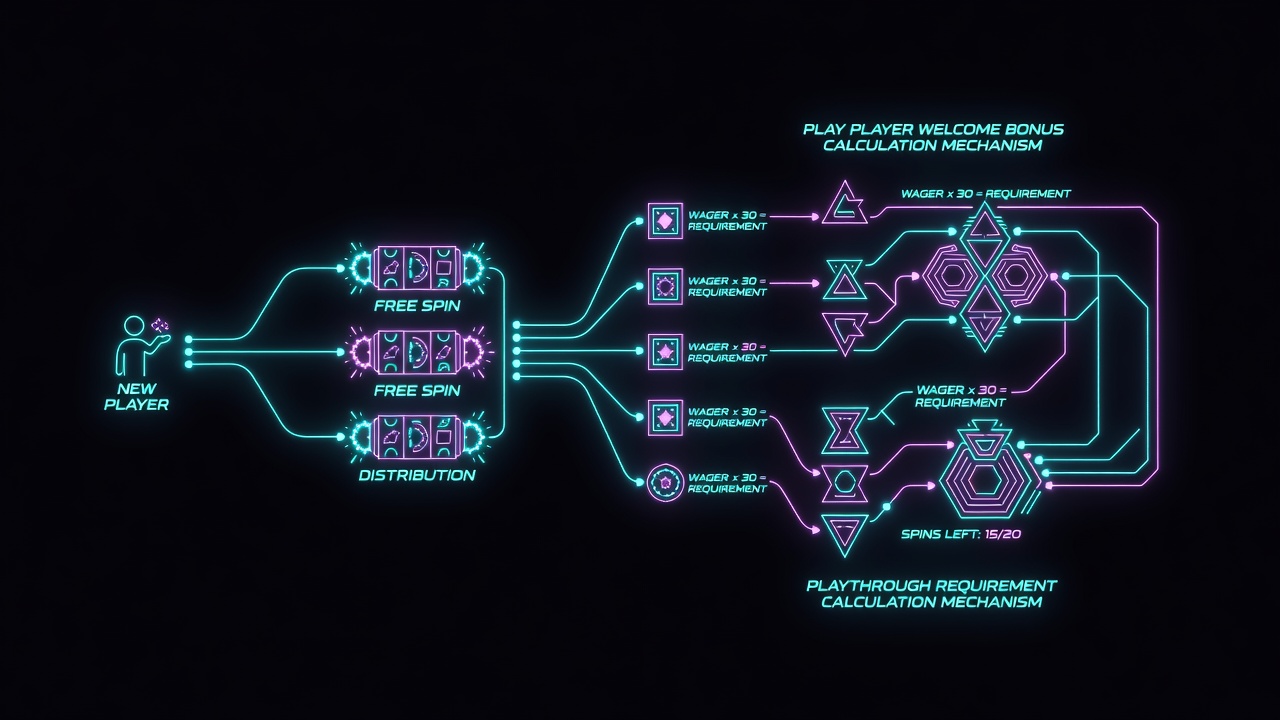
Free Spins on Registration: How They Typically Work
A casino hands you free spins when you join. A young man from Nevada sat down and played them. By the time they were done, he understood something about generosity.

Understanding VIP Programs at Online Casinos
VIP programs are a full-court press on whale retention. The math is simple: one whale is worth a thousand casual players. The casino structures everything around not losing that whale.
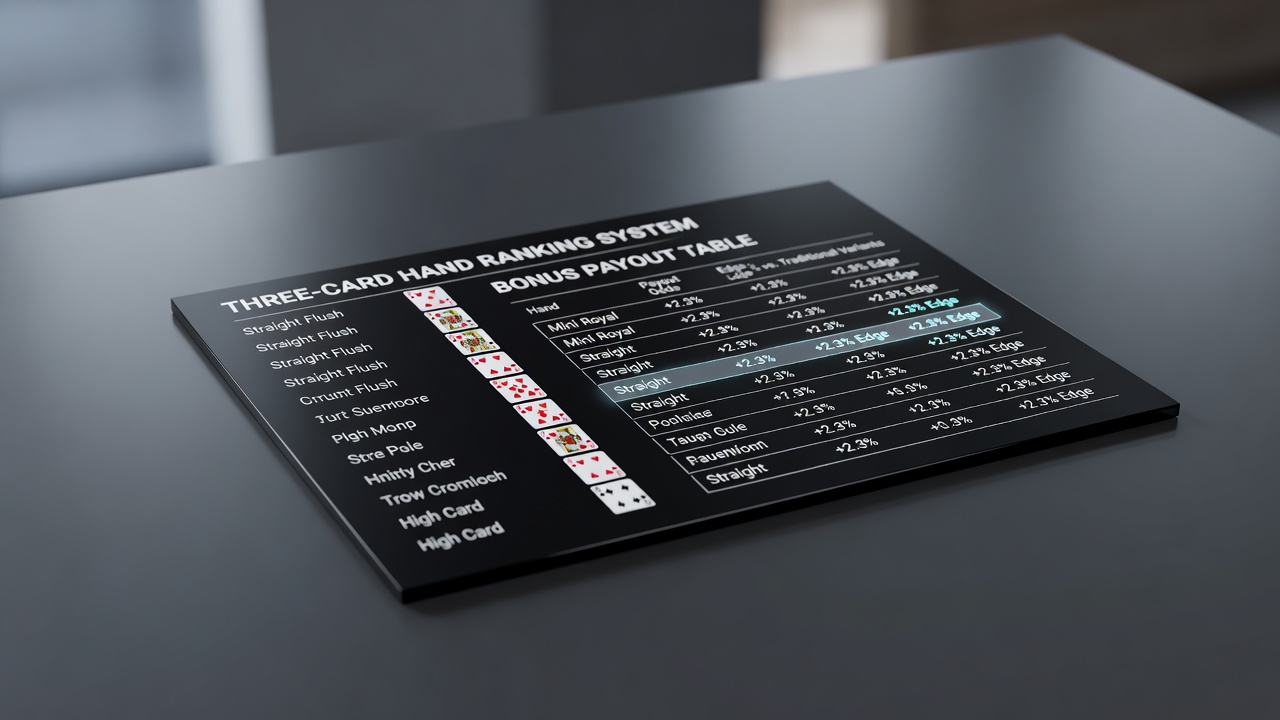
The Math of Six Card Bonus in Three Card Poker
provably fair is a tech term. but three card poker's six-card bonus? that's not provably anything. it's just a bet with a 14% house edge wrapped in shiny UI.
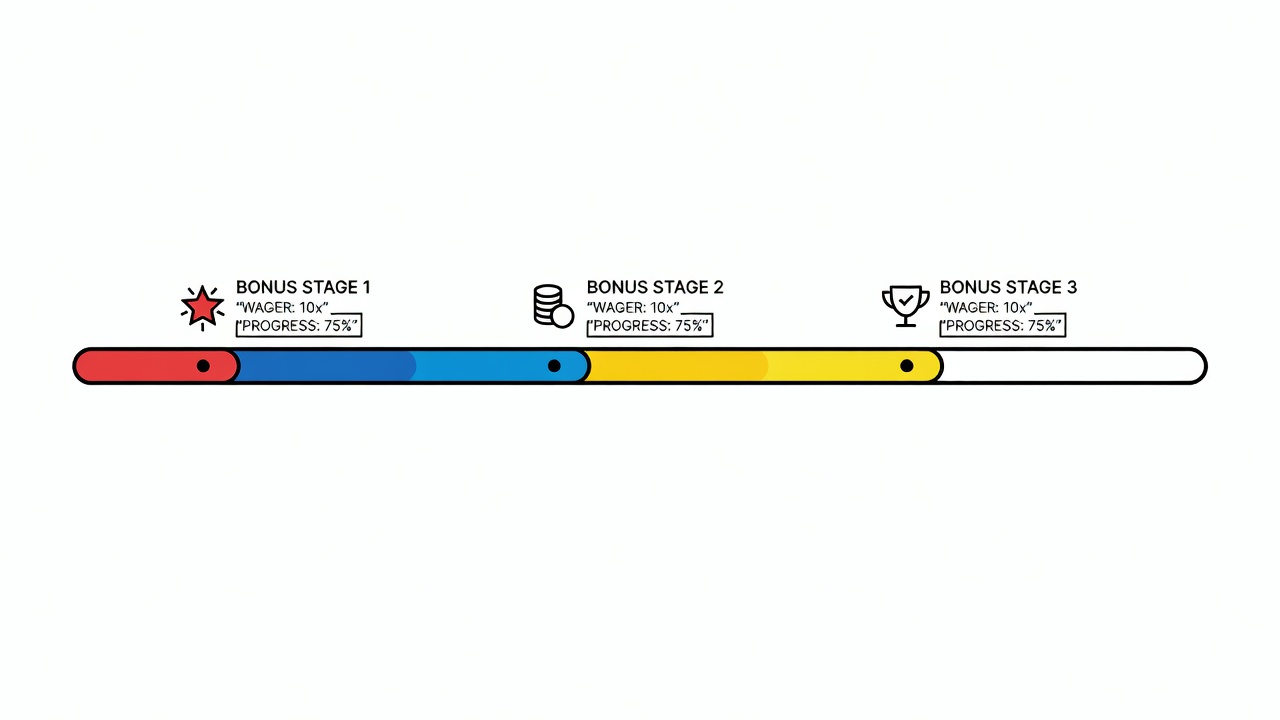
How to Track Your Wagering Progress on a Bonus
The bonus system works like traffic flow. The casino designed the space. The player moves through it. Good design makes the path invisible. Tracking your position in that path is the work.
Crypto Casino Reload Bonuses: How They Typically Work
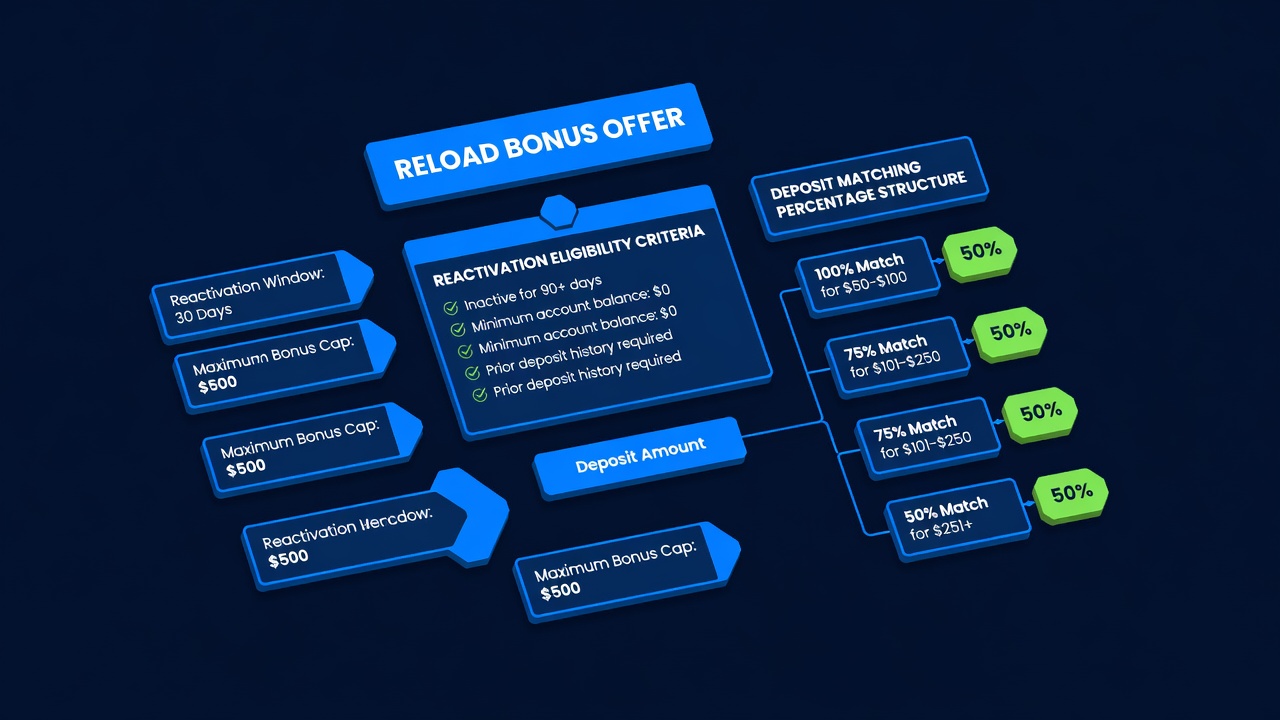
Reload bonuses are a tool to combat player churn. Casinos use them to reactivate dormant players. The mechanics are straightforward, but the value proposition depends entirely on your loss rate.
Bitcoin Lightning Network for Instant Casino Deposits
The Lightning Network emerged from a 2015 whitepaper by Poon and Dryja as a response to Bitcoin's settlement delays. Casino operators began adopting it in 2019 to solve real problems of player friction.