Social Engineering Scams Targeting Casino Players
Social engineering is an exploit of human psychology, not software. The scammer doesn't beat your security. They beat you. Three million hands taught me to spot tells. Scammers are predictable too.
The Setup
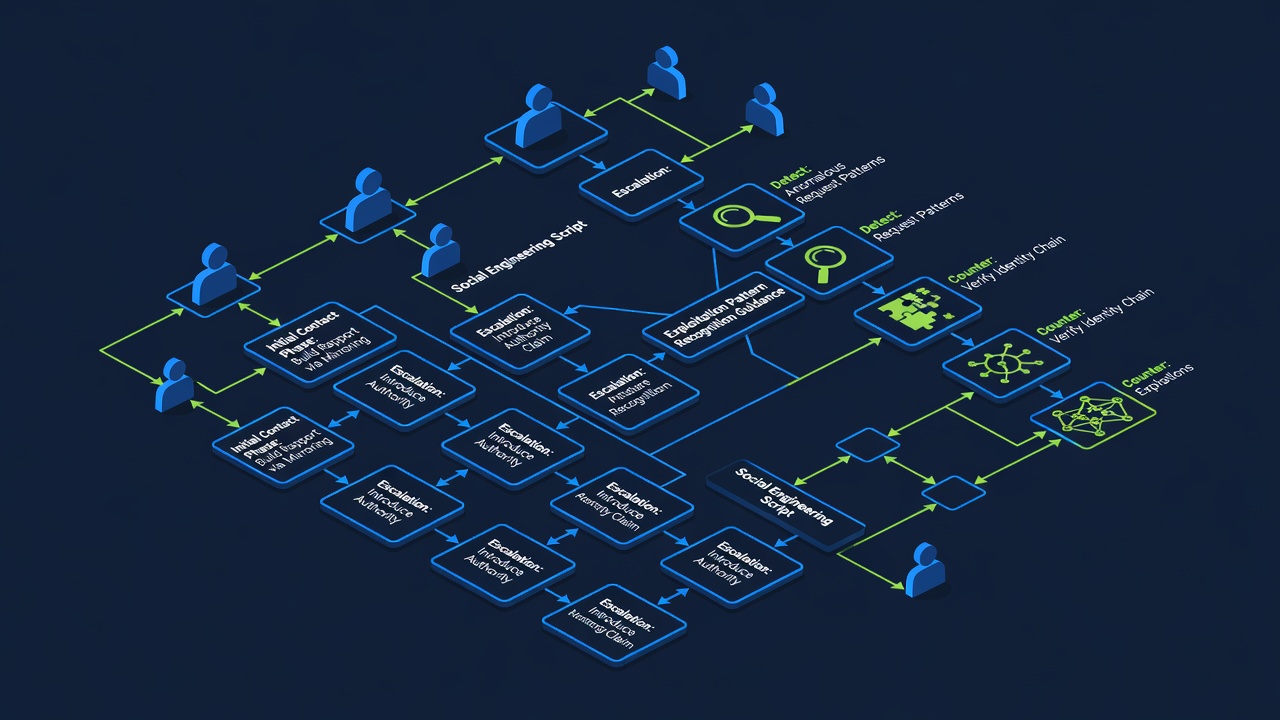
Social engineering works because people believe what fits their existing model of the world. A casino player receives a message claiming account review needed. Urgent. Account freeze risk. The player sees this, recalls the casino's actual ToS, thinks the story tracks. Opens the link.
This is textbook. The player's default is trust. The attack exploits that default. No 0-day required. No code.
The Basic Vectors
Phishing comes first. Email looks like the casino's brand. Domain is close: caslno-support.com instead of casino.com. Most players don't check. Copy their credentials. Account access won through password, not security vulnerability.
Second vector: SIM swapping. The scammer calls the player's mobile carrier, claims to be the player, requests a SIM replacement. This takes about fifteen minutes and a convincing story. Once new SIM is active, the old one dies. The scammer receives the 2FA code meant for the player. If the casino uses SMS-based authentication, the account is now compromised. This one's not about the casino's defenses. It's about the carrier's lack of identity verification.
Third: direct social engineering of casino support staff. Scammer calls support claiming they're a player who forgot their password, describes some account details they harvested from a data leak, requests a password reset. A tired support agent, following script, resets it. Account compromised.
Fourth: fake customer support. Player has a problem (delayed withdrawal, bonus claim rejected). Scammer reaches them on a platform where the casino also has presence (Discord, Telegram group). Impersonates support under a lookalike handle. Requests the player complete identity verification by providing a scan of their passport. Player complies. Now the scammer owns enough PII to open new accounts in the player's name, file withdrawal requests, or sell the data to other scammers.
Why Players Fall In
Three reasons. First: most players gamble casually and don't maintain the threat model required to stay paranoid. They're not system administrators. They don't think like cheaters.
Second: scammers weaponize urgency and authority. "Your account is flagged" is more powerful than "click here for free bonus." Fear beats greed for compliance. The player's cortisol spikes. Critical thinking goes offline. They act.
Third: deniability. A real casino would never intentionally sound like a scam. This asymmetry paralyzes players. "It sounds sketchy, but the casino is legit, so maybe it's real." The doubt creates the opening.
Defense
First: never click links from unsolicited messages. Navigate directly to the casino's site. Check the account yourself.
Second: use a password manager and unique passwords for every site. If one casino leaks credentials, others remain secure.
Third: if you get an urgent message from support, hang up and call the casino back using a number from their official site. Don't use the number the caller provided.
Fourth: assume anyone contacting you via Discord, Telegram, or social media is not actually the casino. Real casinos rarely support you there because those channels are unsecured.
Third: two-factor authentication, but make it app-based (Google Authenticator, Authy), not SMS. SMS is vulnerable to SIM swap. Apps run on your device.
Last: slow down when something feels urgent. Scammers want you reactive. Take twenty minutes to verify.
Next notes
More from #security
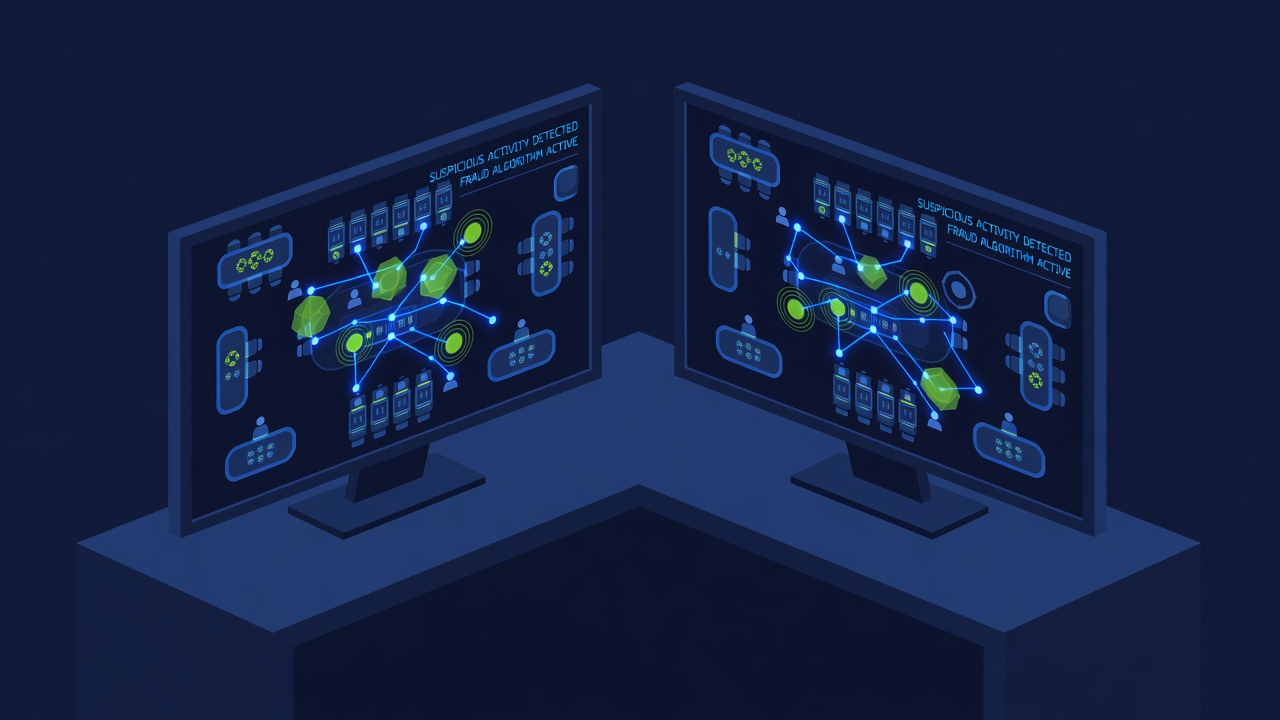
Anti-Fraud Measures Used by Modern Online Casinos
I've been watching this for a long time. The casinos built walls. The cheaters found doors. Now both sides are tired. The casinos just want to run their game. The cheaters, well, they want to win.

Random Number Generation vs Live Dealers: Fairness Compared
A gentleman from Stuttgart played both live and RNG blackjack in the same evening. By three in the morning, his impressions of fairness had inverted twice.
Understanding RNG Certification at Online Poker Rooms
The machine was sealed. The numbers came from somewhere. Nobody knew exactly where or how. That was the point. Trust the process or go play elsewhere.
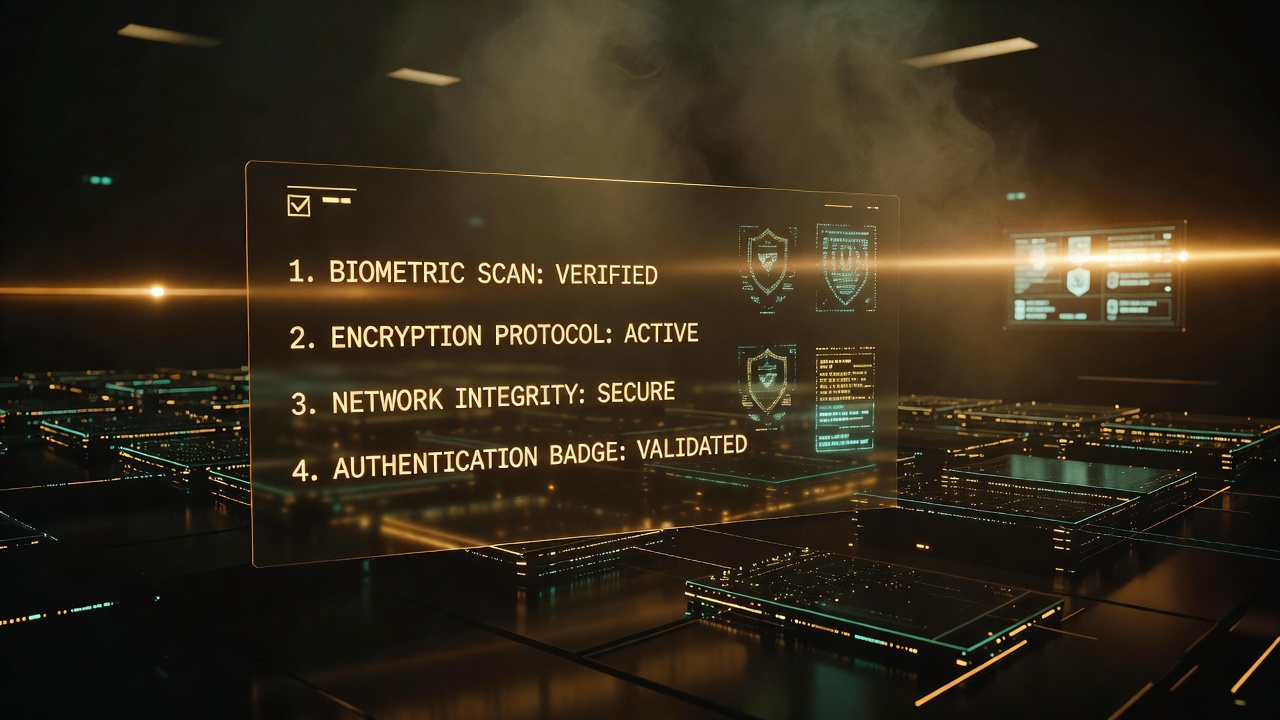
How to Verify a Poker Site's Legitimacy Before Depositing
Real poker sites are boring to audit. Fake ones have tells. Here is what to look for and what to trust.

Touch ID and Face ID Login for Casino Apps
Biometric login is a technological convenience that reduces the cost of account access. This changes the gambler's subjective time-preference calculation.

Night Shift Live Dealers: How 24/7 Studios Operate
A live dealer studio runs around the clock. At 3am in Manila, a dealer is shuffling cards while a player in Berlin watches. The logistics are straightforward until something goes wrong.