Night Shift Live Dealers: How 24/7 Studios Operate
A live dealer studio runs around the clock. At 3am in Manila, a dealer is shuffling cards while a player in Berlin watches. The logistics are straightforward until something goes wrong.
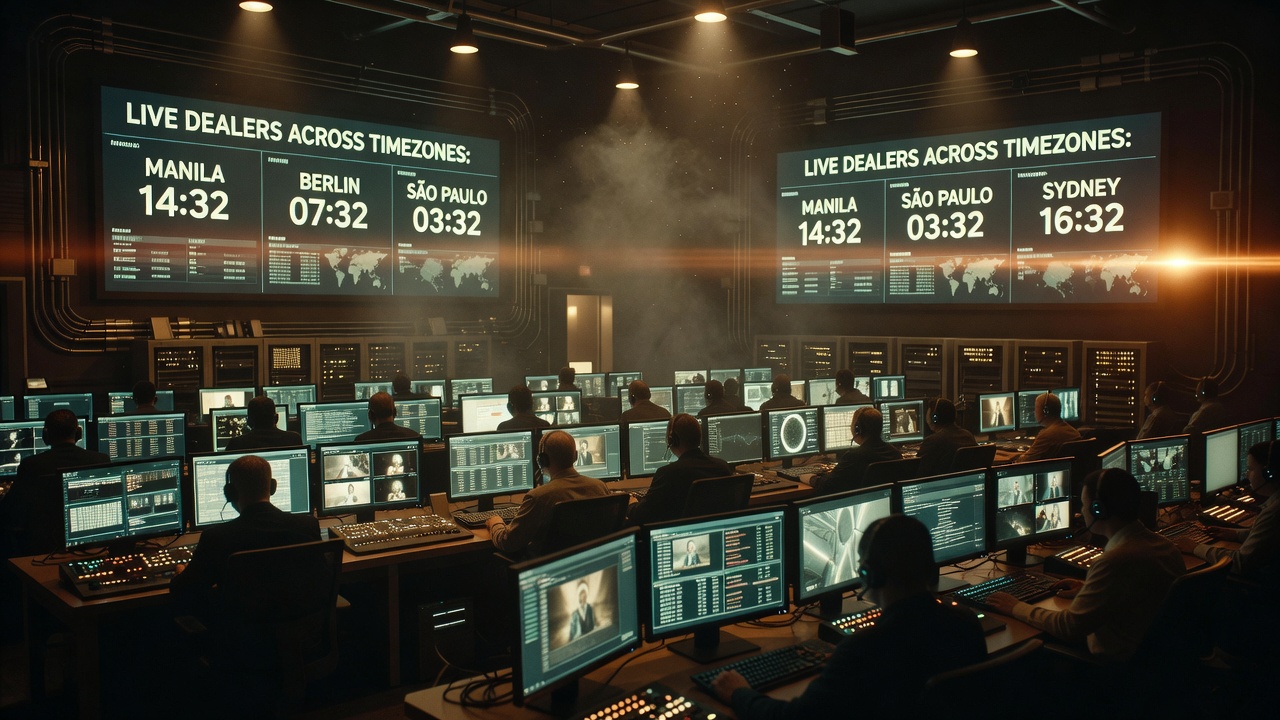
The live dealer infrastructure is simpler than most people think. A server, cameras, a shuffling machine, a dealer, a table. The complexity comes from the human element at three in the morning.
Dealer Rotation and Fatigue
Dealers work six-hour shifts. A studio with 24-hour coverage needs four dealers per table, usually with overlap to allow for breaks and handoffs. The night shift attracts a different population than day shift: students, people who prefer night work, people whose family situation allows overnight hours.
Fatigue is a problem. A dealer working midnight to six is using cognitive resources to stay alert. The dealing itself is not difficult, but maintaining precision over six hours while aware that mistakes are documented is taxing. A tired dealer makes mistakes: miscounting chips, misplaying cards, inconsistent shuffles.
A casino cannot afford dealer mistakes. Every hand is on camera. Every error is evidence. If a dealer repeatedly makes the same mistake on the night shift, the footage will show it. Bettors will complain. The regulator will investigate. The solution is to staff night shifts with careful hiring and well-trained relief dealers.
Security During Low-Traffic Hours
The night shift is when cheating is most likely. Traffic is lower. Fewer eyes are on the floor. The surveillance team might be smaller. A dealer who has worked night shift for six months knows exactly which cameras have blind spots and when the security team takes breaks.
Cheating in a live dealer environment is difficult but not impossible. A collusion between a dealer and a player could, in theory, work. The dealer signals information about other players' cards. The player plays in response. Money flows from other players to the colluding pair.
Most operators combat this with random audits. A manager might watch a night shift game without notice. Video is reviewed randomly. The threat of audit is usually enough deterrent. The threat of being caught and banned from the industry is a bigger one.
Dealing With Technical Failure
A technical failure during night shift is worse than during day shift. There is less operational support. If a camera fails, an engineer might not be immediately available. If the shuffling machine jams, a technician might take an hour to arrive.
The best operators have redundancy. Two cameras on each angle. A backup shuffling machine. A manual shuffle procedure in case the machine fails. Night shift dealers are trained to continue dealing if a camera goes out. The game continues. The feed cuts and resumes. Bettors see gaps in the stream.
Some operators accept brief downtime. A few minutes of no game is tolerable. More than that and bettors stop playing. Players move to another table or another operator.
The Regulatory Burden
A 24-hour studio requires the same licenses and oversight as a daytime-only studio. The regulator does not care what time of day the games occur. The house edge is the same. The shuffles must be properly documented at 3am the same as at 3pm.
This creates a conflict. A night shift operator wants efficiency and cost control. A regulator wants documentation and oversight. The documentation might require a manager to be present during certain hours. The manager presence increases cost.
The best solution is to hire enough staff that the overnight operation is not just a skeleton crew trying to keep lights on. The studio with a manager, a full security staff, and alert dealers is unlikely to have problems. The studio operating on a shoestring will eventually have incidents.
The Economics
Night shift games lose money on a per-table basis compared to day games. The player pool is smaller. The handle is lower. The overhead is the same. An operator might run three tables during the day and one at night to serve a global audience.
The night shift exists not because it is profitable to run overnight, but because it would be unprofitable to leave capacity idle. Every empty table is lost opportunity cost. A player in Los Angeles at 11pm is a player in London at 7am. The studio captures both by offering 24-hour service.
The night shift is not a premium service. It is a capacity management tool. The best operators staff it well anyway. The mediocre ones cut corners and hope nothing breaks.
Next notes
More from #live-tables
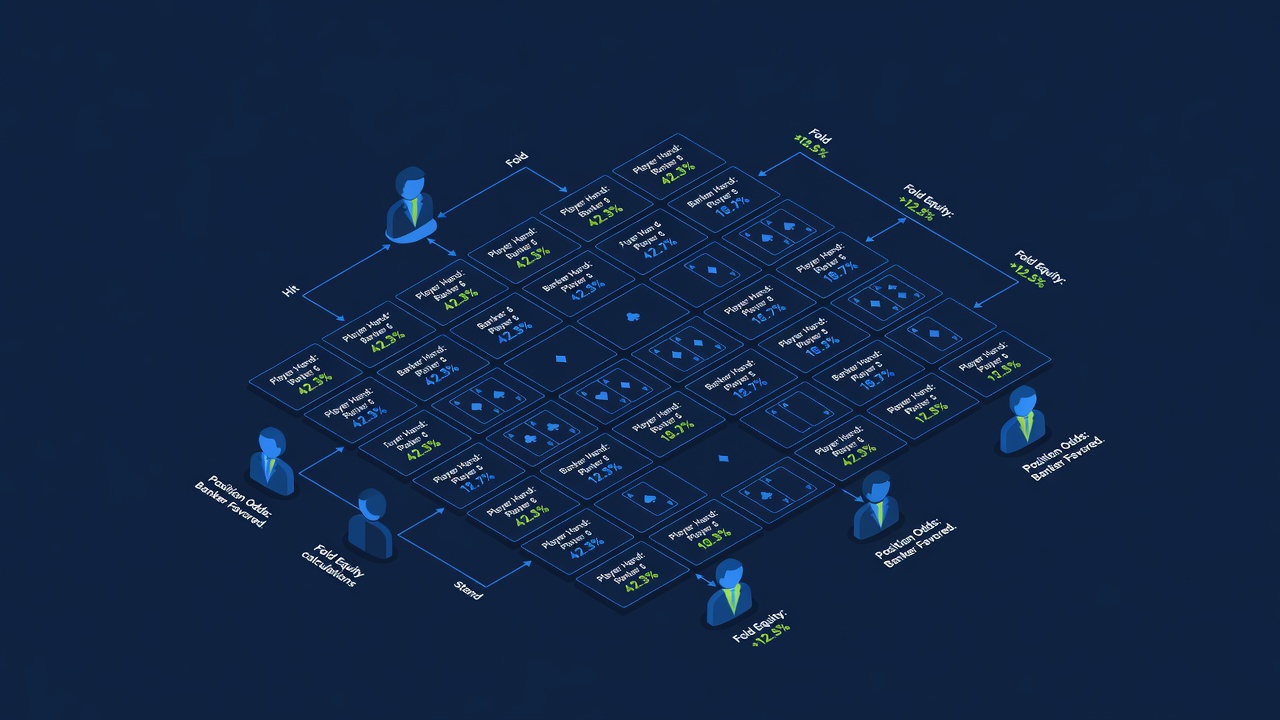
Live Casino Hold'em Strategy: When to Call and When to Fold
Live Casino Hold'em is fundamentally different from traditional poker because you have perfect information about dealer strength. Understanding this transforms the entire decision tree.
Random Number Generation vs Live Dealers: Fairness Compared
A gentleman from Stuttgart played both live and RNG blackjack in the same evening. By three in the morning, his impressions of fairness had inverted twice.

Immersive Roulette: How Camera Angles Changed Live Play
The Resorts had a money wheel in 1978, and they filmed it with one camera from above. Evolution Films it from eight angles. The difference in the experience is architectural.
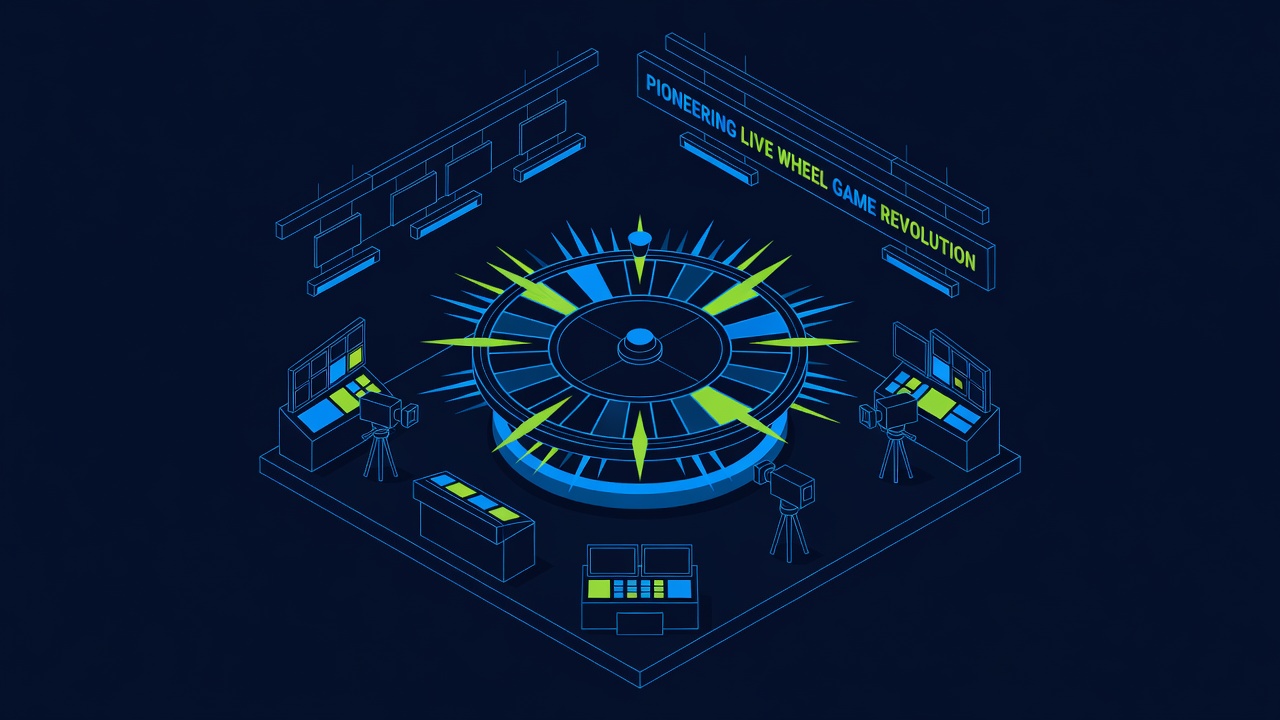
Dream Catcher: The Money Wheel That Started It All
Dream Catcher is often credited as the first live wheel game. Testing this claim methodically reveals it was actually the first one executed well enough to matter.

Which Studios Run the Best Live Dealer Tables
One might ask: what distinguishes a good casino from a bad one when the house always profits. Perhaps the answer lies in how the house profits and what it asks of the player.

How Optical Character Recognition Powers Live Dealer Games
Every card the dealer touches gets read instantly. OCR is the invisible machine that turns physical cards into game state.